
Overview:
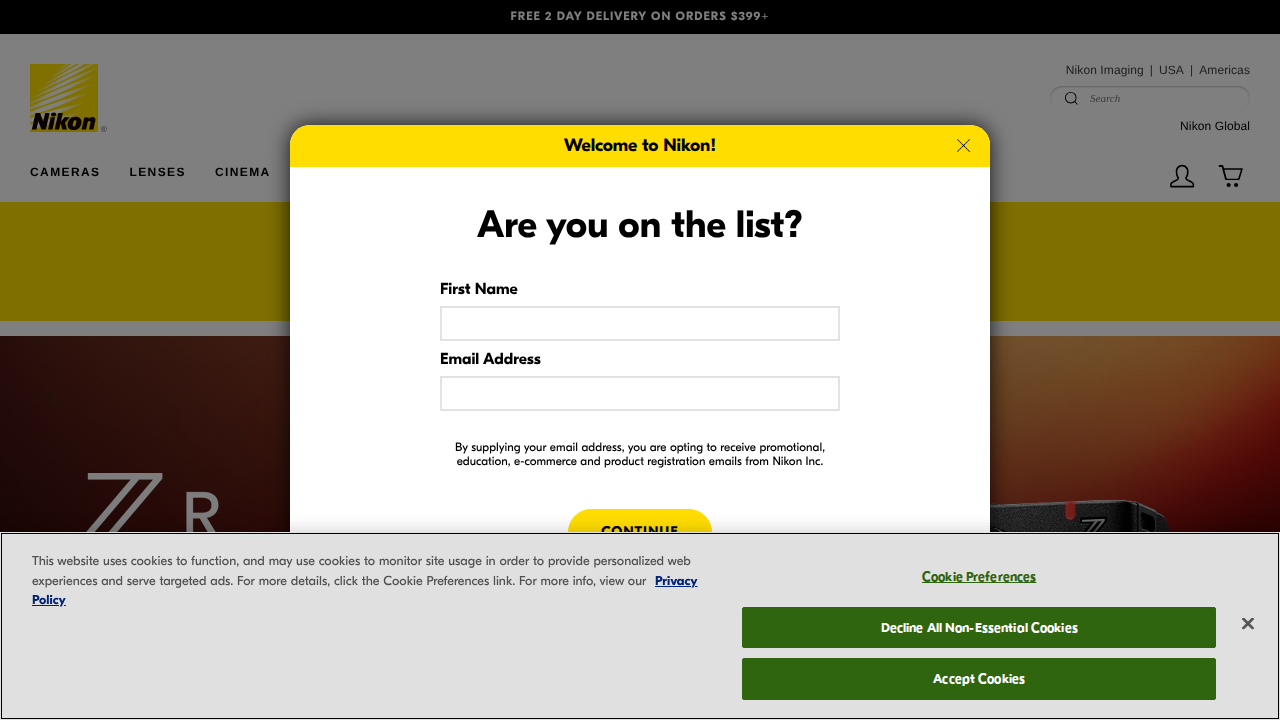
On 01/29/26 nikonusa.com/ scored 63% — **Decent** – Overall, most of the basics are in place, but a few clarity and trust signals are missing in ways that can limit how confidently AI systems interpret the site.
Executive summary
Score Breakdown (High Level)
- Discoverability: 100% - The site is highly discoverable with all core metadata and crawling signals in place, though it lacks specialized sitemaps for images or video.
- Structured Data: 58% - The homepage has a basic schema structure in place, but the lack of actual data within those tags and the total absence of markup on the resource page limit the site's visibility to generative engines.
- AI Readiness: 50% - The site has a solid foundation with open crawler access and clear brand context, but it's missing key technical signals like sitemap timestamps and a Wikidata entity.
- Performance: 83% - The homepage main content load is currently very slow at nearly 16 seconds, though layout stability and general responsiveness are solid.
- Reputation: 65% - Nikon enjoys exceptional brand recognition and a consistent identity across the web, though its reputation is currently impacted by documented negative feedback from customers and employees on external review sites.
- LLM-Ready Content: 40% - The page is exceptionally well-maintained with current technical data and helpful tables, but it lacks the authorship signals and descriptive text depth that help AI models process context effectively.

What stands out most overall
The big picture is that the site is generally easy to find and recognize, but it’s missing some signals that help AI systems confidently interpret your resource content and brand identity. These gaps aren’t “errors” so much as places where the site and offsite footprint don’t give AI a clear, consistent story to latch onto. The next section breaks down the specific areas where the report flagged missing or unclear information, organized by category. None of this is unusual for established sites—it’s a manageable set of visibility and clarity gaps.
Detailed Report
Discoverability
❌ No image or video sitemap found
What we saw
We didn’t see any dedicated sitemap specifically for images or videos. That can make it harder for search systems to consistently find and prioritize rich media content across the site.
Why this matters for AI SEO
AI experiences often rely on well-organized discovery signals to understand what media exists and where it belongs. When media is harder to discover, it may show up less consistently in AI-driven results and summaries.
Next step
Create and publish dedicated image and/or video discovery files so media content is easier to find and interpret.
Structured Data
❌ No structured data found on the resource page
What we saw
On the resource page we reviewed, we didn’t find any valid structured data blocks. As a result, the page doesn’t provide clear machine-readable context about what the content is.
Why this matters for AI SEO
Structured data helps AI systems quickly categorize and interpret a page, especially for resource-style content. Without it, engines may rely more heavily on inference, which can reduce consistency and confidence.
Next step
Add structured data to the resource content so the page can be categorized more clearly.
❌ Resource page missing a clear, non-generic author
What we saw
We didn’t see a visible author byline or an identifiable editorial entity on the resource page, and the author meta field was empty. That makes it unclear who is responsible for the content.
Why this matters for AI SEO
Authorship is a key trust and attribution cue for AI systems when summarizing or citing information. When it’s missing or vague, content can be treated as less attributable and therefore less dependable.
Next step
Add a clear author or editorial attribution to the resource page so ownership of the content is unmistakable.
❌ No author identity links available
What we saw
Because no author-related structured data was found, we also couldn’t find any connected identity links for the author. In practice, that leaves the author’s identity unconfirmed across the wider web.
Why this matters for AI SEO
When AI engines can connect a named author to consistent identity references, it’s easier to trust attribution and reduce ambiguity. Without those connections, the author signal stays weak even if the content is strong.
Next step
Connect the author/editor identity to consistent external profiles so attribution is easier to validate.
AI Readiness
❌ Sitemap entries missing update timestamps
What we saw
The XML sitemap was found, but the individual URL entries didn’t include last updated timestamps. That means crawlers don’t get a clean signal about which pages changed most recently.
Why this matters for AI SEO
AI crawlers and search systems often use freshness cues to decide what to revisit and prioritize. When those cues are missing, newer updates can be harder to spot or slower to be reflected.
Next step
Add page-level update timestamps to sitemap entries so recency is clearer.
❌ No Wikidata entity identified for the brand
What we saw
We didn’t find a Wikidata item ID tied to the brand in the provided data. That leaves the brand without a clear reference point in a widely used public knowledge base.
Why this matters for AI SEO
A well-matched public entity reference can help AI systems disambiguate identity and connect brand facts more consistently. Without it, systems may rely on less-direct signals for entity understanding.
Next step
Establish and reference a verified public entity record so brand identity is easier to resolve.
Performance
❌ Homepage main visual loads very slowly
What we saw
The homepage’s main above-the-fold visual took a long time to fully appear (reported at nearly 16 seconds). This was the biggest performance bottleneck noted in the results.
Why this matters for AI SEO
When key content takes a long time to appear, it can reduce the consistency of what systems and users can reliably access early. That can affect how confidently pages are understood and surfaced.
Next step
Reduce the time it takes for the homepage’s primary content to become visible.
Reputation
❌ Negative customer assertions are showing up offsite
What we saw
The findings included affirmed negative customer assertions on major third-party platforms, specifically around warranty delays and service issues. These are external signals that can follow the brand beyond the site itself.
Why this matters for AI SEO
AI systems often blend onsite information with offsite consensus to form a trust picture. When negative narratives are prominent on well-known platforms, that can influence how the brand is characterized in AI results.
Next step
Review the recurring offsite themes being cited so the brand story remains consistent across channels.
❌ Negative employee assertions are showing up offsite
What we saw
The results also identified negative employee feedback on a major third-party platform, focused on management and career advancement. This creates an additional trust narrative that isn’t controlled onsite.
Why this matters for AI SEO
Brand trust in AI responses isn’t just about products—it can also reflect broader reputation signals. Prominent offsite commentary can shape how AI systems summarize the company overall.
Next step
Validate the offsite employee sentiment being surfaced so you understand what AI systems may be picking up.
❌ No verified Wikidata match for the brand
What we saw
A verified Wikidata entity match wasn’t found in the research packet. That means the brand isn’t anchored to a single, confirmed entity reference in this dataset.
Why this matters for AI SEO
Entity matches help reduce ambiguity and improve consistency when AI systems connect facts like names, locations, and official profiles. Without that anchor, identity resolution can be less reliable.
Next step
Secure a verified entity match so brand identity can be tied to a single canonical record.
❌ No official identity anchors available via Wikidata
What we saw
Because no Wikidata entity was matched, there were no official anchors available there (like confirmed identity attributes) in the results. This limits one of the clearer ways AI systems cross-check brand facts.
Why this matters for AI SEO
When AI systems can verify identity anchors from trusted public records, brand details tend to be cited more consistently. Missing anchors can make that consistency harder to achieve.
Next step
Ensure the brand has a matched public entity record with verifiable identity anchors.
LLM-Ready Content (Blog Analysis)
Heads up: this section looks at one article as a snapshot, so it’s a little more interpretive than the rest of the report and may shift slightly from run to run. Have questions? Just shoot us an email at hello@v9digital.com
❌ No clear, non-generic author on the page
What we saw
No visible author name or personal attribution was detected on the page. That leaves the content without a clear “who’s behind this” signal.
Why this matters for AI SEO
AI systems use author/editor context as a trust cue when summarizing technical guidance or updates. When attribution is missing, it’s harder to treat the page as an authoritative reference.
Next step
Add a specific author or editorial attribution so the content has a clear owner.
❌ Sections are present, but too thin to carry context
What we saw
While the page is split into multiple sections, the text blocks within them are very brief and fragmentary. That makes the page read more like a utility portal than a resource with explainable context.
Why this matters for AI SEO
AI systems tend to extract and reuse content more confidently when sections contain enough self-contained explanation to stand on their own. Short, list-like sections can make it harder to pull accurate summaries.
Next step
Expand the key sections so each one contains enough explanatory text to be understood independently.
❌ Subheadings aren’t consistently descriptive
What we saw
Many subheadings weren’t clearly aligned with the content immediately beneath them. As a result, the page’s structure doesn’t reliably “label” what each section is about.
Why this matters for AI SEO
Clear headings help AI systems map content into topics and decide what to quote or summarize. When headings are vague, the content hierarchy becomes harder to interpret.
Next step
Rewrite section headings so they clearly describe the information in their sections.
❌ Key answers don’t appear early in sections
What we saw
Sections generally don’t start with a clear explanatory paragraph, and often begin with forms, lists, or very short instructional fragments. That makes it harder to quickly identify the main takeaway of each section.
Why this matters for AI SEO
AI systems frequently prioritize early, self-contained explanations when generating summaries. If the core meaning isn’t stated upfront, the page can be harder to extract cleanly and accurately.
Next step
Make sure each section begins with a short, plain-language explanation of the key point.
❌ Readability breaks due to unexplained acronyms
What we saw
The page includes several technical acronyms (for example, ZR, LUTs, RWG, NX) without nearby definitions. That creates comprehension gaps for readers who aren’t already deep in the product ecosystem.
Why this matters for AI SEO
When terminology isn’t defined, it increases ambiguity for both humans and AI systems trying to interpret the content. Clear definitions help AI generate more accurate explanations and reduce misinterpretation.
Next step
Add brief definitions the first time specialized acronyms appear so the content remains self-contained.
Does Anything Seem Off?
Thanks for taking our free GEO Grader for a spin. When we started this journey, the tool had a fairly long processing time to check everything we wanted both onsite and offsite, so we made a few adjustments on the backend to speed things up. As a result, there are times when the grader may not get everything 100% right. If something feels off, we recommend running the tool a second time to confirm the results. From there, you’re always welcome to reach out to us to schedule a GEO consultation, or to have your SEO provider validate the findings with a more detailed crawl and manual review.
