
Overview:
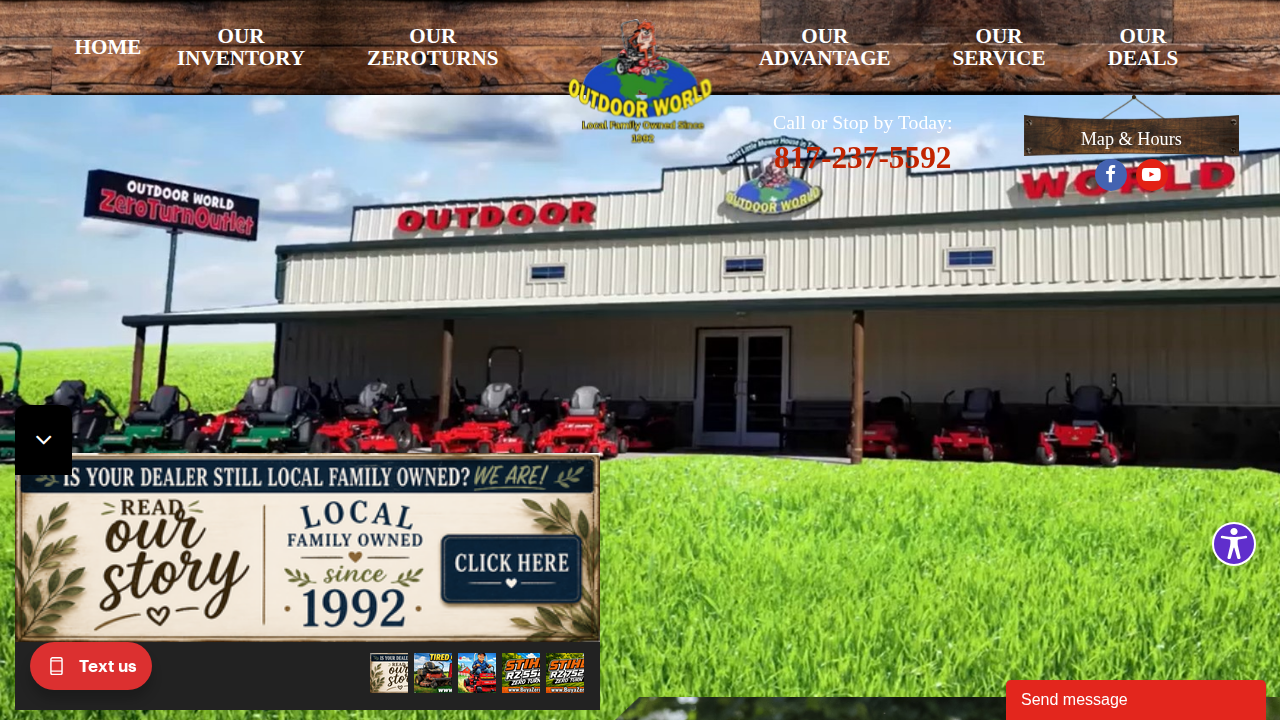
On 06/04/26 0turn.com/ scored 41% — **Below Average** – Overall, the site feels solid in places, but some key signals are either missing or inconsistent, which makes it harder for AI systems to confidently represent the brand.
Executive summary
Score Breakdown (High Level)
- Discoverability: 100% - The site is technically accessible and has solid metadata, but it's missing the sitemaps needed to help search engines fully map out your content.
- Structured Data: 0% - We were unable to find any schema markup or structured data on the homepage or resource pages, which is a major missed opportunity for better brand recognition.
- AI Readiness: 33% - The site is accessible to AI crawlers and provides clear brand context, but a broken XML sitemap and a missing Wikidata entity are currently hindering its discovery by generative engines.
- Performance: 17% - While the page layout is nice and stable, the actual load times and responsiveness are currently trailing behind what we like to see for a smooth mobile experience.
- Reputation: 58% - The site anchors its identity well with homepage social links, but is hampered by significant brand confusion and a lack of verified offsite data in AI training sets.
- LLM-Ready Content: 36% - The content is structured more for human scrolling than AI parsing, lacking specific author credentials and deep, descriptive sections that help search engines categorize your expertise.

The big picture on AI visibility
What stands out most is that the site is readable and brand-focused, but a few core signals that help AI systems confidently identify, interpret, and trust what they’re seeing are either missing or conflicting. In practice, that shows up as clarity and consistency gaps—both in how the brand is recognized offsite and in how the on-page content is structured for quick AI understanding. The next section breaks down the specific areas where those issues showed up, grouped by category so you can see the pattern clearly. None of this is unusual, and once you can see the exact sticking points, it tends to feel a lot more manageable.
Detailed Report
Discoverability
❌ XML sitemap not accessible
What we saw
The sitemap location returned an access error and wasn’t available during the crawl. As a result, the site’s page list couldn’t be confirmed from that source.
Why this matters for AI SEO
When crawlers can’t reliably access a complete page list, important pages may be discovered later or inconsistently. That reduces how confidently AI systems can build a full picture of what the site covers.
Next step
Make sure the sitemap is publicly accessible to crawlers and loads successfully.
❌ No image or video sitemap detected
What we saw
We didn’t find any dedicated image or video sitemap that was accessible on the server. That means media discovery is likely relying on general page crawling alone.
Why this matters for AI SEO
Generative engines often pull supporting context from media (especially product and location-related visuals). If media is harder to discover consistently, it can limit how well AI understands and presents what you offer.
Next step
Add an accessible media sitemap if images or video are a meaningful part of how customers understand your offerings.
Structured Data
❌ No structured data found on the homepage
What we saw
We didn’t detect any schema.org structured data on the homepage in a machine-readable format. That leaves AI systems to infer key details purely from on-page wording and layout.
Why this matters for AI SEO
Structured data helps generative engines interpret your brand and offerings more consistently. Without it, AI may be less confident about what to extract and how to represent your business.
Next step
Add structured data to the homepage so core business details are explicitly defined for crawlers.
❌ No organization-level structured data present
What we saw
Because no structured data was found, we also didn’t see an organization-type layer that clearly defines the business entity. Key identity details weren’t provided in a standardized, machine-readable way.
Why this matters for AI SEO
When organization details aren’t clearly defined, AI systems can mix up brand identity signals—especially when there are similar names or historical associations elsewhere on the web.
Next step
Include organization-level structured data that clearly represents the business entity.
❌ Resource/blog structured data not evaluated
What we saw
A resource or blog URL wasn’t provided, so we couldn’t check whether those pages include structured data. This leaves a gap in understanding how content pages are being presented to AI systems.
Why this matters for AI SEO
Content pages are often what AI systems cite and summarize. If those pages aren’t providing clear machine-readable context, it can reduce how reliably AI understands the “who” and “why” behind the content.
Next step
Provide a representative resource or blog URL for evaluation so content-page signals can be verified.
❌ Structured data couldn’t be validated
What we saw
Because structured data wasn’t present, there was nothing to validate for completeness or correctness. This effectively leaves the site without a standardized layer AI can quickly interpret.
Why this matters for AI SEO
Validation is what ensures AI systems receive consistent, dependable signals. If that layer is missing entirely, brand and page understanding can be more fragile across different generative platforms.
Next step
Add structured data so it can be validated and relied on consistently.
❌ Resource/blog author details not evaluated
What we saw
No resource/blog page was provided, so we couldn’t confirm whether content has a clear, non-generic author. That leaves uncertainty around author attribution on content pages.
Why this matters for AI SEO
AI systems look for clear author identity when summarizing or quoting content. Missing or unverifiable authorship can reduce trust and make the content less likely to be used as a reference.
Next step
Share a resource/blog URL for review so author attribution can be checked.
❌ Author profile connections not verified
What we saw
No author structured data was found, and no resource/blog page was provided to confirm author profile connections. As a result, we couldn’t verify consistent author identity signals.
Why this matters for AI SEO
When author identity isn’t clearly connected across the web, AI systems have a harder time confirming who created the content. That can weaken how confidently content is summarized or attributed.
Next step
Ensure author identity is clearly defined and connected on content pages where authorship matters.
AI Readiness
❌ Sitemap not accessible to AI crawlers
What we saw
The sitemap location referenced for crawling wasn’t accessible and returned an error during evaluation. This prevented confirmation of the site’s full crawl path from that source.
Why this matters for AI SEO
Even when AI crawlers are allowed to access the site, they still need reliable pathways to discover and refresh content. If discovery signals are incomplete, AI visibility tends to be less consistent.
Next step
Make the sitemap accessible so AI crawlers can reliably find and revisit key pages.
❌ Update signals in the sitemap couldn’t be confirmed
What we saw
Because the sitemap was inaccessible, we couldn’t verify whether it includes update information for pages. That means recency signals couldn’t be validated through this channel.
Why this matters for AI SEO
AI systems are more likely to trust and reuse information when they can quickly understand what’s current. If update signals aren’t clear, AI summaries may lag behind what’s actually true today.
Next step
Ensure the sitemap is accessible so page update information can be confirmed.
❌ No Wikidata entity found for the brand
What we saw
We didn’t identify a Wikidata item tied to the brand entity. That leaves a missing “reference point” for consistent brand identification.
Why this matters for AI SEO
Wikidata is one of the places generative systems often use to reconcile brand identity details. Without it, AI may be more likely to confuse your business with similarly named entities or historical domain associations.
Next step
Create or claim a Wikidata entity so brand identity can be referenced consistently.
Performance
❌ Homepage responsiveness lagged during load
What we saw
The homepage showed heavier-than-expected blocking during load, which can make the page feel sluggish before it becomes fully usable.
Why this matters for AI SEO
Slower, less responsive pages can reduce how efficiently content is processed and revisited by crawlers. Over time, that can make it harder for AI systems to consistently pick up the latest on-page context.
Next step
Reduce the load-time blocking so the homepage becomes interactive more quickly.
❌ Main content took a long time to appear
What we saw
The primary content area took a long time to load and become visible. This can delay when both users and crawlers can access the most important on-page information.
Why this matters for AI SEO
If the central content loads very late, AI systems may get a weaker or less consistent read of what the page is about. That can impact how reliably the brand and services are summarized.
Next step
Improve how quickly the core page content becomes visible during load.
❌ Overall homepage performance fell into a poor range
What we saw
The overall performance rating for the homepage landed in a poor range in the evaluation snapshot. This points to a broader load and responsiveness issue beyond any single metric.
Why this matters for AI SEO
When performance is broadly weak, it can affect crawl efficiency and how reliably AI systems can access and interpret your pages at scale.
Next step
Address the biggest contributors to slow load and responsiveness so the homepage performs more reliably.
Reputation
❌ Brand identity is inconsistent across major models
What we saw
Multiple models associated the domain with unrelated companies in different industries, rather than consistently recognizing the current business. The results showed fragmented identity details depending on the model.
Why this matters for AI SEO
If AI systems disagree about who the brand is, they’re less likely to present accurate business details and more likely to generate mismatched summaries.
Next step
Align offsite brand identity signals so models converge on one clear, consistent business profile.
❌ No Wikidata “source of truth” to anchor brand details
What we saw
No matching Wikidata entity was found for the current brand. The report notes this as a contributor to confusion in model-recognized identity.
Why this matters for AI SEO
Without a strong reference entity, AI systems have fewer dependable anchors for name, location, and category—especially when there’s historical or third-party noise tied to the domain.
Next step
Establish a verified brand entity reference that models can use to confirm identity.
❌ Business details didn’t reach consistent consensus
What we saw
The evaluation found that name/domain/address consistency failed because models returned conflicting details, and at least one model that recognized the brand did not include a physical address.
Why this matters for AI SEO
When core business details aren’t consistent, AI answers can become vague, incorrect, or incomplete—especially for location-based queries.
Next step
Strengthen and standardize public-facing business details so they match across major sources.
❌ Review sources weren’t consistently recognized
What we saw
Only one model identified concrete third-party review sources, and there wasn’t broader agreement across models about customer feedback for the current brand identity.
Why this matters for AI SEO
When reviews and reputation signals aren’t clearly tied to the correct brand entity, AI systems may avoid citing them—or may attach them to the wrong identity.
Next step
Improve consistency and clarity of third-party reputation signals tied to the current brand.
LLM-Ready Content
❌ No clear author attribution
What we saw
We didn’t see a visible author name or author bio included with the content. Author identity also wasn’t present in a way that could be picked up from metadata.
Why this matters for AI SEO
Clear authorship helps AI systems assess who is behind the information and how trustworthy it should be. When it’s missing, content can be harder to confidently reuse or cite.
Next step
Add a clear, non-generic author name and supporting author context where the content is published.
❌ Content recency signal didn’t hold up
What we saw
A date was present, but the most recent explicit date found was in early 2024, which didn’t meet the recency requirement in this evaluation.
Why this matters for AI SEO
Generative engines tend to be cautious with older signals when users are looking for “current” details. If freshness isn’t clear, AI summaries may be less confident or less specific.
Next step
Make sure the page communicates a clear, current update signal when the information is maintained.
❌ Sections are too short for strong AI context
What we saw
The page was split into multiple sections, but the sections were very brief on average. That made the content feel more like quick call-outs than fully explained topics.
Why this matters for AI SEO
AI systems do better when each section contains enough context to stand on its own. Very short sections can limit how well a model can summarize, quote, or attribute information accurately.
Next step
Expand key sections so each topic has enough depth to be understood without surrounding page context.
❌ Subheadings aren’t descriptive enough
What we saw
A meaningful portion of the subheadings were short or generic and didn’t clearly preview what the following section explains. This reduces how scannable the content is.
Why this matters for AI SEO
Subheadings act like signposts for AI parsing and summarization. When headings don’t map cleanly to the text that follows, AI has a harder time extracting structured, reliable takeaways.
Next step
Rewrite key subheadings so they clearly describe the section’s topic using specific language.
❌ Key answers don’t show up early in sections
What we saw
Most sections didn’t open with a substantial first paragraph that quickly explains the main point. That makes the content slower to interpret at a glance.
Why this matters for AI SEO
Generative engines often summarize by pulling the clearest early statements of each section. If those are missing, models may produce vaguer summaries or miss important specifics.
Next step
Add clearer opening paragraphs that state the main takeaway early in each important section.
Does Anything Seem Off?
Thanks for taking our free GEO Grader for a spin. When we started this journey, the tool had a fairly long processing time to check everything we wanted both onsite and offsite, so we made a few adjustments on the backend to speed things up. As a result, there are times when the grader may not get everything 100% right. If something feels off, we recommend running the tool a second time to confirm the results. From there, you’re always welcome to reach out to us to schedule a GEO consultation, or to have your SEO provider validate the findings with a more detailed crawl and manual review.
