
Overview:
On 07/26/26 tracourt.com scored 49% — **Below Average** – Overall, the site has some solid fundamentals, but a few clarity and identity gaps are holding back how confidently AI systems can understand and represent it.
Executive summary
Score Breakdown (High Level)
- Discoverability: 100% - The site's basic discovery signals are mostly in good shape, though an empty robots.txt and missing media sitemaps are the two main things that stood out.
- Structured Data: 0% - We weren't able to find any schema markup or structured data on the homepage or resource pages, which is a major missed opportunity for better categorization by generative engines.
- AI Readiness: 33% - The site has a functional sitemap with update dates, but the empty robots.txt and missing brand identity links create gaps in its AI readiness.
- Performance: 50% - Mobile performance is generally stable and responsive, though the initial load time is currently lagging behind the recommended thresholds.
- Reputation: 62% - The brand is currently struggling with a serious identity crisis in AI models that confuse it with previous domain owners, and the lack of onsite social links isn't helping clear things up.
- LLM-Ready Content: 44% - The page provides good baseline trust signals like author and date info, but the content is too fragmented and contains conflicting business descriptions that could confuse AI engines.

The main takeaway at a glance
The big picture is that a few core clarity signals are missing, and that’s making it harder for AI systems to confidently identify the brand and summarize what the site offers. Most of the gaps read less like “something is wrong” and more like the site isn’t giving consistent, unambiguous context in the places AI tends to look first. The detailed breakdown below walks through the specific areas where information was missing, unclear, or contradictory. Once those are addressed, it’s typically much easier to get to a more stable and predictable presence in AI-driven results.
Detailed Report
Discoverability
❌ Crawlers aren’t clearly allowed
What we saw
A robots.txt file was found, but it was empty, which makes crawler access look unclear in this evaluation.
Why this matters for AI SEO
If access rules look ambiguous, AI and search systems may be more cautious about what they crawl and rely on, which can reduce confidence in what they learn from the site.
Next step
Add a clear, explicit robots.txt policy that reflects how you want reputable crawlers to access the site.
❌ Visual content discoverability signals missing
What we saw
We didn’t find dedicated image or video sitemaps in the provided data.
Why this matters for AI SEO
When visual content isn’t clearly surfaced, it’s easier for AI-driven search and assistants to overlook images and videos that could reinforce what you do and how you should be represented.
Next step
Publish and reference dedicated image and/or video sitemaps so visual assets are easier to discover.
Structured Data
❌ No structured data found on the homepage
What we saw
We didn’t detect any valid schema markup on the homepage.
Why this matters for AI SEO
Without structured data, AI systems have to infer key details about your business from page text alone, which increases the chances of ambiguity or misclassification.
Next step
Add homepage schema markup that clearly describes your business and what the site represents.
❌ Missing organization-type schema
What we saw
No organization-related schema (like Organization or LocalBusiness) was found on the homepage.
Why this matters for AI SEO
Organization-level details help AI engines connect your brand name, category, and identity into one consistent “entity,” which supports more accurate mentions and citations.
Next step
Include organization-type schema that anchors the brand name and core identity details.
❌ Resource/blog structured data couldn’t be evaluated
What we saw
A blog/resource page HTML wasn’t provided in the data, so we couldn’t confirm whether structured data is used on content pages.
Why this matters for AI SEO
Content pages are often what AI systems summarize and cite, so missing or unverifiable structure there can reduce how reliably your content is understood.
Next step
Make sure blog/resource pages are available for review and include structured data where appropriate.
❌ “No major schema errors” check failed due to no schema present
What we saw
Because no schema exists, there wasn’t anything to validate for correctness, which results in a failure under this evaluation.
Why this matters for AI SEO
This effectively means AI engines don’t get a clean, structured source of truth for key business details.
Next step
Add schema markup and validate that it’s readable and consistent across key pages.
❌ Author information couldn’t be confirmed on a resource/blog post
What we saw
No author could be identified because the resource/blog page data wasn’t available in this run.
Why this matters for AI SEO
Clear authorship helps AI systems judge credibility and attribute content correctly, especially for informational content.
Next step
Ensure resource/blog posts clearly identify the author and that the page can be evaluated.
❌ Author “sameAs” links couldn’t be confirmed
What we saw
No author schema or “sameAs” links were found because the resource/blog page wasn’t available.
Why this matters for AI SEO
Identity links help connect a writer to their broader presence, which can increase confidence in who created the content.
Next step
Add author details (including sameAs links) on content pages where authorship is shown.
AI Readiness
❌ AI crawler access looks unclear
What we saw
The robots.txt file was found but empty, which triggers a failure for AI crawler readiness in this evaluation.
Why this matters for AI SEO
When access rules aren’t clearly stated, AI systems may be less consistent about crawling and re-checking the site.
Next step
Publish a clear robots.txt file that explicitly states your intended access rules.
❌ Brand context isn’t clearly discoverable from the homepage
What we saw
We didn’t detect an internal homepage link that clearly points to an About/company/brand context page.
Why this matters for AI SEO
AI systems look for straightforward brand context to confirm who you are and what you do, especially when there’s any ambiguity elsewhere online.
Next step
Make sure the homepage clearly links to a dedicated brand context page (like an About page).
❌ No Wikidata entity detected
What we saw
A Wikidata item ID wasn’t present in the provided data.
Why this matters for AI SEO
Wikidata can act as a widely referenced identity anchor that helps AI systems consistently recognize and describe a brand.
Next step
Create or claim a Wikidata entity for the brand and connect it to your official identity details.
Performance
❌ Main content is slow to appear on mobile
What we saw
The primary page content took longer than expected to fully show for mobile users, and it was flagged as poor in the evaluation.
Why this matters for AI SEO
If the main content is slow to load, it can reduce how reliably systems fetch and process the page, and it can also weaken user engagement signals that often correlate with visibility.
Next step
Reduce what delays the first meaningful content from appearing on mobile so the core message shows up faster.
Reputation
❌ Brand identity is inconsistent across AI sources
What we saw
Different AI model responses associated the domain with unrelated brands (including a French shoe brand and a Portuguese telecom company) instead of the current marketing firm.
Why this matters for AI SEO
When AI systems don’t agree on who the brand is, they’re more likely to misattribute your services, mix up facts, or avoid citing you confidently.
Next step
Align the brand’s core identity signals across the web so AI systems converge on one clear entity.
❌ No Wikidata presence to anchor identity
What we saw
No Wikidata entity was found for the brand, and there were no official identity anchors available there.
Why this matters for AI SEO
Without a strong, shared reference point, AI systems have a harder time resolving name collisions and confirming “this brand is that brand.”
Next step
Establish a Wikidata entity and connect it to your official brand identifiers.
❌ Social profile identity is conflicting
What we saw
Models surfaced different, unrelated social profiles rather than converging on one clear set of official accounts.
Why this matters for AI SEO
Conflicting social signals make it harder for AI systems to verify that your brand is active and legitimate, which can affect trust and accuracy.
Next step
Make sure your official social profiles are consistently presented and easy to confirm.
❌ Homepage doesn’t link to official social profiles
What we saw
We didn’t find direct homepage links to major social platforms (like LinkedIn, Facebook, X, or Instagram) in the homepage HTML.
Why this matters for AI SEO
Onsite links to official profiles give AI systems a simple way to verify which accounts are real and connected to the brand.
Next step
Add clear homepage links to the brand’s official social profiles.
LLM-Ready Content (Blog Analysis)
Heads up: this section looks at one article as a snapshot, so it’s a little more interpretive than the rest of the report and may shift slightly from run to run. Have questions? Just shoot us an email at hello@v9digital.com
❌ Content isn’t chunked into AI-friendly sections
What we saw
Most sections were very short and didn’t provide enough substance for a system to comfortably summarize each part on its own.
Why this matters for AI SEO
When content is fragmented, AI models have a harder time extracting clean takeaways, which can lead to thin or incomplete summaries.
Next step
Rewrite the article so each section contains a complete, self-contained explanation of the point it’s trying to make.
❌ No table used where structured information is implied
What we saw
No HTML table was found, and information that reads like structured data (such as pricing) was presented using generic layout blocks.
Why this matters for AI SEO
Clearly structured information is easier for AI systems to interpret, compare, and restate accurately.
Next step
Present any naturally structured info (like pricing or plan comparisons) in a clearly organized, structured format.
❌ Subheadings are mostly too short or generic
What we saw
Many subheadings were brief labels (for example, “Services” or “Policies”) and didn’t clearly describe the specific takeaway of the section.
Why this matters for AI SEO
Descriptive headings act like signposts for AI systems, helping them map what each section means and pull the right snippets.
Next step
Update headings so they describe the actual point of each section in plain language.
❌ Key answers don’t show up early enough
What we saw
Several sections didn’t start with a clear opening explanation that quickly tells the reader (and an AI system) what the section is about.
Why this matters for AI SEO
AI systems often rely on early context to classify and summarize content; if it’s buried, summaries can be vague or off-target.
Next step
Lead each major section with a clear, direct opening that states the main point upfront.
❌ Readability and consistency issues
What we saw
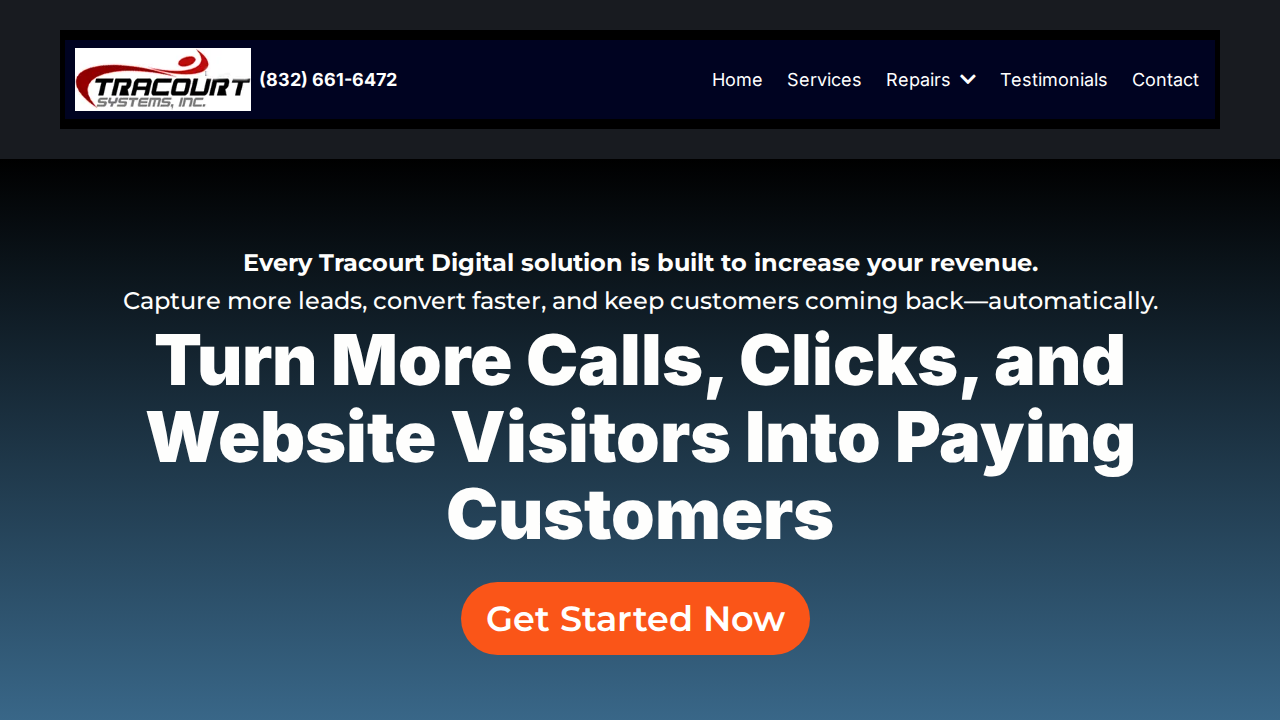
The content includes multiple unexplained acronyms (like CRM, SMS, SEO, GDPR, IP) and also contains a contextual contradiction where the footer references garage door repair while the main content focuses on digital marketing automation.
Why this matters for AI SEO
Unexplained jargon and contradictory context can confuse AI models about the topic and brand, which can reduce trust and accuracy in how your content gets reused.
Next step
Clarify acronyms on first mention and remove or fix any on-page messaging that conflicts with the page’s main topic.
Does Anything Seem Off?
Thanks for taking our free GEO Grader for a spin. When we started this journey, the tool had a fairly long processing time to check everything we wanted both onsite and offsite, so we made a few adjustments on the backend to speed things up. As a result, there are times when the grader may not get everything 100% right. If something feels off, we recommend running the tool a second time to confirm the results. From there, you’re always welcome to reach out to us to schedule a GEO consultation, or to have your SEO provider validate the findings with a more detailed crawl and manual review.
