
Overview:
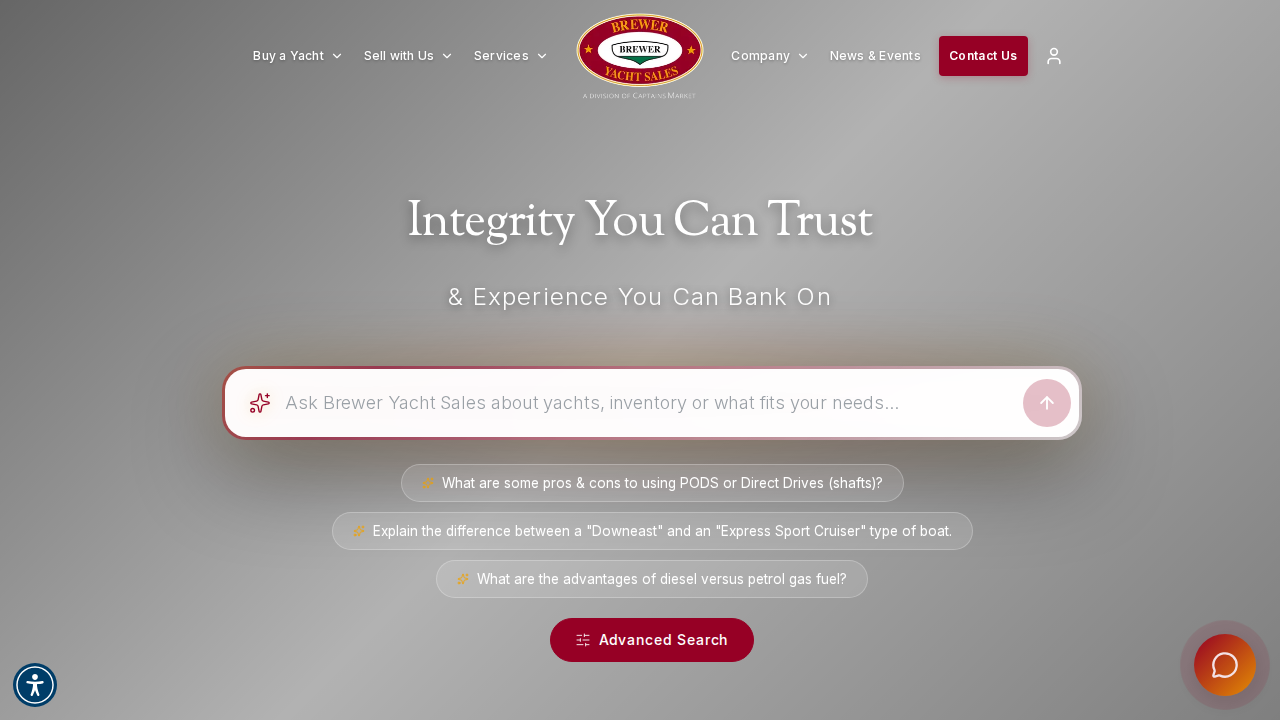
On 07/03/26 breweryacht.com/ scored 58% — **Fair** – Overall, the site shows a solid base, but a few visibility and trust signals aren’t coming through clearly yet.
Executive summary
Score Breakdown (High Level)
- Discoverability: 100% - The site's discoverability is generally in excellent shape, though adding specialized image or video sitemaps would help round things out.
- Structured Data: 58% - The homepage is in good shape with solid organization and business schema, but we didn't see any structured data or author credentials for the resource pages in the data provided.
- AI Readiness: 67% - The site’s technical foundation is in great shape for AI crawlers, though we didn't find a Wikidata entity to help anchor the brand’s identity.
- Performance: 50% - The site shows strong layout stability and responsiveness, but the initial loading speed on mobile is significantly slower than the recommended threshold.
- Reputation: 35% - The brand's reputation score is primarily limited by a lack of offsite recognition and verified third-party signals, despite having a clean record regarding negative feedback.
- LLM-Ready Content: 60% - The page structure is generally solid and readable for AI systems, though it lacks a specific author and more descriptive subheadings to maximize recognition.

The main takeaway at a glance
What stands out most is that the onsite foundation is generally coherent, but a few key “who you are” and “why trust you” signals aren’t showing up consistently outside the site. The gaps here are mostly about clarity and confirmation rather than anything being outright wrong. The next sections break down the specific areas where the evaluation couldn’t find strong enough signals, grouped by category so you can see the pattern. Overall, this is a manageable set of issues once you know exactly where the missing signals are.
Detailed Report
Discoverability
❌ No image or video sitemap found
What we saw
We didn’t find an image sitemap or video sitemap in the usual locations, and we didn’t see one referenced in the available data. That makes it harder to confirm that visual assets are being surfaced in a consistent, structured way.
Why this matters for AI SEO
Generative engines rely on clear, organized signals to understand and reuse visual inventory confidently. When those signals aren’t present, your images and videos can be easier to miss or misinterpret.
Next step
Add and publish an image and/or video sitemap and make sure it’s referenced where crawlers can reliably find it.
Structured Data
❌ Resource/blog structured data couldn’t be verified
What we saw
The resource/blog page HTML wasn’t provided for review, so we couldn’t confirm whether those pages include structured signals that describe the content. As a result, this area reads as “unknown” from the evaluation snapshot.
Why this matters for AI SEO
When AI systems can’t clearly interpret what a resource page is (and how it relates to the broader site), they’re more likely to downweight it or summarize it less accurately. Clear page-level context helps reduce ambiguity.
Next step
Make sure your resource/blog pages expose clear structured context that identifies what each page is and what it’s about.
❌ Blog/resource posts don’t show a clear individual author
What we saw
Because no resource/blog page was provided, we couldn’t identify a non-generic individual author for that content. There wasn’t enough information to confirm who wrote the article(s).
Why this matters for AI SEO
Author clarity helps AI engines decide what to trust and who to attribute expertise to. When authorship isn’t clearly established, it can reduce how confidently the content is used or cited.
Next step
Ensure each resource/blog article has a clearly identified individual author that can be consistently recognized.
❌ Author profiles aren’t connected to consistent identity links
What we saw
No author schema was available to review, so we couldn’t confirm any identity links that connect the author to other trusted profiles. This leaves the author’s broader footprint unclear.
Why this matters for AI SEO
AI systems tend to trust people more when they can reconcile identity across multiple places. Without those connections, it’s harder for them to feel confident about who the author is.
Next step
Connect each author to consistent identity profiles so AI systems can better reconcile who they are across the web.
AI Readiness
❌ No Wikidata entity found for the brand
What we saw
We didn’t see a Wikidata item ID associated with the brand in the available data. From this snapshot, that entity connection appears to be missing.
Why this matters for AI SEO
Wikidata is one of the places AI systems often use to confirm “who is who” for a brand. When it’s missing, brand understanding can be less consistent across generative answers.
Next step
Create or claim a Wikidata entry for the brand and ensure it clearly maps back to the official business identity.
Performance
❌ Main content takes too long to appear on mobile
What we saw
The mobile homepage took a long time before the primary content fully appeared. In practical terms, the first meaningful “this is the page” moment is delayed.
Why this matters for AI SEO
Slow initial loading can reduce how reliably pages get processed and revisited, and it can also weaken the user experience signal that supports trust and engagement. When content appears late, it increases the chance that crawlers and users don’t get the full picture.
Next step
Improve the mobile homepage’s initial load so the main content becomes visible much earlier.
Reputation
❌ Brand recognition isn’t consistent across models
What we saw
Most models were not able to identify the company with confidence based on the available signals. Recognition did not reach a consistent consensus.
Why this matters for AI SEO
If AI systems can’t reliably recognize your brand, it’s harder for them to include you in relevant comparisons, recommendations, or summaries. Inconsistent recognition can also lead to incomplete or hesitant answers.
Next step
Strengthen the brand’s offsite footprint so independent sources reinforce who you are and what you do.
❌ Business identity details aren’t consistently confirmed
What we saw
The evaluation showed missing consensus around official name and address, with conflicting identity details appearing across sources/models versus site metadata. That makes the “official” business profile feel blurry.
Why this matters for AI SEO
Generative engines lean on consistent identity details to avoid misattributing businesses or mixing entities. When details don’t line up cleanly, visibility can drop in favor of brands with clearer confirmation.
Next step
Make sure the brand’s official name and core business details are consistently represented across the web.
❌ No matching Wikidata entity was found
What we saw
No Wikidata entity was identified for the brand during the reputation evaluation. This leaves a common third-party identity reference point unavailable.
Why this matters for AI SEO
Wikidata can act like a neutral “identity hub” that helps AI engines disambiguate brands. Without it, systems may struggle to confirm your legitimacy compared to better-documented peers.
Next step
Establish a Wikidata entity for the brand that clearly aligns with your official business identity.
❌ Wikidata identity anchors weren’t present
What we saw
No official website or other clear identifiers were found in Wikidata records for the brand in this snapshot. That means even if an entity exists later, it may not be well-anchored.
Why this matters for AI SEO
Identity anchors help AI systems tie third-party listings back to the correct official brand. Without them, it’s easier for engines to hesitate or pick the wrong reference.
Next step
Ensure the brand’s third-party identity sources include strong official anchors that point back to the correct website and profiles.
❌ Third-party reviews weren’t clearly identified
What we saw
Verified third-party reviews or customer feedback were not identified by the majority of models in the research snapshot. This reads like a lack of visible external validation.
Why this matters for AI SEO
Reviews are one of the easiest ways for AI engines to gauge real-world trust and satisfaction. When they’re hard to find, it can reduce confidence in recommending the brand.
Next step
Build and surface credible third-party customer feedback that AI systems can consistently reference.
❌ Review sources weren’t concrete
What we saw
Even where reviews were discussed, the evaluation didn’t find concrete, consistently cited sources by consensus. In other words, the “proof point” is hard to pin down.
Why this matters for AI SEO
AI systems generally prefer claims that can be traced to clear sources. When sources aren’t concrete, reviews may be ignored or treated cautiously.
Next step
Make sure reviews and testimonials are tied to specific, recognizable third-party sources.
❌ Official social profiles weren’t consistently confirmed
What we saw
Models did not reach consensus on which social profiles are officially associated with the brand. That creates ambiguity around which accounts are “the real ones.”
Why this matters for AI SEO
Official social profiles are common trust and identity signals for generative engines. If they can’t confirm them reliably, it weakens entity confidence and attribution.
Next step
Clarify and reinforce which social profiles are official so they’re consistently recognized across sources.
❌ Independent press coverage wasn’t found
What we saw
No independent press mentions were identified in the research packet. From this snapshot, there’s little third-party editorial validation.
Why this matters for AI SEO
Independent coverage can act as a strong credibility signal that AI engines use when deciding which brands to reference. Without it, you’re more reliant on self-published context.
Next step
Earn and document credible third-party coverage that reinforces brand legitimacy.
❌ Owned press or announcements weren’t detected
What we saw
The evaluation did not identify owned press releases or onsite media mentions by model consensus. That reduces the amount of “official narrative” content available for summarization.
Why this matters for AI SEO
A consistent stream of official announcements can help AI engines understand what’s new, notable, and verifiable about a brand. Without it, brand context can feel thinner and easier to overlook.
Next step
Maintain a clear, easily referenceable record of official announcements and media mentions on your site.
LLM-Ready Content (Blog Analysis)
Heads up: this section looks at one article as a snapshot, so it’s a little more interpretive than the rest of the report and may shift slightly from run to run. Have questions? Just shoot us an email at hello@v9digital.com
❌ No clear individual author attributed to the article
What we saw
We didn’t see a visible author name or an author identity referenced in a way that clearly ties this article to a specific person. From an AI standpoint, the content reads as uncredited.
Why this matters for AI SEO
Clear authorship helps AI systems assess expertise and attribute claims more confidently. When the author is missing, the content may be treated as less authoritative or harder to cite.
Next step
Add a clear, non-generic author attribution that’s consistently attached to the article.
❌ No table used to summarize key information
What we saw
We didn’t find any table elements on the page. That means there isn’t a compact, scan-friendly summary format for the main comparisons or takeaways.
Why this matters for AI SEO
AI systems tend to extract and reuse structured summaries more cleanly than long-form prose alone. When a page lacks a concise summary format, key details can be harder to pull through accurately.
Next step
Include a simple table that summarizes the most important comparisons or decision points from the article.
❌ Subheadings are often too short or generic
What we saw
Several subheadings appear to be brief or not specific enough to clearly signal what each section is about. As a result, the page’s topic map is less obvious at a glance.
Why this matters for AI SEO
Subheadings are one of the quickest ways for AI systems to understand structure and pinpoint relevant sections to quote. Generic headings can reduce retrieval accuracy and make summaries less specific.
Next step
Rewrite subheadings so they’re more descriptive and clearly aligned with the section content.
Does Anything Seem Off?
Thanks for taking our free GEO Grader for a spin. When we started this journey, the tool had a fairly long processing time to check everything we wanted both onsite and offsite, so we made a few adjustments on the backend to speed things up. As a result, there are times when the grader may not get everything 100% right. If something feels off, we recommend running the tool a second time to confirm the results. From there, you’re always welcome to reach out to us to schedule a GEO consultation, or to have your SEO provider validate the findings with a more detailed crawl and manual review.
