
Overview:
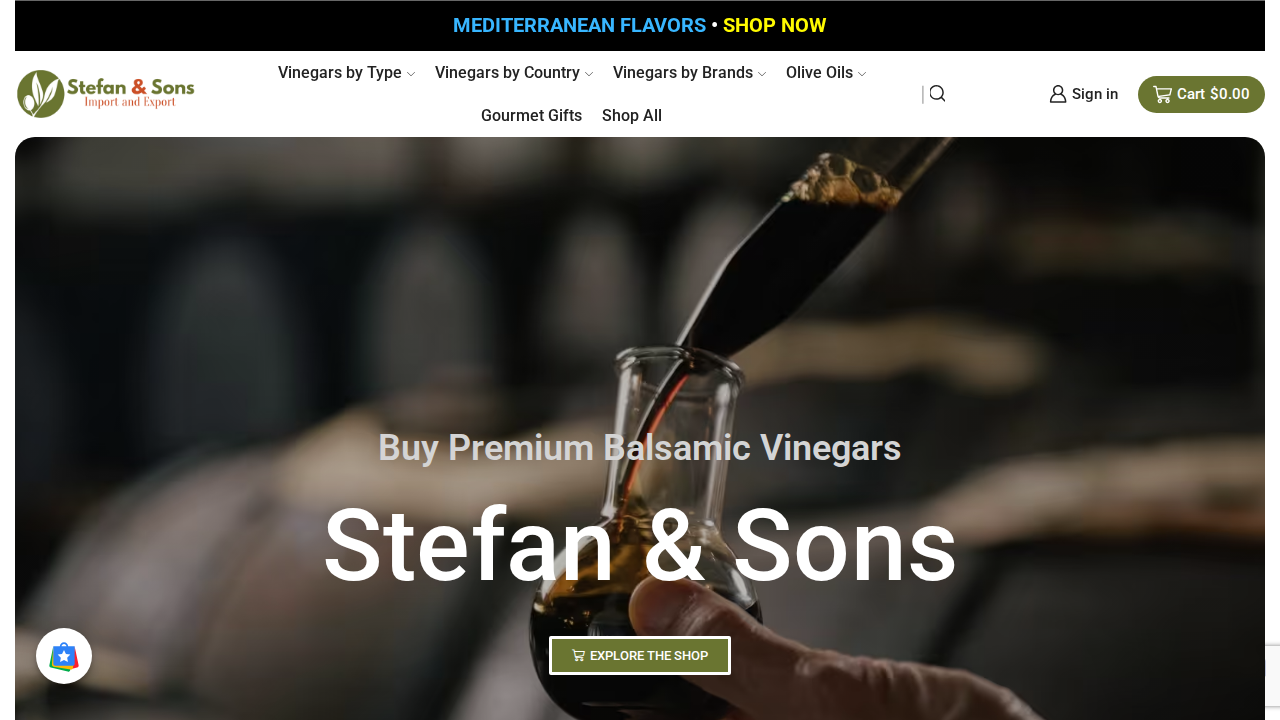
On 07/06/26 stefanandsons.com/ scored 48% — **Below Average** – Overall, the site has a solid base for being found, but a few key visibility and credibility signals aren’t coming through clearly yet.
Executive summary
Score Breakdown (High Level)
- Discoverability: 92% - The site's technical discoverability is mostly solid with all core signals present, though it lacks specialized sitemaps for images and video.
- Structured Data: 75% - The site has a very clean technical structured data foundation, though it is currently missing specific author attribution and social proof links on its resource pages.
- AI Readiness: 67% - The site is technically well-prepared for AI crawlers and has a solid content structure, though it lacks a Wikidata presence to anchor its brand entity.
- Performance: 28% - Mobile performance is a bit of a mixed bag, as we saw solid layout stability but ran into some heavy delays with loading and responsiveness on the homepage.
- Reputation: 46% - Missing structured identity data and the lack of a Wikidata profile are the main gaps in an audit that otherwise shows healthy social and review signals.
- LLM-Ready Content: 16% - The site's shop page lacks the basic structural elements like authors, dates, and descriptive headings that help AI systems understand and trust content.

What stands out most overall
The big picture is that the site is generally easy to find, but some of the signals that help AI feel confident about “who” is behind the content and “how” to interpret it are coming through unevenly. A lot of what’s missing isn’t about doing something wrong—it’s more that key context isn’t being made obvious or verifiable. The breakdown below walks through the specific areas where those gaps showed up so you can see exactly what’s holding visibility back. None of this is unusual, and it’s all the kind of stuff that’s very fixable once it’s clearly mapped.
Detailed Report
Discoverability
❌ Image or video sitemap not found
What we saw
We didn’t see any dedicated support for helping platforms find and understand your visual content (images or video) as part of discovery.
Why this matters for AI SEO
Generative engines and modern search experiences often pull from visual assets, and when those assets aren’t easy to discover, they’re less likely to show up in results or summaries.
Next step
Add a dedicated discovery path for image and/or video assets so visual content is easier to find and surface.
Structured Data
❌ Resource/blog content has no clear author
What we saw
On the resource page we reviewed, we couldn’t find a clearly identified, non-generic author either on the page itself or in the structured signals attached to it.
Why this matters for AI SEO
When AI systems can’t reliably connect content to a real creator, it’s harder for them to judge credibility and confidently reuse or reference the information.
Next step
Make the author clearly attributable on the resource/blog content you want AI to trust and reference.
❌ Author profile links weren’t found
What we saw
We didn’t find any author-related profile links that connect the creator to other trusted places they’re known online.
Why this matters for AI SEO
Those connections help generative engines verify who the creator is, reduce ambiguity, and strengthen trust in the content’s origin.
Next step
Connect the identified author to their established external profiles so systems can verify the same person across the web.
AI Readiness
❌ No Wikidata entity found for the brand
What we saw
We didn’t find a Wikidata entity associated with the brand.
Why this matters for AI SEO
Without a clear, widely recognized entity reference, it’s harder for AI systems to confirm “who you are” as a distinct brand and tie your site to consistent brand information.
Next step
Establish a clear brand entity reference that generative engines can use as a reliable source of truth.
Performance
❌ Homepage responsiveness felt laggy
What we saw
The homepage showed significant lag in responsiveness, suggesting interactions may feel delayed for users.
Why this matters for AI SEO
When the experience feels sluggish, it can reduce engagement and make it harder for systems to view the page as a strong candidate to recommend or summarize.
Next step
Reduce the sources of interaction lag on the homepage so it feels snappier, especially on mobile.
❌ Homepage main content loaded slowly
What we saw
The primary content on the homepage took longer than expected to load into view.
Why this matters for AI SEO
Slow loading can weaken the overall user experience, which can indirectly limit how often your pages are surfaced and trusted in AI-driven discovery.
Next step
Improve how quickly the homepage’s main content becomes visible to users.
Reputation
❌ Brand recognition across models couldn’t be confirmed
What we saw
We weren’t able to confirm whether the brand is consistently recognized across multiple AI models based on the information available in the results.
Why this matters for AI SEO
If recognition is unclear, generative engines may be less confident when deciding whether to mention the brand or treat it as a known entity.
Next step
Strengthen and document consistent brand presence signals so recognition is easier to validate.
❌ Brand identity consistency couldn’t be validated
What we saw
The results didn’t provide enough confirmed information to verify that core brand identity details are consistently represented.
Why this matters for AI SEO
When identity signals aren’t consistently validated, AI systems may hesitate or merge your brand with similar entities, which can dilute visibility.
Next step
Make sure the brand’s key identity details are consistently represented across the places that matter.
❌ A matching Wikidata entry wasn’t confirmed
What we saw
We couldn’t confirm a matching Wikidata entity for the brand from the available results.
Why this matters for AI SEO
A verified entity reference can help generative engines resolve ambiguity and confidently connect your brand to accurate background information.
Next step
Work toward having a verified brand entity reference that matches and supports your public identity.
❌ Official identity anchors weren’t confirmed
What we saw
We didn’t see confirmed “official” identity anchors tied back to a recognized entity reference in the results.
Why this matters for AI SEO
Clear official anchors help AI systems verify the brand’s canonical identity and avoid pulling conflicting details from elsewhere.
Next step
Ensure your brand has clear, official identity anchors that can be verified consistently.
❌ Review sources couldn’t be verified as concrete
What we saw
While third-party reviews appear to exist, the results didn’t provide enough confirmed detail to validate the review sources as concrete and countable.
Why this matters for AI SEO
Generative engines tend to trust reputation signals more when they can confidently identify and attribute them to specific, verifiable sources.
Next step
Make it easier to verify where reviews live by clearly surfacing and consistently referencing the sources.
❌ Consensus on major social profiles couldn’t be confirmed
What we saw
The available results didn’t confirm whether there’s consistent agreement on which social profiles are the brand’s primary ones.
Why this matters for AI SEO
When official profiles aren’t consistently confirmed, AI systems may cite the wrong account—or avoid citing one at all.
Next step
Clarify and consistently reinforce which social profiles represent the official brand presence.
❌ Independent press or coverage wasn’t confirmed
What we saw
We couldn’t confirm any independent, offsite press or coverage from the information provided in the results.
Why this matters for AI SEO
Independent coverage can act as a credibility shortcut for generative engines, since it shows third parties consider the brand notable enough to reference.
Next step
Build and document credible third-party mentions that are easy to verify and attribute.
❌ Onsite press or press releases weren’t found
What we saw
We didn’t see evidence of owned onsite press content (like press releases) reflected in the results.
Why this matters for AI SEO
A clear owned narrative helps AI systems understand what the brand wants to be known for and gives them reliable context to reference.
Next step
Create and maintain a clear owned place for press-style updates that reinforces the brand story.
LLM-Ready Content (Blog Analysis)
Heads up: this section looks at one article as a snapshot, so it’s a little more interpretive than the rest of the report and may shift slightly from run to run. Have questions? Just shoot us an email at hello@v9digital.com
❌ No clear author listed
What we saw
We didn’t see an author called out on the page, and we also couldn’t find author attribution in the structured signals tied to the page.
Why this matters for AI SEO
If AI systems can’t tell who created the content, they have a harder time assessing authority and deciding whether to reuse it in responses.
Next step
Add a clear, non-generic author attribution to the page.
❌ No publish or update date found
What we saw
We didn’t see a publish date or an updated date in the visible content or in page metadata.
Why this matters for AI SEO
Without dates, AI systems can’t easily judge freshness, which can reduce trust—especially for content that could change over time.
Next step
Add a clearly visible publish date and/or last updated date.
❌ Freshness couldn’t be verified
What we saw
Because no update date was found, we couldn’t verify whether the page has been refreshed recently.
Why this matters for AI SEO
When freshness is unclear, generative engines may be more cautious about pulling in details or treating the content as up to date.
Next step
Include an update date when the content is refreshed so recency is easy to confirm.
❌ Content isn’t chunked into readable sections
What we saw
The page didn’t include a clear section structure, so the content reads more like one continuous block than a set of scannable segments.
Why this matters for AI SEO
LLMs tend to understand and reuse content more reliably when it’s organized into distinct sections with clear boundaries.
Next step
Restructure the page into clearly separated sections so the main ideas are easier to parse.
❌ No HTML table detected (bonus)
What we saw
We didn’t see an HTML table used anywhere on the page.
Why this matters for AI SEO
Tables can make key details easier for AI systems to extract accurately, especially when comparing products, options, or specs.
Next step
Where it fits naturally, add a simple table to present key details in a structured way.
❌ Subheadings weren’t descriptive
What we saw
Because the page didn’t have a clear section structure, it also didn’t offer descriptive subheadings that summarize what each part is about.
Why this matters for AI SEO
Clear subheadings help AI quickly identify the best chunk to cite when answering a specific question.
Next step
Add descriptive subheadings that reflect the questions or themes each section addresses.
❌ Key answers didn’t appear early
What we saw
With no clear sections to evaluate, the page didn’t surface key takeaways early in a way that’s easy to scan.
Why this matters for AI SEO
Generative engines often prioritize content that gets to the point quickly and makes primary answers easy to extract.
Next step
Make sure the page surfaces its main takeaways near the top in a clear, easy-to-lift format.
Does Anything Seem Off?
Thanks for taking our free GEO Grader for a spin. When we started this journey, the tool had a fairly long processing time to check everything we wanted both onsite and offsite, so we made a few adjustments on the backend to speed things up. As a result, there are times when the grader may not get everything 100% right. If something feels off, we recommend running the tool a second time to confirm the results. From there, you’re always welcome to reach out to us to schedule a GEO consultation, or to have your SEO provider validate the findings with a more detailed crawl and manual review.
