
Overview:
On 04/20/26 Appliancerepairguy.net scored 50% — **Below Average** – Overall, the site comes through as legitimate and serviceable, but a few clarity and trust gaps make it harder for AI to confidently summarize and recommend.
Executive summary
Score Breakdown (High Level)
- Discoverability: 100% - The site is technically accessible and has a standard XML sitemap, though it lacks descriptive alt text for images and specialized media sitemaps.
- Structured Data: 33% - The site has a basic schema foundation, but it’s missing critical organization-level details and resource-specific markup that help establish authority.
- AI Readiness: 50% - The technical basics like sitemaps and crawler access are looking good, but we didn't find a Wikidata entry or a direct link to an About page.
- Performance: 50% - While the site is responsive and visually stable, the main content takes far too long to load on mobile devices.
- Reputation: 50% - The brand is recognized by AI models and has active social links, but a negative client flag on the BBB and conflicting address data are holding back the overall reputation score.
- LLM-Ready Content: 32% - The page establishes good authority by identifying the owner and a clear update date, but the content is too sparse and fragmented for AI systems to easily extract detailed information.

The big picture at a glance
What stands out most is that the site is readable and generally understandable, but a few missing cues make it harder for AI to confidently pin down the brand and reuse the content. These aren’t “errors” so much as places where the story is thinner than it needs to be for modern AI-driven discovery. Below, we’ll walk through the specific areas where the signals were unclear or absent, organized by category. Once you see them laid out, the path forward tends to feel pretty manageable.
Detailed Report
Discoverability
❌ Images lack descriptive text
What we saw
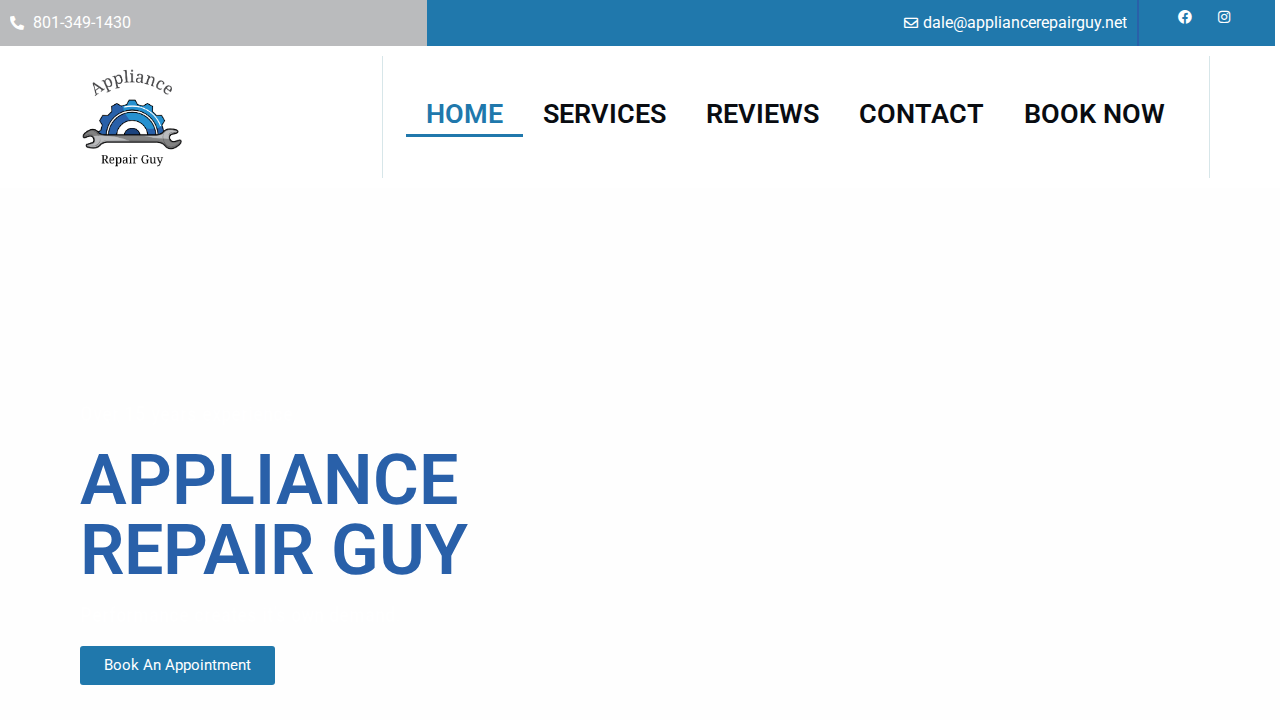
Images were detected on the homepage, but their descriptive text was empty. That means the visuals don’t add much meaning for systems that rely on text to interpret what’s on the page.
Why this matters for AI SEO
When AI and search systems can’t “read” what images represent, they lose helpful context about your services, brand, and on-page emphasis. That can reduce how confidently your page can be summarized or shown for relevant needs.
Next step
Add clear, specific descriptions to key homepage images so the visuals reinforce what the page is about.
❌ Media discovery support is missing
What we saw
We didn’t find a dedicated way for search systems to specifically discover and interpret your images or videos at scale. As a result, your media may be less likely to show up in the places people browse visually.
Why this matters for AI SEO
AI-driven experiences often pull supporting visuals and rich results from sources they can reliably enumerate and understand. If media discovery is limited, your brand can lose visibility in those contexts.
Next step
Add a dedicated discovery path for your image/video assets so they’re easier to find and surface.
Structured Data
❌ Business identity markup is missing
What we saw
While some structured info was present, we didn’t find clear business-identity labeling (like an Organization or LocalBusiness-type identifier) on the homepage. That leaves your “who we are” signals less explicit than they could be.
Why this matters for AI SEO
AI systems lean on explicit identity cues to connect your site to a real-world entity and describe it accurately. When those cues are thin, it’s easier for systems to misinterpret or under-specify your brand.
Next step
Add clear business identity information that explicitly defines the organization behind the site.
❌ Resource/blog page couldn’t be evaluated
What we saw
A resource or blog page wasn’t available to review here, so we couldn’t confirm whether those pages include the same clarity signals as the homepage. That leaves a blind spot around how well supporting content communicates context.
Why this matters for AI SEO
AI systems frequently pull answers from supporting articles, not just the homepage. If those pages aren’t consistently structured and attributable, the site can feel less dependable as a source.
Next step
Provide a representative resource/blog URL for review so the content-level signals can be verified.
❌ Author clarity on resource/blog content couldn’t be confirmed
What we saw
Because the resource/blog page wasn’t provided, we couldn’t verify whether articles clearly name a real author rather than using generic attribution. This makes it harder to assess whether expertise is clearly represented on content pages.
Why this matters for AI SEO
When authorship is unclear, AI systems have fewer trust cues for “who is speaking” and whether the content is grounded in real experience. That can reduce how confidently the content is reused or cited.
Next step
Ensure resource/blog pages include clear, non-generic author attribution that can be reviewed.
❌ Author identity links couldn’t be confirmed
What we saw
We weren’t able to confirm whether author profiles include external identity references (often listed as “sameAs” links) because the resource/blog page wasn’t provided. That leaves author identity less verifiable in this snapshot.
Why this matters for AI SEO
Identity references help AI systems connect people and brands across the web in a consistent way. Without those connections, it’s harder for systems to build confidence in who created the content.
Next step
Make sure author profiles (where applicable) include consistent external identity references that can be validated.
AI Readiness
❌ Brand context isn’t clearly discoverable from the homepage
What we saw
We didn’t see a dedicated brand context page linked from the homepage (like an About, Company, or Team page). That means someone—or an AI system—has fewer obvious paths to learn who’s behind the business.
Why this matters for AI SEO
AI summaries tend to be more accurate when a site clearly spells out its identity and background in one place. If that context is hard to find, AI may provide shorter, vaguer descriptions of the brand.
Next step
Add a clear, dedicated brand context page and make it easy to find from the homepage.
❌ No Wikidata entity was found for the brand
What we saw
We didn’t find a Wikidata entity associated with the business. This is common, but it does mean there’s one fewer standardized “identity anchor” in the broader ecosystem.
Why this matters for AI SEO
AI systems often cross-check entity information across known public sources. When a widely recognized entity record doesn’t exist, it can be harder for systems to verify details with high confidence.
Next step
Create and connect a consistent public entity record for the brand so AI systems have a stable reference point.
Performance
❌ The main page content loads slowly at first
What we saw
The primary “above the fold” content took a long time to fully appear on mobile. In practice, that can make the page feel like it’s not ready when someone (or a crawler) tries to engage with it.
Why this matters for AI SEO
If the core content is slow to show up, AI and search systems may capture less context during evaluation and users are more likely to bounce early. That reduces the chance your page is treated as a strong, reliable answer source.
Next step
Improve how quickly the main visible homepage content renders on mobile so the page communicates its purpose sooner.
Reputation
❌ Negative client trust signal was found
What we saw
A negative client assertion was found on the Better Business Bureau indicating a potential scam concern. Even a single prominent claim like this can heavily color how people interpret the brand online.
Why this matters for AI SEO
AI systems often reflect strong third-party sentiment when summarizing a business. Prominent negative assertions can reduce trust and make it harder for AI to confidently recommend the brand.
Next step
Review the BBB assertion and ensure there’s clear, verifiable information available publicly that addresses the claim.
❌ Brand identity info is inconsistent across sources
What we saw
We found a significant conflict in physical address data, with sources pointing to both Oklahoma and Delaware. That inconsistency makes the brand’s real-world footprint harder to pin down.
Why this matters for AI SEO
When key identity details conflict, AI systems have a harder time reconciling “what’s true,” which can lead to weaker or more cautious summaries. It can also create confusion for customers trying to verify legitimacy.
Next step
Audit the brand’s address information across major profiles and ensure it’s consistent and up to date everywhere it appears.
❌ No Wikidata entity exists for the brand
What we saw
No matching Wikidata entry was found for the business. That leaves one less centralized reference point for the brand’s identity.
Why this matters for AI SEO
Wikidata can function like a “source of truth” that helps AI systems align names, links, and identifiers. Without it, the brand can be harder to validate at a glance.
Next step
Establish a Wikidata presence for the brand if appropriate for your business and footprint.
❌ No Wikidata identity anchors were found
What we saw
Because there’s no Wikidata entity, we also didn’t see identity anchors there (like an official website link or key identifiers). That makes it harder to corroborate the brand through a single canonical record.
Why this matters for AI SEO
Identity anchors help AI systems connect the dots between your site and the brand people search for elsewhere. Missing anchors can contribute to ambiguity in how the brand is described.
Next step
Make sure the brand has a canonical entity record that clearly ties back to the official site and key identifiers.
❌ Conflicting signals about official social profiles
What we saw
AI models did not agree on which social profiles are the official ones for the brand. Even if social links exist on the site, this mismatch suggests the wider web may not consistently point to the same profiles.
Why this matters for AI SEO
When social identity is unclear, AI systems may avoid citing or linking to profiles, or may present the brand as less established. Clear, consistent social identity supports trust and recognition.
Next step
Align the brand’s official social profile signals across major listings and references so they consistently match.
❌ No independent coverage was detected
What we saw
We didn’t find independent press mentions or third-party coverage tied to the brand. That means the public narrative about the business is mostly limited to listings, reviews, and owned properties.
Why this matters for AI SEO
Independent mentions can act as strong corroboration that a business is established and notable. Without them, AI systems may have fewer external references to draw on when summarizing the brand.
Next step
Build a verifiable footprint of third-party mentions that accurately reflect the brand.
❌ No owned news or releases were detected
What we saw
We didn’t see signs of owned press releases or official news updates tied to the brand. That can make it harder to find a clear, time-stamped record of company updates.
Why this matters for AI SEO
When a brand has few official updates to reference, AI systems may rely more heavily on third-party interpretations. A clear owned narrative helps anchor what’s current and accurate.
Next step
Publish a simple, official news/updates footprint that AI systems and customers can reference.
LLM-Ready Content (Blog Analysis)
Heads up: this section looks at one article as a snapshot, so it’s a little more interpretive than the rest of the report and may shift slightly from run to run. Have questions? Just shoot us an email at hello@v9digital.com
❌ Content hasn’t been updated recently
What we saw
The page shows a last modified date of 2024-06-04, which is not recent in the context of today’s run. That makes the article feel less current than it could.
Why this matters for AI SEO
AI systems tend to favor information that looks maintained, especially for service-related topics where details can change. Older timestamps can reduce confidence that the guidance is still accurate.
Next step
Refresh the article and update the page’s visible update signal so it clearly reflects current information.
❌ No non-social citations or references
What we saw
We didn’t find outbound links to non-social, third-party sources within the content; the only outbound links detected were to Facebook and Instagram. That limits how much the page “shows its work.”
Why this matters for AI SEO
When content includes concrete references, it’s easier for AI systems to treat it as grounded and reliable. Without citations, the page can read more like opinion or marketing copy than a helpful resource.
Next step
Add a relevant, non-social third-party reference link that supports a key claim or definition in the article.
❌ Sections are too thin to scan and reuse
What we saw
The page’s sections are extremely short on average (about 13 words per section), and many sections appear sparse. This makes the piece harder to read as a structured resource.
Why this matters for AI SEO
LLMs do best when content is chunked into meaningful sections with enough substance to stand alone. Thin sections reduce the likelihood the page is pulled into AI answers as a reliable explanation.
Next step
Expand sections so each one delivers a complete, useful point that can be understood on its own.
❌ No table-based summary found
What we saw
No table element was found on the page. For this type of topic, that often means there’s no quick comparison or checklist-style summary.
Why this matters for AI SEO
Tables make it easier for AI systems (and humans) to extract clear, structured takeaways. Without them, key details may be scattered and less reusable.
Next step
Add a small table that summarizes the most important comparisons, steps, or definitions from the article.
❌ Headings aren’t consistently descriptive
What we saw
Fewer than half of the subheadings were considered descriptive, and several looked like generic labels rather than clear topic statements. That weakens the page’s scannability.
Why this matters for AI SEO
Descriptive headings help AI systems map the page into a clean outline and find the right section to quote or summarize. Generic headings make the structure feel more like design than information.
Next step
Rewrite subheadings so they clearly state what the following section explains.
❌ Key answers don’t show up early in sections
What we saw
Fewer than 40% of sections start with a substantial opening paragraph (25+ words), and many sections had little to no text. That means readers (and AI systems) don’t get quick clarity at the start of each section.
Why this matters for AI SEO
AI systems often prioritize content that leads with clear answers, then supports them with detail. When sections don’t open with a clear takeaway, it’s harder to extract reliable snippets.
Next step
Adjust each section so it begins with a clear, complete takeaway before expanding into details.
Does Anything Seem Off?
Thanks for taking our free GEO Grader for a spin. When we started this journey, the tool had a fairly long processing time to check everything we wanted both onsite and offsite, so we made a few adjustments on the backend to speed things up. As a result, there are times when the grader may not get everything 100% right. If something feels off, we recommend running the tool a second time to confirm the results. From there, you’re always welcome to reach out to us to schedule a GEO consultation, or to have your SEO provider validate the findings with a more detailed crawl and manual review.
