
Overview:
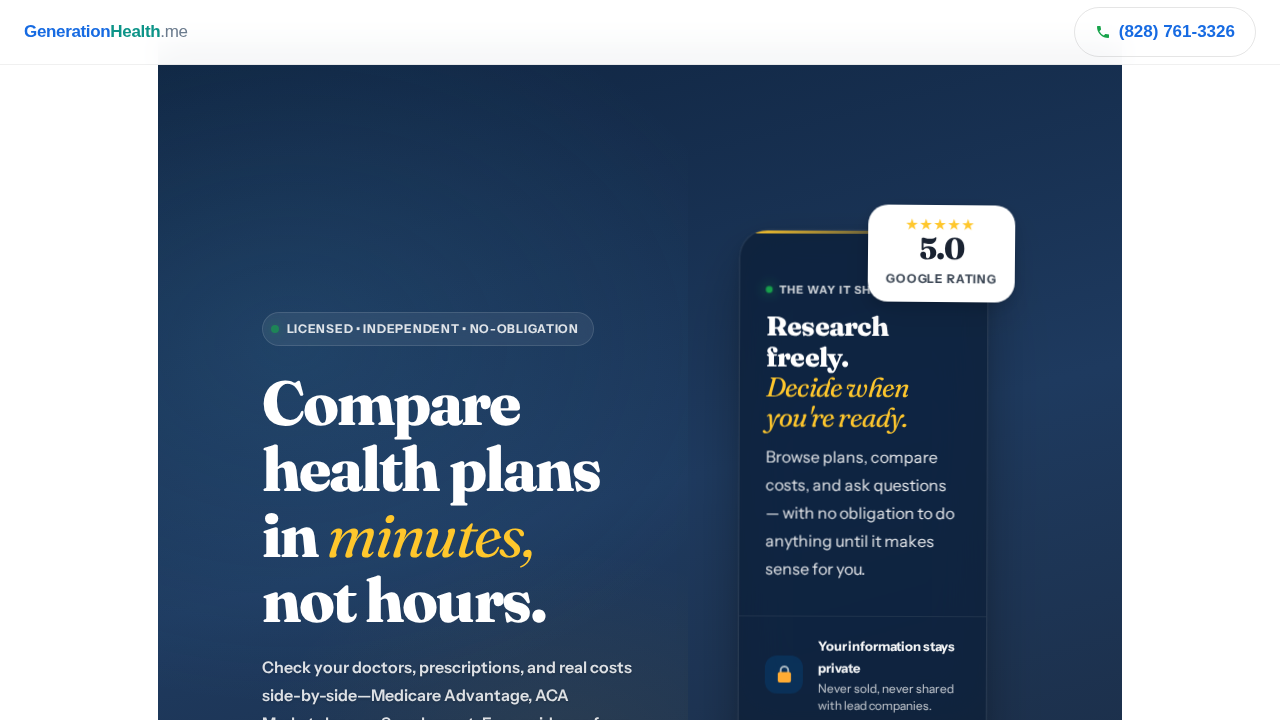
On 07/26/26 generationhealth.me scored 58% — **Fair** – Overall, most of the fundamentals are in place, but a few consistency and clarity gaps are keeping the site from showing up as strongly as it could in AI-driven results.
Executive summary
Score Breakdown (High Level)
- Discoverability: 83% - The site's technical foundation is in great shape for discovery, though we didn't find any image or video sitemaps.
- Structured Data: 42% - The site has a strong foundation of structured data on the homepage, but the conflicting location data and lack of resource-level schema are clear areas for improvement.
- AI Readiness: 83% - Everything looks solid here, with the site providing all the technical and brand signals AI crawlers need to index and understand the business correctly.
- Performance: 50% - Mobile performance generally landed in a healthy range, though the homepage loading speed for the main content was a bit slower than we'd like to see.
- Reputation: 38% - The site has a clean reputation with no negative flags and is recognized by multiple AI models, but it lacks the off-site review data and Wikidata connectivity needed to establish high authority.
- LLM-Ready Content: 60% - The page is well-structured and recently updated by a clear author, though it lacks the information-dense introductory paragraphs and descriptive subheading matches that AI systems prefer for quick data extraction.

What stands out most overall
The big picture is that the site reads as generally solid, but a few missing or inconsistent signals make it harder for AI systems to confidently interpret identity and extract clean answers. The gaps are less about “something being wrong” and more about clarity—especially around off-site trust signals, consistent brand details, and how content sections introduce their main points. The breakdown below walks through the specific areas where the evaluation flagged missing or unclear pieces so you can see exactly what’s getting in the way. None of this is unusual, and it’s the kind of cleanup that tends to compound in value once it’s addressed.
Detailed Report
Discoverability
❌ Visual sitemaps not found
What we saw
We didn’t find signals indicating an image sitemap or a video sitemap. That means visual content may be harder to consistently surface and understand at scale.
Why this matters for AI SEO
Generative engines and search systems rely on clear discovery cues to find and interpret content types like images and videos. When those cues aren’t present, visual assets can be underrepresented in discovery and summarization.
Next step
Add dedicated image and/or video discovery feeds so visual assets are easier to find and classify.
Structured Data
❌ Resource or blog page structured data couldn’t be confirmed
What we saw
A resource/blog page wasn’t available in the evaluation packet, so we couldn’t verify whether that page includes structured data. As a result, key page-specific signals weren’t something we could confirm.
Why this matters for AI SEO
When resource content doesn’t carry clear, consistent machine-readable context, AI systems can have a harder time attributing, classifying, and reusing it accurately. That can reduce how confidently your content is referenced.
Next step
Make sure your resource/blog pages include structured data that clearly describes the content and its publisher.
❌ Conflicting business address detected
What we saw
We found contradictory organization details where the business is listed with two different physical addresses (Sparta, NC and Durham, NC) under the same entity reference. This is the kind of inconsistency that can look unfinished or unreliable to systems trying to validate identity.
Why this matters for AI SEO
Generative engines lean heavily on consistency to verify who a business is and what’s “official.” Conflicting identity details can reduce trust and weaken location-based understanding.
Next step
Standardize the business address so the organization is represented consistently everywhere it’s defined.
❌ Clear author details on a resource/blog post couldn’t be confirmed
What we saw
Because a resource/blog page wasn’t provided for review, we couldn’t confirm that a post includes a specific, non-generic author. That leaves a gap in content attribution.
Why this matters for AI SEO
Attribution helps AI systems judge credibility and properly reference who created a piece of content. When author identity isn’t clear, content can be treated as less trustworthy or harder to cite.
Next step
Ensure every article has a clearly named author associated with it in a way systems can reliably interpret.
❌ Author profile links couldn’t be confirmed
What we saw
A resource/blog page wasn’t available in the evaluation packet, so we couldn’t verify whether author profiles include links to established profiles elsewhere on the web. That makes the author identity harder to corroborate.
Why this matters for AI SEO
When AI systems can connect an author to consistent, authoritative profiles, it strengthens trust and reduces ambiguity. Without those connections, author entities can be less “verifiable” across sources.
Next step
Include consistent author profile links that help confirm the author’s identity across the web.
Performance
❌ Main content appeared slowly on the homepage
What we saw
The homepage’s primary content took longer than expected to fully appear for users. The slowdown is centered on how quickly the most important on-page content becomes visible.
Why this matters for AI SEO
When key content is slower to load, it can reduce the effectiveness of crawling and extraction in some environments and can also impact user trust signals. Over time, that can make it harder for systems to confidently understand and surface the page.
Next step
Improve how quickly the homepage’s main content becomes visible so it’s easier to access and interpret.
Reputation
❌ Brand identity consistency wasn’t confirmed
What we saw
We didn’t see consistent confirmation of a physical address across the evaluated identity signals. In practice, that means the brand’s “official” details aren’t fully settled from an external validation standpoint.
Why this matters for AI SEO
AI systems are more confident when they can reconcile a business’s core identity details across sources. Inconsistency or missing consensus can limit trust and reduce how strongly the brand is represented.
Next step
Align the brand’s core identity details so external signals can consistently match the business.
❌ Wikidata match status wasn’t available
What we saw
The data needed to confirm whether the brand’s Wikidata entity fully matches the business identity wasn’t present in the evaluation output. That leaves an important trust/verification signal unconfirmed.
Why this matters for AI SEO
Knowledge-base alignment is one of the ways generative engines validate brand entities. When that match can’t be verified, it can weaken confidence in brand interpretation.
Next step
Confirm that the brand’s knowledge-base identity is correctly connected and consistently represented.
❌ Wikidata identity anchors weren’t available
What we saw
We didn’t have the supporting identity “anchor” details needed to validate the brand’s official identifiers and references through Wikidata. This keeps the brand entity from being as strongly corroborated.
Why this matters for AI SEO
AI systems look for corroboration across authoritative sources to reduce ambiguity. Missing identity anchors can make it harder for engines to confidently connect the dots.
Next step
Ensure the brand’s knowledge-base entity includes the key references that clearly tie it back to the official business.
❌ Third-party reviews weren’t identified
What we saw
We didn’t see third-party reviews surfaced in the evaluated reputation signals. That means there’s limited independent validation available in the places systems commonly look.
Why this matters for AI SEO
Reviews are a widely used trust signal that can help AI systems gauge legitimacy and quality. When they’re missing or not clearly detectable, authority can be harder to establish.
Next step
Build a clearer third-party review footprint that can be consistently recognized.
❌ Review sources weren’t clearly attributable
What we saw
The evaluation didn’t surface concrete, attributable review sources tied to the brand. In other words, even if sentiment exists elsewhere, it wasn’t being recognized as a clear source signal here.
Why this matters for AI SEO
AI systems prefer review signals that are clearly tied to known platforms and consistently attributed to the right entity. Without clear sources, those signals are less likely to influence trust.
Next step
Strengthen the brand’s association with specific, recognizable review sources.
❌ Social profile consensus wasn’t established
What we saw
We didn’t see consistent agreement on the brand’s primary social profiles in the evaluated data. That suggests the brand’s social identity isn’t fully “settled” across sources.
Why this matters for AI SEO
Clear social identity helps generative engines validate that they’re referencing the right brand and not a similarly named entity. Missing consensus can reduce confidence in entity matching.
Next step
Make sure the brand’s official social profiles are consistently associated with the business across the web.
❌ Homepage didn’t link out to social profiles
What we saw
We didn’t find homepage links pointing to major social platforms. That removes a straightforward “official profile” signal that many systems rely on.
Why this matters for AI SEO
Direct, official links help AI systems confirm which profiles are legitimate and connected to the brand. Without them, identity signals can be weaker and more ambiguous.
Next step
Add clear, direct links from the homepage to the brand’s official social profiles.
❌ Independent press or coverage wasn’t identified
What we saw
We didn’t see third-party press or independent coverage showing up in the reputation signals reviewed. That leaves the brand with fewer external validation points.
Why this matters for AI SEO
Independent coverage can act as a strong corroboration signal that helps AI systems understand prominence and legitimacy. When it’s missing, the brand can look less established in broader contexts.
Next step
Work toward earning and surfacing independent third-party mentions that clearly reference the brand.
LLM-Ready Content (Blog Analysis)
Heads up: this section looks at one article as a snapshot, so it’s a little more interpretive than the rest of the report and may shift slightly from run to run. Have questions? Just shoot us an email at hello@v9digital.com
❌ No standard table detected for comparisons
What we saw
The page presents comparisons visually, but we didn’t find a standard HTML table used for that information. The layout appears to rely on more flexible page sections instead.
Why this matters for AI SEO
When comparison info isn’t represented in a clearly structured format, some systems may have a harder time extracting it cleanly. That can reduce the chance the content is reused for direct side-by-side answers.
Next step
Represent key comparison content in a clearly structured table format when it’s intended to be read as a comparison.
❌ Subheadings were often too generic
What we saw
Several subheadings read like general labels (for example, “How it works” and “FAQ”) rather than describing the specific takeaway of the section. Some headings also didn’t clearly connect to the first sentence of the section.
Why this matters for AI SEO
Generative engines use headings to map meaning and quickly locate answers. When headings are generic, it’s harder to confidently match questions to the right section and extract a clean summary.
Next step
Rewrite section headings so they clearly state what the section answers or explains.
❌ Key answers didn’t appear early in sections
What we saw
Each section opened with very short, punchy first sentences rather than a fuller opening paragraph that quickly explains the main point. This makes the page feel skimmable, but it limits immediate “answer density.”
Why this matters for AI SEO
AI systems tend to pull direct answers from early, information-rich text blocks. When sections lead with hooks instead of quick explanations, it can reduce how easily the content is extracted and reused.
Next step
Adjust section openers so they deliver a clear, self-contained explanation right at the start.
Does Anything Seem Off?
Thanks for taking our free GEO Grader for a spin. When we started this journey, the tool had a fairly long processing time to check everything we wanted both onsite and offsite, so we made a few adjustments on the backend to speed things up. As a result, there are times when the grader may not get everything 100% right. If something feels off, we recommend running the tool a second time to confirm the results. From there, you’re always welcome to reach out to us to schedule a GEO consultation, or to have your SEO provider validate the findings with a more detailed crawl and manual review.
