
Overview:
On 07/22/26 bobsachsphotography.com scored 47% — **Below Average** – Overall, the site has a solid base, but a few missing clarity signals are making it harder for AI systems to confidently understand and surface it.
Executive summary
Score Breakdown (High Level)
- Discoverability: 100% - The site is technically discoverable and indexable, but the lack of descriptive image metadata and specialized sitemaps limits its potential in visual search results.
- Structured Data: 0% - We weren't able to find any schema markup on the homepage or resource pages, which is a significant gap in the site's technical foundation.
- AI Readiness: 50% - The site has a functional sitemap and clear brand context, but explicitly blocking major AI crawlers and lacking a Wikidata presence are significant roadblocks for generative engine visibility.
- Performance: 0% - We weren't able to find any performance data for the site, so we couldn't confirm if it meets standard mobile speed or stability benchmarks.
- Reputation: 81% - The brand shows a strong offsite footprint with positive reviews and social signals, though it lacks a Wikidata entity and consistent address data to anchor its identity.
- LLM-Ready Content: 40% - The site establishes clear authorship and very recent updates, but the lack of semantic H2 headings and external citations makes it difficult for AI to parse and categorize the information effectively.

The big picture on AI visibility
What stands out most is that the site’s baseline presence is there, but several key clarity signals aren’t showing up in a way AI systems can easily rely on. The main gaps are less about “bad” content and more about missing structure, missing identity anchors, and a couple of places where access or verification is limited. The sections below walk through the specific areas that didn’t come through clearly, grouped by category so you can see the pattern. None of this is unusual for visually led sites—it’s just the difference between being readable to people and being easy for AI to interpret.
Detailed Report
Discoverability
❌ Core metadata present
What we saw
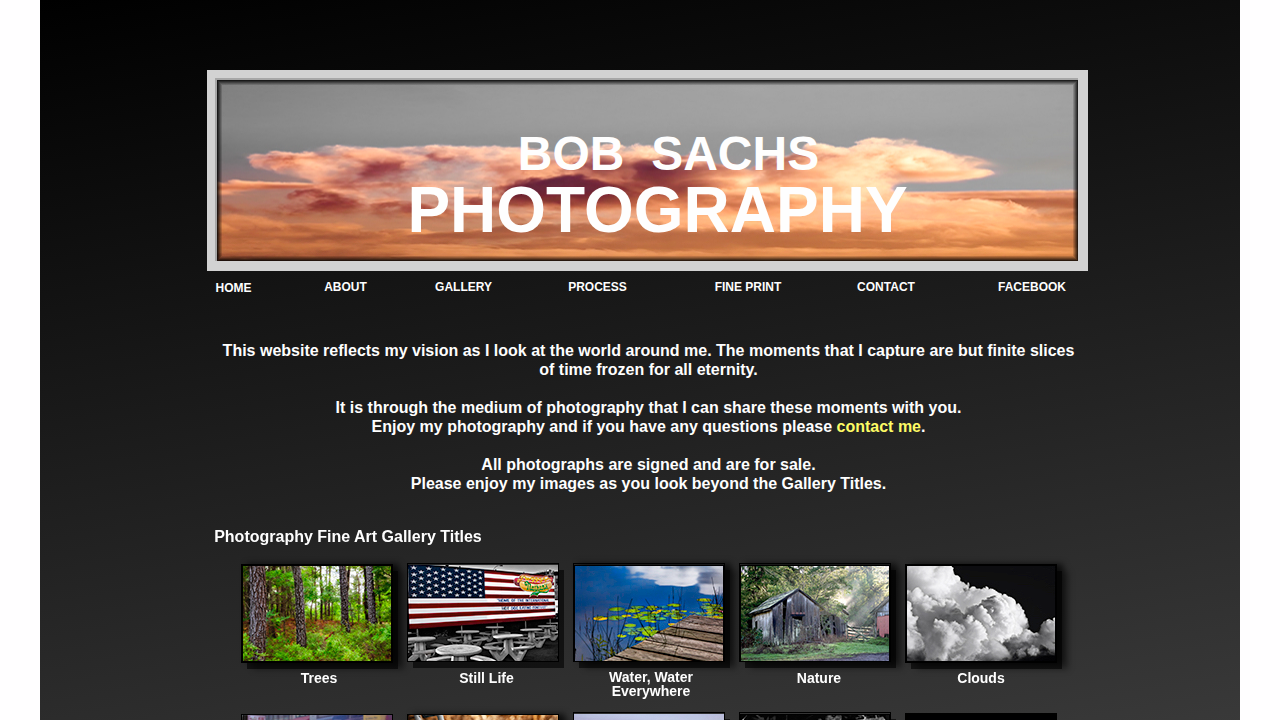
The homepage gallery preview images didn’t include non-empty alt text. That means the page’s visuals don’t have clear descriptive labels for crawlers.
Why this matters for AI SEO
When images lack clear descriptions, AI systems have less context to understand what the page is showcasing. This can reduce visibility in situations where visuals play a key role in discovery and summarization.
Next step
Add clear, descriptive alt text to the homepage gallery images.
❌ Image or video sitemap exists
What we saw
No specialized image or video sitemap was detected. Common sitemap locations returned errors when checked.
Why this matters for AI SEO
On a visually driven site, missing media-specific discovery pathways can make it harder for systems to fully index and understand the scope of your visual content. That can limit how often your work is referenced or pulled into visual-heavy results.
Next step
Publish an image (and/or video) sitemap and ensure it’s accessible.
Structured Data
❌ Schema markup present on homepage
What we saw
We didn’t find any valid schema markup on the homepage. There weren’t any detectable schema.org blocks in the provided HTML.
Why this matters for AI SEO
Without structured context, AI and search systems have a harder time classifying what the site represents and pulling reliable facts about the brand. This can reduce confidence in how the site gets summarized or cited.
Next step
Add schema markup to the homepage so the site can be categorized more consistently.
❌ Organization-type schema present on homepage
What we saw
No organization-related schema types were found on the homepage. That leaves the brand/entity details unconfirmed in a structured format.
Why this matters for AI SEO
If a brand isn’t clearly defined as an entity, AI systems may struggle to connect the site to the right business/person identity across the web. That can make it easier for details to be incomplete or inconsistent in generative summaries.
Next step
Include organization-level schema that clearly identifies the entity behind the site.
❌ Schema markup present on resource / blog page
What we saw
No resource or blog page HTML was provided for analysis, so we couldn’t verify whether structured data is present there. As a result, this item was treated as not found.
Why this matters for AI SEO
Resource pages are often where AI systems look for citable explanations and context. If structured signals aren’t available (or can’t be confirmed), it’s harder for those pages to be understood and reused reliably.
Next step
Provide a resource/blog page for evaluation and ensure it includes schema markup.
❌ No major schema errors detected
What we saw
Because no schema was detected, there wasn’t anything to validate for errors. This item fails by default when there’s no markup present to review.
Why this matters for AI SEO
Schema is only helpful if it exists and is readable. Without it, AI systems lose a clean, structured layer of context that can improve understanding and trust.
Next step
Add schema markup and validate that it’s readable and error-free.
❌ Resource / blog post has a clear, non-generic author
What we saw
No resource page was provided to evaluate author identity. That means we couldn’t confirm whether author attribution is clear on content pages.
Why this matters for AI SEO
Clear authorship helps AI systems assess credibility and correctly attribute expertise. When author identity can’t be confirmed, content may be treated as less anchored.
Next step
Ensure resource/blog content clearly names a real author and make a representative page available for review.
❌ Author schema includes sameAs links
What we saw
No author-related schema was found, so there was nothing available to check for sameAs links. This leaves author identity unconnected in a structured way.
Why this matters for AI SEO
sameAs links can help AI systems reconcile an author’s identity across trusted profiles. Without those connections, it’s easier for identity signals to stay fragmented.
Next step
Add author-related schema and include sameAs links to official profiles.
AI Readiness
❌ AI and LLM crawlers are not explicitly blocked
What we saw
The robots.txt file explicitly disallows GPTBot and CCBot. In practice, this signals that major generative crawlers shouldn’t access the content.
Why this matters for AI SEO
If key AI crawlers are turned away, the site is less likely to be discovered, understood, or referenced in generative experiences. That can limit how often the brand shows up in AI answers.
Next step
Update robots.txt rules so key AI crawlers are not explicitly disallowed.
❌ Wikidata entity exists for brand
What we saw
No Wikidata item ID was found for the brand. That means there isn’t a clear Wikidata entity to reference as a source of truth.
Why this matters for AI SEO
Wikidata can act like a validation layer for identity and brand facts across AI systems. Without it, it’s harder for generative engines to confidently anchor details about who you are.
Next step
Create and/or claim a Wikidata entity for the brand so identity details can be verified.
Performance
❌ Homepage responsiveness could not be verified
What we saw
We couldn’t retrieve the homepage responsiveness metric data due to missing/unavailable results (Error 500). As a result, responsiveness couldn’t be confirmed.
Why this matters for AI SEO
When performance can’t be assessed, it’s a blind spot for understanding whether the page experience supports consistent crawling and engagement. That uncertainty can make it harder to diagnose visibility issues tied to user experience.
Next step
Resolve the measurement/data availability issue so homepage responsiveness can be verified.
❌ Homepage LCP could not be verified
What we saw
The homepage LCP metric data was missing/unavailable (Error 500). We couldn’t confirm whether loading experience is stable or slow.
Why this matters for AI SEO
If loading behavior can’t be validated, it’s harder to confirm the site provides a consistent experience for visitors arriving from search or AI-driven referrals. That lack of visibility can mask issues that affect discoverability and trust.
Next step
Restore access to performance measurement so homepage loading behavior can be assessed.
❌ Homepage CLS could not be verified
What we saw
The homepage CLS metric data was missing/unavailable (Error 500). We couldn’t confirm whether the layout stays stable as the page loads.
Why this matters for AI SEO
Unclear layout stability can translate into an unpredictable user experience, which can indirectly affect how confidently the page is surfaced and retained in results. At a minimum, it leaves a meaningful unknown in the site’s overall readiness.
Next step
Fix the data retrieval issue so layout stability can be measured reliably.
❌ Homepage overall performance could not be verified
What we saw
The homepage performance metric data was missing/unavailable (Error 500). This prevented an overall performance read for the page.
Why this matters for AI SEO
Without a reliable performance snapshot, it’s difficult to confirm whether the site is consistently accessible and usable across devices. That uncertainty can hold back confidence in how the site performs for real visitors coming from AI-driven discovery.
Next step
Ensure the homepage can be successfully measured so overall performance can be confirmed.
Reputation
❌ Brand identity is consistent (name, domain, address)
What we saw
A consistent physical address wasn’t identified across the homepage and the majority of the external profiles evaluated. In multiple places, the address field was missing or null.
Why this matters for AI SEO
When identity details aren’t consistent, AI systems have a harder time confidently anchoring the brand as a verified real-world entity. That can lead to weaker confidence in brand facts and less stable visibility.
Next step
Make sure the brand’s physical address is consistently present wherever official identity details are shown.
❌ Wikidata entity exists and matches brand
What we saw
No matching Wikidata entity was found for the brand. This leaves a gap in third-party identity verification.
Why this matters for AI SEO
Wikidata often feeds entity understanding across AI systems. Without a matching entity, it’s harder for models to confirm and unify brand details.
Next step
Create a Wikidata entity for the brand and ensure it clearly matches the official brand identity.
❌ Wikidata has official identity anchors
What we saw
Because no Wikidata entity was found, there were no official identity anchors (like website or identifiers) that could be verified through that source.
Why this matters for AI SEO
Official identity anchors help AI systems validate that a brand’s web presence is legitimate and connected. Without them, the brand is harder to “lock in” as a trusted entity.
Next step
Once a Wikidata entity exists, add and verify official identity anchors so the entry is clearly tied to the brand.
LLM-Ready Content (Blog Analysis)
Heads up: this section looks at one article as a snapshot, so it’s a little more interpretive than the rest of the report and may shift slightly from run to run. Have questions? Just shoot us an email at hello@v9digital.com
❌ Non-social outbound link present
What we saw
No outbound links to non-social external sites were detected, and the only external destination found was Facebook. Everything else was internal.
Why this matters for AI SEO
When content doesn’t reference outside sources at all, it can be harder for AI systems to place the page within a broader web of corroborating context. That can reduce how confidently the content is treated as citable or well-supported.
Next step
Add at least one relevant non-social external link that supports or contextualizes the page.
❌ Content chunked into readable sections
What we saw
The page didn’t include the heading structure needed to define clear sections (no H2 tags were found). This makes the content feel more like one continuous block.
Why this matters for AI SEO
AI systems tend to extract and reuse content more effectively when it’s organized into clearly labeled sections. Without that structure, key points can be harder to identify and summarize cleanly.
Next step
Break the content into clear sections using consistent subheadings.
❌ HTML table present
What we saw
No table elements were found on the page. There wasn’t any structured, scannable data layout.
Why this matters for AI SEO
Tables can make key details easier for AI systems to extract accurately, especially when information is list-like or comparison-based. Without that structure, important specifics can be easier to miss or paraphrase loosely.
Next step
Include a simple table where it naturally fits (for example, to present key details in a compact format).
❌ Descriptive subheadings
What we saw
Because there were no H2 headings, we couldn’t evaluate whether subheadings were descriptive. In practice, the page doesn’t provide clear “signposts” for what each section covers.
Why this matters for AI SEO
Descriptive subheadings help AI systems understand what each part of the content is about, which improves extraction and summarization. Without them, the page can be harder to interpret at a glance.
Next step
Add descriptive subheadings that clearly label the main topics covered on the page.
❌ Key answers appear early
What we saw
No semantic sections were identified, so we couldn’t confirm whether key answers appear early within the content. The page structure didn’t provide clear early “answer blocks” to evaluate.
Why this matters for AI SEO
AI systems often prioritize content that gets to the point quickly and cleanly. If answers aren’t easy to locate near the top of a page or section, the content can be less likely to be pulled into direct responses.
Next step
Restructure the page so the most important takeaways are easy to find early on.
Does Anything Seem Off?
Thanks for taking our free GEO Grader for a spin. When we started this journey, the tool had a fairly long processing time to check everything we wanted both onsite and offsite, so we made a few adjustments on the backend to speed things up. As a result, there are times when the grader may not get everything 100% right. If something feels off, we recommend running the tool a second time to confirm the results. From there, you’re always welcome to reach out to us to schedule a GEO consultation, or to have your SEO provider validate the findings with a more detailed crawl and manual review.
