
Overview:
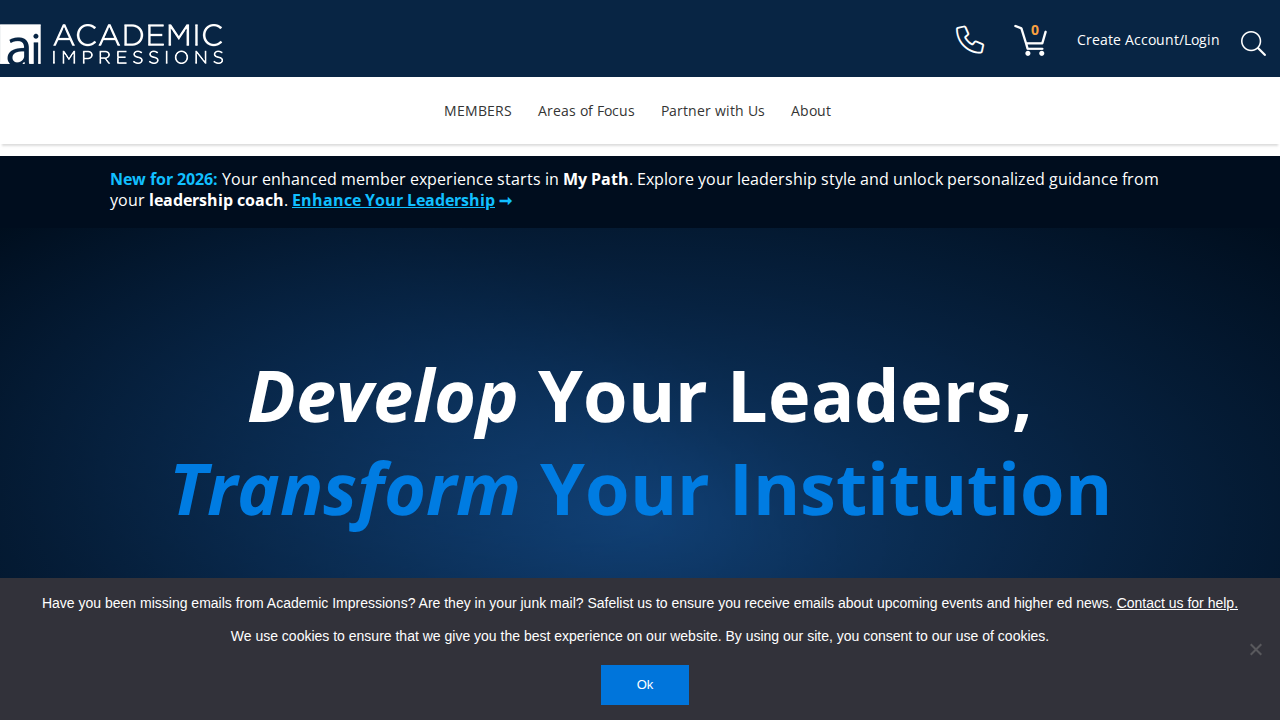
On 01/26/26 academicimpressions.com scored 42% — **Below Average** – Overall, the site feels recognizable and credible, but a few visibility and clarity gaps are holding back how consistently AI systems can understand and reuse what you publish.
Executive summary
Score Breakdown (High Level)
- Discoverability: 75% - Most of the basics are in place for search engines to find and index your homepage, but we didn't find any XML, image, or video sitemaps in the data we checked.
- Structured Data: 17% - Schema markup was detected on the homepage, but organization-type schema was missing and we couldn't evaluate any resource or blog pages.
- AI Readiness: 50% - No XML sitemap or Wikidata entity was found, but we saw strong About/brand context and no crawler blocks.
- Performance: 0% - Mobile performance for the homepage was clearly poor, with both load time and responsiveness falling outside Google's minimum standards.
- Reputation: 65% - We found some strong reputation signals but also confirmed negative employee assertions and several missing elements, like a Wikidata match and homepage links to social profiles.
- LLM-Ready Content: 40% - The page includes recent publish/modified metadata and external links, but LLM-readiness is limited because section chunking and subheadings don’t meet the structured requirements and no clear non-generic author is exposed.

Where things stand overall
The big picture is that the site is getting recognized, but several signals that help AI systems quickly understand, trust, and reuse your content are coming through inconsistently. In most cases, this isn’t about anything being “wrong”—it’s more that a few key details are missing or unclear in ways that reduce confidence. Below, we’ll walk through the specific areas that didn’t come through cleanly, grouped by section so you can see the pattern. None of this is unusual, and it’s the kind of set of gaps that’s very workable once it’s clearly identified.
Detailed Report
Discoverability
❌ XML sitemap not found
What we saw
We didn’t find a standard sitemap available for the site. That means there isn’t a clear master list of URLs being provided for discovery.
Why this matters for AI SEO
When AI-driven systems and search engines don’t have a clean, centralized map of your pages, they can miss content or take longer to understand how your site is organized.
Next step
Publish a standard sitemap that lists your important URLs in one place.
❌ Image/video sitemap not found
What we saw
We didn’t find a dedicated sitemap for images or video content. If you rely on visuals to communicate value, that content may be less discoverable.
Why this matters for AI SEO
AI systems often build understanding from multiple content types, and missing supporting signals can reduce how often rich media gets surfaced or referenced.
Next step
Add a sitemap that explicitly lists key image and/or video assets you want discovered.
Structured Data
❌ Organization details not included
What we saw
We found structured data on the homepage, but it didn’t include organization-type details that clearly describe the brand behind the site.
Why this matters for AI SEO
Without strong brand-defining context, AI systems can have a harder time confidently connecting your pages to a single, well-understood entity.
Next step
Add organization-type structured data that clearly represents the brand behind the website.
❌ Resource/blog page structured data couldn’t be evaluated
What we saw
No resource or blog page HTML was available in the evaluation input, so we couldn’t confirm what (if any) structured data exists on an article page.
Why this matters for AI SEO
Content pages are often what AI systems summarize or quote, so missing or unverified context there can reduce trust and reusability.
Next step
Provide or validate a representative resource/blog page so its content signals can be checked.
❌ Structured data quality checks were inconclusive
What we saw
Because key structured data was missing (and the resource/blog page wasn’t available), we couldn’t confirm that the full structured data setup is complete and error-free.
Why this matters for AI SEO
Incomplete structured context can lead to AI systems making weaker assumptions about your brand and content, or simply relying on less reliable signals.
Next step
Validate that both the homepage and a representative content page include complete, consistent structured data.
❌ Author identity on resource/blog post not confirmed
What we saw
Because the resource/blog page content wasn’t provided, we couldn’t verify that a clear, non-generic author is shown for an article.
Why this matters for AI SEO
Clear authorship makes it easier for AI systems to attribute expertise and improves confidence when summarizing or referencing your content.
Next step
Ensure blog/resource posts clearly show a real author and that the author is represented consistently.
❌ Author profile connections not confirmed
What we saw
We couldn’t check whether author profiles include consistent external identity references because the resource/blog page wasn’t available.
Why this matters for AI SEO
When authors are clearly connected to recognizable profiles, it helps AI systems treat the content as more attributable and less anonymous.
Next step
Add consistent author profile references that connect the author to their public identity.
AI Readiness
❌ Sitemap not found for AI-oriented discovery
What we saw
A standard sitemap wasn’t found, so there isn’t a structured source for AI crawlers to reference when looking for key pages.
Why this matters for AI SEO
When page discovery is less structured, AI systems can miss newer or deeper content that you’d want included in summaries and answers.
Next step
Publish a standard sitemap so page discovery is more straightforward.
❌ Page update info couldn’t be confirmed
What we saw
Because no sitemap was found, we couldn’t confirm whether page update information is being provided in a consistent way.
Why this matters for AI SEO
AI systems are more likely to trust and reuse content when they can tell what’s current versus what might be outdated.
Next step
Include clear update information in the site’s discovery signals so freshness is easier to interpret.
❌ No Wikidata entity found for the brand
What we saw
We didn’t find a Wikidata entity tied to the brand, so there’s less external “reference context” available in common knowledge sources.
Why this matters for AI SEO
When AI systems can’t connect a brand to consistent external context, they may be less confident when describing who you are and what you do.
Next step
Create and validate a Wikidata entity that clearly represents the brand.
Performance
❌ Mobile responsiveness came back poor
What we saw
The homepage showed clear issues with responsiveness during loading on mobile. This points to a laggy experience when the page first becomes usable.
Why this matters for AI SEO
If the main experience feels slow or unresponsive, it can reduce how reliably content is accessed and interpreted—especially for systems that need quick, stable retrieval.
Next step
Improve homepage responsiveness on mobile so content becomes usable sooner.
❌ Main content took too long to load
What we saw
The homepage’s primary content area took a long time to fully appear, indicating slow load performance for what users (and crawlers) care about most.
Why this matters for AI SEO
Slower rendering can make it harder for systems to quickly capture page meaning and can reduce confidence in pulling content cleanly.
Next step
Reduce the time it takes for the homepage’s main content to render.
❌ Overall homepage performance came back poor
What we saw
The homepage performance assessment landed in a clearly poor range overall, reflecting broad friction in the loading experience.
Why this matters for AI SEO
When performance is consistently weak, both user experience and AI retrieval can become less reliable, which can limit visibility and reuse.
Next step
Improve overall homepage performance so access and retrieval are more consistent.
Reputation — Brand Trust and Offsite Signals
| Model | ChatGPT | Claude | Perplexity | Grok | Gemini |
|---|---|---|---|---|---|
| Assessment | ✅ Verified, trustworthy brand | ⚠️ Mixed signals | ✅ Verified, trustworthy brand | ✅ Verified, trustworthy brand | ⚠️ Brand unknown |
❌ Negative employee assertions were present
What we saw
At least one model response included negative employee-related assertions tied to the brand.
Why this matters for AI SEO
When negative reputation signals show up in the broader ecosystem, AI summaries can reflect that tone, which can impact trust and click-through interest.
Next step
Review where these employee-related claims are coming from and decide how you want the brand story represented publicly.
❌ Brand identity details were inconsistent
What we saw
The brand’s identity details (like name/domain/address context) weren’t consistently aligned across the model responses, and some fields appeared missing or conflicting.
Why this matters for AI SEO
Inconsistent identity signals make it harder for AI systems to confidently merge references into a single, accurate brand profile.
Next step
Align the brand’s core identity details so they present consistently wherever the brand appears online.
❌ Wikidata match wasn’t found
What we saw
No Wikidata entity was found that matches the brand.
Why this matters for AI SEO
Wikidata is a common reference layer for entity understanding, and missing representation can reduce external context AI systems can lean on.
Next step
Create and validate a Wikidata entity so the brand is easier to confirm across sources.
❌ No official identity anchors in Wikidata
What we saw
Because no Wikidata entity was found, there weren’t official identity anchors available there (like a confirmed official site reference).
Why this matters for AI SEO
Official anchors help AI systems separate the real brand from lookalikes or partial matches, improving accuracy in summaries.
Next step
Add official identity anchors within the brand’s external knowledge references.
❌ Homepage didn’t link to major social profiles
What we saw
We didn’t detect homepage links pointing directly to major social profile domains.
Why this matters for AI SEO
Clear onsite links to primary profiles can help reinforce which accounts are official and reduce ambiguity when AI systems compile brand information.
Next step
Add direct homepage links to the brand’s primary social profiles.
LLM-Ready Content (Blog Analysis)
Heads up: this section looks at one article as a snapshot, so it’s a little more interpretive than the rest of the report and may shift slightly from run to run. Have questions? Just shoot us an email at hello@v9digital.com
❌ No clear author attribution
What we saw
We didn’t find a visible byline or an author field in the structured context for the evaluated page, so the content reads as effectively unsigned.
Why this matters for AI SEO
When authorship is unclear, AI systems have less to work with for credibility and attribution, which can reduce how confidently content is reused.
Next step
Add a clear, non-generic author name to the page and keep it consistent.
❌ Sections weren’t consistently chunked for reuse
What we saw
The article had section headings, but the sections didn’t consistently land in a readable, predictable size, which makes the layout harder to skim and extract from.
Why this matters for AI SEO
AI systems tend to reuse content more cleanly when ideas are grouped into digestible sections with a steady rhythm.
Next step
Rework the article layout so key sections are consistently broken into shorter, self-contained blocks.
❌ No table-based summary element
What we saw
We didn’t find a table element on the page.
Why this matters for AI SEO
Tables can make comparisons, definitions, and structured takeaways easier for AI systems to interpret and reuse in a clean format.
Next step
Add a simple table where it naturally helps summarize key points.
❌ Subheadings weren’t consistently descriptive
What we saw
Most subheadings didn’t clearly align with the opening sentences of their sections, so the headings aren’t reliably signaling what each block is actually about.
Why this matters for AI SEO
When headings don’t match the substance that follows, AI systems can misinterpret sections or skip them when assembling concise answers.
Next step
Rewrite subheadings so they clearly preview the point of the section in plain language.
❌ Key answers didn’t show up early in sections
What we saw
Section openings didn’t consistently start with a strong, answer-like first paragraph, so the main point often arrives later.
Why this matters for AI SEO
AI systems tend to prioritize content that states the “answer” or takeaway upfront, since it’s easier to quote and summarize accurately.
Next step
Adjust section openings so the main takeaway is stated clearly at the top of each section.
Does Anything Seem Off?
Thanks for taking our free GEO Grader for a spin. When we started this journey, the tool had a fairly long processing time to check everything we wanted both onsite and offsite, so we made a few adjustments on the backend to speed things up. As a result, there are times when the grader may not get everything 100% right. If something feels off, we recommend running the tool a second time to confirm the results. From there, you’re always welcome to reach out to us to schedule a GEO consultation, or to have your SEO provider validate the findings with a more detailed crawl and manual review.
