
Overview:
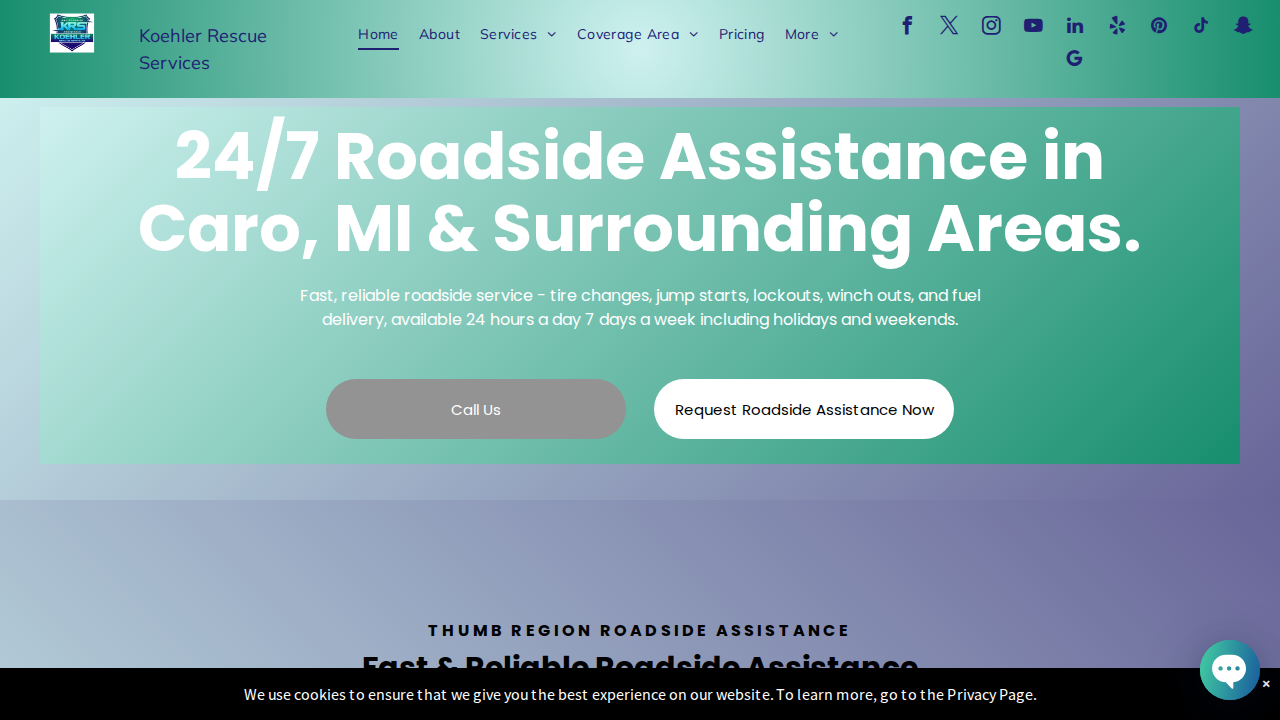
On 04/10/26 koehlerrescue.com scored 67% — **Decent** – overall, the site shows a solid foundation for AI visibility, with a few clear gaps that make key details harder to confirm.
Executive summary
Score Breakdown (High Level)
- Discoverability: 100% - The site has a strong technical foundation for discovery, though it’s currently missing specialized sitemaps for images and video.
- Structured Data: 58% - The homepage schema is very well-implemented with solid local business and FAQ data, though we weren't able to verify any resource-level markup or author details.
- AI Readiness: 50% - The site has a solid foundation with an accessible 'About' page and open crawler access, but it's held back by missing sitemap timestamps and a lack of a Wikidata presence.
- Performance: 67% - Mobile performance for the homepage is solid across the board, showing good speed and excellent layout stability.
- Reputation: 81% - The brand shows strong offsite signals through social profiles and press mentions, but identity confusion among AI models and a missing Wikidata presence are currently limiting its reputation score.
- LLM-Ready Content: 52% - The page is well-organized with descriptive subheadings and recent updates, but it lacks a named author and external citations to anchor its authority for AI systems.

The big picture before we dig in
What stands out most is that the site has a solid base for being found, but it’s missing a few credibility and identity signals that help AI systems confidently understand who you are and what your content should be trusted for. The gaps here read more like “unclear or unverified” than anything fundamentally wrong. The sections below break down the specific areas where brand/entity references, structured content signals, and article-level trust cues weren’t showing up consistently. Once you see those items laid out, the path forward should feel pretty straightforward.
Detailed Report
Discoverability
❌ No image or video sitemap found
What we saw
We didn’t find an image sitemap or a video sitemap available for the site. That means your visual content has fewer explicit cues to help engines understand what’s available.
Why this matters for AI SEO
Generative engines often pull from a mix of page text and visual assets, and they rely on clear signals to discover and interpret those assets at scale. When those signals aren’t present, it can reduce how consistently visuals get surfaced or associated with the right topics.
Next step
Add an image sitemap and/or video sitemap so your visual assets are easier for engines to find and connect to the right pages.
Structured Data
❌ No structured data detected on a resource/blog page
What we saw
A resource/blog page file in the provided data appeared missing or empty, so we couldn’t detect any structured data on that content. As a result, there wasn’t anything in place to help systems interpret that page as an article-style resource.
Why this matters for AI SEO
When resource content isn’t clearly described, AI systems have less confidence about what the page is and how to use it as a reliable reference. That can limit how often the content is used in answers and summaries.
Next step
Make sure your resource/blog content includes structured data that clearly identifies the page as a published article or resource.
❌ Author not identifiable on resource/blog content
What we saw
We couldn’t confirm a clear, non-generic author for the resource/blog content because the page content needed to verify this wasn’t available. That leaves the content looking uncredited from an identity standpoint.
Why this matters for AI SEO
Authorship is a key trust cue for generative engines when deciding what to cite, summarize, or lean on as “authoritative.” If an author isn’t clearly attached, the content can be treated as lower-confidence.
Next step
Ensure each resource/blog piece clearly credits a real author in a consistent way.
❌ No author profile links verified for authority
What we saw
We weren’t able to verify any author-related profile links (like sameAs references) tied to the resource/blog author because the needed resource/blog data wasn’t available. That removes a common way to connect the author to a real-world presence.
Why this matters for AI SEO
Generative systems look for consistent identity connections to validate people and brands. Without those connections, it’s harder for them to confidently treat the author as a credible source.
Next step
Add verifiable profile links for authors so AI systems can connect them to a consistent identity.
AI Readiness
❌ Content freshness signals missing from the sitemap
What we saw
An XML sitemap was found, but it didn’t include lastmod timestamps. That means there isn’t a clear, page-level signal indicating when content was last updated.
Why this matters for AI SEO
AI systems tend to prioritize information that looks current, especially for service-related topics where details can change. When freshness isn’t clearly signaled, engines may need more effort to confirm what’s up to date.
Next step
Include lastmod dates in the sitemap so content recency is clearer at a glance.
❌ No Wikidata entity found for the brand
What we saw
We didn’t see a Wikidata item ID associated with the brand. That leaves a gap in how the brand is anchored in major knowledge graph-style datasets.
Why this matters for AI SEO
Generative engines often rely on entity references to confirm “who is who,” especially when names overlap with other organizations. Without a clear entity anchor, identity verification becomes less deterministic.
Next step
Create (or claim, if it already exists) a Wikidata entry that clearly represents the brand.
Reputation
❌ Conflicting brand identity across AI model interpretations
What we saw
Major AI models showed noticeable identity confusion, describing the business as an animal rescue or an equipment manufacturer instead of a roadside service. In other words, the “what this business is” story isn’t consistently landing.
Why this matters for AI SEO
If models aren’t aligned on your core identity, they’re more likely to misclassify you, omit you, or blend you into another entity with a similar name. That can directly impact whether you show up in relevant AI-driven recommendations.
Next step
Strengthen consistency across the web for the brand’s official name, category, and description so generative systems have fewer conflicting cues.
❌ Missing knowledge-graph “anchor” for official brand details
What we saw
No matching Wikidata entity was found, and the report flagged this as a missing identity anchor for generative engines. This overlaps with the confusion noted above and makes it harder to confirm a single source of truth.
Why this matters for AI SEO
Entity anchors help models resolve ambiguity and keep business facts consistent across answers. Without them, trust and accuracy can vary depending on which sources a model happens to lean on.
Next step
Establish a verified Wikidata entity and align it with your official brand details.
LLM-Ready Content (Blog Analysis)
Heads up: this section looks at one article as a snapshot, so it’s a little more interpretive than the rest of the report and may shift slightly from run to run. Have questions? Just shoot us an email at hello@v9digital.com
❌ No named author on the article
What we saw
We didn’t see a visible author name or an author reference associated with the article. From an AI perspective, it reads like content without a clear human owner.
Why this matters for AI SEO
When authorship isn’t clear, it’s harder for AI systems to evaluate credibility and expertise, especially for “service and safety” topics. That can reduce how confidently the content is reused in AI answers.
Next step
Add a clear, non-generic author name to the article.
❌ No non-social external sources referenced
What we saw
We didn’t find any outbound links to non-social external resources on the page. That leaves the article without clear supporting references beyond your own site.
Why this matters for AI SEO
External citations can act as credibility scaffolding, helping AI systems understand where claims and guidance are coming from. Without them, content can be treated as less verifiable.
Next step
Include at least one relevant non-social external source link that supports the page’s key claims.
❌ Sections are too brief for deeper understanding
What we saw
The content is split into multiple sections, but the average section length was roughly 92 words, which is quite short for building depth. The result is a page that’s structured, but a bit thin in each chunk.
Why this matters for AI SEO
LLMs tend to do better when each section carries enough context to stand on its own. Short sections can make it harder for systems to extract complete, reusable answers.
Next step
Expand the on-page sections so each one contains enough detail to fully answer its subtopic.
❌ No table used to summarize key info
What we saw
We didn’t find an HTML table on the page. That means there isn’t a compact, structured summary format for key details.
Why this matters for AI SEO
Structured summaries can make it easier for AI systems to extract exact comparisons, steps, or reference info without ambiguity. Without a table-style block, important details may be harder to lift cleanly.
Next step
Add a simple table where it naturally helps summarize the most important information.
Does Anything Seem Off?
Thanks for taking our free GEO Grader for a spin. When we started this journey, the tool had a fairly long processing time to check everything we wanted both onsite and offsite, so we made a few adjustments on the backend to speed things up. As a result, there are times when the grader may not get everything 100% right. If something feels off, we recommend running the tool a second time to confirm the results. From there, you’re always welcome to reach out to us to schedule a GEO consultation, or to have your SEO provider validate the findings with a more detailed crawl and manual review.
