
Overview:
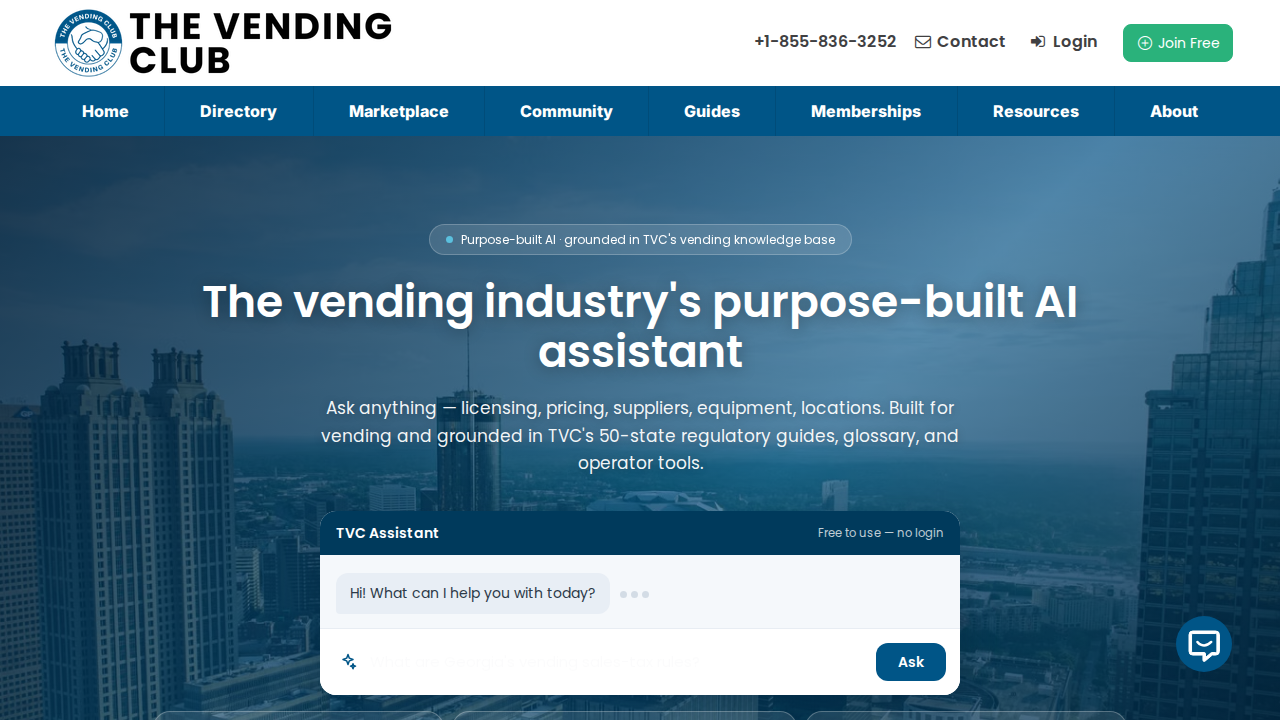
On 07/20/26 thevendingclub.net scored 68% — **Decent** – Overall, the site is in a workable place for AI visibility, but a few missing trust and content cues are keeping it from feeling fully clear and verifiable.
Executive summary
Score Breakdown (High Level)
- Discoverability: 100% - The site's discoverability is fundamentally strong with clear sitemaps and metadata, though it lacks specialized sitemaps for images and video.
- Structured Data: 58% - The homepage schema is impressively detailed and error-free, but we couldn't verify authorship or resource-specific markup because the blog page data wasn't provided.
- AI Readiness: 67% - The site's technical foundation is solid and welcoming to AI crawlers, though it's currently missing a Wikidata connection to help solidify its brand identity in knowledge graphs.
- Performance: 67% - Mobile performance for the homepage is generally solid across the board, with no metrics falling into the poor category.
- Reputation: 81% - The brand maintains a solid reputation footprint with consistent social profiles and recognized reviews, though it lacks Wikidata presence and independent press mentions.
- LLM-Ready Content: 44% - The site is well-structured and recently updated, though it relies on short content chunks and some unexplained industry acronyms.

The big picture before the details
What stands out most is that the gaps aren’t about basic access to the site—they’re mainly about how clearly the brand and resource content can be validated and reused by AI systems. In a couple of places, the signals that help AI feel confident (entity verification and third-party corroboration) are either missing or hard to confirm, and the blog snapshot shows a few spots where context doesn’t consistently surface early. The next section breaks down the specific failed areas by category, so you can see exactly what was flagged and where. None of this is unusual, and it’s all the kind of stuff teams typically tighten up once the core foundation is in place.
Detailed Report
Discoverability
❌ Image or video sitemap not found
What we saw
We didn’t find an image sitemap or a video sitemap available for the site. That means your visual content has fewer explicit signals helping it get discovered and understood.
Why this matters for AI SEO
AI assistants often pull supporting context from images and videos when they’re clearly indexed and attributed. When those assets are harder to discover, they’re less likely to show up in AI-generated answers.
Next step
Publish an image sitemap and/or video sitemap so your visual assets are easier to find and interpret.
Structured Data
❌ Resource page schema couldn’t be verified
What we saw
We weren’t able to review the resource/blog page content, so we couldn’t confirm whether that page includes structured data. As a result, that part of the site’s coverage is effectively unknown from this run.
Why this matters for AI SEO
When resource content isn’t clearly described, AI systems can have a harder time classifying it and reusing it confidently. That can reduce how often those pages are surfaced or cited.
Next step
Make sure the resource/blog page is accessible for review and includes clear structured data describing the page and its content.
❌ Author identification on resource content couldn’t be verified
What we saw
Because the resource/blog page content wasn’t available to evaluate, we couldn’t confirm that a specific author is identified for that content. From this report’s perspective, authorship signals on those pages are missing.
Why this matters for AI SEO
Clear authorship helps AI systems judge who is speaking and whether the source should be treated as credible. When authorship isn’t obvious, content can lose trust and attribution clarity.
Next step
Add a clear author attribution on resource/blog content so it’s easy to understand who wrote it.
❌ Author profile links (sameAs) couldn’t be verified
What we saw
We couldn’t verify whether author profiles are connected to any external identity links for the resource/blog page. That leaves the author’s identity harder to validate.
Why this matters for AI SEO
When an author is connected to consistent public profiles, AI systems can reconcile identity and reduce confusion. Without those anchors, it’s easier for author signals to be treated as vague or generic.
Next step
Connect author profiles to consistent public identity links so the author entity is easier to confirm.
AI Readiness
❌ No Wikidata entity detected for the brand
What we saw
We didn’t detect a Wikidata item ID associated with the brand. That makes the brand harder to match to a single, confirmed entity.
Why this matters for AI SEO
AI engines often rely on entity records to verify brand identity and reduce ambiguity. When that entity link isn’t present, the brand may be harder to confidently reference.
Next step
Create or claim a Wikidata entity for the brand and link it to the official website.
Reputation
❌ No Wikidata entity found for the brand
What we saw
We didn’t find a matching Wikidata entry for the brand. That leaves a gap in third-party entity validation.
Why this matters for AI SEO
Knowledge sources like Wikidata help AI systems confirm who you are and connect related references across the web. Without that, your brand authority can be harder to “lock in” consistently.
Next step
Establish a Wikidata entry for the brand so there’s a stable, independent entity reference.
❌ Wikidata identity anchors missing
What we saw
Because there was no Wikidata entity found, we also didn’t see identity anchors there (like an official website link or other recognized identifiers). That removes a key layer of cross-site confirmation.
Why this matters for AI SEO
Identity anchors help AI systems connect your site to the “right” brand entity, especially when names can be similar across companies. Without them, matching and attribution can be less reliable.
Next step
Add official identity anchors to the brand’s Wikidata presence so the entity can be confidently tied back to your site.
❌ No independent press coverage identified
What we saw
We didn’t identify independent third-party press mentions of the brand in this evaluation. That limits the amount of external confirmation beyond your own channels.
Why this matters for AI SEO
Independent coverage can act as a credibility signal that AI systems lean on when deciding what sources to cite. When those mentions aren’t present, your brand may appear less corroborated.
Next step
Build a trackable set of independent third-party mentions that clearly reference the brand and what it does.
LLM-Ready Content (Blog Analysis)
Heads up: this section looks at one article as a snapshot, so it’s a little more interpretive than the rest of the report and may shift slightly from run to run. Have questions? Just shoot us an email at hello@v9digital.com
❌ No non-generic author identified
What we saw
The content was attributed to the organization rather than a clearly named individual author. A specific person wasn’t visible or identified in the structured context for the article.
Why this matters for AI SEO
AI systems tend to trust and reuse content more confidently when it’s clear who wrote it. When authorship is generic, the content can feel less attributable and less authoritative.
Next step
Add a clearly named individual author to the article so authorship is unambiguous.
❌ No non-social outbound links found
What we saw
Within the content sections, we didn’t find outbound links to non-social third-party sources. The article reads as self-contained without external references.
Why this matters for AI SEO
Outbound citations can help AI systems understand what claims are grounded in external sources versus internal commentary. Without them, it’s harder for AI to evaluate context and credibility.
Next step
Include at least one relevant third-party outbound citation within the article content.
❌ Sections are too short for deep extraction
What we saw
While the page is broken into many small sections, the average section length is fairly light, which can limit how much complete context shows up in each chunk. This can make it harder for AI to pull self-contained answers.
Why this matters for AI SEO
AI systems often extract meaning at the section level, especially when content is heavily segmented. If sections are too thin, they may not contain enough detail to be reusable on their own.
Next step
Expand key sections so each one contains enough self-contained context to stand on its own.
❌ Key answers don’t consistently appear early
What we saw
Only a minority of sections started with a substantial opening paragraph that clearly sets up the main point. In several places, the “so what” comes later or is implied.
Why this matters for AI SEO
AI assistants frequently rely on the first part of a section to identify what it’s about and whether it contains an answer. If the takeaway isn’t introduced early, the section can be overlooked or misinterpreted.
Next step
Adjust section openers so the main point is stated clearly near the start of each section.
❌ Unexplained acronyms reduce clarity
What we saw
The content uses several acronyms (DEX, MDB, OCS, P&L) without nearby explanations. That creates a small but real comprehension gap for readers and models that don’t share the same shorthand.
Why this matters for AI SEO
When acronyms aren’t defined, AI systems may guess at meaning or miss nuance, especially across industries. Clear definitions improve extraction accuracy and reduce ambiguity.
Next step
Define acronyms the first time they appear so the meaning is clear in-context.
Does Anything Seem Off?
Thanks for taking our free GEO Grader for a spin. When we started this journey, the tool had a fairly long processing time to check everything we wanted both onsite and offsite, so we made a few adjustments on the backend to speed things up. As a result, there are times when the grader may not get everything 100% right. If something feels off, we recommend running the tool a second time to confirm the results. From there, you’re always welcome to reach out to us to schedule a GEO consultation, or to have your SEO provider validate the findings with a more detailed crawl and manual review.
