
Overview:
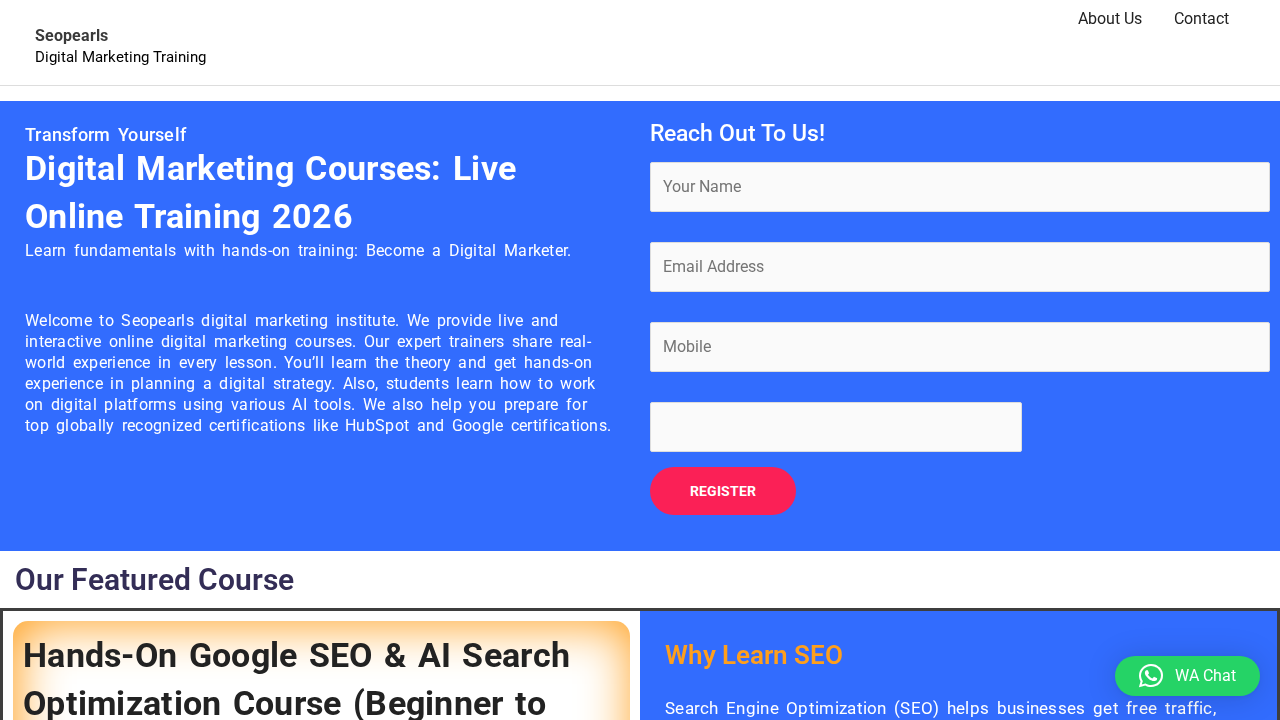
On 01/14/26 seopearls.net/ scored 59% — **Fair** – Overall, the site feels pretty solid, but a few key signals still come through as unclear for AI-driven discovery and trust.
Executive summary
Score Breakdown (High Level)
- Discoverability: 92% - Overall, the homepage covers all the core discovery basics except for a dedicated image or video sitemap.
- Structured Data: 83% - The schema markup is robust and technically sound, but the resource page doesn't identify a clear, real author or provide external sameAs links for the author.
- AI Readiness: 67% - Most of the basics are in place, but the brand is missing a Wikidata entity which stands out as the main gap.
- Performance: 72% - Mobile performance was solid across the board, with only the homepage's Largest Contentful Paint slightly outside the ideal range.
- Reputation: 23% - We didn't find major social profile links on the homepage or a Wikidata match, and there were no confirmed third-party reviews or concrete review sources in the data.
- LLM-Ready Content: 52% - We didn’t see any outbound links to external domains, there was no specific author identified, and all subheadings were either too generic or failed mechanical checks.

The big picture on what’s missing
What stands out most is that the site covers a lot of the fundamentals, but a few key clarity signals are still coming through as incomplete. The gaps aren’t really “errors” so much as missing context that makes it harder for AI systems to confidently understand who’s behind the content and how the brand shows up offsite. The next section walks through the specific areas that didn’t show up in the evaluation, along with why each one matters for AI visibility. None of this is unusual, and it’s all the kind of stuff that’s very workable once it’s clearly identified.
Detailed Report
❌ No image or video sitemap was found
What we saw
We weren’t able to find a dedicated sitemap that specifically lists image or video content. Everything else looked in place for general discovery, but media content didn’t have its own clear listing.
Why this matters for AI SEO
When AI-driven systems try to understand and surface media, clear media listings help them find and interpret those assets more reliably. Without that extra clarity, images and videos can be easier to miss or under-used in results.
Next step
Add a dedicated image and/or video sitemap so your media content is easier to discover and understand.
❌ The resource page author appears generic instead of a real individual
What we saw
On the resource page, the author is shown as an institution-style name and points to a generic admin author page, which doesn’t clearly represent a real person. That makes the author attribution feel unclear.
Why this matters for AI SEO
Clear authorship helps generative engines assign credibility and context to content. When the author looks generic, it can weaken how confidently systems interpret who is behind the material.
Next step
Update the author information so it clearly represents a real, uniquely identifiable author.
❌ Author profile links don’t clearly point to an external author identity
What we saw
The author’s associated profile links point back to the main site rather than a distinct external profile for that author. This makes it hard to distinguish the author as a separate entity.
Why this matters for AI SEO
Generative engines lean on consistent identity signals to understand “who is who” on the web. Distinct external references make it easier to connect the author to a broader footprint beyond a single site.
Next step
Connect the author to a distinct, external author profile that represents the same person.
❌ No Wikidata entity was found for the brand
What we saw
We didn’t find a Wikidata entry tied to the brand. That leaves a gap in widely recognized, third-party identity signals.
Why this matters for AI SEO
Knowledge sources like Wikidata can help AI systems confirm brand identity and reduce ambiguity. When that reference isn’t present, it can be harder for systems to confidently “lock onto” the brand as a distinct entity.
Next step
Create and connect a Wikidata entry that clearly represents the brand.
❌ Main content on the homepage takes longer to appear than expected on mobile
What we saw
The homepage’s primary content took longer than the recommended range to fully show up on mobile. This stood out as the main performance gap on that page.
Why this matters for AI SEO
Slower content rendering can affect how reliably systems and users access and interpret your most important information. When the main content is delayed, it can reduce overall confidence and usability signals.
Next step
Reduce the time it takes for the homepage’s main content to become visible on mobile.
❌ Main content on the resource page takes longer to appear than expected on mobile
What we saw
The resource page also showed a slower-than-recommended time for the main content to become visible on mobile. The rest of the measured experience looked generally steady, but this was a clear miss.
Why this matters for AI SEO
Resource pages often carry the most indexable, quotable information for AI answers. If the core content is slower to appear, it can impact how consistently that content gets processed and surfaced.
Next step
Reduce the time it takes for the resource page’s main content to become visible on mobile.
❌ Brand identity details aren’t consistently confirmed
What we saw
We couldn’t consistently confirm key brand identity details like an official name and address from the available signals. With some of that context missing, the overall identity picture comes across as incomplete.
Why this matters for AI SEO
Generative engines look for consistent identity signals to reduce confusion between similar brands and to build trust. When key details are missing or inconsistent, it becomes harder to confidently represent the brand.
Next step
Make sure your official brand identity details are clearly stated and consistent wherever your brand is represented.
❌ No verified Wikidata match for the brand
What we saw
We didn’t see a verified Wikidata entity that matches the brand. This aligns with the broader gap around third-party identity confirmation.
Why this matters for AI SEO
A verified match to a recognized public entity record helps AI systems connect mentions back to the right brand. Without it, brand recognition and disambiguation can be less reliable.
Next step
Establish a Wikidata presence that clearly matches the brand name and website.
❌ Official identity anchors weren’t present in Wikidata
What we saw
We didn’t find clear “official” identity anchors tied to a Wikidata record for the brand, such as a confirmed official website reference or other unique identifiers. This left the brand’s third-party identity footprint looking thin.
Why this matters for AI SEO
Official anchors help AI systems confidently connect your site to a single, trusted entity. When they’re missing, systems have fewer dependable reference points.
Next step
Ensure the brand has a public identity record that includes official anchors tying it back to the correct website.
❌ No clear third-party reviews or customer feedback were found
What we saw
We didn’t find evidence that third-party reviews or customer feedback exist for the brand. As a result, this part of the site’s trust footprint looks quiet.
Why this matters for AI SEO
Third-party feedback can be a strong trust signal for AI-driven results because it adds independent validation. When it’s missing or hard to confirm, systems have less outside context to draw from.
Next step
Strengthen the brand’s visible third-party review presence so it’s easier to confirm.
❌ Review sources weren’t clearly identifiable
What we saw
We weren’t able to identify concrete sources where reviews are hosted. Even if feedback exists somewhere, it wasn’t clearly attributable to recognizable sources.
Why this matters for AI SEO
Generative engines value sources they can cite or verify. If review sources aren’t clear, that trust signal is harder to use and less likely to show up in AI-generated summaries.
Next step
Make review sources explicit and easy to confirm as real third-party destinations.
❌ Major social profiles weren’t consistently confirmed
What we saw
We couldn’t confirm a clear, consistent set of major social profiles associated with the brand. That makes the offsite identity picture feel less connected.
Why this matters for AI SEO
Consistent social profiles can help AI systems corroborate brand identity and legitimacy across multiple places. When those signals are unclear, trust and entity understanding can be weaker.
Next step
Make your primary social profiles unambiguous and consistently associated with the brand.
❌ The homepage doesn’t link out to major social profiles
What we saw
We didn’t see homepage links pointing to major social platforms. That removes an easy, user-visible way to confirm the brand’s presence elsewhere.
Why this matters for AI SEO
Direct, obvious links to official profiles help AI systems and users validate identity quickly. Without them, the brand can look more isolated on the web.
Next step
Add clear homepage links to the brand’s official social profiles.
❌ The resource content doesn’t show a clear, non-generic author
What we saw
We didn’t find a clear author name presented in a way that looks like a real person attached to the content. The author information that does exist reads as generic or organization-level.
Why this matters for AI SEO
Clear authorship helps AI systems evaluate credibility and context for informational content. When authorship is vague, the content can be harder to trust and interpret.
Next step
Attach the content to a clearly named, non-generic author.
❌ The resource page has no outbound links to external sites
What we saw
All links we saw on the resource page stayed within the same domain, with no citations or references pointing outward. That makes the page feel self-contained.
Why this matters for AI SEO
External references can help generative engines understand context and credibility, especially for educational content. Without them, the page offers fewer signals about how it connects to the wider topic landscape.
Next step
Include at least one relevant external reference link on the resource page.
❌ Question-style subheadings weren’t present
What we saw
We didn’t see subheadings phrased as questions in the resource content. As a result, the structure doesn’t mirror the way readers commonly ask for answers.
Why this matters for AI SEO
AI-driven search often maps content to question-and-answer patterns. Question-style framing can make it easier for systems to identify what a section is intended to answer.
Next step
Add some question-style subheadings that reflect common reader questions.
❌ Some subheadings read as generic or not specific enough
What we saw
At least some headings appear short or label-like rather than clearly describing what the section covers. This can make the content outline feel a bit vague at a glance.
Why this matters for AI SEO
Descriptive section labels help generative engines quickly understand what each part of a page is about. When headings are generic, it’s harder for systems to extract and summarize the right details.
Next step
Rewrite section headings so they more clearly describe the specific information in each section.
❌ No table-based summary was found in the resource content
What we saw
We didn’t find a table element on the resource page. That means there isn’t an obvious structured summary format available for key comparisons or takeaways.
Why this matters for AI SEO
Tables can make it easier for AI systems to extract well-structured facts and comparisons. When they’re missing, information may be harder to pull into concise, reliable summaries.
Next step
Add a simple table where it naturally helps summarize or compare key information.
Does Anything Seem Off?
Thanks for taking our free GEO Grader for a spin. When we started this journey, the tool had a fairly long processing time to check everything we wanted both onsite and offsite, so we made a few adjustments on the backend to speed things up. As a result, there are times when the grader may not get everything 100% right. If something feels off, we recommend running the tool a second time to confirm the results. From there, you’re always welcome to reach out to us to schedule a GEO consultation, or to have your SEO provider validate the findings with a more detailed crawl and manual review.
