
Overview:
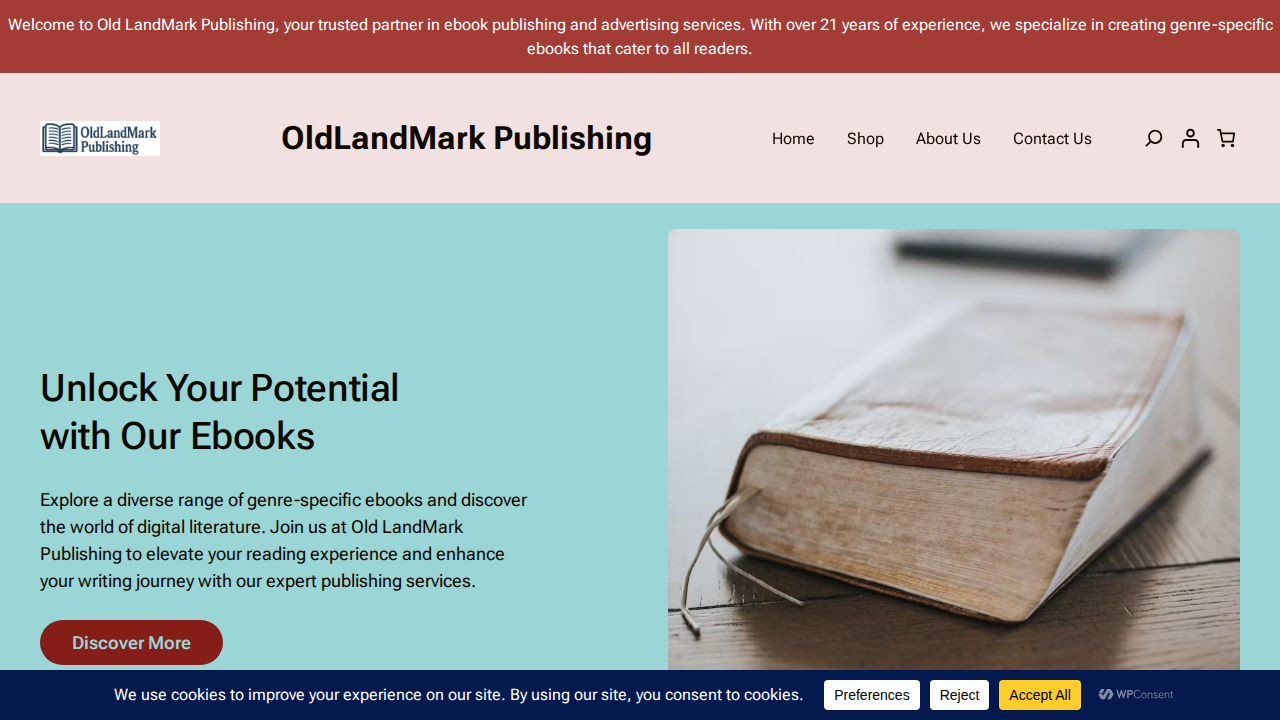
On 05/26/26 oldlandmarkpublishing.com scored 39% — **Weak** – Overall, the site has some solid basics, but a few visibility and trust gaps are keeping it from showing up confidently in AI-driven results
Executive summary
Score Breakdown (High Level)
- Discoverability: 100% - The site is technically accessible and has the right metadata in place, but it's missing a sitemap to help search engines discover all its pages.
- Structured Data: 58% - The homepage has a solid foundation with Organization schema, but we weren't able to verify any markup on a resource or blog page.
- AI Readiness: 33% - The site is accessible to AI bots and provides clear brand context, but the inaccessible XML sitemap is currently the biggest hurdle for automated discovery.
- Performance: 50% - Mobile performance is mostly solid with great responsiveness, though the main content takes a bit too long to appear on the screen.
- Reputation: 0% - We weren't able to verify the brand's offsite reputation because the necessary data was missing and the social links on the homepage are currently non-functional placeholders.
- LLM-Ready Content: 36% - The page is technically fresh and well-linked, but the content is too thin and fragmented to provide the depth needed for AI systems to fully grasp the resource's expertise.

What stands out most overall
The big picture is that the site has a few key visibility blockers that make it harder for AI systems to confidently map your pages, verify the brand, and pull clean, reusable context. Nothing here reads like a “fatal flaw,” but the missing trust and identity signals—plus how the content is packaged—creates a lot of ambiguity for generative engines. The next section breaks down the specific areas where the report couldn’t find or confirm the signals it was looking for, organized by category. Once you see the patterns, the path to tightening this up usually becomes pretty straightforward.
Detailed Report
Discoverability
❌ XML sitemap not found
What we saw
We didn’t find a sitemap available for the site. That makes it harder to get a clean map of what pages exist.
Why this matters for AI SEO
Generative engines and search systems use clear site maps to discover and re-check content efficiently. When that map isn’t available, important pages can be missed or understood more slowly.
Next step
Publish a sitemap for the site and make sure it’s accessible to crawlers.
❌ No image or video sitemap found
What we saw
We didn’t find specialized sitemaps for media content like images or video. If the site relies on media to explain products or credibility, that media is less discoverable.
Why this matters for AI SEO
AI systems often pull supporting context from media and its associated details. If media content is harder to discover at scale, it can reduce how well your pages are represented.
Next step
If media content is important on the site, add a dedicated media sitemap so it’s easier to surface consistently.
Structured Data
❌ Resource/blog page structured data couldn’t be confirmed
What we saw
We didn’t receive a usable resource or blog page file to evaluate, so we couldn’t verify whether content pages include the same kind of structured context as the homepage.
Why this matters for AI SEO
When content pages don’t clearly describe what they are, who they’re for, and how they relate to the brand, AI systems have less to work with when deciding what to cite or summarize.
Next step
Provide (or publish) a representative resource/blog page that includes clear page-level context so it can be validated.
❌ Content author not verifiable on resource/blog pages
What we saw
Because the resource/blog page content wasn’t available, we couldn’t confirm that posts have a clear, non-generic author identified.
Why this matters for AI SEO
Generative engines lean heavily on author clarity when assessing expertise and deciding whether to reuse content in answers. If the author isn’t clear, the content can read as less attributable.
Next step
Ensure each content page clearly names a specific author (not a generic brand label) in a consistent way.
❌ Author profile links (sameAs) not verifiable
What we saw
We weren’t able to confirm whether author profiles connect to real, external identity profiles because the resource/blog page data wasn’t present.
Why this matters for AI SEO
When AI systems can connect an author to consistent identity profiles, it strengthens confidence that the person (and their content) is real and attributable.
Next step
Add clear author profile references that connect the author to their official public profiles.
AI Readiness
❌ Sitemap was blocked or inaccessible
What we saw
The sitemap couldn’t be accessed reliably and appeared to return an access error. That prevents automated systems from getting a complete view of the site.
Why this matters for AI SEO
AI crawlers and indexing systems use this file as a quick way to discover, prioritize, and revisit URLs. If it’s blocked, coverage and freshness can suffer.
Next step
Make the sitemap publicly accessible so crawlers can retrieve it without errors.
❌ Sitemap update details couldn’t be verified
What we saw
Because the sitemap wasn’t accessible, we couldn’t confirm whether it includes update information for URLs.
Why this matters for AI SEO
When AI systems can see what changed and when, they’re better able to prioritize what to re-check and what’s likely to be current.
Next step
Include clear update timestamps in the sitemap so recrawling decisions are easier to make.
❌ No Wikidata entity found for the brand
What we saw
We didn’t find a Wikidata entry associated with the brand.
Why this matters for AI SEO
Wikidata is a common reference source for entity identity, and missing it can make it harder for generative systems to confidently confirm who you are.
Next step
Create (or connect) a Wikidata entity that reflects the brand’s official identity.
Performance
❌ Main homepage content is slow to appear
What we saw
The primary visual/content element on the homepage took over six seconds to load. That puts the initial experience in a slow range on mobile.
Why this matters for AI SEO
When key content is slow to render, systems that fetch and summarize pages may capture less context or place less emphasis on the page’s main message.
Next step
Reduce the time it takes for the homepage’s main content to show so the page message is available earlier.
Reputation
❌ Negative client sentiment wasn’t verifiable
What we saw
We couldn’t confirm whether there are consistent negative client claims showing up in the brand’s broader footprint.
Why this matters for AI SEO
Generative engines weigh sentiment and trust cues when deciding whether to cite or recommend a brand. If sentiment is unclear, confidence can drop.
Next step
Audit what customers are saying publicly across common sources and summarize any recurring themes.
❌ Negative employee sentiment wasn’t verifiable
What we saw
We couldn’t confirm whether there are consistent negative employee claims associated with the brand.
Why this matters for AI SEO
Workplace reputation can influence overall trust signals that AI systems may incorporate into brand understanding.
Next step
Review major employment-related sources for mentions of the brand and document what’s consistently present.
❌ Brand recognition across AI systems wasn’t confirmed
What we saw
We weren’t able to confirm consistent brand recognition across multiple generative systems based on the available information.
Why this matters for AI SEO
If a brand isn’t consistently recognized, it’s more likely to be omitted, confused with something else, or described inconsistently in AI answers.
Next step
Strengthen consistent brand mentions across your most visible owned and third-party profiles.
❌ Brand identity consistency couldn’t be confirmed
What we saw
We couldn’t confirm a strong offsite consensus for core brand identity details (like name and primary website).
Why this matters for AI SEO
When identity details vary across the web, AI systems are more likely to treat the brand as unverified or split it into multiple entities.
Next step
Align the brand’s core identity details so they match across the places people and AI systems commonly reference.
❌ Wikidata identity match wasn’t present
What we saw
No Wikidata entity was found that clearly matches the brand.
Why this matters for AI SEO
Wikidata is a frequent entity reference layer, and without it, AI systems may have a harder time confirming the brand’s official identity.
Next step
Create or update a Wikidata entry so it clearly corresponds to the brand.
❌ Wikidata identity anchors weren’t present
What we saw
We couldn’t confirm official identity anchors on Wikidata (like a clearly associated official website and related identifiers).
Why this matters for AI SEO
Official anchors help AI systems tie the brand to the right domain and references, reducing confusion and improving trust.
Next step
Add official identity anchors to the brand’s Wikidata entry so it’s clearly connected to the right web properties.
❌ Third-party reviews weren’t confirmed
What we saw
We weren’t able to confirm the presence of third-party reviews or customer feedback that clearly reference the brand.
Why this matters for AI SEO
Independent feedback helps AI systems gauge legitimacy and user satisfaction, which can influence whether a brand is included or trusted.
Next step
Identify a few credible third-party sources where customer feedback about the brand is visible.
❌ Review sources weren’t clearly attributable
What we saw
Even where reviews might exist, we couldn’t confirm concrete, specific review source pages tied to the brand.
Why this matters for AI SEO
AI systems rely on attributable sources; vague or hard-to-locate review signals are less likely to be used.
Next step
Compile the exact URLs for any review pages that mention the brand so they’re easy to validate.
❌ Major social profile consensus wasn’t confirmed
What we saw
We couldn’t confirm a consistent set of major social profiles that AI systems can confidently associate with the brand.
Why this matters for AI SEO
Social profiles often act as identity validators; when they’re missing or inconsistent, brand confidence can drop.
Next step
Ensure your primary social profiles are clearly attributable and consistently referenced across the web.
❌ Homepage social links are placeholders
What we saw
The social icons on the homepage link to “#” rather than real profile URLs, so they don’t connect users (or crawlers) to official brand profiles.
Why this matters for AI SEO
Official social links are a simple trust cue that helps AI systems corroborate identity and legitimacy.
Next step
Replace placeholder homepage social links with the brand’s real, official profile URLs.
❌ Independent press coverage wasn’t confirmed
What we saw
We weren’t able to confirm independent, third-party coverage that references the brand.
Why this matters for AI SEO
Independent mentions help establish legitimacy beyond owned channels, which can influence whether AI systems treat a brand as notable and trustworthy.
Next step
Gather and document any independent coverage or mentions that reference the brand.
❌ Onsite press or announcements weren’t found
What we saw
We didn’t find a clear onsite hub for announcements, press mentions, or releases tied to the brand.
Why this matters for AI SEO
A single, consistent reference point helps AI systems understand what’s official and what the brand wants to emphasize publicly.
Next step
Create a dedicated page that collects official announcements and notable mentions in one place.
LLM-Ready Content (Blog Analysis)
Heads up: this section looks at one article as a snapshot, so it’s a little more interpretive than the rest of the report and may shift slightly from run to run. Have questions? Just shoot us an email at hello@v9digital.com
❌ No clearly identified author
What we saw
We didn’t see a specific person identified as the author of the main page content in the visible content or key page signals.
Why this matters for AI SEO
AI systems are more confident reusing and citing content when it’s clearly attributable to a real person with recognizable expertise.
Next step
Add a specific, named author (or accountable editorial owner) that’s consistently shown on the page.
❌ Sections are too short to build depth
What we saw
The page is broken into many very short sections, which makes the content feel fragmented rather than giving a few cohesive blocks of explanation.
Why this matters for AI SEO
Generative engines do better when they can extract complete, self-contained chunks that explain a concept clearly. Thin sections can reduce how much usable context gets picked up.
Next step
Consolidate or expand key sections so each one communicates a complete idea with enough supporting detail.
❌ No table-based summary found (bonus)
What we saw
We didn’t find a table used anywhere on the page to summarize key information.
Why this matters for AI SEO
Simple summaries can make it easier for AI systems to pull structured comparisons or quick facts into answers.
Next step
Add a small table where it naturally fits (for example, a comparison or quick reference of offerings).
❌ Subheadings aren’t descriptive enough
What we saw
Many subheadings read like short marketing headers and don’t clearly preview what the section actually explains.
Why this matters for AI SEO
AI systems use headings to understand structure and meaning; when headings are vague, it’s harder to extract the right chunk for the right query.
Next step
Rewrite subheadings so they clearly describe the topic and match the language used in the section below.
❌ Key context doesn’t show up early in most sections
What we saw
A lot of sections don’t start with a strong opening sentence or short paragraph that immediately explains the point.
Why this matters for AI SEO
Generative systems often rely on early text to understand what a section is “about,” and weak openings can make content less extractable and less quotable.
Next step
Start each important section with a clear, context-setting opener that quickly states the main takeaway.
Does Anything Seem Off?
Thanks for taking our free GEO Grader for a spin. When we started this journey, the tool had a fairly long processing time to check everything we wanted both onsite and offsite, so we made a few adjustments on the backend to speed things up. As a result, there are times when the grader may not get everything 100% right. If something feels off, we recommend running the tool a second time to confirm the results. From there, you’re always welcome to reach out to us to schedule a GEO consultation, or to have your SEO provider validate the findings with a more detailed crawl and manual review.
