
Overview:
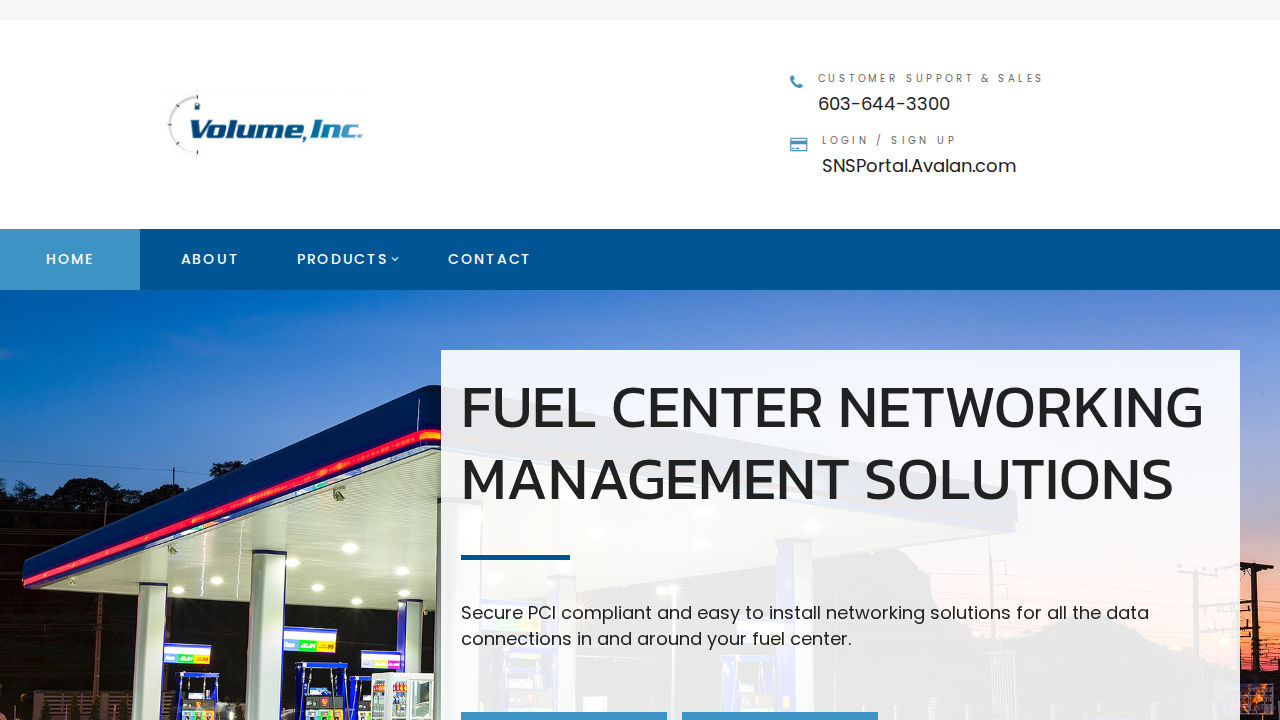
On 01/20/26 volumeinc.com scored 49% — **Below Average** – Overall, the site is findable, but some key signals that help AI systems understand and trust the brand aren’t coming through clearly yet.
Executive summary
Score Breakdown (High Level)
- Discoverability: 58% - We didn’t see a meta description or any image alt attributes, but basic crawl access and indexing signals are in place.
- Structured Data: 50% - No schema markup was found on the homepage, but the blog post included valid schema with a real author and no technical errors.
- AI Readiness: 67% - We didn’t see a Wikidata entity for the brand, but the site checks most of the core technical boxes like a valid sitemap, lastmod data, and clear About page links.
- Performance: 44% - The homepage's LCP was well outside the 'not poor' range, but other mobile performance measures for both the homepage and resource blog were solid.
- Reputation: 31% - We didn’t see any homepage links to social profiles, Wikidata presence, or clear review signals, and there was a notable negative employee mention in the sources.
- LLM-Ready Content: 52% - We found up-to-date content with a named author and schema markup, but the post is missing outbound links, tables, and mechanically descriptive or question-based subheadings.

The main takeaway at a glance
The big picture is that the site is generally accessible, but several signals that help AI systems confidently describe, connect, and trust the brand aren’t showing up consistently. A lot of what’s missing is less about “errors” and more about clarity—both in how the homepage communicates what the brand is, and how offsite signals support it. Below, we’ll walk through the specific areas that didn’t show up in the evaluation so you can see exactly what’s holding AI visibility back. None of this is unusual, and it’s all the kind of groundwork that becomes straightforward once it’s clearly mapped.
Detailed Report
❌ Missing core homepage metadata (description and image alt text)
What we saw
We weren’t able to find a description on the homepage, and the homepage images didn’t appear to include descriptive alt text. This leaves some basic context about the page and its visuals unclear.
Why this matters for AI SEO
Generative engines rely on clear page context to summarize and categorize what a site is about. When that context is thin, it’s harder for AI to confidently describe the brand and the page’s focus.
Next step
Add a clear homepage description and make sure key images include short, descriptive alt text.
❌ No image or video sitemap was found
What we saw
We didn’t see an image sitemap or a video sitemap associated with the site. That can make rich media harder to surface consistently.
Why this matters for AI SEO
When AI systems look for signals about what content exists on a site, having clear paths to important media can improve discovery and understanding. Missing this can reduce how often images or videos get recognized and reused.
Next step
Publish an image and/or video sitemap so your media assets are easier to discover.
❌ No structured data was detected on the homepage
What we saw
We didn’t see structured data on the homepage. As a result, the homepage isn’t clearly “self-describing” in a way machines can reliably interpret.
Why this matters for AI SEO
Structured data helps generative engines understand the site’s identity and key context without guesswork. When it’s missing on the homepage, AI may lean more heavily on inconsistent offsite signals.
Next step
Add structured data to the homepage that clearly describes the site and brand.
❌ No organization-type structured data was found on the homepage
What we saw
We didn’t see an organization-style structured data type on the homepage. That means the brand isn’t being explicitly labeled as an entity on the main entry point.
Why this matters for AI SEO
Entity clarity is a big part of how AI systems connect a brand to the right name, site, and real-world context. Without that clarity, brand understanding can be less consistent.
Next step
Add organization-focused structured data on the homepage that represents the business.
❌ Author profile lacked supporting identity links
What we saw
The resource/blog post identified the author, but the author information didn’t include any supporting identity links. That makes the author harder to corroborate across the web.
Why this matters for AI SEO
Generative engines tend to trust content more when authorship can be consistently tied to a real, verifiable identity. When that connection is missing, the author signal can feel weaker.
Next step
Add a few clear identity links for the author so their profile is easier to validate.
❌ No Wikidata entity was found for the brand
What we saw
We couldn’t find a Wikidata entity associated with the brand. That can limit how easily AI systems connect the brand to a recognized knowledge source.
Why this matters for AI SEO
Wikidata is one of the common reference points used to disambiguate brands and connect attributes consistently. Without it, AI can be less certain about “who” the brand is.
Next step
Create or claim a Wikidata entry that clearly represents the brand.
❌ Homepage main content appears slowly for users
What we saw
The homepage took a long time before the primary, above-the-fold content fully appeared. Even if the page eventually loads, that initial wait can feel sluggish.
Why this matters for AI SEO
If the main content is slow to show up, engagement and satisfaction signals can suffer, and AI-driven discovery can be less likely to treat the page as a strong entry point. It also increases the chance that key context isn’t captured quickly.
Next step
Improve how quickly the homepage’s main content becomes visible.
❌ Negative employee-related assertions were present in at least one source
What we saw
We saw employee-related negative assertions mentioned in at least one place. This showed up as a reputational signal tied to management and pay.
Why this matters for AI SEO
Generative engines may incorporate reputation narratives into summaries of a brand. If negative themes are present, they can influence how the brand is described.
Next step
Review the employee-related narratives showing up about the brand and address any inaccurate or outdated claims.
❌ Brand identity details were incomplete or inconsistent
What we saw
Some core identity fields (like official name and address) weren’t present or weren’t consistently confirmed. That can make the brand’s “official” profile feel fuzzy.
Why this matters for AI SEO
AI systems look for consistent identity anchors to avoid mixing brands up or producing uncertain summaries. Missing or conflicting identity details can reduce confidence.
Next step
Make sure your official brand name, domain, and address are consistently stated across the web and on your site.
❌ No confirmed Wikidata match for the brand
What we saw
We didn’t see a Wikidata entity that was found and matched to the brand. This reinforces the broader issue of weak entity recognition.
Why this matters for AI SEO
When a brand is tied to a clearly matched entity, AI systems can connect facts and references more reliably. Without that, brand understanding can be more fragmented.
Next step
Establish a Wikidata entry that clearly matches the brand’s official identity.
❌ Wikidata did not show clear official identity anchors
What we saw
We didn’t see evidence of Wikidata containing strong official anchors for the brand (like an official website and identifiers). That makes the entity less useful as a reference point.
Why this matters for AI SEO
Generative engines use authoritative anchors to confirm they’re talking about the right organization. Weak anchoring can reduce trust and consistency.
Next step
Strengthen the brand’s official identity anchors within Wikidata so it’s easier to validate.
❌ No clear third-party reviews or customer feedback were found
What we saw
We didn’t see confirmation that customer reviews exist for the brand. That leaves a gap in independent feedback signals.
Why this matters for AI SEO
AI-driven summaries often lean on third-party sentiment when describing a business. If review signals aren’t present, the brand can come across as harder to evaluate.
Next step
Make sure your business has visible, credible third-party review signals that AI can reference.
❌ Review sources weren’t clearly identifiable
What we saw
Where reviews might exist, the sources weren’t clearly named or confirmed. This makes it difficult to treat the feedback as grounded in specific platforms.
Why this matters for AI SEO
Generative engines tend to trust concrete, attributable sources more than vague references. Without clear sources, review signals may be discounted.
Next step
Ensure reviews are tied to well-known, clearly attributable sources.
❌ No clear consensus on major social profiles
What we saw
We didn’t see a clear, consistent set of “official” social profiles associated with the brand. That can create uncertainty about which accounts are real and current.
Why this matters for AI SEO
Social profiles can act as identity reinforcement signals. If AI can’t confidently connect official accounts to the brand, it can weaken entity trust.
Next step
Make sure your official social profiles are consistent and easy to confirm.
❌ The homepage didn’t link out to major social profiles
What we saw
We didn’t see links from the homepage to major social platforms. That removes an easy, on-site confirmation point for “official” profiles.
Why this matters for AI SEO
When a site clearly points to its official profiles, AI systems have an easier time verifying brand identity. Missing links can reduce confidence in attribution.
Next step
Add clear homepage links to the brand’s official social profiles.
❌ No clear independent press or coverage was found
What we saw
We didn’t see confirmation of independent coverage about the brand. This can make the brand feel less referenced in third-party contexts.
Why this matters for AI SEO
Independent mentions help generative engines validate that a brand is established and discussed beyond its own site. Without them, AI has fewer trusted references.
Next step
Build and highlight credible independent coverage that references the brand.
❌ No owned press or press releases were found
What we saw
We didn’t see evidence of on-site press content or press releases. That reduces the amount of official, publishable brand narrative available.
Why this matters for AI SEO
Owned press content can help AI systems understand milestones, claims, and context directly from the brand. Without it, there’s less structured storytelling to pull from.
Next step
Create a dedicated place for official announcements or press-style updates.
❌ No outbound links to external sources were found in the resource content
What we saw
On the resource/blog page, we didn’t see links pointing to relevant external websites. Everything appeared to stay internal.
Why this matters for AI SEO
External references can help generative engines understand the context around a topic and how your content relates to the broader ecosystem. Without them, the page can read as more self-contained.
Next step
Add a small number of relevant outbound links to credible external sources.
❌ No question-based subheadings were present
What we saw
We didn’t see subheadings written as questions on the resource page. This can make it less obvious which reader questions each section is meant to answer.
Why this matters for AI SEO
Generative engines often look for clear question-and-answer patterns to pull concise responses. Without question-style framing, content can be harder to map to common prompts.
Next step
Add a couple of subheadings that are phrased as real user questions.
❌ Some subheadings were too generic or not descriptive enough
What we saw
At least one section heading read more like a tagline than a specific topic label. That can make section meaning less scannable.
Why this matters for AI SEO
Clear, descriptive headings help AI systems chunk content accurately and understand what each section is really about. Vague headings can reduce extraction quality.
Next step
Rewrite generic headings so they clearly name the topic of the section.
❌ Section structure was inconsistent across the resource page
What we saw
The resource page sections weren’t consistently shaped, with noticeable variation in how long sections run. That can make the page feel less predictable to parse.
Why this matters for AI SEO
Consistent structure makes it easier for generative engines to identify comparable sections and reliably extract key points. Inconsistent sectioning can blur what’s most important.
Next step
Adjust the resource page so sections follow a more consistent, repeatable structure.
❌ No clear target audience or intent phrasing was found
What we saw
We didn’t see explicit phrasing that clarifies who the content is for (for example, a specific experience level or situation). That leaves audience fit implied rather than stated.
Why this matters for AI SEO
When audience and intent are explicit, generative engines can match the content to the right kind of query more confidently. If it’s implicit, the page can be harder to position.
Next step
Add a short line that clearly states the intended audience or use case for the content.
❌ No tables were found in the resource content
What we saw
We didn’t see any tables used in the resource page. That’s not required, but it’s a common way to present structured comparisons or quick reference info.
Why this matters for AI SEO
Well-structured formatting can make it easier for AI systems to extract crisp, reusable facts. Without it, key details may be harder to lift cleanly.
Next step
If it fits the topic, include a simple table that summarizes key information.
Does Anything Seem Off?
Thanks for taking our free GEO Grader for a spin. When we started this journey, the tool had a fairly long processing time to check everything we wanted both onsite and offsite, so we made a few adjustments on the backend to speed things up. As a result, there are times when the grader may not get everything 100% right. If something feels off, we recommend running the tool a second time to confirm the results. From there, you’re always welcome to reach out to us to schedule a GEO consultation, or to have your SEO provider validate the findings with a more detailed crawl and manual review.
