
Overview:
On 05/14/26 ademero.com/ scored 66% — **Decent** – Overall, most of the fundamentals are in place, but a few visibility and credibility gaps are keeping the site from showing up as strongly as it could in AI-driven results.
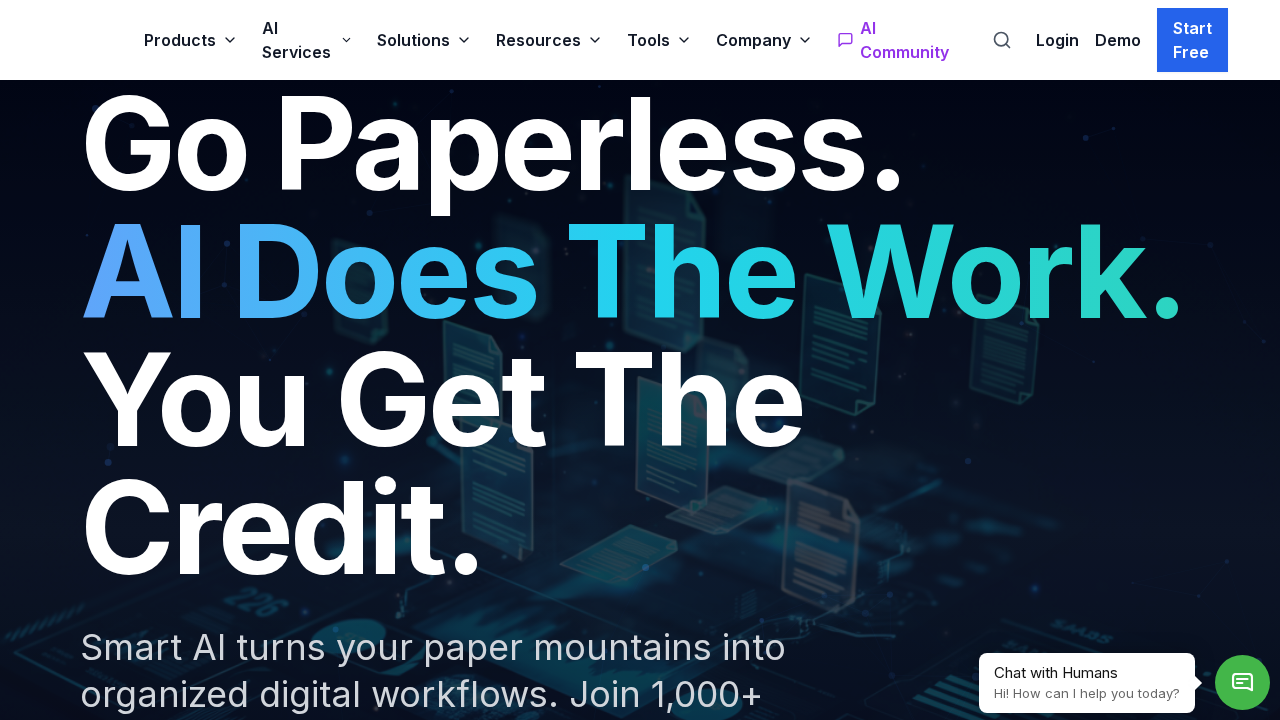
Executive summary
Score Breakdown (High Level)
- Discoverability: 100% - The site's discovery signals are mostly in great shape, though the absence of an image or video sitemap is the only notable gap.
- Structured Data: 75% - The site has a solid technical foundation with valid organization and product schema, though it lacks individual author identification on resource pages.
- AI Readiness: 67% - The site's technical foundation is solid with AI-friendly crawling rules and a detailed sitemap, though it currently lacks a Wikidata entity to solidify its brand identity for generative engines.
- Performance: 72% - Mobile performance is a bit of a mixed bag; responsiveness and layout stability are solid, but the extremely slow load times for main content are a significant hurdle.
- Reputation: 69% - The brand has a well-established offsite footprint with verified customer reviews and social profiles, though some conflicting location data and employee feedback were noted.
- LLM-Ready Content: 36% - The page is current and cohesive, but it suffers from overly long sections and a lack of specific authorship or external citations.

The big picture before details
What stands out most is that the site is generally in a good place for being found and understood, but it’s missing a few key credibility and clarity signals—especially around authorship and brand identity—and the main content takes a long time to appear. None of these read like “mistakes,” just areas where the site is leaving extra room for ambiguity in how AI systems interpret and summarize it. Next, we’ll walk through the specific missed items by section so you can see exactly where the gaps showed up. Overall, this is a manageable set of issues, and the report below keeps it focused and concrete.
Detailed Report
Discoverability
❌ No image or video sitemap found
What we saw
We didn’t detect an image sitemap or a video sitemap in the site data. That means visual content doesn’t have a dedicated discovery path.
Why this matters for AI SEO
AI-driven search experiences often blend in visuals, and they rely on clear signals to find and interpret media assets at scale. When those signals are missing, your visual content can be harder to surface and reference.
Next step
Publish an image sitemap and/or video sitemap and make sure it’s discoverable alongside your main sitemap.
Structured Data
❌ Resource page doesn’t identify a clear author
What we saw
On the resource page, we didn’t see a real, non-generic author identified either on the page or in the structured data. The content isn’t clearly tied back to a specific person or entity.
Why this matters for AI SEO
When authorship is unclear, it’s harder for AI systems to understand who is behind the content and how trustworthy it should be treated. That can reduce the likelihood of the page being reused or cited with confidence.
Next step
Add a clearly named author to the resource page and represent that same author consistently in structured data.
❌ Author profile lacks external identity links
What we saw
Because no author was detected on the resource page, there were also no associated external identity links included for an author profile. This leaves the author signal unconnected to any broader web presence.
Why this matters for AI SEO
AI engines tend to place more confidence in content when the creator can be connected to consistent, verifiable identity references. Without those links, the author signal is weaker and easier to ignore.
Next step
Include external identity links for the author in the structured data so the author can be clearly recognized across the web.
AI Readiness
❌ No Wikidata entity found for the brand
What we saw
We didn’t find a Wikidata entity ID associated with the brand in the available brand metadata. In other words, there’s no confirmed Wikidata reference tying the brand to a single, machine-readable identity.
Why this matters for AI SEO
Wikidata is a common reference point used to disambiguate brands and anchor key facts. When it’s missing, AI systems have a harder time confidently connecting your site to a definitive brand entity.
Next step
Create or claim a Wikidata entity for the brand so AI systems have a consistent identity anchor to reference.
Performance
❌ Homepage main content loads too slowly
What we saw
The homepage’s primary content took longer than expected to appear. This creates a noticeable delay before users (and crawlers) can engage with what the page is about.
Why this matters for AI SEO
Slow-loading main content can reduce how effectively pages are crawled, understood, and trusted—especially in mobile-first contexts. It also increases the odds that visitors won’t stick around long enough to reach the core message.
Next step
Reduce the time it takes for the homepage’s main content to appear so the primary message is available sooner.
❌ Resource page main content loads too slowly
What we saw
The resource page also showed a long delay before the main content fully appeared. That makes the page feel heavy even if it eventually becomes usable.
Why this matters for AI SEO
If key content takes too long to load, it can limit how quickly systems can extract and summarize the page reliably. Over time, that can weaken visibility in AI-driven discovery experiences.
Next step
Improve how quickly the resource page’s main content becomes visible so the core information is accessible earlier.
Reputation
❌ Negative employee feedback was detected
What we saw
At least one model surfaced negative employee feedback related to management, compensation, and culture. This didn’t appear as widespread customer negativity, but it did show up in employee sentiment.
Why this matters for AI SEO
AI systems increasingly synthesize offsite sentiment into brand summaries and comparisons. When negative employee assertions are present, it can affect how confidently a brand is described in higher-trust contexts.
Next step
Review the offsite employer sentiment being associated with the brand and make sure your public-facing narrative reflects the reality you want represented.
❌ Brand identity data is inconsistent across sources
What we saw
We saw conflicting address information for the business across different sources (including different cities/states). That creates ambiguity around the “official” business identity.
Why this matters for AI SEO
When identity details don’t line up, AI systems have to guess which version is correct. That can weaken trust, create confusion in generated answers, and make entity-level understanding less stable.
Next step
Align the brand’s core identity details across the web so the same business information is consistently reinforced.
❌ No Wikidata entity is associated with the brand
What we saw
No matching Wikidata entity was found for the brand in this review. That means a common third-party identity reference point isn’t available.
Why this matters for AI SEO
Without a Wikidata entity, it’s harder for AI models to confidently connect brand facts, profiles, and mentions into one consistent identity. This can lead to weaker or less reliable brand summaries.
Next step
Establish a Wikidata entity for the brand so major knowledge systems have a stable identifier to reference.
❌ No Wikidata identity anchors were found
What we saw
Because there isn’t a Wikidata entry in place, we also didn’t see Wikidata identity anchors that would typically connect the brand to other verified references. This leaves the brand less “pinned down” across datasets.
Why this matters for AI SEO
Identity anchors help AI systems reconcile who you are across different sources. When those anchors are missing, entity understanding can be less confident and more prone to mix-ups.
Next step
Add identity anchors through a Wikidata presence so the brand can be consistently matched across the broader web.
LLM-Ready Content (Blog Analysis)
Heads up: this section looks at one article as a snapshot, so it’s a little more interpretive than the rest of the report and may shift slightly from run to run. Have questions? Just shoot us an email at hello@v9digital.com
❌ No clear, non-generic author on the article
What we saw
We didn’t find a visible author name on the page, and we also didn’t see a specific author represented in structured data. The result is a “who wrote this?” gap.
Why this matters for AI SEO
Authorship helps AI systems evaluate credibility and decide whether a page is safe to reuse as a reference. When the creator isn’t clear, the content often carries less authority in generated answers.
Next step
Add a real, named author to the page and ensure the same author is represented consistently in the page’s structured data.
❌ No non-social external citations or reference links
What we saw
The links detected were internal or pointed to social/support destinations, but we didn’t see external reference links. That leaves the page without clear third-party citations.
Why this matters for AI SEO
External citations can help AI systems understand what claims are grounded in broader sources versus being purely promotional. Without them, the page can be harder to treat as a trusted explainer.
Next step
Add at least one relevant, non-social external reference link that supports or contextualizes a key claim on the page.
❌ A key section is too long to scan easily
What we saw
The “Frequently Asked Questions” section is very long and sits under a single heading as one big block. That makes it tougher to skim and extract discrete Q&A pairs.
Why this matters for AI SEO
AI systems do best when content is broken into clear, reusable chunks. Overly long blocks can reduce the odds that the right answer is pulled cleanly and attributed correctly.
Next step
Split the long FAQ block into smaller, clearly separated sections so each question-answer unit stands on its own.
❌ No HTML table detected (bonus)
What we saw
We didn’t detect a table on the page. That means there’s no structured, side-by-side comparison format available in this snapshot.
Why this matters for AI SEO
Tables can make feature comparisons, requirements, and step groupings easier for AI systems to interpret and summarize accurately. Without them, the same information may be harder to extract cleanly.
Next step
Where it makes sense, add a simple table that summarizes key comparisons or options discussed in the content.
❌ Key answers don’t show up early in most sections
What we saw
In most sections, the first paragraph is fairly thin and doesn’t quickly establish a clear, standalone answer or takeaway. The result is that readers (and AI) have to work harder to find the point.
Why this matters for AI SEO
Generative systems often prioritize pages that make the core answer obvious near the top of a section. If the “answer” is buried, the content is less likely to be quoted or summarized accurately.
Next step
Strengthen the opening paragraph of each major section so the main takeaway is clear right away.
Does Anything Seem Off?
Thanks for taking our free GEO Grader for a spin. When we started this journey, the tool had a fairly long processing time to check everything we wanted both onsite and offsite, so we made a few adjustments on the backend to speed things up. As a result, there are times when the grader may not get everything 100% right. If something feels off, we recommend running the tool a second time to confirm the results. From there, you’re always welcome to reach out to us to schedule a GEO consultation, or to have your SEO provider validate the findings with a more detailed crawl and manual review.
