
Overview:
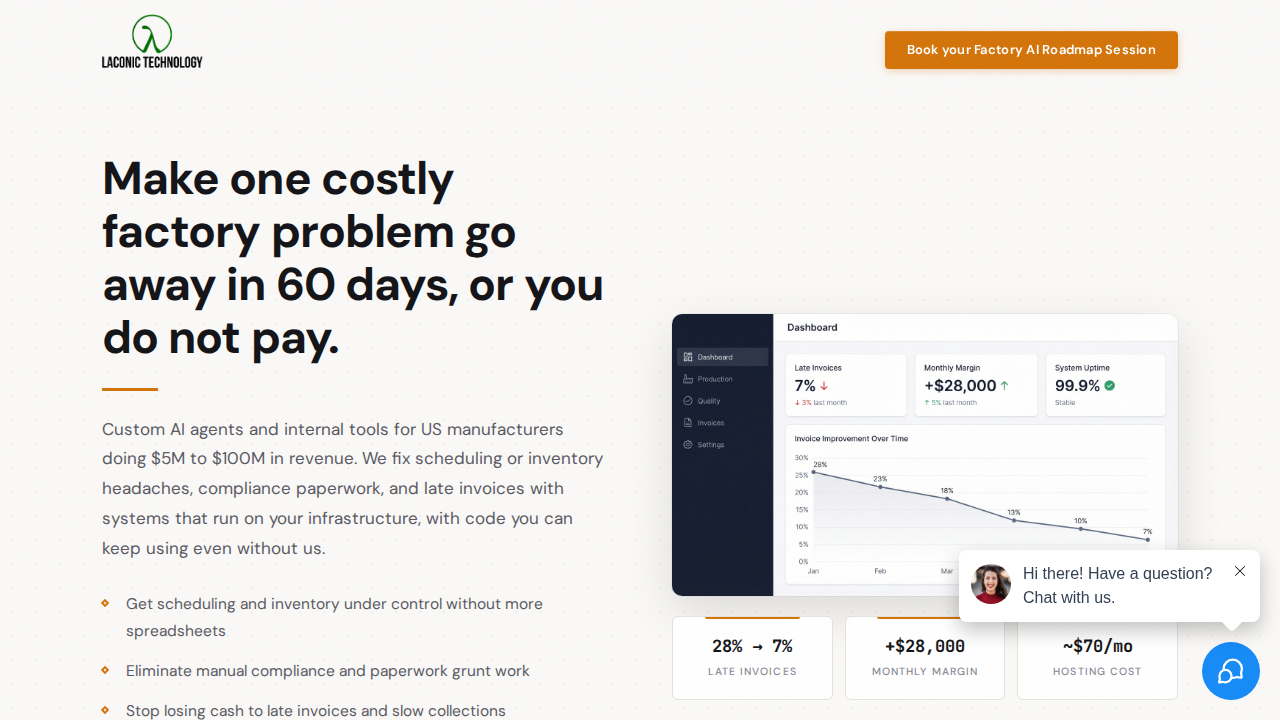
On 06/23/26 laconictech.com scored 42% — **Below Average** – Overall, the site has some solid basics, but it’s missing a few key signals that help AI systems confidently understand and validate the brand.
Executive summary
Score Breakdown (High Level)
- Discoverability: 100% - Overall, the site's foundation looks solid with good metadata and no indexing blocks, but we couldn't find an XML sitemap to help with discovery.
- Structured Data: 0% - We weren't able to find any schema markup or structured data on the site, which makes it harder for search engines to identify your business as a distinct entity.
- AI Readiness: 17% - The site isn't blocking AI bots, but it lacks the sitemaps and brand context pages needed for better discovery and identity verification.
- Performance: 50% - The site shows great responsiveness and visual stability, but the initial page load time is significantly slower than the recommended threshold.
- Reputation: 35% - The brand has a very limited off-site footprint and some conflicting identity data that makes it harder for generative engines to verify its authority.
- LLM-Ready Content: 56% - The page establishes strong authority through clear authorship and recent updates, though the content structure and subheadings are currently too brief for optimal AI parsing.

What stands out most overall
The big picture is that the site comes through as real and usable, but key context and verification signals aren’t showing up consistently for AI systems. These gaps read more like “hard to confirm” and “hard to interpret quickly” than outright problems with the site’s intent. Below, we break down the specific areas where signals were missing across discoverability, structured data, AI readiness, performance, reputation, and content structure. None of this is unusual—it’s the kind of foundational visibility work a lot of solid sites simply haven’t had to prioritize yet.
Detailed Report
Discoverability
❌ XML sitemap not found
What we saw
We didn’t detect a standard XML sitemap for the site. That makes it harder to get a clean, complete picture of what pages exist.
Why this matters for AI SEO
Generative engines often rely on clear site mapping signals to discover and revisit important pages efficiently. When that map is missing, coverage and understanding can be less consistent.
Next step
Create and publish a standard XML sitemap for the site.
❌ No image or video sitemap found
What we saw
We didn’t find any specialized sitemap files for images or video content. If rich media is important on the site, that’s a visibility gap.
Why this matters for AI SEO
AI systems pull context from a mix of page content and media, and dedicated discovery signals can help them find and interpret those assets. Without them, media can be easier to miss.
Next step
Publish image and/or video sitemaps if the site relies on those assets.
Structured Data
❌ No schema markup detected on the homepage
What we saw
We didn’t find any structured data markup on the homepage. In practice, that means the page isn’t clearly “labeling” what the business is in a machine-readable way.
Why this matters for AI SEO
Generative engines use structured data to reduce ambiguity about who you are and what you offer. When it’s missing, they have to guess from page copy and offsite sources, which can be inconsistent.
Next step
Add schema markup to the homepage so the business details are explicitly defined.
❌ Organization-type schema not present on the homepage
What we saw
No organization-related structured data (like an Organization or similar type) was detected on the homepage. That leaves the brand identity less explicit.
Why this matters for AI SEO
These identity signals help AI systems connect your website to a single, consistent entity. Without them, it’s easier for the brand to be misidentified or conflated.
Next step
Include an organization-focused schema type on the homepage that clearly represents the business.
❌ Resource/blog page structured data couldn’t be verified
What we saw
The resource/blog page HTML wasn’t available for evaluation, so we couldn’t confirm whether it includes structured data. As a result, this area was treated as missing.
Why this matters for AI SEO
Content pages are where AI engines often look for extra context (like authorship and article details). If those signals can’t be found reliably, content is harder to trust and reuse.
Next step
Ensure key resource/blog pages include structured data that can be consistently detected.
❌ No schema validation state available (because no schema was found)
What we saw
Because no structured data was detected, there was nothing to validate for major errors. This was flagged as a failure due to the absence of any schema layer.
Why this matters for AI SEO
AI systems are more confident when they can find consistent, well-formed identity and content signals. With no structured data present, that confidence has to come from weaker cues.
Next step
Add structured data first, then confirm it’s consistently readable and error-free.
❌ Blog/resource author clarity couldn’t be verified
What we saw
No resource page was provided in a way that allowed us to verify a clear, non-generic author. This left authorship signals unconfirmed.
Why this matters for AI SEO
Clear authorship helps AI engines assess credibility and connect content to real people. When author identity isn’t easy to verify, content trust can be weaker.
Next step
Make sure resource/blog content clearly identifies a real author in a way that can be consistently detected.
❌ Author identity links (sameAs) not found
What we saw
We didn’t find author structured data with identity links (often represented as “sameAs”). This was also impacted by the lack of usable resource page data.
Why this matters for AI SEO
Identity links help AI systems connect an author to consistent, verifiable profiles elsewhere on the web. Without them, it’s harder for engines to confirm that the author is a real, established entity.
Next step
Add author structured data that includes identity links to trusted profiles where appropriate.
AI Readiness
❌ Sitemap not found for AI agents to reference
What we saw
A standard sitemap wasn’t found at the expected location. That removes a common “index of pages” that many automated agents can lean on.
Why this matters for AI SEO
When AI crawlers and agents can’t quickly map site structure, they may miss important pages or revisit them less predictably. That can limit how completely your site is represented.
Next step
Publish a standard sitemap that AI agents can reliably discover.
❌ Sitemap update details (last modified) not available
What we saw
Because there was no sitemap available, we couldn’t confirm any update timing details within it. This left freshness signals unconfirmed.
Why this matters for AI SEO
Update context helps systems understand what’s new, what’s changed, and what deserves recrawling. Without it, content refreshes can be harder to detect.
Next step
Include update timing information in the sitemap once it exists.
❌ No clear About/Company-style context page detected
What we saw
We didn’t detect internal navigation pointing to a clear brand context page (like an “About,” “Company,” or “Team” page). That makes the brand story and identity harder to verify.
Why this matters for AI SEO
AI systems look for straightforward context about who’s behind a site and what the organization is. When that context isn’t easy to find, the brand can feel less “grounded.”
Next step
Add a clearly labeled brand context page that explains who the company is.
❌ No Wikidata entity found for the brand
What we saw
We couldn’t find a Wikidata item associated with the brand. This limits how easily the brand can be tied into common knowledge graph systems.
Why this matters for AI SEO
Many AI experiences rely on entity-based understanding. Without a clear entity record, brand verification can lean more heavily on inconsistent third-party references.
Next step
Create and/or claim an official Wikidata entity for the brand if appropriate.
Performance
❌ Main content takes too long to appear
What we saw
The largest main element on the homepage took a long time to render on mobile. This suggests users (and automated browsers) wait too long before they can meaningfully engage.
Why this matters for AI SEO
If the main content is slow to appear, crawlers and AI agents may capture less context or get an incomplete view of the page. That can reduce understanding and confidence in what the page is about.
Next step
Reduce the time it takes for the homepage’s primary content to render.
Reputation
❌ Brand identity appears inconsistent
What we saw
We saw an identity conflict where the address shown on the site didn’t match the address some models associate with the brand. This creates mixed signals about the business’s real-world footprint.
Why this matters for AI SEO
Generative engines lean heavily on consistency when they decide what’s “true” about a brand. Conflicting identity info makes it harder for them to confidently describe who you are.
Next step
Align the brand’s key identity details so they’re consistent across the site and major references.
❌ No Wikidata entry recognized
What we saw
No matching Wikidata record was found for the brand. This leaves one common entity-verification path empty.
Why this matters for AI SEO
When a brand is clearly represented as an entity, AI systems can connect facts and references more reliably. Without that anchor, the brand can look less established.
Next step
Establish an official Wikidata entity for the brand if it’s a fit.
❌ No Wikidata identity anchors found
What we saw
We didn’t see official identifiers (like the website) anchored within Wikidata for the brand. That means there isn’t a confirmed “this is the official site” connection.
Why this matters for AI SEO
Identity anchors help reduce confusion and improve confidence when AI systems reconcile sources. Without them, it’s easier for the brand to be mismatched.
Next step
Add the brand’s official website and identifiers as anchors within its entity record where applicable.
❌ Third-party reviews weren’t clearly found
What we saw
We didn’t see reliable confirmation that third-party reviews exist for the brand. This leaves an important set of trust signals unclear.
Why this matters for AI SEO
Reviews are one of the easiest ways for AI systems to gauge real-world credibility. When reviews can’t be found consistently, the brand’s reputation looks quieter than it may actually be.
Next step
Build a clearer third-party review footprint that can be consistently verified.
❌ Review sources weren’t concrete
What we saw
Even where reviews might exist, we didn’t see concrete, verifiable sources consistently identified. That makes it hard to validate the signals.
Why this matters for AI SEO
AI systems prefer sources they can name and cross-check. When sources aren’t clear, trust signals don’t carry as much weight.
Next step
Make sure review sources are clearly established and referenceable.
❌ Social profiles couldn’t be confidently verified
What we saw
Major social profiles couldn’t be verified consistently across sources. This makes the brand feel less connected and less confirmable offsite.
Why this matters for AI SEO
Social profiles often act as lightweight identity confirmation. When they’re missing or unclear, AI engines have fewer ways to validate the brand.
Next step
Establish and standardize official social profiles so they can be consistently recognized.
❌ Homepage doesn’t link to social profiles
What we saw
We didn’t find homepage links pointing to common social platforms. That removes an easy “official verification” path.
Why this matters for AI SEO
Direct links help AI systems confirm which profiles are truly owned and maintained by the brand. Without them, systems may hesitate to associate accounts with your business.
Next step
Add clear homepage links to the brand’s official social profiles.
❌ Independent press signals weren’t found
What we saw
We didn’t see dependable confirmation of independent media coverage or third-party mentions. That limits outside validation.
Why this matters for AI SEO
Independent coverage can help AI systems understand prominence and credibility. When it’s missing, the brand can appear less established.
Next step
Build verifiable independent mentions that can be consistently discovered.
❌ Owned press signals weren’t found
What we saw
We didn’t see confirmed company-led press or announcement signals that could be validated. That reduces the brand’s “official narrative” footprint.
Why this matters for AI SEO
Owned press can help AI systems understand what the company prioritizes and how it presents itself publicly. Without it, there’s less official context to pull from.
Next step
Establish a verifiable owned press footprint that AI systems can reference.
LLM-Ready Content (Blog Analysis)
Heads up: this section looks at one article as a snapshot, so it’s a little more interpretive than the rest of the report and may shift slightly from run to run. Have questions? Just shoot us an email at hello@v9digital.com
❌ Sections aren’t chunked into consistently “readable” blocks
What we saw
The page’s sections came in slightly under the typical length range that gives AI systems enough context in each chunk. As a result, individual sections can feel a bit thin.
Why this matters for AI SEO
AI models do better when each section contains enough self-contained context to interpret it confidently. Shorter chunks can make answers feel incomplete or harder to extract.
Next step
Expand section content so each segment provides more complete standalone context.
❌ No table detected (bonus signal)
What we saw
We didn’t detect a table on the page. This removes one optional formatting pattern that can make facts easier to pull and summarize.
Why this matters for AI SEO
Structured formatting can help AI systems extract comparisons, definitions, or lists more reliably. Without it, key details may be more scattered in narrative text.
Next step
Add a simple table where it naturally supports the article’s key comparisons or takeaways.
❌ Subheadings aren’t descriptive enough
What we saw
Most subheadings didn’t clearly reflect the specific answer or point made in the first sentence of their section. That makes the content’s structure harder to skim and interpret.
Why this matters for AI SEO
Generative systems often rely on headings to understand what each section is “about” before pulling details. Vague headings can reduce clarity and make extraction less precise.
Next step
Rewrite subheadings so they clearly preview the specific point each section answers.
Does Anything Seem Off?
Thanks for taking our free GEO Grader for a spin. When we started this journey, the tool had a fairly long processing time to check everything we wanted both onsite and offsite, so we made a few adjustments on the backend to speed things up. As a result, there are times when the grader may not get everything 100% right. If something feels off, we recommend running the tool a second time to confirm the results. From there, you’re always welcome to reach out to us to schedule a GEO consultation, or to have your SEO provider validate the findings with a more detailed crawl and manual review.
