
Overview:
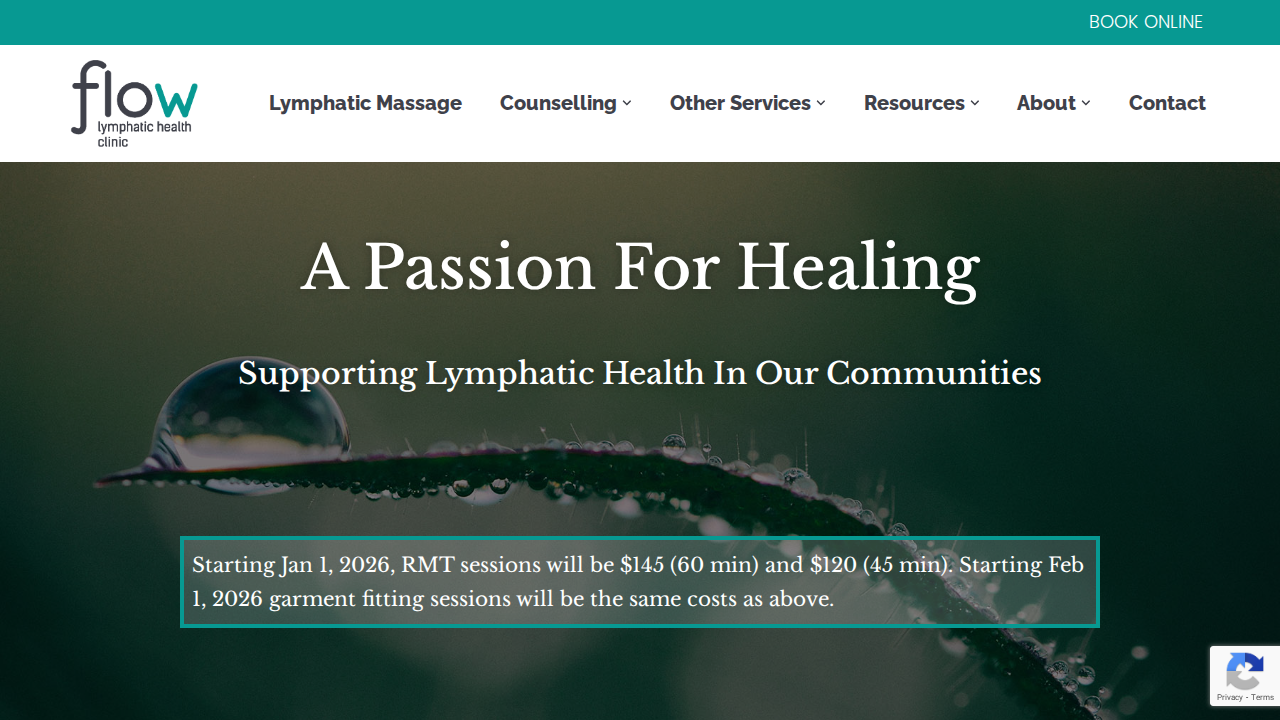
On 01/29/26 lymphatichealthclinic.com/ scored 56% — **Fair** – Overall, the fundamentals are there, but a few clarity and credibility gaps are keeping the brand’s AI visibility from feeling fully consistent.
Executive summary
Score Breakdown (High Level)
- Discoverability: 100% - The site is highly discoverable and properly indexed with solid metadata, though adding a media-specific sitemap would help with image search visibility.
- Structured Data: 58% - The site has a solid schema foundation on the homepage, but we weren't able to verify any content-specific markup or author details because a resource page wasn't provided.
- AI Readiness: 67% - The site has a strong technical foundation for AI crawling and indexing, though it lacks a verified Wikidata entity to anchor its brand identity.
- Performance: 0% - We weren't able to confirm the site's mobile performance metrics because the data wasn't available during our review.
- Reputation: 73% - We found a strong presence for the brand name across multiple models, but there’s a significant conflict regarding the clinic’s physical location that needs to be resolved.
- LLM-Ready Content: 48% - The site provides current, well-explained information but lacks individual author attribution and uses very short, fragmentary content sections that limit depth.

What stands out most overall
The big picture is that your site reads as real and relevant, but a few key signals aren’t as consistent or as detailed as AI systems typically like. Several gaps are less about “something being wrong” and more about missing context that helps systems confidently connect your brand, content, and identity. The breakdown below walks through the specific areas where information was missing, unclear, or couldn’t be verified during this run. None of this is unusual—these are common, fixable visibility gaps for growing brands.
Detailed Report
Discoverability
❌ No image or video sitemap detected
What we saw
We didn’t find an image or video sitemap in the sitemap index or at common locations. That leaves your visual content less clearly mapped for discovery.
Why this matters for AI SEO
When AI-powered search experiences try to pull in visual context, clearer signals about where media lives can help them find and interpret it more reliably. Without that, some media content may be harder for systems to surface with confidence.
Next step
Add an image and/or video sitemap and make sure it’s referenced alongside your existing sitemap setup.
Structured Data
❌ No structured data found on the resource/blog page
What we saw
The resource/blog page we attempted to evaluate (resource.html.html) was missing or empty, so we couldn’t detect any content-level structured data there.
Why this matters for AI SEO
AI systems rely on consistent page context to understand what a piece of content is and how it relates to your brand. When that context isn’t present (or the page can’t be evaluated), it limits how confidently the content can be interpreted and reused.
Next step
Confirm the intended resource/blog URL is accessible and includes the expected content context.
❌ No clear, non-generic author identified on the resource/blog post
What we saw
Because the resource/blog page was missing or empty, we weren’t able to find a clear author attribution for that content.
Why this matters for AI SEO
Author clarity helps AI systems connect content to real expertise and improves how confidently they can treat the information as trustworthy. When authorship isn’t present, the content can feel “orphaned” from an authority standpoint.
Next step
Make sure the resource/blog content clearly identifies a specific author.
❌ Author entity details (SameAs) not found for the resource/blog post
What we saw
We couldn’t locate author entity details (including SameAs-style identity links) because the resource/blog page was missing or empty.
Why this matters for AI SEO
When AI systems can’t connect an author to consistent identity references, it’s harder for them to disambiguate who wrote the content and whether that person is credible across the web.
Next step
Ensure the author information includes clear identity references that connect the author to recognizable profiles.
AI Readiness
❌ No Wikidata entity found for the brand
What we saw
We didn’t find a Wikidata entity associated with the brand in the provided brand data.
Why this matters for AI SEO
Wikidata is one of the common reference points AI systems use to verify and connect brand identity across sources. Without it, it can be harder for generative engines to confidently tie your site to a single, verified entity.
Next step
Create or claim a Wikidata entity for the brand so AI systems have a stronger external identity reference.
Performance
❌ Homepage responsiveness data unavailable
What we saw
We weren’t able to retrieve the homepage responsiveness metric data due to a data source error during the audit.
Why this matters for AI SEO
When performance can’t be verified, it creates uncertainty around how reliably users (and systems that simulate user experience) can access and process the page.
Next step
Re-run performance collection to confirm homepage responsiveness signals can be successfully retrieved.
❌ Homepage loading data unavailable
What we saw
We couldn’t pull the homepage loading metric data because the performance data source returned an error.
Why this matters for AI SEO
If loading behavior can’t be measured, it’s harder to validate whether the page experience supports consistent crawling, rendering, and user access.
Next step
Re-run performance collection so the homepage loading signals can be validated.
❌ Homepage layout stability data unavailable
What we saw
The layout stability metric data for the homepage wasn’t available during this run due to missing performance data.
Why this matters for AI SEO
Stable page rendering supports clearer extraction and a smoother experience, and missing measurement leaves an open question about consistency.
Next step
Re-run performance collection to confirm layout stability can be measured successfully.
❌ Overall homepage performance rating unavailable
What we saw
We couldn’t retrieve the overall homepage performance rating because the underlying performance metrics weren’t returned in this run.
Why this matters for AI SEO
When overall performance signals can’t be assessed, it limits confidence in how consistently the homepage can be accessed and interpreted across devices and systems.
Next step
Re-run the audit to confirm performance data is available and can be evaluated.
Reputation
❌ Brand identity appears inconsistent across sources
What we saw
We saw an address/location conflict, where different AI models associated the brand with different cities (including New York, London, and Vancouver).
Why this matters for AI SEO
When identity details don’t line up consistently, AI systems have a harder time confidently understanding who you are and which real-world entity your site represents.
Next step
Align your brand’s identity details so external systems consistently associate the brand with the correct location.
❌ No matching Wikidata entity found for the brand
What we saw
No matching Wikidata entry was found for the brand in the research results.
Why this matters for AI SEO
Without a recognized entity reference, generative engines have fewer reliable “source of truth” anchors to verify and connect your brand across the web.
Next step
Establish a Wikidata entity that matches the brand so AI systems can verify it more easily.
❌ No official identity anchors available via Wikidata
What we saw
Because there wasn’t a matching Wikidata entity, we didn’t see official anchors (like an official website reference or other identifiers) tied to the brand there.
Why this matters for AI SEO
Official anchors help AI systems connect different mentions back to the same verified brand, improving confidence and reducing confusion.
Next step
Add official identity anchors to the brand’s entity record so it can be validated consistently.
❌ Inconsistent consensus on major social profiles
What we saw
Only a minority of AI models identified the brand’s social profiles, so there wasn’t strong agreement on which profiles are the “main” ones.
Why this matters for AI SEO
When social identity isn’t consistently recognized, AI systems may be less confident in brand verification and may surface incomplete or mismatched references.
Next step
Make sure your official social profiles are consistently and clearly associated with the brand across the web.
LLM-Ready Content (Blog Analysis)
Heads up: this section looks at one article as a snapshot, so it’s a little more interpretive than the rest of the report and may shift slightly from run to run. Have questions? Just shoot us an email at hello@v9digital.com
❌ No specific author attribution found
What we saw
We didn’t see a clear, non-generic author listed on the page content (either visibly or via structured details). That makes the content feel detached from an identifiable expert.
Why this matters for AI SEO
AI systems tend to rely on author signals to judge credibility and reuse content confidently. When authorship is unclear, the content can be treated as less authoritative.
Next step
Add a clear author name for the article and make it easy to connect that person to the content.
❌ Sections are too short to support detailed extraction
What we saw
The content is broken into sections, but the sections themselves are very brief and read more like fragments than full explanations. That leaves limited context for someone (or something) trying to understand the topic quickly.
Why this matters for AI SEO
Generative systems pull “chunks” of meaning, and thin sections reduce the odds of capturing complete, reusable answers. That can lead to weaker summaries or missed coverage in AI results.
Next step
Expand the core sections so each one provides enough standalone context to answer a specific question clearly.
❌ No table-based structure found
What we saw
We didn’t find any table-style formatting on the page. That means key details aren’t presented in an easy-to-scan, structured layout.
Why this matters for AI SEO
Structured presentation can make it easier for AI systems to extract and compare discrete details. Without it, important specifics may be harder to interpret cleanly.
Next step
Add a simple table where it naturally fits (for example, summarizing services, conditions, or key differences).
❌ Subheadings are too generic to signal clear topics
What we saw
Subheadings were present but tended to be short and generic (for example, labels like “About” or “Our team”). As a result, the headings don’t do much to preview what the section actually covers.
Why this matters for AI SEO
Clear, descriptive headings help AI systems map sections to specific intents and questions. When headings are vague, systems have a harder time categorizing and pulling the right segment.
Next step
Rewrite subheadings so they describe the specific topic of the section in plain language.
Does Anything Seem Off?
Thanks for taking our free GEO Grader for a spin. When we started this journey, the tool had a fairly long processing time to check everything we wanted both onsite and offsite, so we made a few adjustments on the backend to speed things up. As a result, there are times when the grader may not get everything 100% right. If something feels off, we recommend running the tool a second time to confirm the results. From there, you’re always welcome to reach out to us to schedule a GEO consultation, or to have your SEO provider validate the findings with a more detailed crawl and manual review.
