
Overview:
On 04/07/26 torpeytags.com scored 47% — **Below Average** – Overall, the site feels credible, but a few key visibility and clarity gaps are holding back how well AI systems can understand and surface it.
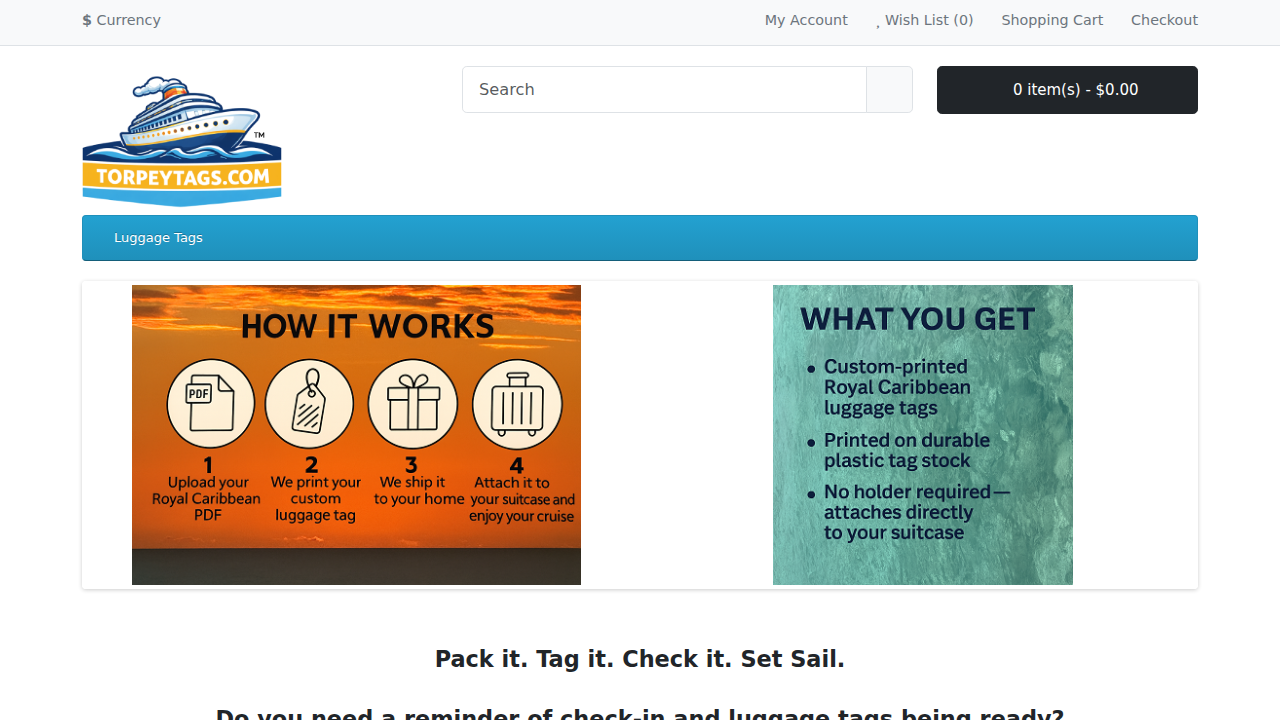
Executive summary
Score Breakdown (High Level)
- Discoverability: 100% - The site is technically accessible and has the right metadata in place, but the total lack of XML sitemaps is a clear bottleneck for discovery.
- Structured Data: 0% - We weren't able to find any schema markup or structured data on the site, which means search engines have to do more guesswork to understand the business and products.
- AI Readiness: 33% - The site is open to AI crawlers and has a clear about page, but missing technical discovery files and a Wikidata presence are limiting its baseline AI readiness.
- Performance: 50% - Mobile performance is mostly reliable and responsive, though the homepage has a significant delay in loading its main visual content.
- Reputation: 58% - The brand has a solid foundation of press and reviews, but conflicting identity data and missing social links on the site are holding back the overall score.
- LLM-Ready Content: 40% - The page is missing the standard heading structure and author attribution that AI systems use to categorize and trust specific content sections.

The big picture on AI visibility
What stands out most is that the site has a workable baseline, but several core signals that help AI systems confirm identity and interpret pages cleanly are missing or inconsistent. These aren’t “mistakes” so much as clarity gaps that can make your brand and content harder to summarize with confidence. The detailed sections below break down where the missing signals showed up across discoverability, structured data, reputation, performance, and content formatting. Once those are addressed, it’s typically much easier to earn more consistent visibility in AI-driven results.
Detailed Report
Discoverability
❌ Missing XML sitemap
What we saw
We didn’t find an XML sitemap available for the site. That means there isn’t a clear, centralized list of pages for crawlers to reference.
Why this matters for AI SEO
When discovery signals are incomplete, AI systems and search crawlers can miss pages or take longer to build an accurate picture of what your site contains. That can reduce how consistently your content shows up in AI-driven answers.
Next step
Publish an XML sitemap for the site and make sure it’s accessible at a standard, crawlable location.
❌ No image or video sitemap found
What we saw
We didn’t see a dedicated sitemap that helps crawlers understand the site’s image and/or video content. As a result, media assets may be harder to fully discover and interpret at scale.
Why this matters for AI SEO
Generative engines often rely on strong context around media to understand products, pages, and intent. If media discovery is limited, your visuals are less likely to support or reinforce your brand in AI outputs.
Next step
Create and publish an image and/or video sitemap if your site relies on media to communicate key information.
Structured Data
❌ No structured data detected on the homepage
What we saw
We didn’t find structured data on the homepage that clearly describes the business and its core attributes. From an automated perspective, the homepage reads more like general content than a well-labeled entity.
Why this matters for AI SEO
Without structured data, AI systems have to infer important facts (who you are, what you do, and how to classify you), which can lower confidence and increase inconsistency in how you’re represented.
Next step
Add structured data to the homepage so core business details are explicitly described in a machine-readable way.
❌ No organization-focused structured data found
What we saw
We didn’t see structured data that clearly defines the organization behind the site. That leaves the “who” behind the website under-specified.
Why this matters for AI SEO
Generative engines lean on strong identity signals to connect your site to a consistent brand entity. When those signals are missing, it’s harder for systems to verify and trust the brand details they might surface.
Next step
Include organization-focused structured data that names the business and ties it to consistent identity information.
❌ Blog/resource structured data couldn’t be verified
What we saw
A resource or blog page wasn’t provided for this structured data review, so article-level and author-level signals couldn’t be confirmed.
Why this matters for AI SEO
When content pages can’t be evaluated for clear ownership and attribution, it’s harder for AI systems to treat the information as confidently sourced and reusable.
Next step
Provide a representative blog/resource URL for review and ensure it includes clear, machine-readable content attribution.
❌ No structured data quality validation possible
What we saw
Because there wasn’t structured data present, there wasn’t anything to validate for completeness or correctness.
Why this matters for AI SEO
If machine-readable information isn’t present (and therefore can’t be validated), AI systems are more likely to rely on weaker, indirect clues that can be incomplete or inconsistent.
Next step
Implement structured data first, then confirm it’s consistently readable and free of major issues.
❌ Author identity couldn’t be confirmed for content
What we saw
No resource page was provided, so we couldn’t verify whether articles list a clear, non-generic author.
Why this matters for AI SEO
Clear authorship helps AI systems understand who is responsible for the content, which can improve trust and reduce ambiguity when summarizing or citing it.
Next step
Ensure content pages include a specific author identity that can be consistently recognized.
❌ No author identity links detected
What we saw
We didn’t see author identity information that connects to external profiles or references in a structured way.
Why this matters for AI SEO
When author identity isn’t anchored to recognizable external references, it’s harder for AI systems to disambiguate the author and assign credibility across the web.
Next step
Add author identity references that connect the author to consistent external profiles.
AI Readiness
❌ Site structure isn’t clearly mapped for crawlers
What we saw
We didn’t find an XML sitemap, so there isn’t a clear, machine-friendly map of the site’s pages.
Why this matters for AI SEO
AI and search systems do best when they can efficiently discover and interpret the full site. Without a clear map, important pages can be under-discovered or inconsistently understood.
Next step
Add an XML sitemap that reflects the site’s key URLs.
❌ Page update signals aren’t available via sitemap
What we saw
Because a sitemap wasn’t found, we couldn’t confirm any page update information within it.
Why this matters for AI SEO
Freshness and recency signals help AI systems decide what to trust and what to prioritize when summarizing topics that change over time.
Next step
Include page update information within the sitemap so changes are easier for crawlers to interpret.
❌ No Wikidata entity found for the brand
What we saw
We didn’t find a Wikidata entity associated with the brand. That leaves a notable gap in third-party entity verification.
Why this matters for AI SEO
Generative engines often use well-known entity sources to confirm identity and connect brand details across the web. If that footprint is missing, the brand can be harder to verify and summarize confidently.
Next step
Create or claim a Wikidata entity for the brand with consistent identity information.
Performance
❌ Main content takes too long to appear on the homepage
What we saw
The homepage’s primary content took over seven seconds to fully display. This suggests visitors (and automated systems simulating visitors) may experience a slow start before the page feels usable.
Why this matters for AI SEO
If key content appears late, crawlers and AI systems may capture less context during initial processing, and users are more likely to bounce before they see value.
Next step
Prioritize improving the time it takes for the homepage’s main content to render.
Reputation
❌ Negative client assertion was detected
What we saw
We saw a negative client assertion associated with the brand in the available research signals.
Why this matters for AI SEO
Generative engines can echo strong negative claims when they appear in the broader information ecosystem, which can influence how your brand is summarized.
Next step
Identify the source of the negative claim and address it directly with clear, verifiable brand messaging and support content.
❌ Brand identity signals appear inconsistent
What we saw
We saw conflicting identity details, including an address mismatch across sources. This makes the brand footprint feel less unified.
Why this matters for AI SEO
When identity signals conflict, AI systems have a harder time confidently attaching the right facts to the right brand, which can reduce trust and visibility.
Next step
Standardize core brand identity details across your key public profiles and references.
❌ Wikidata entity is missing or doesn’t match
What we saw
No matching Wikidata entry was found for the brand.
Why this matters for AI SEO
A missing entity record removes a commonly used verification reference, which can make it harder for AI systems to confidently connect your website to your brand entity.
Next step
Create or correct a Wikidata entity so it clearly maps to the brand.
❌ Official identity anchors aren’t present on Wikidata
What we saw
Because no Wikidata presence was found, we also didn’t see official identity anchors there (like an official site reference or identifiers).
Why this matters for AI SEO
Official anchors help AI systems validate that an entity is legitimate and tie it back to the correct owned web presence.
Next step
Ensure the brand’s Wikidata entry includes official identity anchors that point back to the business.
❌ Homepage doesn’t link to major social profiles
What we saw
We didn’t find links from the homepage to major social media profiles.
Why this matters for AI SEO
Social profile links help reinforce brand legitimacy and identity consistency, which can support how AI systems verify and summarize the brand.
Next step
Add clear homepage links to the brand’s primary social profiles.
LLM-Ready Content (Blog Analysis)
Heads up: this section looks at one article as a snapshot, so it’s a little more interpretive than the rest of the report and may shift slightly from run to run. Have questions? Just shoot us an email at hello@v9digital.com
❌ No clear, non-generic author identified
What we saw
We didn’t see a specific individual (or clearly named author entity) associated with the content. The attribution present was too generic to function as real authorship.
Why this matters for AI SEO
Authorship helps AI systems judge credibility and connect content to a real-world source. When it’s missing, the content can be treated as lower-confidence or harder to cite.
Next step
Add a specific, human author name (or clear author entity) to the page.
❌ Content isn’t broken into clearly labeled sections
What we saw
The page doesn’t use clear section headings to split the content into distinct parts. That makes it harder for machines to quickly understand the layout and the main talking points.
Why this matters for AI SEO
Generative engines pull answers by identifying, extracting, and summarizing discrete sections. When the structure is flat, key details are easier to miss or mis-prioritize.
Next step
Restructure the page so the main topics are separated into clearly labeled sections.
❌ No table-based summary for key details
What we saw
We didn’t find a table that summarizes important information in a structured format. Any key details appear to be presented only in paragraph form.
Why this matters for AI SEO
Tables make it easier for AI systems to extract and reuse concrete facts without ambiguity. Without them, information can be harder to pull cleanly into answers.
Next step
Add a simple table where it naturally fits to summarize key details users might want to compare or reference quickly.
❌ Subheadings couldn’t be evaluated for clarity
What we saw
Because the page doesn’t include clear section headings, we couldn’t validate whether the subheadings are descriptive and specific.
Why this matters for AI SEO
Descriptive section labels act like signposts for AI summarization, helping systems map which parts of the page answer which questions.
Next step
Add descriptive section headings that reflect the actual questions or topics each section covers.
❌ Key answers don’t clearly show up early in the page
What we saw
We couldn’t confirm that key answers appear early in the content flow because there weren’t clear sections to evaluate positioning against.
Why this matters for AI SEO
AI systems often prioritize early, clearly stated answers when summarizing a page. If the structure doesn’t surface those answers cleanly, important points can be underweighted.
Next step
Ensure each major section starts with a clear, direct takeaway before going into supporting detail.
Does Anything Seem Off?
Thanks for taking our free GEO Grader for a spin. When we started this journey, the tool had a fairly long processing time to check everything we wanted both onsite and offsite, so we made a few adjustments on the backend to speed things up. As a result, there are times when the grader may not get everything 100% right. If something feels off, we recommend running the tool a second time to confirm the results. From there, you’re always welcome to reach out to us to schedule a GEO consultation, or to have your SEO provider validate the findings with a more detailed crawl and manual review.
