
Overview:
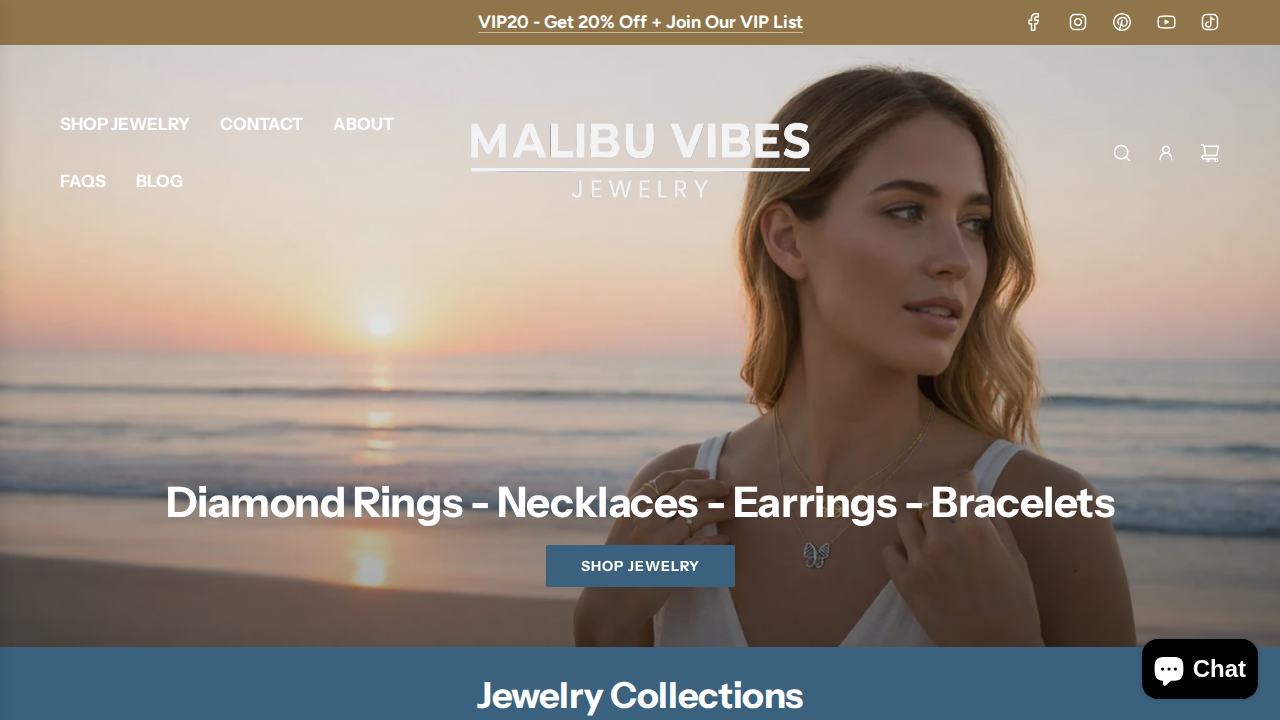
On 07/09/26 malibuvibesjewelry.com/ scored 53% — **Fair** – Overall, the site has a solid foundation for being found, but some trust and content clarity gaps are making it harder for AI systems to fully understand and represent the brand.
Executive summary
Score Breakdown (High Level)
- Discoverability: 92% - Overall, this section looks to be in good shape, though we weren't able to find dedicated sitemaps for images or videos.
- Structured Data: 58% - The homepage organization markup is solid, but the lack of content-specific schema and verified author details on the blog pages is a significant gap.
- AI Readiness: 50% - Overall, the site is accessible to AI crawlers and has clear brand context, but the sitemap lacks update timestamps and there's no Wikidata profile.
- Performance: 50% - Mobile performance generally landed outside the "poor" range, though the homepage load time is slower than we'd like to see.
- Reputation: 69% - The site has a strong presence on social media and review platforms, but it’s held back by some negative customer feedback and the absence of a Wikidata profile.
- LLM-Ready Content: 20% - The page lacks a visible author and specific publish date, which are key signals for AI trust and relevance.

The big picture on AI visibility
What stands out most is that the site is generally easy to discover and recognized externally, but some key signals around content attribution, freshness, and brand identity aren’t coming through clearly. These aren’t “mistakes” so much as visibility gaps that can make AI systems less confident about what to reference and how to summarize you. Below, we’ll walk through the specific areas where the evaluation flagged missing or unclear signals. None of this is unusual, and it’s all the kind of stuff that becomes straightforward once it’s clearly defined.
Detailed Report
Discoverability
❌ Visual content discovery is unclear
What we saw
We didn’t find a dedicated way for search systems to discover and index the site’s images or videos. That can make visual assets easier to miss.
Why this matters for AI SEO
AI systems often learn about products and brands through visual assets, especially when images help clarify what you sell. If visuals are harder to discover, they’re less likely to show up in AI-generated answers and recommendations.
Next step
Add a dedicated image and/or video discovery file and make sure it’s linked alongside your main site discovery file.
Structured Data
❌ Resource/blog page markup couldn’t be confirmed
What we saw
We weren’t able to review the resource/blog page details, so we couldn’t confirm whether that page includes structured information about the content. As a result, the resource content is missing key context in this snapshot.
Why this matters for AI SEO
When content pages don’t clearly describe what they are, AI systems have to guess at things like topic, purpose, and relationships to your brand. That can reduce confidence in using the page as a source.
Next step
Ensure your resource/blog pages include structured information that clearly describes the page and how it relates to your brand.
❌ Blog author details weren’t available to validate
What we saw
We couldn’t confirm a clear, non-generic author on the resource/blog content in this review because the resource page data wasn’t available. That leaves authorship unclear in the results.
Why this matters for AI SEO
Authorship is a trust cue for AI systems, especially for content that could influence buying decisions. If author info isn’t clear, the content may be treated as less attributable and less reliable.
Next step
Make sure each resource/blog post clearly names a specific author in a consistent way.
❌ Author verification links weren’t available to review
What we saw
We didn’t see author verification links connected to the blog author information in this snapshot, because the resource page data wasn’t available for review. That means we couldn’t confirm any corroborating profiles for the creator.
Why this matters for AI SEO
When AI systems can’t connect an author to consistent, external identity signals, it can be harder to trust and reuse their content. Verification links help reduce ambiguity about who created the content.
Next step
Add a small set of consistent, public profile links that clearly validate the author’s identity.
AI Readiness
❌ Update timing for pages is unclear
What we saw
Your site’s primary page list doesn’t include clear “last updated” information. That makes it harder to tell what’s new versus what hasn’t changed in a while.
Why this matters for AI SEO
AI systems prioritize content that looks current and maintained, especially for brand and product-related queries. Without clear update signals, newer or improved pages may not get recognized as such.
Next step
Include clear “last updated” dates for relevant URLs in your site’s primary page list.
❌ Brand doesn’t have a Wikidata identity
What we saw
We didn’t find a Wikidata entity associated with the brand. That leaves a gap in how the brand can be referenced consistently across knowledge sources.
Why this matters for AI SEO
When a brand has no clear knowledge-base identity, AI systems can have a harder time resolving “who you are” and confidently connecting your site, profiles, and mentions. That can lead to weaker or inconsistent brand representation in AI answers.
Next step
Create a Wikidata entry that matches the brand and connects to official identity sources.
Performance
❌ Main homepage content is slow to appear
What we saw
The most important visual content on the homepage takes longer than expected to fully show up. This can make the page feel like it’s “still loading,” even if it’s otherwise usable.
Why this matters for AI SEO
If key content appears slowly, users are more likely to bounce before they engage, which can reduce downstream signals of usefulness. It also makes it harder for systems that render pages to quickly capture the most important on-page context.
Next step
Improve how quickly the primary homepage content appears for first-time visitors.
Reputation
❌ Negative customer feedback is showing up in third-party sources
What we saw
We found negative customer feedback in third-party reviews, including mentions of late deliveries and product durability. This feedback was present strongly enough to show up in the reputation signals reviewed.
Why this matters for AI SEO
AI systems often summarize brands using common themes from reviews and external commentary. If negative themes are prominent, they can show up directly in AI-generated summaries and recommendations.
Next step
Review the recurring themes in third-party feedback and make sure your brand narrative reflects accurate expectations.
❌ Brand identity details look inconsistent across sources
What we saw
We didn’t see a consistent physical address across the sources reviewed, and in several places the address wasn’t present at all. That creates uncertainty around the brand’s official identity details.
Why this matters for AI SEO
Inconsistent identity information can make it harder for AI systems to confidently merge mentions into one “known entity.” That can lead to weaker trust signals and more fragmented brand understanding.
Next step
Make sure your official name, website, and physical address are presented consistently anywhere your brand is listed.
❌ No Wikidata entity was found for the brand
What we saw
We didn’t find a Wikidata entry that matches the brand. This limits how easily external systems can reference your brand with a single, consistent identifier.
Why this matters for AI SEO
Wikidata is a common source used to corroborate entity identity across the web. Without that entity layer, AI systems can have less confidence when connecting your site to broader brand context.
Next step
Create or claim a Wikidata entry that clearly represents the brand and points to official sources.
❌ Official identity anchors aren’t available via Wikidata
What we saw
Because there’s no Wikidata entity present, we didn’t see official identity anchors connected to the brand there. That removes a helpful validation layer.
Why this matters for AI SEO
Identity anchors help AI systems confirm that the “right” brand is being referenced when names are similar or mentions are incomplete. Without them, brand understanding can be less stable across different AI experiences.
Next step
Once a Wikidata entry exists, connect it to official identity sources like your website and major profiles.
LLM-Ready Content (Blog Analysis)
Heads up: this section looks at one article as a snapshot, so it’s a little more interpretive than the rest of the report and may shift slightly from run to run. Have questions? Just shoot us an email at hello@v9digital.com
❌ Author isn’t clearly shown
What we saw
We didn’t see a visible author name tied to the article. That makes it hard to tell who created the content.
Why this matters for AI SEO
Clear authorship helps AI systems decide whether a page is trustworthy enough to cite or summarize. Without it, the content can feel less attributable and less credible.
Next step
Add a clear, non-generic author name to the article.
❌ Publish or update date isn’t shown
What we saw
We didn’t find a publish date or an “updated” date on the page. That makes freshness unclear.
Why this matters for AI SEO
AI systems lean on date cues to judge whether information is current enough to reuse. If a page has no date context, it can be treated as less dependable for time-sensitive questions.
Next step
Show a publish date and/or last updated date on the article.
❌ Freshness can’t be confirmed
What we saw
Because there’s no clear “last updated” signal, we couldn’t confirm that the content has been refreshed recently. This leaves the page’s timeliness ambiguous.
Why this matters for AI SEO
Freshness is a common tie-breaker when AI systems choose which sources to summarize. When recency isn’t clear, the page may be less likely to surface.
Next step
Add an explicit update signal that clearly communicates when the page was last refreshed.
❌ Sections are too thin to scan confidently
What we saw
The content is broken into sections, but most sections are very short and light on detail. It reads cleanly, but it doesn’t give AI systems much substance per section.
Why this matters for AI SEO
AI systems pull and reuse content in chunks, and thin sections can make it harder to extract complete, accurate answers. More substantial sections tend to be easier to interpret and cite.
Next step
Expand key sections so each one contains enough context to stand on its own.
❌ No table-based structure was found
What we saw
We didn’t see a table used to organize any information on the page. Everything is presented as standard text blocks.
Why this matters for AI SEO
When information is structured clearly, it’s easier for AI systems to extract and restate accurately. Pages that include at-a-glance structure can be more reusable in AI answers.
Next step
Add a simple table where it would naturally help summarize key information.
❌ Subheadings aren’t descriptive enough
What we saw
A good portion of the subheadings are short or vague, so they don’t clearly signal what each section is about. That makes the page harder to skim at a glance.
Why this matters for AI SEO
AI systems rely on headings to understand the structure and meaning of sections. When headings aren’t specific, the content can be harder to categorize and reuse accurately.
Next step
Rewrite subheadings so they clearly describe the specific question or topic each section covers.
❌ Key takeaways don’t show up early in sections
What we saw
Many sections don’t start with a clear, substantial takeaway, so the main point is harder to find quickly. Readers (and AI systems) have to do more work to extract the answer.
Why this matters for AI SEO
AI systems are more likely to reuse content that surfaces answers quickly and clearly. If the “answer” is buried, the page may be less likely to be selected as a source.
Next step
Make sure each section begins with a clear, complete takeaway before expanding into detail.
Does Anything Seem Off?
Thanks for taking our free GEO Grader for a spin. When we started this journey, the tool had a fairly long processing time to check everything we wanted both onsite and offsite, so we made a few adjustments on the backend to speed things up. As a result, there are times when the grader may not get everything 100% right. If something feels off, we recommend running the tool a second time to confirm the results. From there, you’re always welcome to reach out to us to schedule a GEO consultation, or to have your SEO provider validate the findings with a more detailed crawl and manual review.
