
Overview:
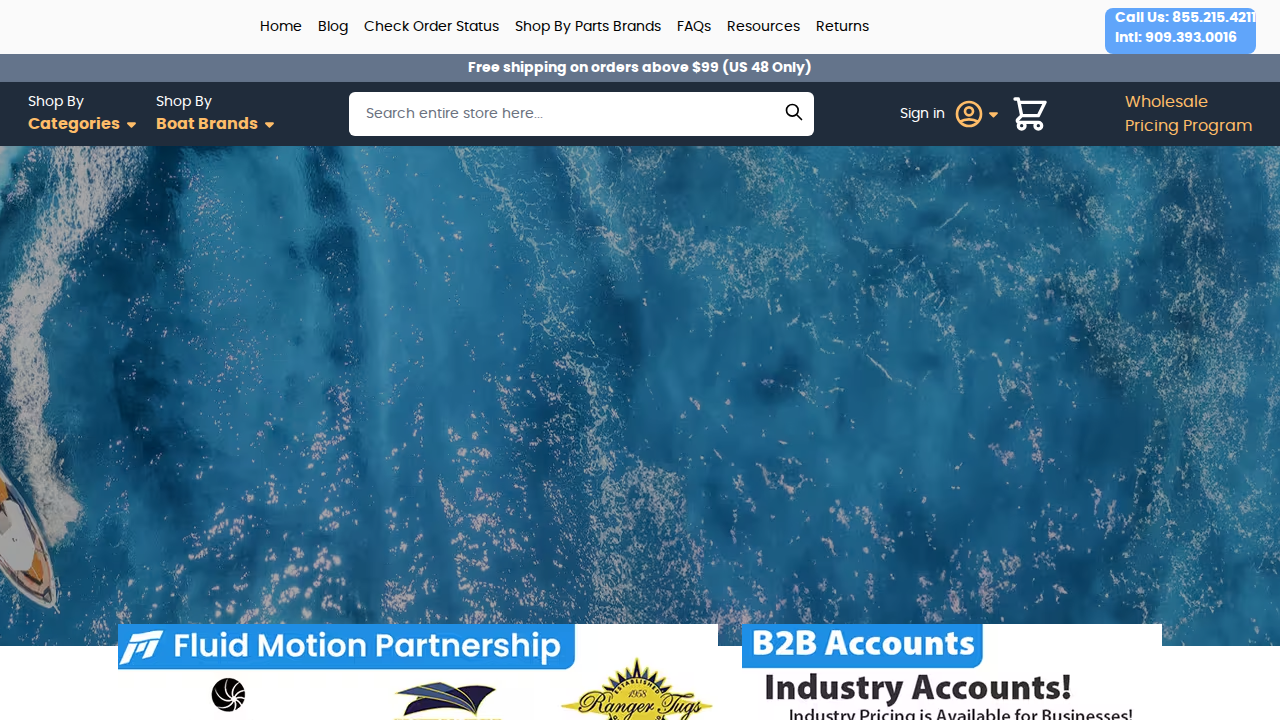
On 01/22/26 marinedepotdirect.com/ scored 59% — **Fair** – Overall, the fundamentals are there, but a few visibility and trust gaps are keeping the story from coming through as clearly as it could.
Executive summary
Score Breakdown (High Level)
- Discoverability: 83% - Most of the core discoverability signals are in good shape, though there’s no dedicated image or video sitemap in the data we checked.
- Structured Data: 50% - We didn’t see any schema on the homepage, but the blog post did have structured data and a real author, just missing external sameAs links.
- AI Readiness: 67% - This section looks good overall, but we couldn’t find a Wikidata entry for the brand, which is a meaningful omission.
- Performance: 78% - Mobile performance was generally solid on both the homepage and blog, though the blog resource had a slow largest contentful paint above the 'not poor' range.
- Reputation: 42% - We saw negative client assertions and didn't find a Wikidata match or independent press, but the site does have reviews and social profile links.
- LLM-Ready Content: 52% - We found good schema markup and author signals, but outbound links, question-based subheadings, and some structural elements were missing.

The main themes behind the results
The big picture is that the site is generally discoverable and technically steady, but a few key signals that help AI systems confidently identify the brand and interpret content are coming through inconsistently. Most of the gaps aren’t “errors” so much as missing context and verification cues, especially around brand identity and how the resource content is structured. The next section walks through each area that didn’t show up in the evaluation, along with why it matters for AI visibility. None of this is unusual, and it’s all the kind of cleanup that tends to compound in value once it’s in place.
Detailed Report
❌ No image or video sitemap was found
What we saw
We weren’t able to find a dedicated sitemap for images or videos. The main sitemap appears to be present, but media-specific coverage doesn’t seem to be in place.
Why this matters for AI SEO
Generative engines rely on clear signals to discover and understand non-text assets. When media is harder to find, it’s less likely to be surfaced or referenced.
Next step
Add a dedicated sitemap for images and/or videos so those assets are easier to discover.
❌ No schema markup was detected on the homepage
What we saw
We didn’t see structured data markup on the homepage. That means key homepage information isn’t being provided in a standardized, machine-friendly way.
Why this matters for AI SEO
Structured data can help AI-driven systems interpret what a site is and how to describe it. Without it, engines may rely more on inference, which can be less consistent.
Next step
Add structured data to the homepage so the site’s core context is clearer.
❌ No organization-type schema was found on the homepage
What we saw
We didn’t see organization-focused structured data on the homepage. As a result, the site doesn’t clearly present business identity details in that format.
Why this matters for AI SEO
When AI systems can’t easily connect a site to a specific organization, they may be less confident when summarizing or attributing information. That can reduce consistency in how the brand is represented.
Next step
Include organization-type structured data on the homepage to better reinforce who the business is.
❌ Author schema was missing sameAs links
What we saw
The blog post includes author information, but we didn’t see any sameAs links attached to the author details. In other words, the author isn’t connected to any official profiles or reference points in that structured format.
Why this matters for AI SEO
AI systems tend to trust author details more when they can be tied to consistent identity sources. Missing links can make the author harder to verify across the web.
Next step
Add sameAs links to the author details so the author’s identity is easier to confirm.
❌ No Wikidata entity was found for the brand
What we saw
We didn’t see a Wikidata entity associated with the brand. That suggests the brand may not have a clear entry point in that knowledge source.
Why this matters for AI SEO
Wikidata can help generative engines connect a brand to consistent, recognized identity data. Without it, brand recognition and confidence can be harder to establish.
Next step
Create and/or connect a Wikidata entry that represents the brand accurately.
❌ The resource page loaded its main content slowly
What we saw
The resource/blog page showed a noticeable delay before its main content fully appeared. The homepage didn’t show the same slowdown.
Why this matters for AI SEO
If key content takes longer to show up, it can hurt how smoothly users and crawlers experience the page. Over time, that can limit how reliably content gets discovered and used.
Next step
Improve how quickly the resource page’s main content becomes visible.
❌ Negative client assertions appeared in AI outputs
What we saw
We found negative client-related assertions present in the AI-visible brand narrative. That means some systems may be picking up or repeating unfavorable claims about client experiences.
Why this matters for AI SEO
Generative engines often summarize reputation signals, and negative assertions can shape how the brand is described. This can reduce trust even when the core site content is strong.
Next step
Review the negative client assertions being associated with the brand and work to clarify the public narrative.
❌ Brand identity was not consistently confirmed (name, domain, address)
What we saw
We couldn’t confirm consistent agreement on the brand’s core identity details like official name, website domain, and address. In practice, that can look like “not enough consistent signals” rather than a single clear mismatch.
Why this matters for AI SEO
AI systems are more confident when a brand’s identity details line up across sources. When identity signals are unclear, summaries and citations can become inconsistent.
Next step
Make sure the brand’s official identity details are consistently represented wherever the brand is referenced.
❌ No confirmed Wikidata match for the brand
What we saw
We didn’t see evidence of a Wikidata entity that both exists and clearly matches the brand. That leaves a gap in third-party identity confirmation.
Why this matters for AI SEO
A matching entity helps AI systems disambiguate brands and anchor facts to the right organization. Without that anchor, recognition can be weaker or less stable.
Next step
Establish a Wikidata entity and ensure it clearly matches the brand.
❌ Wikidata did not show clear official identity anchors
What we saw
We didn’t see signals that the brand has strong “official identity” anchors associated with a Wikidata entry. That typically shows up as missing official reference points.
Why this matters for AI SEO
Identity anchors make it easier for generative engines to trust and reconcile brand information across sources. When they’re missing, the brand can be harder to verify.
Next step
Add official identity anchors to the brand’s Wikidata presence so it’s easier to validate.
❌ No independent press or coverage was confirmed
What we saw
We couldn’t confirm independent, offsite press coverage in the available signals. That means there wasn’t clear evidence of third-party editorial recognition.
Why this matters for AI SEO
Generative engines often lean on independent mentions to gauge authority and legitimacy. Without them, the brand may appear less established in broader narratives.
Next step
Build and surface credible independent coverage so the brand has stronger third-party recognition.
❌ No owned press or press releases were confirmed
What we saw
We didn’t see evidence that the brand has a clear footprint of owned press or press releases. From an AI perspective, there’s less “official story” content to reference.
Why this matters for AI SEO
Owned announcements can help AI systems understand what’s notable, new, or official about a brand. Without them, the narrative can be thinner and more dependent on outside interpretation.
Next step
Publish and maintain an official place for announcements that AI systems can reference.
❌ The resource content included no outbound links to external sources
What we saw
We didn’t see any links from the resource page pointing to external domains. Everything linked internally (or to excluded destinations), so there were no clear outside references.
Why this matters for AI SEO
External references can help AI systems understand context and credibility, especially for informational content. Without them, the page may read as less grounded.
Next step
Add at least one relevant external reference link within the resource content.
❌ The resource content did not use question-based subheadings
What we saw
We didn’t find subheadings written as questions. The headings are present, but they don’t mirror the way people commonly ask for answers.
Why this matters for AI SEO
Question-style structure helps generative engines map sections to specific queries and pull cleaner, more direct summaries. Without that pattern, extraction can be less precise.
Next step
Add a couple of question-style subheadings that match real user questions.
❌ Some subheadings were too short to be clearly descriptive
What we saw
Some headings were present but didn’t consistently include enough descriptive wording. A few sections read more like taglines than clear topical labels.
Why this matters for AI SEO
Clear, descriptive headings make it easier for AI systems to understand what each section is about. Vague headings can reduce how accurately content is summarized.
Next step
Rewrite short headings so they more clearly describe the specific topic of the section.
❌ Section structure was inconsistent across the resource
What we saw
The resource has multiple sections, but the sections don’t follow a consistent pattern in length and structure. One section appears much more developed than others.
Why this matters for AI SEO
Consistent structure helps generative engines reliably locate comparable information across a page. When sections are uneven, it can be harder to extract balanced summaries.
Next step
Align sections to a more consistent structure so the content is easier to interpret.
❌ No clear target audience or intent phrase was found
What we saw
We didn’t see explicit phrasing that signals who the content is for (for example, a clear “for X audience” style statement). The piece may still be useful, but the intended reader isn’t stated plainly.
Why this matters for AI SEO
Audience cues help AI systems frame the content correctly when summarizing and recommending it. Without those cues, the content can come across as more generic.
Next step
Add a clear audience/intent line so it’s obvious who the page is meant to help.
❌ No HTML table was found in the resource content
What we saw
We didn’t find any table-based formatting in the resource. The information is presented in text, but not in a scannable comparison-style format.
Why this matters for AI SEO
Tables can make key facts easier for AI systems to extract and restate accurately, especially for comparisons and specs. Without them, important details may be harder to pull cleanly.
Next step
Add a simple table where a comparison or quick reference would help readers.
Does Anything Seem Off?
Thanks for taking our free GEO Grader for a spin. When we started this journey, the tool had a fairly long processing time to check everything we wanted both onsite and offsite, so we made a few adjustments on the backend to speed things up. As a result, there are times when the grader may not get everything 100% right. If something feels off, we recommend running the tool a second time to confirm the results. From there, you’re always welcome to reach out to us to schedule a GEO consultation, or to have your SEO provider validate the findings with a more detailed crawl and manual review.
