
Overview:
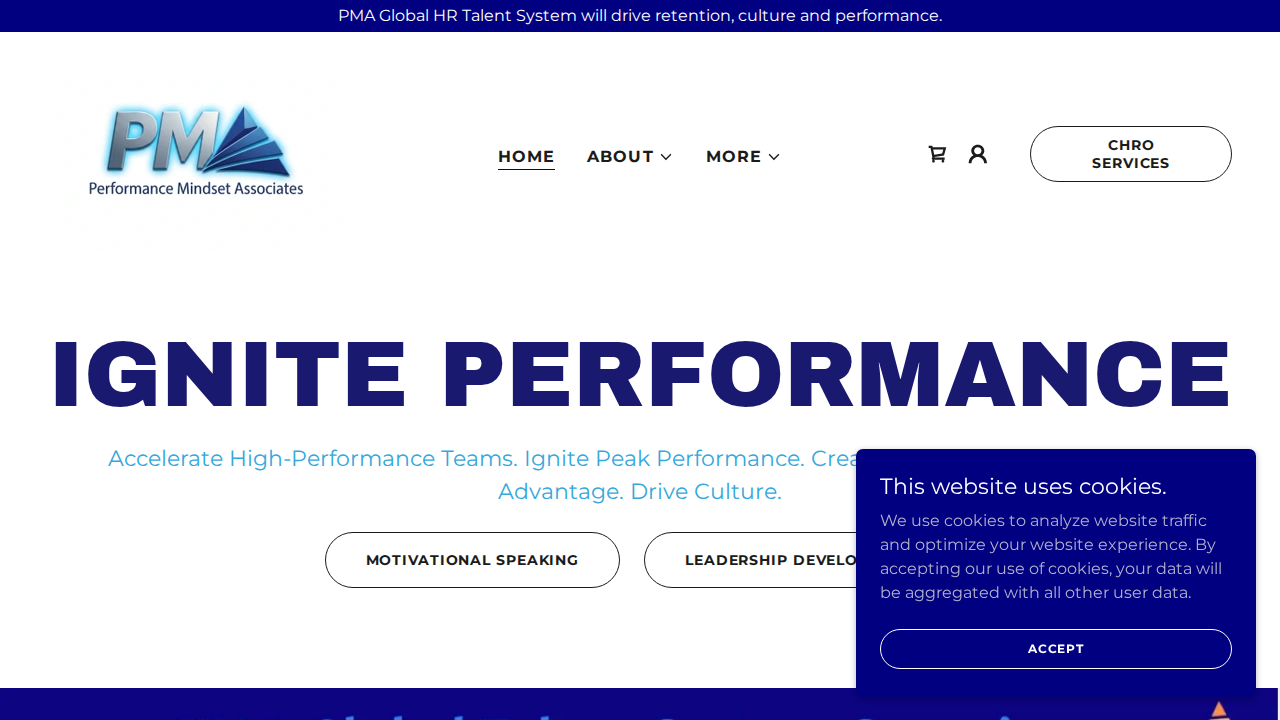
On 04/19/26 performancemindset.co scored 63% — **Decent** – Overall, the site feels pretty solid for AI visibility, with a few clear gaps that make key details harder to confirm and reuse.
Executive summary
Score Breakdown (High Level)
- Discoverability: 100% - Overall, this section looks to be in great shape, with the only notable gap being the absence of specialized sitemaps for images or video.
- Structured Data: 58% - We weren't able to find any structured data for a blog or resource page, though the homepage does have functional organizational schema in place.
- AI Readiness: 50% - This section looks mostly solid, but missing sitemap metadata and a Wikidata entity are the main bottlenecks we found.
- Performance: 44% - The site’s mobile performance is mostly solid, though we did see some responsiveness lag on the homepage that pushed past the "not poor" threshold.
- Reputation: 69% - Overall, the brand has a solid reputation with AI recognition and active social links, but it lacks formal verification through Wikidata or a consistent physical address.
- LLM-Ready Content: 64% - This resource is mostly solid and current with a clear author, though the subheadings and paragraph structures could be better optimized to help AI systems extract information faster.

The big picture before details
What stands out most is that the site has a solid baseline, but some key signals aren’t consistently easy for AI systems to confirm—especially around brand identity, external validation, and how resource content is framed. These aren’t “mistakes” so much as clarity gaps that can make it harder for models to confidently understand and reuse your information. Below, we’ll walk through the specific areas that didn’t come through cleanly in the evaluation so you can see exactly what’s being missed. The good news is the gaps are straightforward to interpret once they’re called out.
Detailed Report
Discoverability
❌ No image or video sitemap detected
What we saw
We didn’t find any specialized sitemap coverage for image or video content. That means rich media may not be getting the same clear discovery support as standard pages.
Why this matters for AI SEO
Generative systems often rely on clear, crawlable signals to understand what content exists and how it relates to topics and entities. When visual content isn’t clearly surfaced, it can be less likely to show up in AI-driven answers and summaries.
Next step
Add dedicated discovery support for your image and/or video content so it’s easier for engines to find and understand.
Structured Data
❌ Resource/blog structured data could not be confirmed
What we saw
A resource/blog page wasn’t included in the evaluation data, so we couldn’t verify whether that part of the site includes the same structured signals as the homepage. As a result, this area looks under-specified from what we can see.
Why this matters for AI SEO
When article-style pages don’t have clear, machine-readable details, AI systems can struggle to confidently identify what the content is, who it’s for, and how it should be cited or summarized.
Next step
Make sure a representative resource/blog page is available for review and includes clear structured signals aligned with the content.
❌ Blog author clarity could not be verified
What we saw
Because the resource/blog page wasn’t provided, we couldn’t confirm whether posts consistently show a clear, non-generic author at the page level. This leaves author attribution unclear in the dataset.
Why this matters for AI SEO
AI engines lean on author information as a trust and attribution cue, especially for content that could be quoted or used to support answers. If author details aren’t consistently visible, it can reduce confidence in the content.
Next step
Ensure each resource/blog post clearly names the author in a way that’s easy for systems to recognize.
❌ Author identity links were not confirmed
What we saw
We weren’t able to verify whether author profiles include corroborating identity links, since the resource/blog page wasn’t included. That makes author identity harder to confirm from the available signals.
Why this matters for AI SEO
When identity signals are connected across sources, AI models are more likely to treat the author as a real, verifiable entity and to reuse the content with higher confidence.
Next step
Connect author identity details to consistent public profiles so attribution is easier to validate.
AI Readiness
❌ Content freshness signals weren’t visible in the sitemap
What we saw
The sitemap was present, but it didn’t include update timestamps that help indicate when pages were last modified. From an indexing perspective, it’s missing an important “what changed and when” cue.
Why this matters for AI SEO
AI-driven discovery often prioritizes clarity about what’s current, especially when summarizing or citing information. Without clear update signals, systems may be slower or less confident about reflecting recent changes.
Next step
Add last-updated information to your sitemap entries so recency is easier to understand.
❌ No Wikidata entity found for the brand
What we saw
We didn’t find a Wikidata item ID associated with the brand in the provided data. This leaves a gap in widely recognized entity-level confirmation.
Why this matters for AI SEO
Generative models often cross-check brands against established knowledge sources to confirm identity details and reduce ambiguity. Without an entity record, the brand can be harder to disambiguate and validate.
Next step
Create or claim a Wikidata entity for the brand and align it with official identifying details.
Performance
❌ Homepage responsiveness is lagging
What we saw
The homepage showed signs of delayed responsiveness during loading, suggesting it can feel a bit sluggish before it’s fully interactive. This was the main performance constraint flagged in the results.
Why this matters for AI SEO
When a page is slow to respond, crawlers and users are more likely to get an incomplete or degraded experience. Over time, that can reduce how confidently content is accessed, interpreted, and reused.
Next step
Identify what’s delaying interactivity on the homepage and reduce the heaviest sources of blocking.
Reputation
❌ Brand identity details weren’t consistent across sources
What we saw
A consistent business address wasn’t found across the analyzed data, with address information often missing or null. That makes the brand’s “official footprint” harder to confirm.
Why this matters for AI SEO
AI systems are more confident when core identity details line up across multiple places. When they don’t, it can create ambiguity about whether different mentions point to the same entity.
Next step
Make sure the brand’s core identity details (especially address) are consistently represented anywhere the business is listed.
❌ No matching Wikidata entity was detected
What we saw
The results did not detect a Wikidata record that matches the brand. This overlaps with the broader entity gap seen elsewhere in the report.
Why this matters for AI SEO
A recognized entity record helps models resolve brand identity and connect references across the web. Without it, the brand can be harder to validate and summarize accurately.
Next step
Create a Wikidata record for the brand (or reconcile an existing one) so identity is easier to confirm.
❌ No official identity anchors were available via Wikidata
What we saw
Because no Wikidata record was found, there were no official identifiers or anchors associated with the brand there. This removes a common “source of truth” reference point.
Why this matters for AI SEO
Identity anchors help generative models reduce confusion between similarly named brands and improve trust in the details they present. When they’re absent, models may hedge or omit specifics.
Next step
Add official identity anchors to the brand’s entity presence so external validation is stronger.
❌ Independent press or coverage wasn’t clearly supported
What we saw
Most models did not identify verifiable independent coverage for the brand. From a credibility standpoint, that makes external validation feel thin.
Why this matters for AI SEO
Third-party coverage can act as an outside trust signal that AI systems use to corroborate who you are and why you’re notable. When it’s unclear, models may rely more heavily on limited sources.
Next step
Build a clearer footprint of independent mentions so the brand is easier to corroborate.
❌ Owned press or official releases weren’t clearly recognized
What we saw
There wasn’t strong consensus that the site includes an area for official announcements or press-style updates. That can make it harder to locate “official” statements in one place.
Why this matters for AI SEO
When official updates are easy to identify, AI systems can more confidently pull accurate, up-to-date brand statements. If that content isn’t clearly present, models may miss key context.
Next step
Make sure official announcements are clearly identifiable and consistently framed as brand-authored releases.
LLM-Ready Content (Blog Analysis)
Heads up: this section looks at one article as a snapshot, so it’s a little more interpretive than the rest of the report and may shift slightly from run to run. Have questions? Just shoot us an email at hello@v9digital.com
❌ No table-based content found
What we saw
We didn’t find any table-formatted content in the article. The page may still be readable, but it lacks a structured “at-a-glance” block that some systems extract easily.
Why this matters for AI SEO
AI summarization often benefits from content that’s organized into clear, repeatable structures. Tables can make it easier for systems to pull comparisons, definitions, or quick reference points accurately.
Next step
Add a small, relevant table where it naturally helps summarize key information.
❌ Subheadings weren’t consistently descriptive
What we saw
Many subheadings weren’t specific enough to clearly signal what each section is about. This makes the page feel less skimmable at the section level.
Why this matters for AI SEO
Generative engines use headings to quickly map structure and identify which parts answer which questions. When headings are vague, it’s harder for systems to extract and cite the right chunk of content.
Next step
Rewrite subheadings so each one clearly previews the takeaway of its section.
❌ Key answers didn’t show up early in sections
What we saw
Sections tended to start without a substantive opening paragraph that quickly states the core point. As a result, the main answer often isn’t immediately obvious when a section begins.
Why this matters for AI SEO
AI systems frequently prioritize early, clear statements when deciding what a section “means” and what it can confidently reuse. When the answer is buried, the model may skip it or summarize it less accurately.
Next step
Start each section with a clear, skimmable opening that states the main point upfront.
Does Anything Seem Off?
Thanks for taking our free GEO Grader for a spin. When we started this journey, the tool had a fairly long processing time to check everything we wanted both onsite and offsite, so we made a few adjustments on the backend to speed things up. As a result, there are times when the grader may not get everything 100% right. If something feels off, we recommend running the tool a second time to confirm the results. From there, you’re always welcome to reach out to us to schedule a GEO consultation, or to have your SEO provider validate the findings with a more detailed crawl and manual review.
