
Overview:
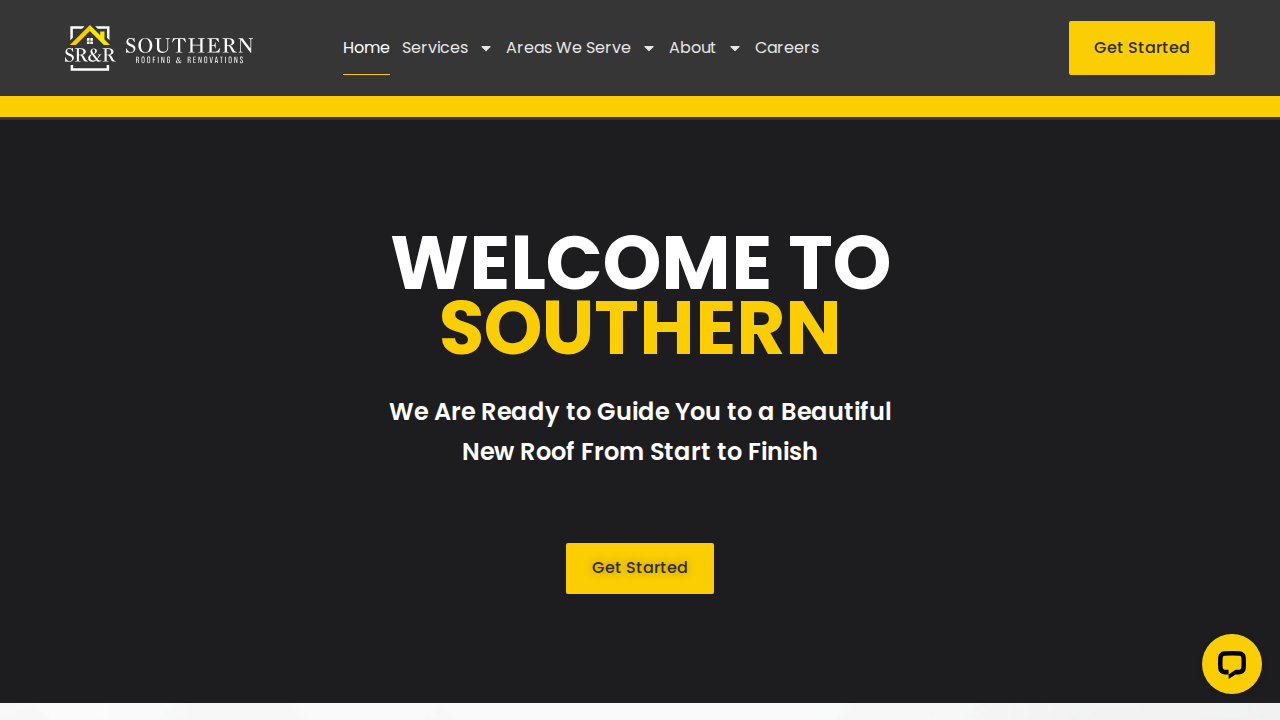
On 07/28/26 southernrnr.com/ scored 37% — **Weak** – Overall, the site is easy to find, but it’s not consistently giving AI systems the clear trust and content signals they look for.
Executive summary
Score Breakdown (High Level)
- Discoverability: 100% - The site has a strong foundation for discovery with open indexing and a clear sitemap, though missing meta descriptions and specialized sitemaps are the main areas for improvement.
- Structured Data: 58% - The site has a solid technical foundation with business schema on the homepage, but we were unable to verify any author or resource-specific markup.
- AI Readiness: 67% - Overall, the site has a really solid technical foundation for AI discovery, though we weren't able to find a Wikidata entry to help establish brand authority.
- Performance: 28% - While the site is visually stable on mobile, the extremely slow loading time for main content is a significant hurdle for the user experience.
- Reputation: 0% - This section ran into some issues because we couldn't find the required offsite signals or verified identity anchors to establish trust.
- LLM-Ready Content: 20% - The page lacks clear authorship and effective content chunking, which along with generic subheadings, creates a significant gap in its readiness for generative AI engines.

What stands out most overall
The big picture is that the site has some solid baseline signals, but several of the cues AI systems use to trust, summarize, and recommend a brand are either missing or hard to verify. A lot of what came up isn’t “wrong,” it’s just not being communicated clearly enough for AI to confidently connect the dots. Below, we’ll walk through the specific areas where the report couldn’t confirm key reputation context, where content structure is harder to reuse, and where the page experience may be holding visibility back. None of these are unusual for local service sites, and they’re all the kind of gaps that can be addressed once they’re clearly surfaced.
Detailed Report
Discoverability
❌ Core page description missing
What we saw
We didn’t find a page description associated with the homepage. That leaves less context for what the page is about when it shows up in search-style experiences.
Why this matters for AI SEO
AI systems lean on short, high-signal summaries to understand and label a page quickly. When that’s missing, they have to infer the page’s purpose from longer on-page text, which can lead to weaker or less consistent understanding.
Next step
Add a clear, human-readable homepage description that summarizes what the business does and who it serves.
❌ No image or video-specific discovery files detected
What we saw
We didn’t detect any dedicated discovery support for images or videos beyond the standard setup. That can make richer media harder to surface consistently.
Why this matters for AI SEO
AI search experiences increasingly pull in visual evidence and media summaries. When media is less discoverable, AI systems have fewer high-confidence assets to reference when describing services, projects, or proof points.
Next step
Make sure your key image and video content is packaged in a way that’s easy for search and AI systems to consistently discover.
Structured Data
❌ Resource/blog page structured details couldn’t be evaluated
What we saw
A secondary resource or blog page wasn’t available to review, so we couldn’t confirm how that content is labeled or described. As a result, anything specific to educational content was effectively a blind spot in this run.
Why this matters for AI SEO
AI engines tend to rely on consistent page-level labeling to understand what a piece of content is (and how to reuse it safely). When that information can’t be validated, it’s harder for AI systems to treat educational content as a reliable source.
Next step
Provide (or surface) a representative resource/blog URL so your educational content can be assessed and understood consistently.
❌ Clear author attribution on educational content couldn’t be confirmed
What we saw
Because the resource/blog page wasn’t available, we couldn’t identify a specific, non-generic author for that content. That makes it unclear who is accountable for the guidance on the page.
Why this matters for AI SEO
Author attribution helps AI systems decide whether to trust and cite a piece of advice. When authorship is missing or can’t be validated, the content may be treated as less authoritative.
Next step
Make sure educational pages clearly name an individual author (not a generic label) so AI systems can connect the content to a real source.
❌ Author identity connections couldn’t be verified
What we saw
We weren’t able to verify any supporting identity links tied to the author, again because the resource/blog page content wasn’t available. That limits how confidently an AI system can connect the author to a known profile.
Why this matters for AI SEO
AI systems look for consistent identity signals to reduce ambiguity and misinformation risk. Without those connections, it’s harder for them to confidently treat the author as a credible, reusable source.
Next step
Ensure author identity information is present and consistent enough that it can be validated across the web.
AI Readiness
❌ No Wikidata entity found for the brand
What we saw
We didn’t find an associated Wikidata item ID for the brand. That means there isn’t a clear external reference point confirming the brand’s identity in that database.
Why this matters for AI SEO
AI systems often use established external knowledge sources to disambiguate brands and confirm “who’s who.” Without that kind of anchor, your brand can be harder to verify and summarize consistently.
Next step
Create or confirm a Wikidata entry that clearly matches the brand’s identity and primary website.
Performance
❌ Mobile responsiveness showed noticeable blocking
What we saw
The homepage showed more blocking than expected during interaction, indicating the page can feel sluggish while it’s trying to become usable. In the data provided, total blocking time was recorded at 828.5ms.
Why this matters for AI SEO
When pages feel slow or unresponsive, users bounce faster—and AI systems often pick up on those engagement patterns over time. It also makes it harder for AI-driven experiences to reliably extract and present content quickly.
Next step
Reduce the amount of blocking work happening during initial load so the page becomes interactive faster.
❌ Main content took a long time to fully appear
What we saw
The primary content on the homepage took a long time to finish showing up on mobile. In the data provided, Largest Contentful Paint was recorded at 15.35 seconds.
Why this matters for AI SEO
Slow “time to value” can reduce trust, increase abandonment, and make it less likely that a page becomes the one AI systems choose to reference. It can also limit how effectively AI experiences can pull and preview your content.
Next step
Prioritize getting the core above-the-fold content to render much earlier so the page feels fast and reliable.
Reputation
❌ Brand trust and sentiment signals couldn’t be confirmed
What we saw
The report packet didn’t include the information needed to confirm whether there are any affirmed negative client or employee assertions. In other words, we couldn’t validate this reputation layer from the provided data.
Why this matters for AI SEO
AI systems weigh trust and risk when deciding what brands and claims to repeat. If sentiment and trust signals can’t be verified, AI systems may be more cautious about surfacing the brand.
Next step
Gather and make available enough third-party reputation context that trust signals can be clearly validated.
❌ Brand recognition and identity consistency couldn’t be verified
What we saw
We couldn’t confirm broad brand recognition or consistent identity details (like a reconciled name/domain/address view) because those fields were missing from the data packet. That prevents a clean, unified brand identity check.
Why this matters for AI SEO
AI answers work best when they can confidently tie a brand to one consistent identity. If the identity is hard to confirm, AI systems can hesitate or mix details with similarly named entities.
Next step
Ensure your brand identity signals are consistent and easy to verify across the sources AI systems typically reference.
❌ Wikidata match and identity anchors weren’t available
What we saw
A matching Wikidata entity wasn’t confirmed, and supporting identity anchor fields (like official website confirmation and identifier depth) were missing. This left the brand without a validated external “source of truth” in the report.
Why this matters for AI SEO
External identity anchors help AI systems resolve ambiguity and increase confidence in brand details. When those anchors aren’t present, AI summaries can be less consistent and less likely to cite the brand.
Next step
Establish and validate an external brand entity profile that clearly connects back to the official website.
❌ Reviews and customer feedback signals weren’t confirmed
What we saw
We didn’t receive the fields needed to confirm whether third-party reviews exist or which sources they come from. That means we couldn’t validate review presence as part of this report run.
Why this matters for AI SEO
Third-party feedback is one of the most straightforward trust signals AI systems can reference when summarizing local service businesses. If review signals aren’t clear, AI may be less confident recommending the brand.
Next step
Make sure review presence and sources are clearly established and easy to corroborate.
❌ Social profile signals were missing
What we saw
We didn’t see consensus signals for major social profiles in the packet, and we also didn’t find links to major social platforms on the homepage. From what was provided, social presence wasn’t clearly connected to the brand.
Why this matters for AI SEO
Verified social profiles help AI systems confirm brand legitimacy and match the business to the right entity. When those connections aren’t visible, it’s harder for AI to confidently validate who you are.
Next step
Add clear, easy-to-find links from the homepage to the brand’s primary social profiles.
❌ Press and coverage signals weren’t confirmed
What we saw
We didn’t have the fields needed to confirm independent press mentions or owned press content. That leaves a gap around external credibility signals in this report.
Why this matters for AI SEO
Coverage and mentions can help AI systems understand whether a brand is established and referenced elsewhere. When that’s not verifiable, AI may lean on thinner context when describing the business.
Next step
Consolidate and surface press/mentions in a way that can be consistently verified.
LLM-Ready Content
❌ No clear author was identified
What we saw
We didn’t find a visible author name or supporting author information tied to the main content. That makes it unclear who the guidance is coming from.
Why this matters for AI SEO
AI systems tend to trust content more when it’s clearly attributable to a real person or accountable source. Without authorship, it’s harder for AI to treat the page as a dependable reference.
Next step
Add clear author attribution to the content so it’s obvious who wrote it.
❌ No publish or update date was found
What we saw
We didn’t find a publication date or a “last updated” date in visible content or supporting page details. That makes the content’s freshness hard to judge.
Why this matters for AI SEO
AI systems often weigh recency when deciding what information to reuse, especially for guidance that can change over time. Without a date signal, the content can look less reliable.
Next step
Add a clear publish date and/or last updated date to the page.
❌ Recent updates couldn’t be verified
What we saw
Because there was no verifiable update date, we couldn’t confirm the content was updated within the last year. From an AI lens, that leaves the page in a “possibly outdated” bucket.
Why this matters for AI SEO
When AI systems aren’t confident about freshness, they may prefer other pages that look more clearly current. This can affect whether your content is selected for summaries and answers.
Next step
Make sure the page includes a verifiable “last updated” signal when meaningful changes are made.
❌ Content wasn’t broken into readable sections
What we saw
One section of content was extremely long (roughly 900 words) and not split into smaller chunks. That makes the page harder to scan and harder for AI systems to extract clean pieces from.
Why this matters for AI SEO
AI systems work best when they can lift clear, self-contained passages that answer one thing well. Overly large blocks increase the chance that the AI misses key details or blends concepts.
Next step
Restructure long sections into shorter, clearly separated chunks that each cover a single idea.
❌ No table-based summary was present
What we saw
We didn’t find any table elements on the page. That means there wasn’t a compact, structured way to summarize key comparisons or steps.
Why this matters for AI SEO
Structured summaries are easier for AI systems to interpret and reuse accurately, especially for processes, options, and definitions. Without them, AI has to interpret longer paragraphs to form the same summary.
Next step
Where it makes sense, include a simple table to summarize key takeaways or comparisons.
❌ Subheadings were often too generic
What we saw
Many subheadings were short or vague (examples noted included “Links” and “EASY AS”). This makes it harder to understand what each section is about at a glance.
Why this matters for AI SEO
Descriptive section labels help AI systems map the page’s structure and pull the right snippet for the right question. Generic headings reduce clarity and can lead to weaker summarization.
Next step
Rewrite headings so each one clearly describes the specific question or topic covered in that section.
❌ Key answers didn’t appear early in sections
What we saw
Sections generally did not open with a substantial, direct answer-style paragraph. In the data provided, none of the sections began with an opening paragraph of at least 25 words.
Why this matters for AI SEO
AI systems often look near the start of a section for a clean, quotable answer. When the “answer” is buried, it’s more likely the AI will skip the nuance or pull a less accurate snippet.
Next step
Start key sections with a short, plain-English paragraph that directly answers the main question of that section.
Does Anything Seem Off?
Thanks for taking our free GEO Grader for a spin. When we started this journey, the tool had a fairly long processing time to check everything we wanted both onsite and offsite, so we made a few adjustments on the backend to speed things up. As a result, there are times when the grader may not get everything 100% right. If something feels off, we recommend running the tool a second time to confirm the results. From there, you’re always welcome to reach out to us to schedule a GEO consultation, or to have your SEO provider validate the findings with a more detailed crawl and manual review.
