
Overview:
On 07/07/26 DavidTheBailGuy.Com scored 69% — **Decent** – Overall, the site looks pretty solid for AI visibility, but a few clarity and credibility gaps are likely holding it back from showing up as consistently as it could.
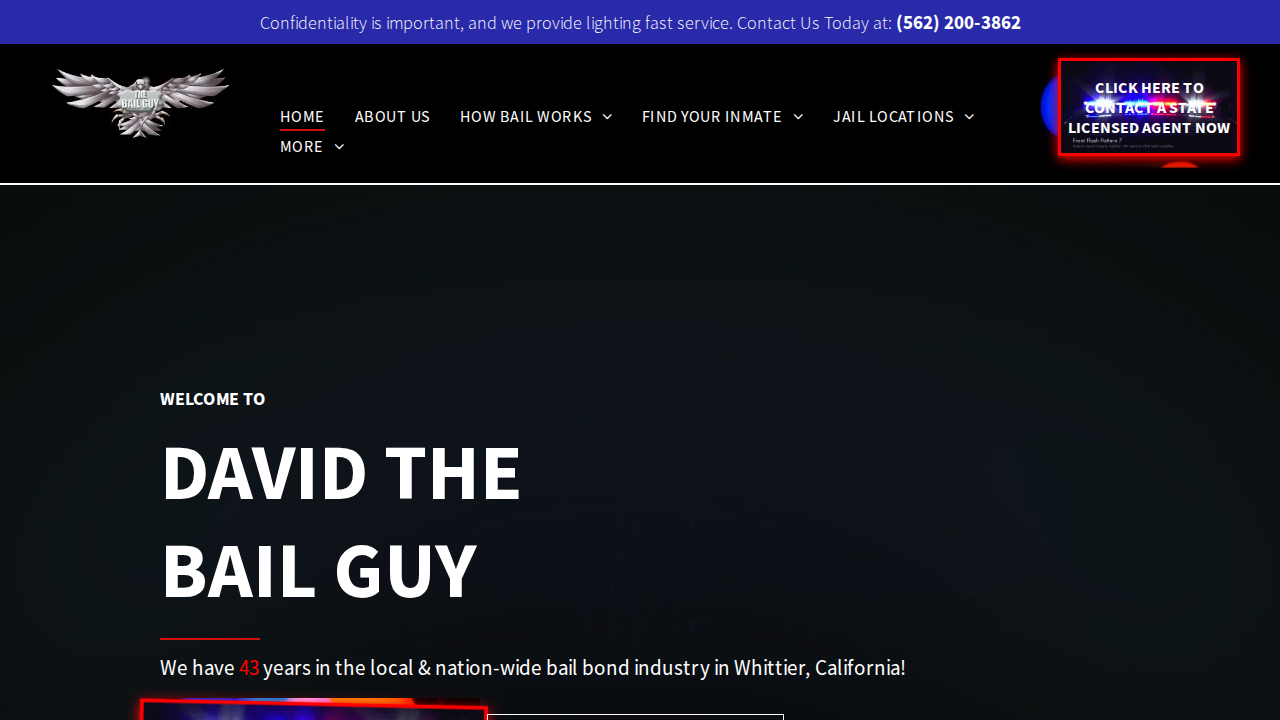
Executive summary
Score Breakdown (High Level)
- Discoverability: 100% - The site's technical foundation for discovery is mostly solid, though it's currently missing a media sitemap and descriptive alt text for its homepage visuals.
- Structured Data: 58% - The homepage has a solid foundation with LocalBusiness schema, but the lack of a resource page prevented us from evaluating author transparency and blog-specific markup.
- AI Readiness: 67% - The site has a strong technical foundation with a clear sitemap and open access for AI agents, though we couldn't find a Wikidata entity to verify the brand.
- Performance: 50% - Mobile performance looks mostly solid with a Lighthouse score of 70, though the Largest Contentful Paint is lagging behind at over 6 seconds.
- Reputation: 69% - The brand is well-recognized and maintains a verified social presence, but it is currently held back by significant negative client feedback and conflicting location data across the web.
- LLM-Ready Content: 76% - The page is clearly attributed to a real professional and includes high-authority outbound links, though the content structure is a bit too thin for optimal AI parsing.

The big picture before the details
What stands out most is that the site has a solid baseline, but a few key signals are coming through as incomplete or inconsistent. The main gaps aren’t “errors” as much as places where AI systems may have a harder time confidently understanding your identity, reputation context, and how to interpret your content and media. The next section breaks down the specific areas where those clarity issues showed up across discoverability, structured data, performance, reputation, and content structure. None of this is unusual, and the patterns here are straightforward to work through once you see them spelled out.
Detailed Report
Discoverability
❌ Homepage images missing alt text
What we saw
The images detected on the homepage didn’t include descriptive alt text. That means the visuals don’t have clear text labels that systems can reliably interpret.
Why this matters for AI SEO
When images aren’t described in text, AI and search engines lose helpful context about what the page is showing and what it’s relevant to. That can reduce how confidently your pages get understood and surfaced.
Next step
Add clear, descriptive alt text to the key homepage images so their meaning is understandable without seeing the image.
❌ No image or video sitemap found
What we saw
We couldn’t find an image sitemap or video sitemap in the available site data. As a result, your media content has fewer explicit pathways for discovery.
Why this matters for AI SEO
AI-driven discovery often depends on clear, consistent signals that help systems find and understand media at scale. When those signals aren’t present, your media can be easier to miss.
Next step
Create and publish an image and/or video sitemap so your media is easier for search engines to discover and index.
Structured Data
❌ Resource/blog page structured data couldn’t be evaluated
What we saw
A resource or blog page file wasn’t provided for review, so we couldn’t confirm whether that page includes structured data. This leaves a blind spot around how well those pages are described to search engines.
Why this matters for AI SEO
Structured data helps AI systems interpret what a page is, what it’s about, and how it should be trusted or referenced. When it’s missing or unknown, those pages can be harder to classify and reuse.
Next step
Provide a representative resource/blog page for review so its structured data can be validated.
❌ Resource/blog post author clarity couldn’t be verified
What we saw
Because the resource/blog page wasn’t available in the evaluation data, we couldn’t verify whether the post shows a clear, non-generic author. That makes authorship signals effectively unconfirmed for those pages.
Why this matters for AI SEO
Clear authorship is a trust cue for AI systems trying to judge credibility and origin. When author details can’t be confirmed, it can weaken how confidently content is summarized or cited.
Next step
Ensure resource/blog posts include a clearly named author and make that page available for validation.
❌ Author identity links couldn’t be verified on resource/blog content
What we saw
We couldn’t confirm whether author identity links were included for resource/blog content because the page wasn’t provided. This leaves external author verification signals unconfirmed.
Why this matters for AI SEO
When AI systems can connect an author to consistent identity references, it becomes easier to trust and contextualize the content. If those connections aren’t present (or can’t be confirmed), trust can be harder to establish.
Next step
Add consistent author identity links where appropriate on resource/blog content and include a sample page for review.
AI Readiness
❌ No Wikidata entity found for the brand
What we saw
We didn’t find a Wikidata entity connected to the brand. That means one common public reference point for brand verification isn’t currently in place.
Why this matters for AI SEO
AI systems often rely on widely trusted knowledge sources to confirm entities and reduce ambiguity. When a brand entity isn’t present there, it can be harder for systems to confidently reconcile identity details.
Next step
Create or claim an accurate Wikidata entity for the brand so AI systems have a stronger verification reference.
Performance
❌ Main page content loads more slowly than expected
What we saw
The primary “main content” area on the homepage took longer than the target window to fully load. This suggests the page’s core experience isn’t reaching users as quickly as it should.
Why this matters for AI SEO
When pages feel slow, users tend to bounce sooner, and that can weaken engagement signals over time. Slower load experiences can also make it harder for systems to consistently access and process content.
Next step
Reduce the time it takes for the homepage’s main content to finish loading so the page reaches a usable state faster.
Reputation
❌ Negative client assertions appear in offsite sources
What we saw
Offsite research data included notable negative client feedback, including claims of poor service and allegations of fraud. These are strong signals that can shape how the brand is described elsewhere.
Why this matters for AI SEO
AI summaries often reflect the balance of sentiment they find across the wider web. Prominent negative assertions can reduce trust and affect how confidently systems recommend or represent the business.
Next step
Audit the most visible third-party narratives about the business to understand which negative claims are showing up most prominently.
❌ Brand identity signals are inconsistent across sources
What we saw
Different sources surfaced different physical locations for the business, including Louisville, KY and multiple locations in California (Sherman Oaks and Whittier). That inconsistency creates confusion around the brand’s real-world footprint.
Why this matters for AI SEO
When identity details conflict, AI systems have a harder time confidently merging information into one “true” business profile. That can lead to mixed or unreliable answers in AI search experiences.
Next step
Standardize the business’s core identity details across the web so the same location signals show up consistently.
❌ No matching Wikidata entity found (reputation verification)
What we saw
A Wikidata match for the brand wasn’t found in the evaluation. This leaves a key third-party identity reference unconfirmed.
Why this matters for AI SEO
Wikidata can act like a public “anchor” that helps AI systems confirm names, relationships, and official references. Without it, systems may lean more heavily on noisier sources.
Next step
Establish a Wikidata entry for the brand so external identity confirmation is easier.
❌ Wikidata identity anchors are missing
What we saw
The brand doesn’t appear to have official identity anchors represented on Wikidata (like an official website reference). That makes it harder to tie the entity back to verified owned properties.
Why this matters for AI SEO
Identity anchors help AI systems connect “who you are” with “where you officially exist” online. When those anchors aren’t present, it’s easier for conflicting or incomplete profiles to persist.
Next step
Add the brand’s official identity anchors to Wikidata so the entity is clearly connected to the right owned references.
LLM-Ready Content (Blog Analysis)
Heads up: this section looks at one article as a snapshot, so it’s a little more interpretive than the rest of the report and may shift slightly from run to run. Have questions? Just shoot us an email at hello@v9digital.com
❌ Content isn’t broken into enough readable sections
What we saw
The article was only broken into a small number of major sections. As a result, the content reads more like one continuous block than a set of clearly separable topics.
Why this matters for AI SEO
AI systems digest and reuse content more reliably when it’s organized into distinct, scannable segments. Fewer clear sections can make it harder to extract clean answers or summaries.
Next step
Restructure the article so it’s divided into more clearly defined sections that map to the main questions a reader would have.
❌ No table found for quick scanning
What we saw
The content didn’t include a table for summarizing key information. Everything is presented in narrative form.
Why this matters for AI SEO
Tables can make important details easier to parse, compare, and quote accurately. Without them, key facts may be harder for AI to extract cleanly.
Next step
Add a simple table where it naturally fits to summarize the most important information in a structured way.
❌ Subheadings aren’t consistently descriptive
What we saw
Some subheadings were too generic to clearly signal what the following section covers. That reduces how skimmable the article is at a glance.
Why this matters for AI SEO
Descriptive subheadings help AI systems understand the hierarchy of ideas and match sections to specific questions. Vague headings can lead to weaker or less precise extraction.
Next step
Rewrite subheadings so they clearly describe the specific question or topic each section answers.
Does Anything Seem Off?
Thanks for taking our free GEO Grader for a spin. When we started this journey, the tool had a fairly long processing time to check everything we wanted both onsite and offsite, so we made a few adjustments on the backend to speed things up. As a result, there are times when the grader may not get everything 100% right. If something feels off, we recommend running the tool a second time to confirm the results. From there, you’re always welcome to reach out to us to schedule a GEO consultation, or to have your SEO provider validate the findings with a more detailed crawl and manual review.
