
Overview:
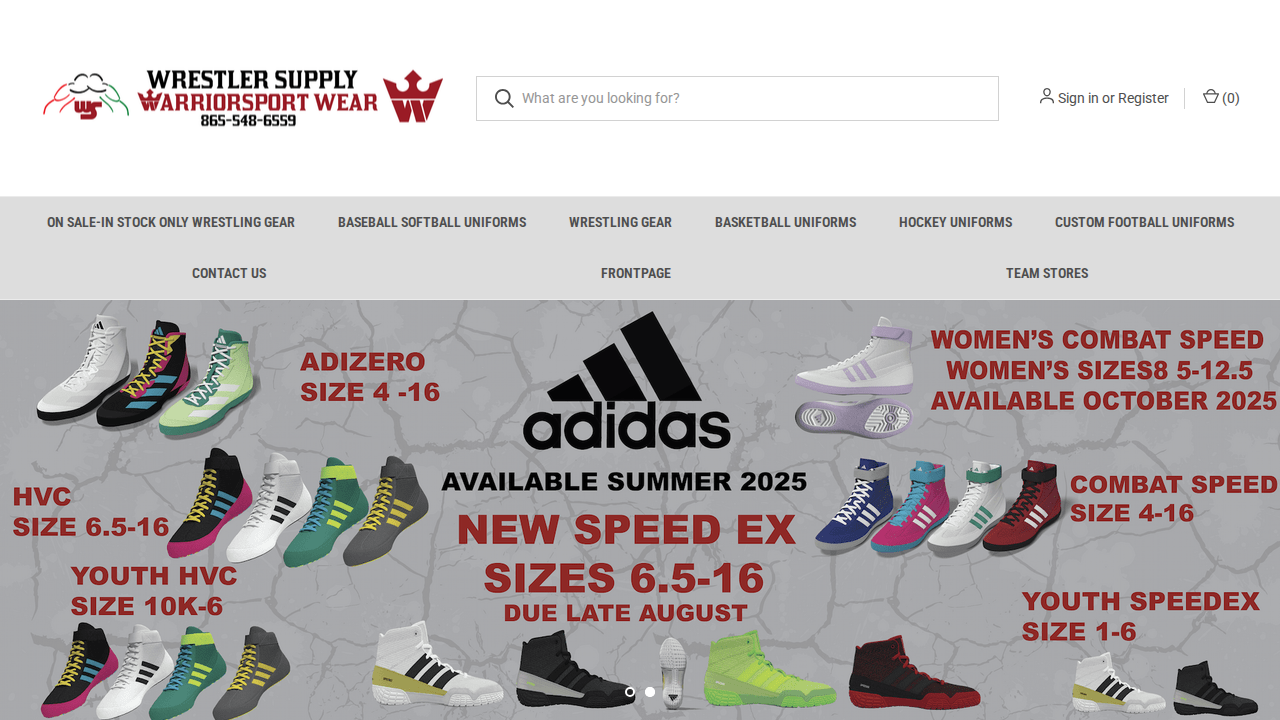
On 04/05/26 wrestlersupply.com scored 57% — **Fair** – Overall, the site shows a strong foundation, but a few visibility gaps keep it from coming through as clearly as it could in AI-driven results
Executive summary
Score Breakdown (High Level)
- Discoverability: 100% - The site has a solid technical core with descriptive metadata and no indexing blocks, but the total absence of XML and media sitemaps is a major hurdle for full search engine discoverability.
- Structured Data: 17% - We weren't able to find any valid schema markup on the site, leaving a big gap in how generative engines identify the brand and verify its authors.
- AI Readiness: 33% - The site is open to AI crawlers and has good brand context, but it's missing a sitemap and a Wikidata entry to help with technical discovery.
- Performance: 72% - The site's responsiveness and layout stability are in good shape, but the time it takes for the main content to load is currently very slow on mobile.
- Reputation: 69% - The site is well-recognized by AI models and has a strong social presence, but conflicting address information and a lack of a Wikidata entry impacted the score.
- LLM-Ready Content: 48% - The site provides strong credibility signals through specific authorship and recent updates, but the content structure is too fragmented for AI systems to easily summarize.

Where things stand overall
The main takeaway is that the site has a good base for visibility, but several core signals are missing or unclear, which can limit how confidently AI systems interpret and summarize it. Most of what’s showing up here isn’t “wrong,” it’s more that the site doesn’t consistently spell out key details in a way machines can quickly trust and reuse. The sections below walk through the specific areas where the report flagged gaps, so you can see exactly what’s getting in the way. Overall, this is a manageable set of issues—clear, fixable, and common for sites with lots of products and content.
Detailed Report
Discoverability
❌ XML sitemap not found
What we saw
We didn’t find a standard sitemap for the site. That makes it harder for systems to reliably understand the full set of pages you want discovered.
Why this matters for AI SEO
When AI-driven discovery can’t quickly map the site, important pages are easier to miss and the brand’s overall coverage can look thinner than it really is.
Next step
Publish a standard sitemap that lists the site’s important pages and make it accessible in a consistent, crawlable location.
❌ Media sitemaps not found
What we saw
We didn’t see dedicated sitemaps for image or video content. That leaves rich media harder to fully account for at scale.
Why this matters for AI SEO
Generative engines often rely on strong page and media discovery to build a complete understanding of what a brand offers, especially on product-heavy sites.
Next step
Add dedicated media sitemaps if images and/or videos are a meaningful part of how products and content are presented.
Structured Data
❌ Homepage schema markup not detected
What we saw
We didn’t detect any working structured data on the homepage. The only structured-data block found appeared to be effectively empty.
Why this matters for AI SEO
Without clear, machine-readable entities, AI systems have to infer basic facts about the brand and page purpose, which can reduce confidence and consistency.
Next step
Add valid structured data that clearly describes what the homepage represents and who it belongs to.
❌ Organization structured data missing
What we saw
We didn’t find structured data that identifies the business as an entity (for example, as an organization). That leaves the “who” behind the site less explicit.
Why this matters for AI SEO
Generative engines tend to perform best when they can connect a site to a clearly defined brand entity they can reference and trust.
Next step
Add organization-level structured data that consistently describes the brand and its key identifiers.
❌ Resource page schema markup missing
What we saw
We didn’t detect valid structured data on the resource page that was evaluated. The content appears to rely on visual formatting alone.
Why this matters for AI SEO
When content pages don’t carry clear, machine-readable descriptions, AI systems may struggle to classify the content and reuse it accurately in responses.
Next step
Add valid structured data to key content pages so their topic and content type are unambiguous.
❌ Structured data block lacks required details
What we saw
A structured-data block was detected, but it was missing required properties (including clear entity types), making it functionally unusable.
Why this matters for AI SEO
Incomplete structured data can be ignored by systems, which means you lose the clarity benefits without realizing it.
Next step
Validate and correct the existing structured data so it’s complete and interpretable.
❌ Author verification links not connected
What we saw
An author name appears on the content, but there wasn’t author structured data to connect that author to any external verification profiles.
Why this matters for AI SEO
AI systems are more likely to trust and attribute content confidently when authorship is clearly tied to a consistent identity across the web.
Next step
Add author structured data that connects the author identity to consistent, external profiles.
AI Readiness
❌ Sitemap not available for AI discovery
What we saw
A standard sitemap wasn’t found, so there isn’t a reliable “directory” for crawlers to follow across the site.
Why this matters for AI SEO
When discovery is less direct, AI crawlers can end up with an incomplete picture of your inventory and key pages.
Next step
Make a standard sitemap available so AI systems can discover and revisit important pages more consistently.
❌ Sitemap freshness signals not available
What we saw
Because a sitemap wasn’t found, we also didn’t see the usual page-update details that help systems understand what’s changed.
Why this matters for AI SEO
Generative engines do better when they can separate what’s current from what’s stale, especially for product-heavy sites that change often.
Next step
Include update details in the sitemap so page freshness is clearer to crawlers.
❌ No Wikidata entity found for the brand
What we saw
We didn’t find a Wikidata entry associated with the brand. That removes a common reference point used for identity confirmation.
Why this matters for AI SEO
When an authoritative entity reference is missing, generative engines may be less confident in consolidating brand details consistently.
Next step
Establish a Wikidata entity for the brand so its identity is easier to verify across AI systems.
Performance
❌ Main content appears slowly on the homepage
What we saw
The primary content on the homepage took a noticeably long time to fully appear. This creates a slow first impression for both users and automated systems.
Why this matters for AI SEO
If key content is slow to render, crawlers and AI systems can have a harder time consistently extracting and understanding what the page is about.
Next step
Reduce the time it takes for the homepage’s main content to display so it becomes readable sooner.
❌ Main content appears slowly on the resource page
What we saw
The resource page’s primary content also took a long time to fully appear. This can make content-heavy pages feel harder to “read” at first.
Why this matters for AI SEO
Content pages are often what AI systems pull from; if the main content is slow to load, that can reduce reliability in how the content is processed.
Next step
Improve how quickly the resource page’s main content becomes visible and readable.
Reputation
❌ Conflicting business address information
What we saw
The brand’s physical address details weren’t consistent across sources, with different locations being associated with the business.
Why this matters for AI SEO
When identity details conflict, generative engines can become less confident about which information is correct, which can dilute trust signals.
Next step
Align the brand’s core business location information so it’s consistent wherever it appears.
❌ No Wikidata anchor for brand identity
What we saw
No Wikidata entity was found for the brand, leaving a notable gap in high-authority identity references.
Why this matters for AI SEO
Wikidata commonly helps knowledge systems connect the dots across mentions, profiles, and brand facts with fewer inconsistencies.
Next step
Create and maintain a Wikidata entity that reflects the brand’s canonical identifiers.
❌ Notable negative customer assertions
What we saw
We saw affirmed negative mentions tied to shipping delays and customer service communication. These themes can shape how brand reliability is summarized.
Why this matters for AI SEO
Generative engines often synthesize reputation signals into short, confidence-based summaries, so repeated negative themes can carry outsized weight.
Next step
Review the recurring negative themes being mentioned and ensure your public-facing brand story matches the customer experience.
LLM-Ready Content (Blog Analysis)
Heads up: this section looks at one article as a snapshot, so it’s a little more interpretive than the rest of the report and may shift slightly from run to run. Have questions? Just shoot us an email at hello@v9digital.com
❌ Content isn’t grouped into readable sections
What we saw
The page leaned heavily on product lists and short snippets, without enough supporting paragraph-style sections. As a result, the content doesn’t read as a set of clear, self-contained chunks.
Why this matters for AI SEO
AI systems extract and reuse information more reliably when content is organized into complete sections that explain a point clearly on their own.
Next step
Rework the page so key topics are presented in clear, standalone sections with enough explanatory text to be understood out of context.
❌ No table-based summary found
What we saw
We didn’t find a table-style summary on the evaluated page. The information is presented primarily in grids and short blocks.
Why this matters for AI SEO
When comparisons or key attributes are laid out in a structured summary, it’s easier for AI systems to extract accurate, reusable details.
Next step
Add a simple structured summary section where it naturally fits the content.
❌ Subheadings aren’t consistently descriptive
What we saw
Many headings functioned more like short category labels than meaningful descriptors of the section beneath them. That makes it harder to understand what each section is actually explaining.
Why this matters for AI SEO
Generative engines use headings as cues for topic boundaries; vague headings reduce confidence in what a section is “about.”
Next step
Rewrite headings so they clearly describe the specific topic and match the language used in the section content.
❌ Key takeaways don’t show up early
What we saw
Sections typically didn’t start with a real opening paragraph that explains the main point. The content often jumps straight into lists, grids, or brief snippets.
Why this matters for AI SEO
AI systems tend to weight early, explicit explanations more heavily when summarizing or extracting answers.
Next step
Make sure each major section opens with a short, clear paragraph that states the point in plain language.
❌ A few terms and acronyms aren’t explained
What we saw
The content included several acronyms and all-caps terms without nearby explanations. For someone skimming (including an AI system), that adds avoidable ambiguity.
Why this matters for AI SEO
Unexplained shorthand can reduce clarity and increase the chance that AI-generated summaries misinterpret meaning or context.
Next step
Define acronyms and specialized terms the first time they appear so the content is easier to interpret and reuse.
Does Anything Seem Off?
Thanks for taking our free GEO Grader for a spin. When we started this journey, the tool had a fairly long processing time to check everything we wanted both onsite and offsite, so we made a few adjustments on the backend to speed things up. As a result, there are times when the grader may not get everything 100% right. If something feels off, we recommend running the tool a second time to confirm the results. From there, you’re always welcome to reach out to us to schedule a GEO consultation, or to have your SEO provider validate the findings with a more detailed crawl and manual review.
