
Overview:
On 02/10/26 armandalegshow.com/ scored 65% — **Decent** – Overall, the site is in a pretty good place for AI visibility, with a few clear gaps around content clarity and brand anchoring that keep it from feeling fully “buttoned up.”
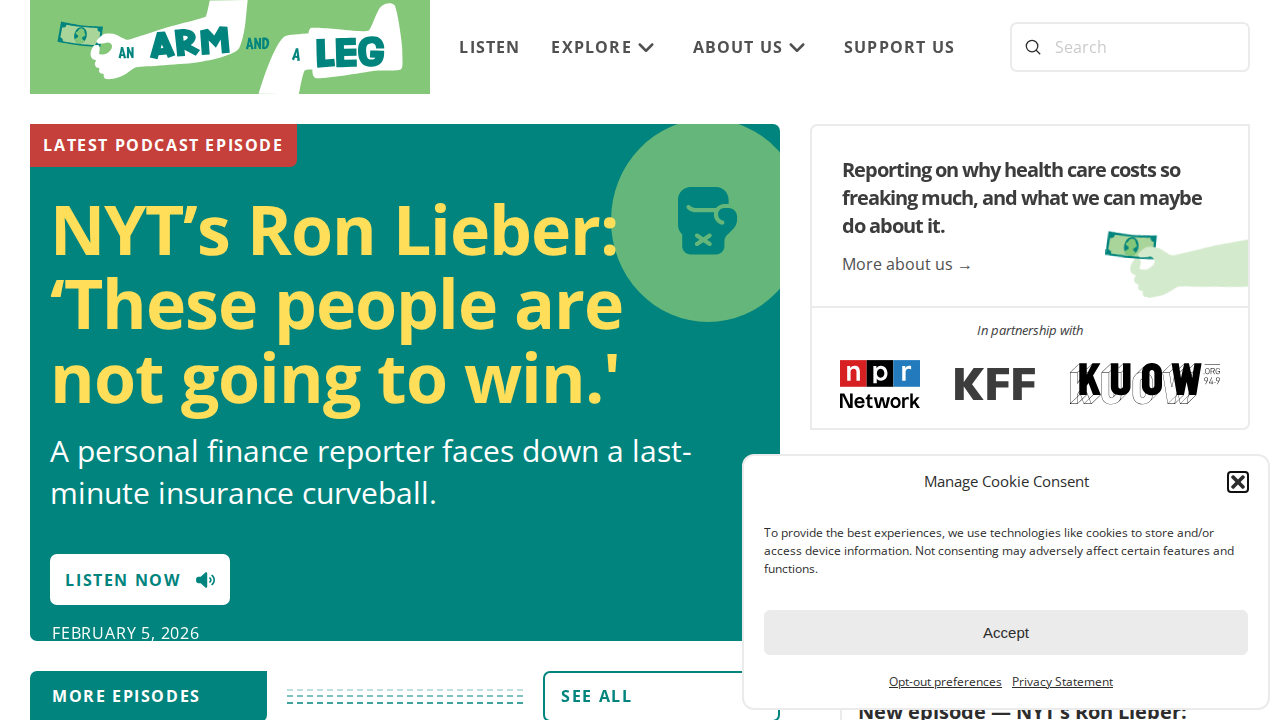
Executive summary
Score Breakdown (High Level)
- Discoverability: 100% - The site is in excellent shape for discovery, though we didn't see a dedicated image or video sitemap.
- Structured Data: 58% - The homepage has well-structured organization schema, but the lack of resource page data prevented a full evaluation of author details.
- AI Readiness: 67% - Overall, the site’s technical foundation is solid for AI crawlers and brand context, but the absence of a Wikidata entity is a gap in its foundational authority.
- Performance: 50% - Mobile performance is generally solid across most metrics, but a very slow Largest Contentful Paint is a significant bottleneck.
- Reputation: 88% - The brand shows strong authority through recognition by multiple AI models and independent press coverage, though it lacks a verified Wikidata entry.
- LLM-Ready Content: 36% - The page is exceptionally current and well-organized for human readers, but its fragmentary text and lack of detailed subheadings limit its effectiveness for AI-driven content extraction.

What stands out most overall
The big picture is that your foundation is in a solid place, but a few missing clarity and identity signals make it harder for AI systems to confidently interpret and reuse your content. Most of the gaps aren’t “errors” so much as places where the page doesn’t spell things out enough for automated readers. The sections below walk through the specific areas that fell short, so you can see exactly where the visibility and understanding breaks down. None of this is unusual, and it’s all very fixable once you know where it’s happening.
Detailed Report
Discoverability
❌ Image or video sitemap not found
What we saw
We weren’t able to find a dedicated image or video sitemap in the site data. This doesn’t stop the site from being discovered, but it does leave media discovery less explicit.
Why this matters for AI SEO
When media is easier to discover and categorize, generative engines have a better shot at understanding and reusing visual/audio assets in answers. Without a clear signal, important media can be less likely to surface in AI-driven results.
Next step
Add a dedicated image and/or video sitemap so media content is easier for crawlers and AI systems to discover.
Structured Data
❌ Structured data on the resource/blog page couldn’t be verified
What we saw
The resource/blog page HTML wasn’t available for evaluation, so we couldn’t confirm whether structured data is present there. As a result, this part of the review is incomplete for that page.
Why this matters for AI SEO
Generative engines rely on consistent, machine-readable page context to understand what a page is and how to summarize it confidently. When that information can’t be confirmed on content pages, it can weaken how reliably those pages are interpreted.
Next step
Make sure the resource/blog page is available for evaluation and includes clear structured data aligned to the page’s content.
❌ Author information on the resource/blog post couldn’t be verified
What we saw
Because the resource/blog page HTML wasn’t provided, we couldn’t confirm whether the post includes a clear, non-generic author. That leaves a key trust detail unknown for content pages.
Why this matters for AI SEO
Clear authorship helps AI systems connect content to real expertise and a consistent identity. When author details are missing or can’t be validated, content can be harder to trust and attribute.
Next step
Ensure blog/resource posts clearly show an individual author (not just an organization name) in a consistent, easy-to-parse way.
❌ Author profile links couldn’t be verified
What we saw
We couldn’t validate whether the author includes profile links (like official social or identity pages) because the resource/blog page HTML wasn’t available. That leaves less confirmed connective tissue between the author and their public presence.
Why this matters for AI SEO
When AI can reliably connect an author to consistent profiles, it’s easier to build confidence in attribution and expertise. Missing or unverified profile connections can make those identity signals feel weaker.
Next step
Add and expose consistent author profile links so the author’s identity can be recognized across platforms.
AI Readiness
❌ No Wikidata entity found for the brand
What we saw
No Wikidata item ID was found for the brand in the provided dataset. That means there isn’t a clear, centralized identity record that AI systems can use as a reference point.
Why this matters for AI SEO
A strong identity anchor helps generative engines resolve brand mentions confidently and avoid confusion with similarly named entities. Without it, AI systems may have a harder time “locking onto” the brand as a distinct entity.
Next step
Create or claim a Wikidata entry for the brand and connect it to the official identity details.
Performance
❌ Main homepage content is slow to appear
What we saw
The main content on the homepage took a long time to fully appear, landing at just over 10 seconds in the performance snapshot. That’s a noticeable delay for first-time visitors.
Why this matters for AI SEO
When the primary content takes longer to load, it can reduce how quickly systems can access and interpret what the page is about. That can also translate into weaker engagement signals, which can indirectly affect overall visibility.
Next step
Improve how quickly the homepage’s primary content becomes visible so both users and crawlers can access the core message sooner.
Reputation
❌ Wikidata entity does not appear to exist or match the brand
What we saw
We didn’t find a matching Wikidata entity for the brand. As a result, that specific offsite identity reference point is missing.
Why this matters for AI SEO
Wikidata is one of the common places AI systems use to reconcile identity and brand facts. Without a match there, it’s harder for AI to consistently confirm “who” the brand is.
Next step
Establish a Wikidata entity that clearly matches the brand and aligns with its public identity.
❌ Official identity anchors couldn’t be verified via Wikidata
What we saw
Because no Wikidata record was found, we couldn’t verify official identity anchors there (like the canonical name and other confirming details). That leaves one more trust reference point unavailable.
Why this matters for AI SEO
When official identity anchors are easy to confirm, AI systems tend to be more consistent in how they describe and cite a brand. Missing anchors can introduce uncertainty in AI-generated summaries.
Next step
Add the brand’s official identity anchors to a matching Wikidata record so they can be verified consistently.
LLM-Ready Content (Blog Analysis)
Heads up: this section looks at one article as a snapshot, so it’s a little more interpretive than the rest of the report and may shift slightly from run to run. Have questions? Just shoot us an email at hello@v9digital.com
❌ No clear individual author listed
What we saw
No individual author name was identified in the visible text or supporting markup for the evaluated content. The site identifies the organization name instead.
Why this matters for AI SEO
AI systems look for authorship to help assess credibility and attribute information correctly. When authorship is generic, it can be harder for AI to confidently cite or summarize the content as expert-led.
Next step
Add a clear individual author name to the content so it’s easy to attribute.
❌ Content sections are too fragmentary to build context
What we saw
The page structure relies heavily on very short blurbs and headlines, with sections averaging only a few sentences. That doesn’t provide much connected text for a system to interpret as a cohesive explanation.
Why this matters for AI SEO
Generative engines do best when they can extract complete thoughts and supporting detail from a section. Fragmentary sections make it harder to understand the “what/why/how” without guessing.
Next step
Rewrite or expand key sections so each one contains enough connected text to stand on its own.
❌ No table-based summary found
What we saw
No HTML table was detected in the page source. That means there isn’t a simple structured summary format available on-page.
Why this matters for AI SEO
Tables can make comparisons and “at-a-glance” facts easier for AI systems to extract accurately. Without one, key details may be harder to pull cleanly.
Next step
Add a simple table where it fits (for example, a quick comparison, checklist, or reference summary).
❌ Subheadings don’t clearly match the text that follows
What we saw
Many subheadings didn’t meaningfully connect to the first sentence of their sections, so the page reads more like a set of labels than a mapped outline. This makes the hierarchy feel less descriptive.
Why this matters for AI SEO
When headings and section openers align, AI can more reliably chunk and summarize content without losing context. Misalignment increases the chance that systems misinterpret what a section is actually about.
Next step
Tighten subheadings so they clearly preview the first idea in the section that follows.
❌ Key answers don’t show up early in sections
What we saw
Early section paragraphs were consistently very short and often read like dates or taglines instead of a direct answer or takeaway. That delays the “point” of the section.
Why this matters for AI SEO
AI systems often prioritize early text when building quick summaries. If the key takeaway isn’t near the top, the system may miss it or produce a weaker summary.
Next step
Lead each section with a clear 1–2 sentence takeaway before the supporting detail.
❌ Unexplained acronyms reduce clarity
What we saw
Acronyms like NYT, NPR, RSS appeared without nearby definitions. For a reader (or model) landing mid-page, that creates small comprehension gaps.
Why this matters for AI SEO
Generative engines work best when terms are defined in context, especially when content may be reused out of its original page flow. Undefined acronyms can reduce the accuracy of summaries and extracted explanations.
Next step
Add quick expansions the first time acronyms appear so the meaning is unambiguous.
Does Anything Seem Off?
Thanks for taking our free GEO Grader for a spin. When we started this journey, the tool had a fairly long processing time to check everything we wanted both onsite and offsite, so we made a few adjustments on the backend to speed things up. As a result, there are times when the grader may not get everything 100% right. If something feels off, we recommend running the tool a second time to confirm the results. From there, you’re always welcome to reach out to us to schedule a GEO consultation, or to have your SEO provider validate the findings with a more detailed crawl and manual review.
