
Overview:
On 07/21/26 2ndbook.org scored 45% — **Below Average** – Overall, the site has some solid fundamentals, but several key signals for AI visibility and credibility are coming through as unclear or missing.
Executive summary
Score Breakdown (High Level)
- Discoverability: 100% - The site is generally discoverable and open to crawlers, but it's missing a meta description and specialized sitemaps for media.
- Structured Data: 0% - We weren't able to find any schema markup or structured data on the homepage, which is a significant gap for visibility in generative search results.
- AI Readiness: 33% - We found that the site explicitly blocks major AI crawlers and is missing 'lastmod' data in the sitemap, though it does include a clear about page.
- Performance: 67% - Mobile performance for the homepage is in great shape, with all core metrics well within the healthy range.
- Reputation: 38% - The brand is recognized by AI models and has a clean reputation, but it lacks the offsite anchors like social profiles, reviews, and independent press that establish authority.
- LLM-Ready Content: 40% - The page is regularly updated and contains useful outbound links, but it lacks a named author and the content sections are currently too brief for optimal readability.

The main takeaway before details
What stands out most is that the site isn’t giving AI systems consistent, explicit signals about what the brand is, who’s behind the content, and how to interpret key pages. A lot of what’s showing up reads less like “something is wrong” and more like the story just isn’t fully spelled out in the places AI typically looks for confirmation. The next sections break down the specific areas where that clarity drops off, organized by topic so it’s easy to follow. None of this is unusual—these are common gaps for sites that haven’t been tuned with AI visibility in mind yet.
Detailed Report
Discoverability
❌ Missing page description
What we saw
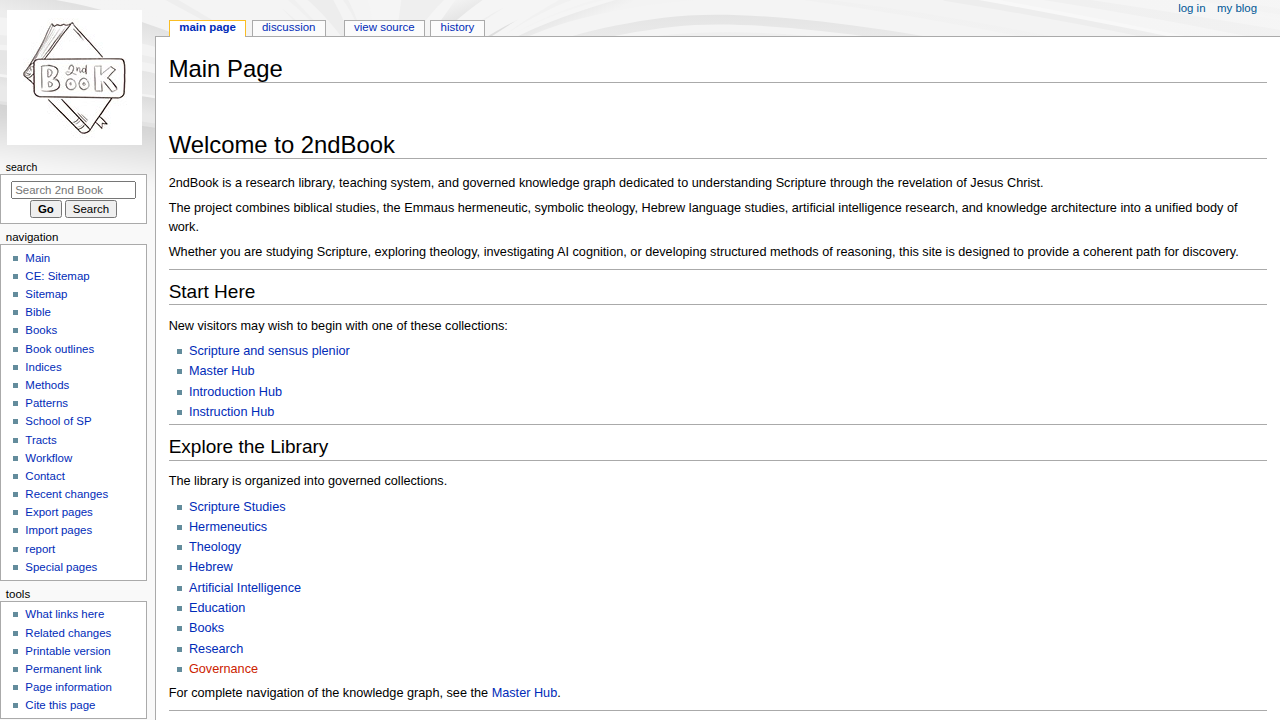
The homepage didn’t include a descriptive summary for the page, so there’s no clear “at-a-glance” explanation of what the site is about.
Why this matters for AI SEO
When this summary is missing, AI systems have fewer direct cues to quickly understand the page’s purpose and how to represent it in generated answers.
Next step
Add a clear, plain-English description of the homepage that reflects what the site is and who it’s for.
❌ No image or video sitemap found
What we saw
We didn’t find a dedicated discovery feed for image or video content in the usual locations, or referenced in the site’s crawl guidance.
Why this matters for AI SEO
If visual content isn’t clearly surfaced, AI systems may miss important supporting material that could reinforce topical relevance and improve understanding.
Next step
Publish and reference a dedicated discovery feed for image and/or video content if the site relies on visual assets.
Structured Data
❌ No structured data found on the homepage
What we saw
We didn’t detect any structured data on the homepage, so key details about the site aren’t being stated in a consistent, machine-readable way.
Why this matters for AI SEO
Without these explicit signals, AI systems have to infer what the brand is and what it represents, which can lead to weaker confidence and less consistent visibility.
Next step
Add structured data to the homepage that clearly describes the site and its primary identity.
❌ Organization details not clearly defined
What we saw
Because no structured data was present, we also couldn’t find any explicit organization-level information tied to the homepage.
Why this matters for AI SEO
AI systems rely on clear brand/entity signals to connect your site to a stable identity, which supports trust and accurate attribution.
Next step
Include organization-level structured data so the brand’s identity is unambiguous.
❌ Resource/blog structured data couldn’t be evaluated
What we saw
A resource or blog page wasn’t provided for this part of the evaluation, so we couldn’t confirm whether content pages include structured data.
Why this matters for AI SEO
If AI systems can’t reliably identify what a content page is (and how it should be referenced), it becomes harder for them to reuse or cite it cleanly.
Next step
Provide a representative resource/blog URL and ensure content pages include clear, consistent structured data.
❌ Structured data quality can’t be validated
What we saw
Since no structured data was present, there was nothing to validate for completeness or errors.
Why this matters for AI SEO
AI systems tend to trust explicit, consistent signals more than inferred ones, so having nothing to evaluate can limit clarity and confidence.
Next step
Implement structured data first, then validate that it’s complete and consistent across key pages.
❌ Author identity on content pages couldn’t be confirmed
What we saw
Because a resource/blog page wasn’t provided, we couldn’t verify whether posts have a clear, non-generic author identity.
Why this matters for AI SEO
Author clarity helps AI systems understand who is behind the content, which supports trust and reduces ambiguity in attribution.
Next step
Make sure content pages clearly name the author and keep that identity consistent.
❌ Author profile linking couldn’t be confirmed
What we saw
With no resource/blog page provided, we couldn’t check whether author profiles include external identity references.
Why this matters for AI SEO
When authors are clearly connected to consistent external profiles, it’s easier for AI systems to verify and confidently attribute expertise.
Next step
Ensure author profiles include consistent external identity references where appropriate.
AI Readiness
❌ Major AI crawlers are explicitly blocked
What we saw
The site’s crawl rules explicitly prevent several major AI crawlers from accessing the content.
Why this matters for AI SEO
If AI systems can’t access your pages directly, it reduces their ability to understand, index, and represent your content in AI-driven experiences.
Next step
Decide which AI crawlers you want to allow, and align the site’s crawl rules to match that intent.
❌ Page update signals aren’t included in the sitemap
What we saw
The sitemap was missing page-level update information, so it doesn’t clearly communicate which URLs are freshest.
Why this matters for AI SEO
When freshness isn’t easy to detect, automated systems may have a harder time prioritizing updated pages and understanding what’s changed.
Next step
Add page-level update signals to the sitemap entries so changes are easier to identify.
❌ No Wikidata entity found for the brand
What we saw
We didn’t find a Wikidata entity that clearly maps to the brand.
Why this matters for AI SEO
Without a widely recognized entity reference, it’s harder for AI systems to confidently connect your site to a stable, verifiable identity.
Next step
Establish a clear Wikidata entity for the brand so the identity is easier to verify.
Reputation & Offsite Signals
❌ Brand identity isn’t consistently anchored
What we saw
A physical address wasn’t identified, and the brand name appeared with conflicting variations across sources.
Why this matters for AI SEO
When identity details don’t line up cleanly, AI systems can be less confident about which brand the site represents and how to describe it.
Next step
Standardize the official brand identity details so they’re consistent wherever the brand appears.
❌ No Wikidata entity present
What we saw
No Wikidata match was found for the brand or domain.
Why this matters for AI SEO
A missing entity reference makes it harder for AI systems to confirm the brand’s “canonical” identity and connect it to other trusted sources.
Next step
Create and maintain a Wikidata entity that clearly reflects the brand’s official identity.
❌ Official identity anchors couldn’t be verified
What we saw
Because no Wikidata entry was found, there were no official identity anchors available to validate core brand details.
Why this matters for AI SEO
When authoritative identity anchors are missing, it’s easier for AI summaries to become vague, inconsistent, or incomplete.
Next step
Add official identity anchors to a central entity reference so the brand is easier to validate.
❌ Third-party reviews weren’t found
What we saw
We didn’t find evidence of customer reviews available from third-party sources.
Why this matters for AI SEO
Independent feedback helps AI systems understand real-world trust and sentiment, especially when they’re deciding what to recommend or cite.
Next step
Build a review footprint on credible third-party platforms that are clearly associated with the brand.
❌ Review sources weren’t identifiable
What we saw
No concrete review sources were identified, which means there’s nothing consistent for AI systems to reference.
Why this matters for AI SEO
When review sources aren’t clearly tied to the brand, AI systems may avoid using them or may treat the brand as less verifiable.
Next step
Establish consistent, clearly attributable review sources that match the brand identity.
❌ Social profiles weren’t confirmed
What we saw
We didn’t find major social profiles that AI systems can confidently associate with the brand.
Why this matters for AI SEO
Recognizable social profiles act as identity confirmation points, helping AI systems distinguish your brand from similarly named entities.
Next step
Create or confirm official social profiles and make sure they’re consistently tied back to the brand.
❌ Homepage doesn’t link to social profiles
What we saw
We didn’t find homepage links out to common social platforms.
Why this matters for AI SEO
When official profiles aren’t directly connected, AI systems have less to work with when trying to verify which accounts (if any) represent the brand.
Next step
Add clear homepage links to any official social profiles you want associated with the brand.
❌ No independent press coverage detected
What we saw
We didn’t find evidence of third-party journalistic or industry coverage for the brand.
Why this matters for AI SEO
Independent mentions help AI systems validate that a brand exists beyond its own site, which can strengthen confidence and reduce ambiguity.
Next step
Develop a footprint of independent coverage that clearly references the brand name and site.
LLM-Ready Content (Blog Analysis)
Heads up: this section looks at one article as a snapshot, so it’s a little more interpretive than the rest of the report and may shift slightly from run to run. Have questions? Just shoot us an email at hello@v9digital.com
❌ No clear author attribution
What we saw
We didn’t find a visible, non-generic author identity on the page.
Why this matters for AI SEO
When author identity is missing, AI systems have a harder time assessing source credibility and attributing ideas correctly.
Next step
Add a clear author name to the page and keep it consistent wherever the content is referenced.
❌ Sections are too thin to carry meaning
What we saw
The content is broken into sections, but the sections are very short, which makes the page read more like a directory than a developed resource.
Why this matters for AI SEO
AI systems extract meaning by chunk, and thin chunks often don’t contain enough context to summarize accurately or reuse confidently.
Next step
Expand key sections so each one communicates a complete thought with enough context to stand on its own.
❌ No table-based summary (bonus)
What we saw
We didn’t detect a table-based element that summarizes key concepts or comparisons.
Why this matters for AI SEO
When structured summaries aren’t present, AI systems may need to interpret scattered details instead of pulling from a clear, compact reference.
Next step
Add a simple table where it naturally fits to summarize key items, terms, or comparisons.
❌ Subheadings aren’t descriptive enough
What we saw
Most subheadings were short and generic, so they don’t clearly signal what each section contains.
Why this matters for AI SEO
Descriptive headings act like signposts for AI, making it easier to map the page’s structure and extract the right details.
Next step
Rewrite subheadings so they clearly describe the specific question, topic, or takeaway in each section.
❌ Key answers don’t show up early in sections
What we saw
Sections tend to start with very brief opening lines, rather than a clear opening paragraph that quickly states the main point.
Why this matters for AI SEO
If the main takeaway isn’t surfaced early, AI systems may miss it or downweight the section when generating summaries.
Next step
Start each main section with a short, clear lead that states the core answer or point upfront.
Does Anything Seem Off?
Thanks for taking our free GEO Grader for a spin. When we started this journey, the tool had a fairly long processing time to check everything we wanted both onsite and offsite, so we made a few adjustments on the backend to speed things up. As a result, there are times when the grader may not get everything 100% right. If something feels off, we recommend running the tool a second time to confirm the results. From there, you’re always welcome to reach out to us to schedule a GEO consultation, or to have your SEO provider validate the findings with a more detailed crawl and manual review.
