
Overview:
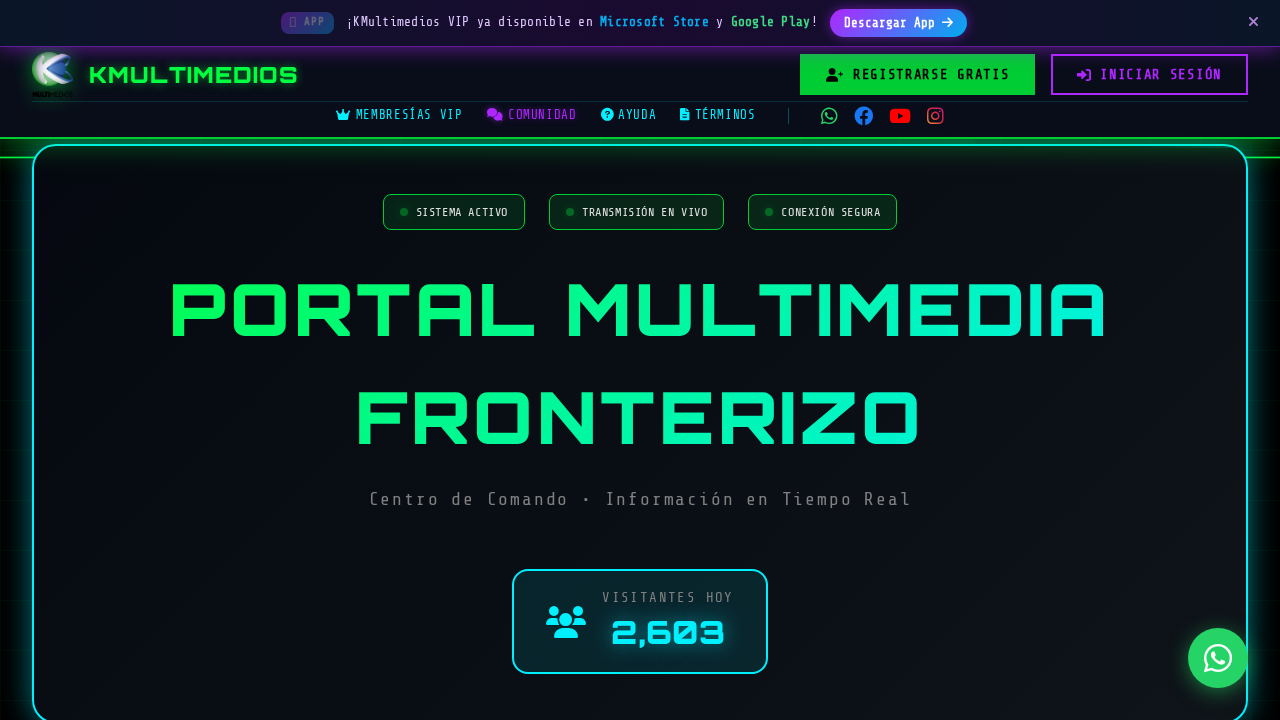
On 07/21/26 kmultimedios.com scored 54% — **Fair** – Overall, the site has a solid base for being found, but some key context and credibility signals aren’t coming through as clearly as they could.
Executive summary
Score Breakdown (High Level)
- Discoverability: 92% - The site is technically very accessible and well-structured for search engines, though it's missing specialized sitemaps for its image and video content.
- Structured Data: 100% - The site features a complete and error-free structured data implementation that effectively communicates the organization's identity and authority.
- AI Readiness: 50% - The site has the technical basics like sitemaps and crawler access dialed in, but it's missing the brand-level signals like a Wikidata entry or a clear 'About' link that AI engines look for.
- Performance: 72% - Mobile performance is a bit of a mixed bag; while the site is responsive and visually stable, the loading times for the largest page elements are significantly delayed.
- Reputation: 12% - We were able to verify social media links on the homepage, but missing offsite data and Wikidata records prevented a full reputation assessment.
- LLM-Ready Content: 48% - The page is technically sound with clear authorship and recent updates, but the highly fragmented layout and short text snippets make it difficult for AI to extract deep contextual meaning.

What stands out most overall
The big picture is that the site is findable and clearly branded in places, but several signals that help AI confirm identity and confidence aren’t coming through consistently. A lot of the gaps aren’t “errors” so much as missing context—especially around offsite credibility, brand background, and how easily the main page content can be summarized. The sections below walk through the specific areas where the evaluation couldn’t find what it needed, so you can see exactly what’s holding visibility back. None of this is unusual for fast-moving media-style sites, and it’s all straightforward to tighten up once it’s clearly surfaced.
Detailed Report
Discoverability
❌ Image or video sitemap not found
What we saw
We didn’t find a dedicated image or video sitemap referenced for the site. That makes it harder for visual and video content to be discovered as consistently as your standard pages.
Why this matters for AI SEO
Generative engines often pull from a mix of text and media when building answers. If media discovery is uneven, it can reduce how often those assets show up in AI summaries and citations.
Next step
Create and publish dedicated image and/or video sitemap coverage so those assets are easier to surface and understand.
AI Readiness
❌ About or brand context page not clearly discoverable
What we saw
We didn’t find a clear “About”-style link or brand context path from the homepage. That means a reader (and an AI system) has fewer obvious cues for quickly confirming who’s behind the site.
Why this matters for AI SEO
When generative engines can’t easily find ownership and background context, they may be more cautious about how confidently they describe or reference the brand. This can limit how often the site is used as a trusted source in AI answers.
Next step
Add a clearly labeled brand/company context page and make it easy to find from the homepage.
❌ No Wikidata entity found for the brand
What we saw
We didn’t find a Wikidata entry tied to the brand. As a result, there isn’t a strong external reference point that helps systems connect identity details across the web.
Why this matters for AI SEO
Generative engines lean on reliable entity references to confirm “who is who” and avoid mixing brands with similar names. Without that anchor, it can be harder for AI to confidently associate mentions, profiles, and coverage back to the same organization.
Next step
Create (or claim and complete) a Wikidata entity that clearly matches the official brand identity.
Performance
❌ Main content loads very slowly on the homepage
What we saw
The primary content on the homepage took a very long time to fully appear (over 50 seconds). That’s a noticeable delay before a user can actually engage with what the page is trying to communicate.
Why this matters for AI SEO
Slow-loading main content can reduce how reliably systems access and process the page, especially when they’re trying to extract key context quickly. If content arrives late, it can limit what gets interpreted and reused.
Next step
Identify what’s delaying the homepage’s main content and reduce the time it takes to render.
❌ Main content loads very slowly on the resource page
What we saw
The primary content on the resource page also took a very long time to fully appear (over 50 seconds). This creates the same “waiting” experience on a second key page type.
Why this matters for AI SEO
If important pages don’t reliably present their core content quickly, it can weaken how consistently AI systems can understand and summarize them. Over time, that can reduce visibility for those pages in AI-driven discovery.
Next step
Review the resource page’s loading sequence and address the components that delay the main content from appearing.
Reputation
❌ No confirmed view on negative client assertions
What we saw
We weren’t able to confirm whether there are notable negative client claims tied to the brand. The evaluation didn’t surface enough information to validate this either way.
Why this matters for AI SEO
When AI systems can’t find clear, corroborated reputation context, they may hedge or avoid making strong statements about trust. That uncertainty can reduce how confidently the brand is referenced.
Next step
Compile and document reputable third-party feedback sources that reflect customer sentiment.
❌ No confirmed view on negative employee assertions
What we saw
We weren’t able to confirm whether there are notable negative employee claims tied to the brand. There wasn’t enough surfaced data to verify this.
Why this matters for AI SEO
Employment-related reputation can factor into how confidently AI summarizes a business’s legitimacy and stability. Missing or unclear signals can lead to more cautious AI descriptions.
Next step
Gather and cite credible third-party sources that represent employment reputation where relevant.
❌ Brand recognition across LLMs couldn’t be verified
What we saw
We couldn’t validate whether the brand is consistently recognized across multiple AI models based on the available information. This came through as “not verified,” rather than a confirmed absence.
Why this matters for AI SEO
If recognition signals aren’t consistent, AI systems may be less likely to pull the brand into answers for broad queries. It can also increase the chance of identity confusion.
Next step
Strengthen and centralize offsite references that clearly connect the brand name, domain, and official profiles.
❌ Brand identity consistency couldn’t be confirmed
What we saw
We couldn’t confirm consistent identity details (like official name, domain, and address) from the available reputation signals. In practice, this reads as “insufficient verification,” not a confirmed mismatch.
Why this matters for AI SEO
Generative engines rely on consistent identity signals to connect mentions back to the correct entity. If that consistency can’t be established, AI may be less confident when referencing the brand.
Next step
Make sure the brand’s core identity details are consistent across the main offsite profiles and references.
❌ Wikidata entity match couldn’t be validated
What we saw
A matching Wikidata entity for the brand wasn’t found, so there was no reliable entity record to cross-check against. That removes a common authority reference point.
Why this matters for AI SEO
Entity records help AI systems resolve brand identity and reduce ambiguity. Without a matchable entity reference, it’s harder for AI to “connect the dots” between the site and the wider web.
Next step
Create or update a Wikidata entity so it clearly matches the brand and points to official sources.
❌ Wikidata identity anchors not present or not verified
What we saw
We couldn’t confirm the presence of strong “official” anchors in Wikidata that tie back to the brand. This was surfaced as missing/unverified supporting identity references.
Why this matters for AI SEO
When entity records include clear official anchors, AI systems can validate identity faster and with more confidence. Without them, the brand can appear less established in AI-driven knowledge linking.
Next step
Ensure the brand’s entity references include clear official anchors that point to authoritative profiles and sites.
❌ Third-party reviews or customer feedback not verified
What we saw
We couldn’t confirm the presence of third-party reviews or customer feedback from the available reputation signals. That leaves a gap in externally validated sentiment.
Why this matters for AI SEO
AI systems often look for independent signals that a brand is legitimate and actively used by real people. When that layer is missing or unclear, brand trust can be harder to establish in AI summaries.
Next step
Identify and document credible third-party review sources associated with the brand.
❌ Review sources not concrete or not surfaced
What we saw
Even where reviews might exist, we couldn’t validate concrete sources tied back to the brand in the results provided. That makes reputation signals feel less “grounded.”
Why this matters for AI SEO
Generative engines tend to trust specific, attributable sources more than vague references. If sources aren’t clear, AI may down-weight or avoid using those signals.
Next step
Collect a clear list of reputable review sources that can be attributed to the brand.
❌ Consensus on major social profiles not verified
What we saw
We couldn’t confirm that major social profiles are consistently recognized and agreed upon across available reputation signals. This showed up as “not verified,” not necessarily absent.
Why this matters for AI SEO
Clear, consistent official profiles help AI engines validate identity and avoid mixing in unofficial or similarly named accounts. Without consensus, AI may be less confident when attributing content to the brand.
Next step
Make sure the brand’s official social profiles are consistently referenced across trusted places online.
❌ Independent press or coverage not verified
What we saw
We couldn’t confirm any independent, offsite press or coverage tied to the brand from the information provided. That leaves fewer external references that validate the organization’s relevance.
Why this matters for AI SEO
Independent coverage can act as a strong credibility layer for generative engines. When it’s missing or unclear, AI may have less to cite or rely on for high-confidence brand descriptions.
Next step
Compile any legitimate independent coverage (or citations) that references the brand directly.
❌ Onsite press or press releases not verified
What we saw
We couldn’t confirm a dedicated area for press mentions or press releases on the site based on the information surfaced here. That reduces the amount of “official narrative” available for AI to reference.
Why this matters for AI SEO
Owned press content can give AI engines a reliable, brand-approved source for key facts and announcements. Without it, AI may lean more on scattered third-party mentions (or skip the brand in certain queries).
Next step
Create a clear, findable place for brand announcements or press references that can be used as an official source.
LLM-Ready Content (Blog Analysis)
Heads up: this section looks at one article as a snapshot, so it’s a little more interpretive than the rest of the report and may shift slightly from run to run. Have questions? Just shoot us an email at hello@v9digital.com
❌ Sections are too fragmented to summarize well
What we saw
The content is split into many small blocks, with sections averaging well below the length typically needed to carry full context. As a result, individual sections don’t give AI much to “work with” when it tries to understand the page.
Why this matters for AI SEO
Generative engines do better when they can extract complete thoughts from clearly grouped sections. Fragmented content makes it harder for AI to form accurate summaries and reuse the page for more complex queries.
Next step
Consolidate related blocks into fewer, more complete sections that provide enough explanatory context.
❌ No table-based structure for quick scanning
What we saw
We didn’t find a table-based layout that summarizes key details in a compact way. Everything is presented as small snippets and modules instead.
Why this matters for AI SEO
Structured summaries can help AI systems quickly identify and extract key facts without guessing. When that’s missing, the page can be harder to interpret consistently.
Next step
Add at least one simple table that summarizes the most important info a reader is looking for on this page.
❌ Subheadings read like labels, not summaries
What we saw
Subheadings function more like navigation labels and don’t closely match the wording of the content that follows. That makes it harder to tell, at a glance, what each section is actually about.
Why this matters for AI SEO
AI often uses headings as a map for meaning and relevance. If headings don’t reflect the section’s content, systems can misinterpret what information belongs where.
Next step
Rewrite section headings so they describe the information underneath in plain, specific language.
❌ Key answers don’t appear early in sections
What we saw
Sections generally start with very short snippets instead of a substantive opening that frames the topic. That makes the page feel more like a portal than a source of explainable information.
Why this matters for AI SEO
Generative engines tend to prioritize content that gets to the point quickly and clearly. If the core takeaway doesn’t show up early, AI may miss the main context or skip citing the page.
Next step
Add a short, clear opening paragraph to each major section that states the main takeaway up front.
Does Anything Seem Off?
Thanks for taking our free GEO Grader for a spin. When we started this journey, the tool had a fairly long processing time to check everything we wanted both onsite and offsite, so we made a few adjustments on the backend to speed things up. As a result, there are times when the grader may not get everything 100% right. If something feels off, we recommend running the tool a second time to confirm the results. From there, you’re always welcome to reach out to us to schedule a GEO consultation, or to have your SEO provider validate the findings with a more detailed crawl and manual review.
