
Overview:
On 05/17/26 acornquotes.com scored 56% — **Fair** – Overall, the basics are there, but a few visibility and credibility gaps are holding the site back in AI results.
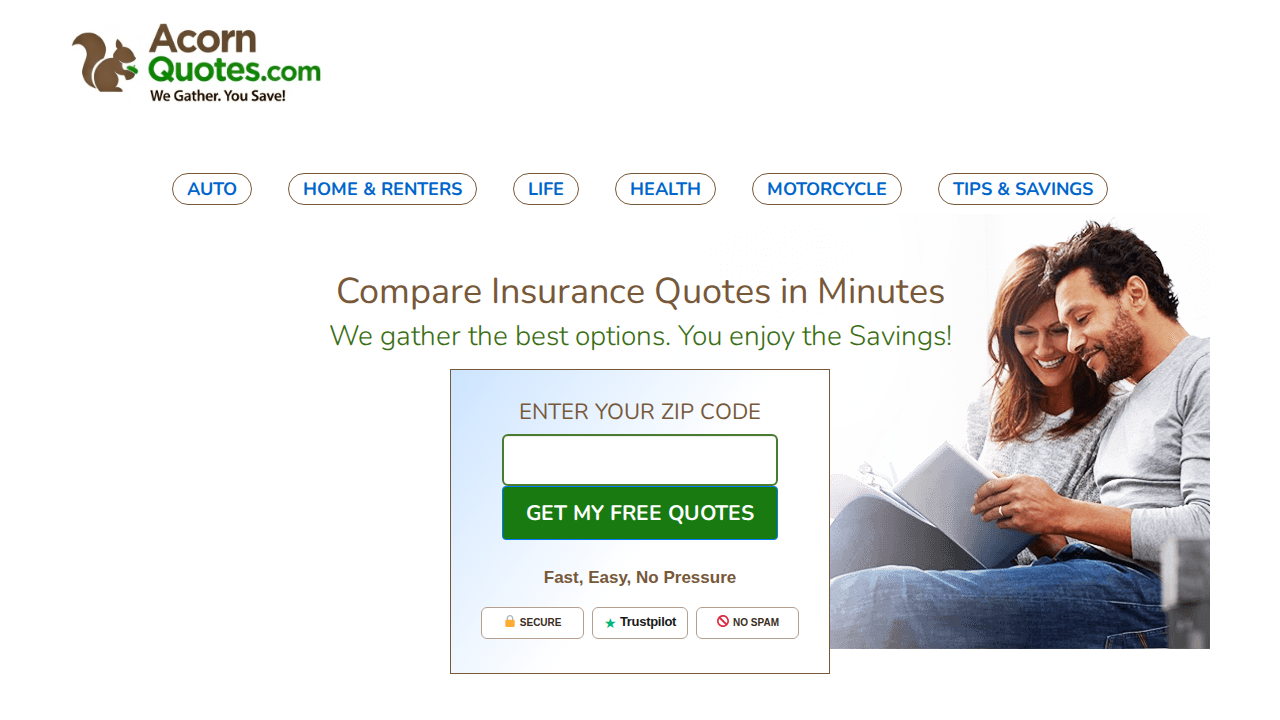
Executive summary
Score Breakdown (High Level)
- Discoverability: 100% - The site has a very strong technical foundation for discovery, though it's currently missing dedicated sitemaps for images or video.
- Structured Data: 58% - The homepage schema is robust and well-implemented, but the absence of data for the resource pages prevents us from confirming if your content and authors are being properly identified.
- AI Readiness: 67% - The site’s technical foundation for AI is strong with open crawler access and valid sitemaps, though we couldn't find a Wikidata entry to anchor the brand's identity.
- Performance: 67% - Overall, the site's mobile performance is in great shape, with homepage metrics for speed and stability all landing well within the healthy range.
- Reputation: 12% - While the site links to its social profiles, we couldn't verify a broader digital footprint or authority due to missing Wikidata and press mention data.
- LLM-Ready Content: 64% - The site provides very current information and clear answers early in each section, though it lacks an identified expert author and deeper content chunking.

The main takeaway at a glance
The big picture is that the site has a solid foundation for being found, but it’s missing some of the signals that help AI systems confidently verify the brand and interpret resource content. Most of what came up reads more like “not enough clarity” than anything fundamentally wrong. The next section breaks down the specific areas where information wasn’t found or couldn’t be confirmed, grouped by category. None of this is unusual, and it’s the kind of cleanup that can make AI visibility feel a lot more consistent.
Detailed Report
Discoverability
❌ Image or video sitemap not found
What we saw
We didn’t detect an image sitemap or a video sitemap in the site data.
Why this matters for AI SEO
When media isn’t clearly surfaced for discovery, AI systems can miss helpful visual or video context that reinforces what the brand offers.
Next step
Publish an image sitemap or video sitemap and make sure it’s included alongside your other discovery assets.
Structured Data
❌ Resource/blog page markup couldn’t be evaluated
What we saw
The resource/blog page data needed for this check was missing or empty in this run, so we couldn’t confirm whether that page includes the expected structured information.
Why this matters for AI SEO
If AI systems can’t reliably read consistent page details on articles, it can reduce how confidently they extract and reuse your content in AI answers.
Next step
Confirm your resource/blog page is accessible and includes the same kind of structured page details you want AI systems to interpret.
❌ Resource/blog post author wasn’t clearly identified
What we saw
Because the resource/blog page data was missing or empty, we couldn’t verify a clear, non-generic author for the article.
Why this matters for AI SEO
Author clarity helps AI systems judge expertise and attribution, especially for advice-oriented content where trust matters.
Next step
Make sure each resource post clearly identifies a real author in a consistent way.
❌ Author identity links weren’t found
What we saw
We couldn’t confirm any author identity links (like authoritative profile references) because the resource/blog page data was missing or empty in this run.
Why this matters for AI SEO
Identity links help AI systems connect the author to a stable, trusted profile, which can improve confidence in how the content is interpreted.
Next step
Add consistent author identity references for resource content so the author can be recognized across the web.
AI Readiness
❌ No Wikidata entity detected for the brand
What we saw
We didn’t find a Wikidata item ID associated with the brand.
Why this matters for AI SEO
A Wikidata entity can act like a durable reference point that helps AI systems disambiguate and verify who the brand is.
Next step
Create or claim a Wikidata entity for the brand and ensure it reflects the official identity.
Reputation
❌ Negative client assertions couldn’t be validated
What we saw
The report didn’t include the supporting data needed to confirm whether negative client assertions are present or absent.
Why this matters for AI SEO
When that context isn’t verifiable, AI systems have a harder time forming a confident trust read on the brand.
Next step
Collect and document clear, verifiable customer feedback sources that can be referenced consistently.
❌ Negative employee assertions couldn’t be validated
What we saw
We didn’t have the supporting data in this run to confirm whether negative employee assertions are present or absent.
Why this matters for AI SEO
Employment reputation is part of overall brand trust, and uncertainty here can limit how confidently AI describes the organization.
Next step
Make sure there are consistent, third-party sources that reflect the brand’s employer reputation.
❌ Brand recognition across models couldn’t be confirmed
What we saw
The report packet didn’t include the recognition data needed to confirm whether multiple models recognize the brand.
Why this matters for AI SEO
If recognition isn’t established clearly, AI responses are more likely to be inconsistent, vague, or omit the brand in comparisons.
Next step
Build a simple, consistent footprint of brand mentions and references that AI systems can repeatedly corroborate.
❌ Brand identity consistency couldn’t be validated
What we saw
This run didn’t include the identity consensus details needed to confirm the brand’s name and profile are consistently understood.
Why this matters for AI SEO
When identity isn’t consistent, AI systems may blend details with similarly named entities or fail to describe the business accurately.
Next step
Standardize your brand identity details wherever your business is referenced online.
❌ Wikidata match wasn’t confirmed
What we saw
We weren’t able to confirm a matching Wikidata entity for the brand in this run.
Why this matters for AI SEO
Wikidata is a common reference point for entity validation, and missing alignment can reduce confidence in brand details.
Next step
Create and validate a Wikidata entity that clearly matches the brand’s official identity.
❌ Wikidata identity anchors weren’t found
What we saw
We didn’t see official identity anchors confirmed via Wikidata in this run.
Why this matters for AI SEO
Official anchors help AI systems connect the brand to the “right” set of identifiers, reducing confusion and improving trust.
Next step
Add official identity anchors to the brand’s Wikidata entity so key identifiers are clearly tied together.
❌ Third-party reviews or customer feedback couldn’t be confirmed
What we saw
The report packet didn’t include the data needed to verify that third-party reviews or customer feedback exist.
Why this matters for AI SEO
Independent feedback is a major credibility input for AI systems when they summarize or compare brands.
Next step
Ensure there are clear, public review sources associated with the brand that can be consistently referenced.
❌ Review sources weren’t concrete in this run
What we saw
We couldn’t confirm concrete review sources from the data provided in this run.
Why this matters for AI SEO
If review sources aren’t clearly attributable, AI systems may discount them or avoid using them as supporting evidence.
Next step
List and maintain a consistent set of reputable review sources tied to the brand.
❌ Consensus on major social profiles couldn’t be confirmed
What we saw
We didn’t have the consensus data needed in this run to confirm the brand’s major social profiles are consistently recognized.
Why this matters for AI SEO
When social identity isn’t consistently confirmed, AI systems may link to the wrong profiles or avoid referencing them altogether.
Next step
Make sure your primary social profiles are consistently referenced across the web with the same brand identity details.
❌ Independent press or coverage wasn’t confirmed
What we saw
We couldn’t confirm independent, offsite press or coverage from the data available in this run.
Why this matters for AI SEO
Independent coverage helps AI systems treat the brand as established and referencable beyond its own website.
Next step
Compile and surface any independent coverage so it’s easy to validate and reference.
❌ Owned press or press releases weren’t confirmed
What we saw
We didn’t see confirmation of onsite press or press releases in the data reviewed for this run.
Why this matters for AI SEO
Press pages and announcements can give AI systems more concrete, quotable context about milestones, partnerships, and brand narrative.
Next step
Create a clear place on your site for company news or announcements that can be referenced over time.
LLM-Ready Content (Blog Analysis)
Heads up: this section looks at one article as a snapshot, so it’s a little more interpretive than the rest of the report and may shift slightly from run to run. Have questions? Just shoot us an email at hello@v9digital.com
❌ No clear, non-generic author on the page
What we saw
We didn’t see a visible author name or a clear author identity signal associated with the article.
Why this matters for AI SEO
AI systems tend to trust and reuse advice more when they can attribute it to a real person with clear accountability.
Next step
Add a clear author byline to the article and keep it consistent wherever that content appears.
❌ Sections are too short for strong context extraction
What we saw
While the content uses headings, the sections are very brief (around 75 words on average), which limits how much detail each chunk provides.
Why this matters for AI SEO
When sections are too thin, AI tools may struggle to pull complete answers or may miss nuance that helps keep summaries accurate.
Next step
Expand key sections so each one carries enough self-contained detail to stand on its own.
❌ No structured table found (bonus)
What we saw
We didn’t find an HTML table on the page to present structured comparisons or reference-style data.
Why this matters for AI SEO
Tables can make key facts easier for AI systems to interpret and restate cleanly, especially for comparisons and quick takeaways.
Next step
Add a simple table where it naturally fits (for example, a comparison or summary) so key information is easier to extract.
Does Anything Seem Off?
Thanks for taking our free GEO Grader for a spin. When we started this journey, the tool had a fairly long processing time to check everything we wanted both onsite and offsite, so we made a few adjustments on the backend to speed things up. As a result, there are times when the grader may not get everything 100% right. If something feels off, we recommend running the tool a second time to confirm the results. From there, you’re always welcome to reach out to us to schedule a GEO consultation, or to have your SEO provider validate the findings with a more detailed crawl and manual review.
