
Overview:
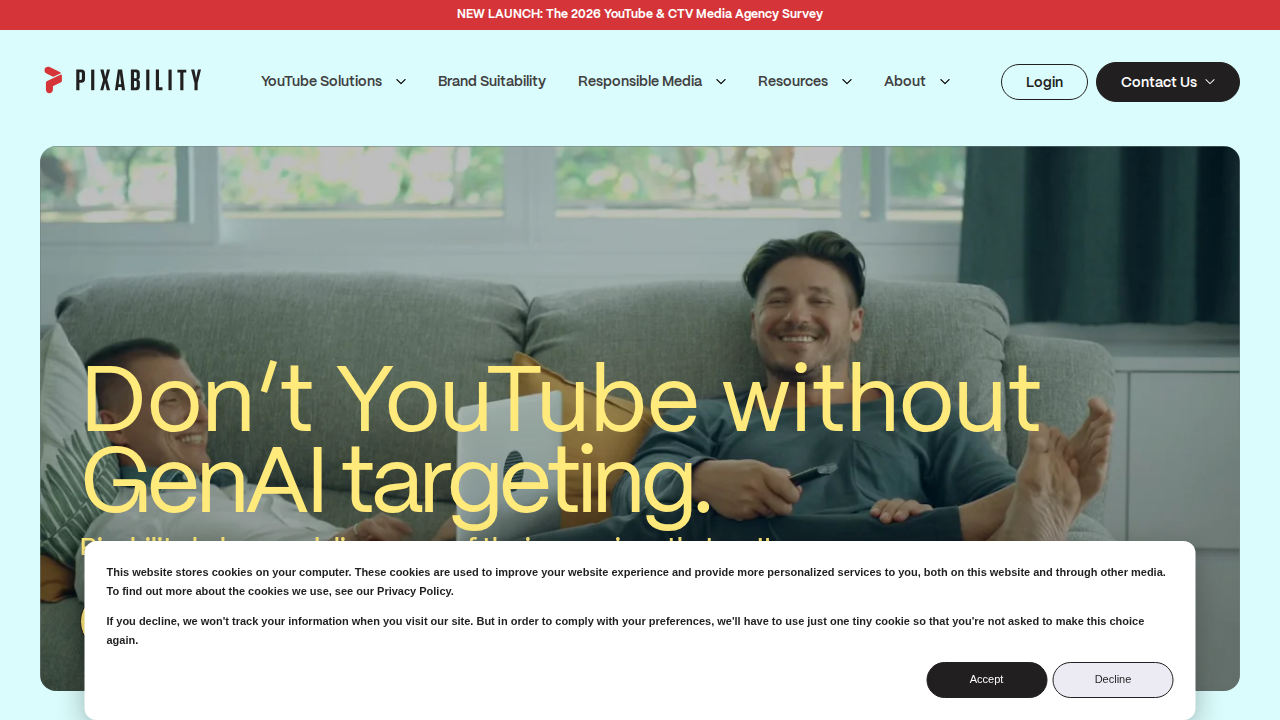
On 02/25/26 pixability.com scored 64% — **Decent** – Overall, the foundation is there, but a few clarity and credibility gaps are keeping the site from showing up as strongly as it could in AI-driven results.
Executive summary
Score Breakdown (High Level)
- Discoverability: 100% - The site's discovery signals are mostly solid, though we didn't see any image or video sitemaps which would help with indexing rich media.
- Structured Data: 92% - The site’s schema implementation is technically solid and covers all the important bases, though we weren't able to find external social links for the author in the blog post's structured data.
- AI Readiness: 67% - The site's technical foundation is solid with healthy sitemaps and open crawler access, though it is currently missing a formal Wikidata presence.
- Performance: 39% - Mobile performance is currently held back by significant loading delays on both the homepage and blog, despite having solid visual stability and decent responsiveness on the resource page.
- Reputation: 69% - The brand has a strong foundation with solid social signals and independent press, but the lack of a Wikidata entry and some address inconsistencies are the main areas for improvement.
- LLM-Ready Content: 44% - The content is highly current and well-authored, but its structure and lack of external non-social links limit its depth for generative engines.

The big picture on what’s missing
What stands out most is that the site communicates the brand well in some places, but a few key signals are either missing or inconsistent in ways that can limit AI confidence. None of this reads like a major misstep—it’s more about making sure the content and brand details are easy to interpret and verify. The next section breaks down the specific areas where the report flagged gaps, organized by category. Overall, this is a manageable set of issues, and the patterns are pretty clear once you see them laid out.
Detailed Report
Discoverability
❌ Image or video sitemap not detected
What we saw
We didn’t find an image sitemap or a video sitemap available for the site. For a brand that leans heavily on visual media, that leaves some content harder to surface cleanly.
Why this matters for AI SEO
Generative engines and modern search systems rely on clear media discovery signals to understand what visual assets exist and how they relate to the brand. When that’s missing, rich media can be easier to overlook or misinterpret.
Next step
Add a dedicated image and/or video sitemap so your visual assets are easier for engines to discover and categorize.
Structured Data
❌ Author profile links not included
What we saw
On the evaluated blog post, the author’s structured author information did not include external profile links. That makes the author identity harder to confirm beyond the site itself.
Why this matters for AI SEO
When AI systems can’t easily connect an author to consistent, external identity references, it can reduce confidence in attribution. Clear author identity helps engines treat content as more trustworthy and reusable.
Next step
Add a few relevant external profile links to the author’s structured author information so the identity can be corroborated.
AI Readiness
❌ Brand entity not found in a public knowledge graph
What we saw
We couldn’t find a public knowledge-graph entity ID associated with the brand in the provided results. That leaves the brand without a strong “single source of truth” anchor.
Why this matters for AI SEO
Generative engines often use knowledge graphs to disambiguate brands and tie together names, descriptions, and citations. Without a clear entity anchor, it’s easier for systems to treat the brand as less established or mix details across similar entities.
Next step
Create and connect a confirmed knowledge-graph entity for the brand so AI systems have a clearer identity reference.
Performance
❌ Homepage responsiveness issues
What we saw
The homepage showed signs of laggy responsiveness during loading, which can make it feel sluggish to interact with. This is especially noticeable on mobile.
Why this matters for AI SEO
When pages feel slow or unresponsive, crawlers and users alike can have a harder time reaching and engaging with the content. That friction can reduce how reliably your pages are accessed, evaluated, and reused.
Next step
Improve homepage interactivity during load so the page responds quickly to user input.
❌ Homepage main content loads very slowly
What we saw
The homepage’s primary content took a long time to fully appear. This delays the moment when the page feels complete.
Why this matters for AI SEO
Slow-loading primary content can make it harder for systems to quickly extract meaning and context from the page. It can also degrade the overall experience signals that influence visibility.
Next step
Reduce the time it takes for the homepage’s main content to render so the key message is available sooner.
❌ Homepage overall performance below expectations
What we saw
The homepage’s overall performance result fell into a weaker range, consistent with the slow load and responsiveness issues noted above. In practice, this means the page may feel heavier than it needs to.
Why this matters for AI SEO
When the experience signal is weak, it can limit how efficiently content is accessed and assessed, especially on mobile. That can indirectly reduce how often key pages are surfaced or trusted.
Next step
Bring the homepage experience into a healthier baseline so it loads and runs smoothly for typical visitors.
❌ Blog/resource page main visual content loads slowly
What we saw
On the evaluated resource page, the largest visible content still took a long time to load. So even if the page feels usable, the “big” content arrives late.
Why this matters for AI SEO
If prominent content loads late, systems may capture an incomplete snapshot of the page early on. That can reduce clarity and impact when the content is being summarized or referenced.
Next step
Speed up how quickly the resource page’s primary visual/content block appears so the page message lands faster.
Reputation
❌ Negative employee sentiment surfaced
What we saw
In the offsite signals reviewed, there were negative employee assertions flagged related to management and retention. This doesn’t reflect customer feedback, but it can still influence brand trust signals.
Why this matters for AI SEO
Generative systems often synthesize reputation signals from across the web when deciding how to describe a company. Negative sentiment—especially around internal operations—can introduce hesitation or reduce confidence in summaries.
Next step
Audit the most visible employee feedback sources and ensure your public-facing employer story is consistent and well-supported.
❌ Conflicting business location details
What we saw
There were conflicting reports about the primary office location across sources (different cities were cited). That creates uncertainty around basic business identity details.
Why this matters for AI SEO
When core identity facts don’t line up, AI systems can struggle to confidently “lock in” the right profile for the brand. That can lead to weaker, more vague brand descriptions.
Next step
Confirm the single authoritative business location you want reflected publicly and align it across your most referenced profiles.
❌ No verified knowledge-graph entity found
What we saw
No matching knowledge-graph entry was found for the brand in the evaluated results. This removes a strong, centralized identity reference point.
Why this matters for AI SEO
Knowledge-graph entries are a common backbone for entity trust and disambiguation in generative search. Without one, the brand may rely more heavily on scattered mentions that don’t always agree.
Next step
Establish a verified knowledge-graph entity for the brand so engines have a clearer “source of truth.”
❌ Missing identity anchors tied to a knowledge-graph entity
What we saw
Because a verified entity wasn’t found, there weren’t supporting anchors available to connect the brand to a stable identity record. This leaves identity confirmation more dependent on third-party mentions.
Why this matters for AI SEO
When anchors are missing, it’s harder for generative engines to confidently unify brand facts (name, location, profiles, and descriptions). That can reduce certainty in AI answers.
Next step
Connect the brand to stable identity anchors that consistently reinforce the same entity across the web.
LLM-Ready Content (Blog Analysis)
Heads up: this section looks at one article as a snapshot, so it’s a little more interpretive than the rest of the report and may shift slightly from run to run. Have questions? Just shoot us an email at hello@v9digital.com
❌ No non-social outbound citations in the article
What we saw
All external links in the post were to social platforms, with no citations to non-social third-party sources. That makes the piece feel more self-contained than it needs to be.
Why this matters for AI SEO
When AI systems look for support behind claims, third-party references can help them validate and reuse the content with confidence. Without those citations, the content may be treated as less grounded.
Next step
Add at least one relevant third-party reference link that supports or contextualizes a key point in the post.
❌ Sections are too thin for clean extraction
What we saw
The post is broken into multiple sections, but the average section length is very short. As a result, key ideas often don’t get enough framing in the surrounding text.
Why this matters for AI SEO
Generative engines extract meaning best when each section contains a complete thought with enough context to stand on its own. Thin sections can lead to fragmented summaries or missed nuance.
Next step
Expand key sections so each one contains enough context to be understood independently.
❌ No data table included
What we saw
No table was found in the article content. That removes an easy-to-parse format for comparisons, frameworks, or quick reference.
Why this matters for AI SEO
Structured formats like tables are often easier for AI systems to interpret accurately and quote cleanly. Without them, the same information can be harder to extract without ambiguity.
Next step
Include a simple table where it naturally fits (for example, a comparison, checklist, or framework summary).
❌ Some subheadings are too generic
What we saw
A portion of the subheadings were broad labels like “Key Takeaways” or “The Bigger Picture” rather than clearly signaling what the section contains. That makes the outline less informative at a glance.
Why this matters for AI SEO
Clear subheadings help AI systems map the content’s structure and retrieve the right section when answering specific questions. Generic headings can weaken that map and reduce precision.
Next step
Rewrite generic subheadings so they reflect the specific idea or question each section answers.
❌ Key answers don’t show up early in sections
What we saw
Many sections begin with bullets or very short intro fragments instead of a clear opening explanation. That delays the “what this section is saying” moment.
Why this matters for AI SEO
Generative systems often prioritize early, clearly stated answers when summarizing or quoting. If the core point isn’t surfaced quickly, it’s easier for the takeaway to be missed or diluted.
Next step
Adjust section openings so the main takeaway is stated clearly near the top before supporting bullets.
❌ Acronyms are used without nearby explanations
What we saw
Several all-caps acronyms appear without a nearby plain-language explanation. For readers outside the niche, that can make sections harder to follow.
Why this matters for AI SEO
When terms aren’t defined in-context, AI summaries can become vague or inaccurate, especially for mixed audiences. Clear definitions improve understanding and reuse.
Next step
Add short, in-line definitions the first time each acronym appears so the meaning is unambiguous.
Does Anything Seem Off?
Thanks for taking our free GEO Grader for a spin. When we started this journey, the tool had a fairly long processing time to check everything we wanted both onsite and offsite, so we made a few adjustments on the backend to speed things up. As a result, there are times when the grader may not get everything 100% right. If something feels off, we recommend running the tool a second time to confirm the results. From there, you’re always welcome to reach out to us to schedule a GEO consultation, or to have your SEO provider validate the findings with a more detailed crawl and manual review.
