
Overview:
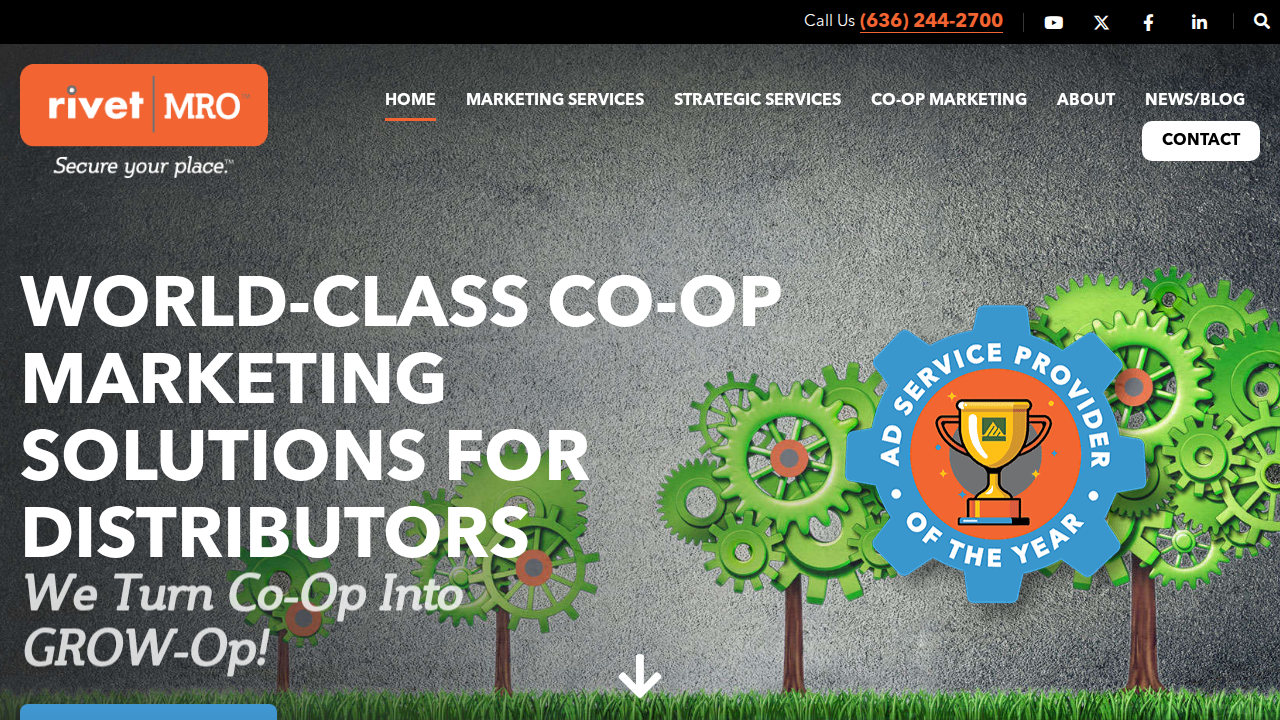
On 01/07/26 rivetmro.com scored 41% — **Below Average** – Overall, the basics are in place, but a few key gaps make the brand and content harder for AI systems to confidently interpret.
Executive summary
Score Breakdown (High Level)
- Discoverability: 92% - Everything major is in place for discoverability, but we didn’t see a dedicated image or video sitemap in the data.
- Structured Data: 58% - Homepage schema is solid and well-structured, but there’s no schema or author info on the blog/resource page, which held this section back.
- AI Readiness: 67% - We didn't find a clear About or brand context page or a Wikidata entity, but core technical elements like robots.txt and XML sitemap are present.
- Performance: 39% - The homepage was strong on responsiveness and layout stability, but slow to render its main content, which could impact user experience.
- Reputation: 35% - We didn’t find external reviews, independent press, or a Wikidata match for Rivet MRO, and key brand identity details weren’t fully consistent across sources.
- LLM-Ready Content: 0% - We couldn't evaluate this section because the necessary HTML data wasn't available.

What’s Limiting AI Visibility Across Content and Trust Signals
The assessment shows a pretty clear pattern: the homepage foundation is generally solid, but AI visibility is being held back by gaps in resource/blog signals and external trust cues. In the detailed section below, you’ll see exactly what was missing or unclear—especially around resource content attribution and structure, brand identity consistency, and third‑party credibility signals—plus one performance item affecting how quickly key homepage content appears.
Detailed Report
❌ No image or video sitemap was found
What we saw
We weren’t able to find an image sitemap or a video sitemap. That can make media content harder to consistently surface.
Why this matters for AI SEO
Generative systems often rely on clear signals to find and understand media assets at scale. When those signals are light, media is easier to miss.
Next step
Add an image and/or video sitemap so your media content is easier to discover and reference.
❌ Resource/blog page schema wasn’t found or couldn’t be confirmed
What we saw
The resource/blog page content appeared to be missing or unavailable during evaluation, so schema on that page didn’t show up.
Why this matters for AI SEO
When resource content doesn’t carry clear page-level signals, AI systems can have a harder time classifying what the page is and when to cite it.
Next step
Ensure your resource/blog pages include clear structured details that describe the page and its content.
❌ Resource/blog posts don’t show a clear, non-generic author
What we saw
We couldn’t confirm author information on the resource/blog page (the page content appeared missing or unavailable at review time).
Why this matters for AI SEO
Authorship helps AI-driven search weigh credibility and understand who is behind a piece of content.
Next step
Add clear author attribution on resource/blog posts so the content is easier to trust and reference.
❌ Author profile links (e.g., sameAs) weren’t found for resource/blog authors
What we saw
We didn’t see author profile links connected to the resource/blog author (this was also impacted by the resource/blog page content being missing or unavailable during evaluation).
Why this matters for AI SEO
Consistent author identity signals make it easier for AI systems to connect content to a real person and their broader footprint.
Next step
Connect authors to consistent public profiles so their identity is clearer across the web.
❌ A clear About/Team/company context path wasn’t detected from the homepage
What we saw
We didn’t see a clear, homepage-linked path that signals an About/Team/company context page based on the evaluation criteria.
Why this matters for AI SEO
AI systems look for straightforward brand context to understand who you are, what you do, and why they should trust the source.
Next step
Make it easy to reach a clear brand context page directly from the homepage.
❌ No Wikidata entity was identified for the brand
What we saw
A Wikidata entity for the brand wasn’t found (the identifier was missing/empty in the results).
Why this matters for AI SEO
Wikidata is a common reference point used to reconcile brand identities, which can affect how consistently AI systems describe and cite you.
Next step
Establish a Wikidata entity for the brand so AI systems have a stable identity reference.
❌ The homepage takes longer than expected to show its main content
What we saw
The homepage’s main content appeared slower to load into view than is ideal, even though other stability/responsiveness signals looked fine.
Why this matters for AI SEO
Slow-loading primary content can reduce engagement and make it harder for systems to quickly access the most important on-page information.
Next step
Improve how quickly the homepage’s primary content becomes visible to visitors.
❌ Brand identity details aren’t fully consistent across sources
What we saw
Brand identity details (like official name and address) appeared missing or conflicting in the consolidated results.
Why this matters for AI SEO
When identity signals don’t line up cleanly, AI systems are more likely to produce inconsistent descriptions and weaker trust cues.
Next step
Standardize your official brand identity details so they’re consistent wherever the brand is referenced.
❌ No matching Wikidata entity was confirmed for reputation context
What we saw
A matching Wikidata entity wasn’t found/confirmed in the reputation evaluation.
Why this matters for AI SEO
Without a strong identity anchor, it’s harder for AI systems to connect third-party signals back to the right brand.
Next step
Create and align a Wikidata entry that clearly matches the brand’s identity.
❌ Official identity anchors weren’t available via Wikidata
What we saw
Because a Wikidata entity wasn’t found, there weren’t supporting identity anchors available there (like an official website reference or external identifiers).
Why this matters for AI SEO
These anchors help AI systems confirm “this is the same entity” across different sources, improving consistency.
Next step
Ensure your brand has an entity record that includes official identity anchors.
❌ Third-party reviews or customer feedback weren’t found
What we saw
We didn’t find evidence of third-party reviews or customer feedback in the evaluation results.
Why this matters for AI SEO
Independent feedback is a common trust signal that can influence whether AI systems feel confident recommending or citing a business.
Next step
Build a visible footprint of third-party customer feedback tied clearly to the brand.
❌ Review sources weren’t concrete
What we saw
No specific, concrete review sources were surfaced alongside review mentions.
Why this matters for AI SEO
AI systems tend to trust review signals more when they’re attributable to recognizable third-party sources.
Next step
Make sure reviews are clearly associated with specific, third-party platforms or sources.
❌ Independent (offsite) press or coverage wasn’t found
What we saw
We didn’t see evidence of independent press mentions or third-party coverage in the results.
Why this matters for AI SEO
Independent coverage helps validate authority and can give AI systems more reliable material to cite.
Next step
Strengthen the brand’s independent coverage footprint so there are credible third-party references available.
❌ Resource/blog content signals couldn’t be verified (missing resource page data)
What we saw
The resource page HTML appeared missing or unavailable, so we couldn’t confirm key content signals like publish/update dates, outbound links, question-style or descriptive subheadings, consistent section structure, early-answer formatting, audience/intent cues, or tables.
Why this matters for AI SEO
These are the kinds of “easy to summarize” cues that help generative engines extract, understand, and reuse content accurately.
Next step
Make sure your resource/blog pages are accessible and consistently include the core content cues that support clear AI understanding.
