
Overview:
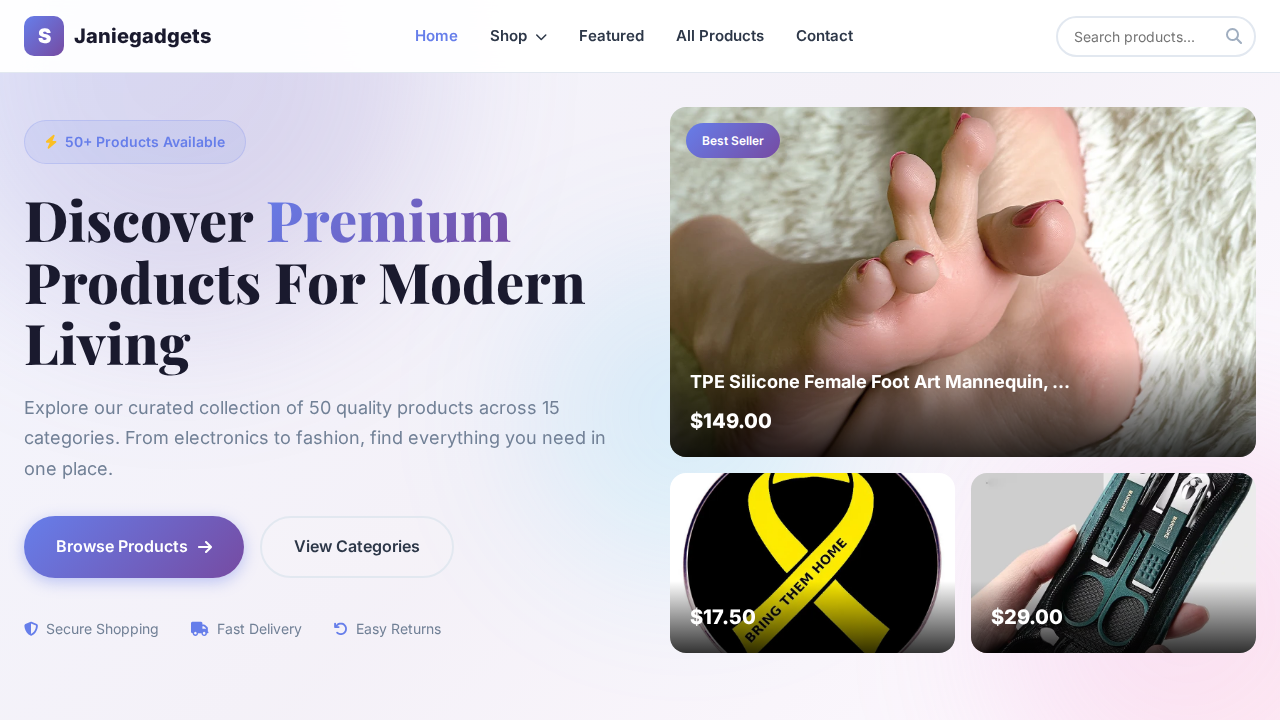
On 04/16/26 janiegadgets.store/index.php scored 29% — **Quite Weak** – Overall, the site is accessible, but it doesn’t give AI systems enough clear signals to confidently understand or trust what it represents.
Executive summary
Score Breakdown (High Level)
- Discoverability: 100% - The homepage is technically accessible and properly tagged, but the total absence of sitemaps means search engines are left to find your pages on their own.
- Structured Data: 0% - We weren't able to find any schema markup or author information on the pages we reviewed, which leaves a significant gap in how search engines understand the site.
- AI Readiness: 17% - The site is technically accessible to AI crawlers, but it's missing critical discovery tools like an XML sitemap and a dedicated About page to establish brand context.
- Performance: 72% - Mobile performance generally landed outside the "poor" range, though the initial content load time was slightly over the 5-second threshold.
- Reputation: 12% - We found significant reputation gaps, including negative client assertions, a lack of brand recognition by LLMs, and no verifiable physical address or third-party reviews.
- LLM-Ready Content: 4% - The page lacks standard markers of authority and structure, such as clear authorship, update dates, and descriptive text-heavy sections.

Where things stand overall
The main takeaway is that the site is present and accessible, but a lot of the signals AI systems use to understand credibility, identity, and content context are either missing or unclear. In practice, this reads more like a visibility and clarity gap than a single “big problem.” The breakdown below walks through the specific areas where the report couldn’t find key signals across structured data, reputation, AI readiness, performance, and content presentation. None of this is unusual for newer or leaner sites—it’s just what’s currently holding back stronger AI visibility.
Detailed Report
Discoverability
❌ XML sitemap not found
What we saw
We didn’t find a standard XML sitemap available for the site. That means there isn’t a clear, centralized list of the pages you want discovery systems to pick up.
Why this matters for AI SEO
When AI-driven discovery relies on incomplete page discovery, it can miss important URLs or take longer to build a reliable understanding of what the site includes. That reduces how consistently your pages can show up as candidates for answers or recommendations.
Next step
Create and publish a standard XML sitemap that includes your key indexable URLs.
❌ Image/video sitemap not found
What we saw
We didn’t find dedicated image or video sitemaps. If the site relies on visual product content, this can leave media assets less clearly surfaced.
Why this matters for AI SEO
Generative engines increasingly pull from rich media context, but they need strong discovery signals to reliably connect media to pages and topics. Missing media-focused discovery signals can limit how often that content gets understood and reused.
Next step
Publish an image and/or video sitemap (as relevant) so your media inventory is easier to discover and associate to pages.
Structured Data
❌ Structured data not detected on the homepage
What we saw
We didn’t see any structured data markup on the homepage. As a result, key information about the site isn’t being presented in a consistent, machine-friendly format.
Why this matters for AI SEO
Structured data helps AI systems and search engines confidently map what a page is about and how it relates to an entity (like a brand or organization). Without it, systems have to infer more from surface text and layout, which can be less reliable.
Next step
Add structured data to the homepage that clearly describes the site and its primary entity.
❌ Organization-type structured data not found
What we saw
No organization-focused structured data was detected on the homepage. That leaves the “who is behind this site” story less explicit for automated systems.
Why this matters for AI SEO
Generative engines tend to be more cautious when brand ownership and identity aren’t clearly established. If the entity behind the site isn’t clear, it can reduce trust and reduce how confidently the brand is referenced.
Next step
Include organization-focused structured data that clearly identifies the brand behind the site.
❌ Structured data not detected on the resource/blog page
What we saw
We didn’t detect structured data on the resource/blog page either. That means the page doesn’t clearly communicate content attributes in a standardized way.
Why this matters for AI SEO
When content pages don’t carry clear structured signals, AI systems may struggle to extract who wrote it, what it’s about, and how it should be interpreted. That can reduce reuse in AI summaries and answers.
Next step
Add content-focused structured data to the resource/blog page to clarify what the page is and who it’s for.
❌ No structured data available to validate
What we saw
Because no structured data was detected, there wasn’t anything to evaluate for correctness or completeness. It’s essentially a “missing layer,” not a case of minor formatting issues.
Why this matters for AI SEO
AI systems benefit when important site facts are expressed clearly and consistently. If that layer is absent, it increases ambiguity and makes accurate interpretation less dependable.
Next step
Implement a baseline set of structured data across core pages so key details can be interpreted more consistently.
❌ Resource/blog page lacks a clear, non-generic author
What we saw
We didn’t find a clear author name on the resource/blog page, either visually or via structured data. The only identifier noted was a support email address.
Why this matters for AI SEO
Authorship is a credibility cue that helps AI systems decide whether to trust or cite content. When it’s missing, the content can read as anonymous and less attributable.
Next step
Add a clear author name to the resource/blog page so content can be tied to a real identity.
❌ Author identity links (sameAs) not found
What we saw
We didn’t find author-related structured data, and we also didn’t see external identity links associated with an author. That leaves no clean way to connect an author to known profiles.
Why this matters for AI SEO
When AI systems can’t connect content to an identifiable author footprint, it can be harder to treat the content as reputable or attributable. That often limits how confidently content is referenced or summarized.
Next step
Create an author identity footprint that includes external profile links and connect it to your content.
AI Readiness
❌ XML sitemap missing
What we saw
No standard XML sitemap was detected at expected locations. This overlaps with discoverability, but it also impacts AI readiness because it’s a core signal for coverage.
Why this matters for AI SEO
AI systems benefit from clear signals about what content exists and how it’s organized. When discovery is incomplete, the AI’s view of the site can be partial or inconsistent.
Next step
Publish an XML sitemap that reflects the pages you want surfaced and understood.
❌ Update metadata (last modified) can’t be verified
What we saw
Because the sitemap wasn’t found, we couldn’t verify whether it includes page update information. That means freshness signals aren’t being clearly communicated through that channel.
Why this matters for AI SEO
When update and recency cues aren’t clear, AI systems can have a harder time prioritizing the most current pages. That can reduce confidence when summarizing or recommending pages.
Next step
Ensure the sitemap includes last-modified information so update signals are explicit.
❌ About/brand context page not found
What we saw
We didn’t find links from the homepage to an About, Company, or Team page. That makes it harder to quickly understand who runs the site and what it represents.
Why this matters for AI SEO
Generative engines look for clear, consistent brand context when deciding what to trust and how to describe a business. If that context is hard to locate, the brand can come across as less verifiable.
Next step
Create a clear brand context page and make it easy to find from the homepage.
❌ No Wikidata entity found for the brand
What we saw
We couldn’t find a Wikidata entity associated with the brand in the provided results. That removes a common third-party reference point for identity verification.
Why this matters for AI SEO
AI systems often use third-party entity sources to confirm a brand is real and consistently represented across the web. Without that anchor, identity confidence can be weaker.
Next step
Establish a verifiable third-party entity reference for the brand and keep it consistent with your site identity.
Performance
❌ Homepage main content appears slowly
What we saw
The main content on the homepage took a bit too long to appear, landing just over five seconds in the results. The page may feel fine after it loads, but the initial “first impression” is delayed.
Why this matters for AI SEO
Slow initial content appearance can reduce how efficiently systems process and extract meaning from a page. It can also affect user engagement, which indirectly impacts how confidently pages are surfaced.
Next step
Reduce the time it takes for the primary homepage content to render.
❌ Resource page main content appears slowly
What we saw
The resource page showed the same pattern, with the main content taking just over five seconds to appear. That suggests the delay isn’t isolated to a single page type.
Why this matters for AI SEO
If key pages load their main content slowly, it can make content extraction and summarization less consistent. Over time, that can limit how often these pages are selected as strong answer sources.
Next step
Reduce the time it takes for the resource page’s primary content to render.
Reputation
❌ Negative client assertions were surfaced
What we saw
The results flagged negative client assertions from third-party sources. The supporting notes referenced concerns like suspicious pricing and a very short domain history.
Why this matters for AI SEO
Generative engines lean heavily on trust and safety cues when deciding whether to recommend or describe a brand. Negative assertions can quickly suppress visibility, even if other parts of the site are solid.
Next step
Audit your off-site brand footprint and address any sources that are contributing to negative trust signals.
❌ Brand not recognized broadly
What we saw
The brand didn’t register as recognized across multiple AI systems in the provided results. That suggests the broader web footprint isn’t strongly established.
Why this matters for AI SEO
When a brand isn’t consistently recognized, AI systems are less likely to reference it confidently or treat it as a known entity. That often results in fewer mentions and weaker inclusion in generative answers.
Next step
Strengthen the brand’s consistent presence across trusted, third-party sources.
❌ Brand identity details appear incomplete
What we saw
Required identity fields were missing in the results—most notably a verified physical address. This creates gaps in basic business legitimacy signals.
Why this matters for AI SEO
Identity completeness helps AI systems decide whether a brand is real, accountable, and safe to recommend. Missing identity anchors can reduce trust and increase uncertainty in how the brand is described.
Next step
Publish consistent brand identity information across your site and key third-party profiles.
❌ No Wikidata entity found
What we saw
No matching Wikidata entity was found for the brand in the provided results. This mirrors the AI readiness finding and reinforces the lack of an external entity anchor.
Why this matters for AI SEO
A recognized entity reference can help AI systems disambiguate and validate brand identity. Without it, systems may be more cautious or inconsistent about mentioning the brand.
Next step
Establish a consistent third-party entity reference that aligns with your brand identity.
❌ Identity anchors tied to an entity reference are missing
What we saw
Because there was no entity reference found, related identity anchors weren’t present in the results. That removes a key way to connect official properties and profiles back to the brand.
Why this matters for AI SEO
When identity anchors aren’t clearly connected, AI systems may struggle to confirm which sources are “official.” That can weaken trust and increase mix-ups.
Next step
Create a consistent set of official brand anchors and align them across trusted references.
❌ No third-party reviews were found
What we saw
The results did not find evidence of third-party reviews for the brand. That leaves a big gap in independent validation.
Why this matters for AI SEO
Reviews help generative engines gauge legitimacy and customer experience. Without them, the brand can look unproven, which can reduce inclusion in AI recommendations.
Next step
Build a verifiable presence on reputable review platforms where customer feedback can be independently validated.
❌ Review sources aren’t clearly established
What we saw
No concrete review sources were identified in the provided results. So even if reviews exist somewhere, they aren’t being surfaced in a clear, attributable way.
Why this matters for AI SEO
AI systems look for review evidence that’s easy to trace back to credible sources. If sources are unclear, review signals may be discounted.
Next step
Make sure any review presence is tied to clear, reputable sources that are easy to confirm.
❌ Social profiles aren’t consistently identified
What we saw
The results didn’t find a clear consensus around official social profiles. That suggests the brand’s social presence may be missing, inconsistent, or hard to verify.
Why this matters for AI SEO
Verified social profiles are common trust signals that help AI systems confirm a brand is legitimate and active. If social identity is unclear, it can weaken overall credibility.
Next step
Establish and standardize official social profiles so they’re consistently identifiable.
❌ Homepage social links weren’t functional
What we saw
No functional links to major social platforms were found on the homepage, and the provided details indicate placeholder link behavior. That makes it harder for users and systems to confirm official profiles.
Why this matters for AI SEO
If the site can’t reliably point to official brand profiles, AI systems have fewer trustworthy anchors to validate identity. That can reduce confidence in describing or recommending the brand.
Next step
Add working links to the brand’s official social profiles in a consistent, visible place.
❌ Independent press coverage wasn’t found
What we saw
The results didn’t surface independent press mentions for the brand. That suggests limited third-party visibility beyond owned properties.
Why this matters for AI SEO
Independent coverage is a strong credibility signal because it shows others consider the brand notable enough to reference. Without it, AI systems may treat the brand as less established.
Next step
Build a track record of third-party mentions that are clearly attributable to reputable publications.
❌ Owned press/release mentions weren’t found
What we saw
We didn’t see evidence of owned press releases or similar brand announcements in the provided results. That reduces the amount of official narrative available for systems to pull from.
Why this matters for AI SEO
Owned announcements can help AI systems understand brand milestones, changes, and official positioning—especially when third-party coverage is limited. Without them, the brand story can be thin.
Next step
Create a clearly labeled area where official brand announcements can live and be referenced.
LLM-Ready Content (Blog Analysis)
Heads up: this section looks at one article as a snapshot, so it’s a little more interpretive than the rest of the report and may shift slightly from run to run. Have questions? Just shoot us an email at hello@v9digital.com
❌ No clear author attribution
What we saw
No visible or structured author name was found on the analyzed page. The only identifier present was a support email address.
Why this matters for AI SEO
Authorship helps AI systems assign accountability and credibility to content. Without it, the page is harder to trust and less likely to be reused as a source.
Next step
Add a clear author name to the page so the content is attributable.
❌ No publish or update date
What we saw
We didn’t find a publication date or an update date associated with the page content. That makes it difficult to tell how current the information is.
Why this matters for AI SEO
AI systems often prioritize content that has clear recency cues, especially for shopping and product-adjacent topics. Without date context, freshness is ambiguous.
Next step
Display a clear publish date and/or last updated date on the page.
❌ Freshness can’t be confirmed
What we saw
No explicit update or modification signal within the last 12 months was detected. The content may be fine, but the page doesn’t communicate recency.
Why this matters for AI SEO
When freshness isn’t clear, AI systems may be less confident summarizing or recommending the page for time-sensitive queries. That can reduce how often it’s selected.
Next step
Add a clear “last updated” signal when the content is refreshed.
❌ No non-social outbound references
What we saw
We didn’t find outbound links to non-social third-party sources in the page content. That leaves the page without external references.
Why this matters for AI SEO
Citations and references can help AI systems validate claims and understand context. When a page is fully self-contained with no external grounding, it can read as less verifiable.
Next step
Include at least one relevant, non-social third-party reference link where it naturally supports the content.
❌ Content isn’t chunked into scannable sections
What we saw
The “All Products” section was treated as a single long block (around 800 words), which is difficult to scan. Much of the page relies on product grids rather than explanatory text.
Why this matters for AI SEO
AI systems and users both benefit from clearly segmented content that communicates meaning quickly. When sections are overly long or grid-heavy, it’s harder to extract and reuse the key points.
Next step
Break long sections into smaller, clearly labeled blocks with short supporting paragraphs.
❌ No table for quick facts or comparisons
What we saw
No HTML table was used to organize product details or specifications. That removes a structured way to summarize key attributes.
Why this matters for AI SEO
Tables make it easier for AI systems to extract consistent facts, compare items, and present clean summaries. Without a structured format, key details can be harder to interpret reliably.
Next step
Add a simple table where it makes sense to summarize product specs or comparisons.
❌ Subheadings are too generic
What we saw
Many headings were short and non-specific (for example, “Featured Products” and “All Products”). They don’t provide much topical guidance beyond the obvious.
Why this matters for AI SEO
Descriptive headings help AI systems understand what each section is trying to communicate. If headings are generic, the page becomes harder to interpret and summarize at a section level.
Next step
Rewrite key headings to be more descriptive about what a reader will learn or find in each section.
❌ Key context doesn’t show up early
What we saw
Most sections begin with product grids instead of a short intro paragraph that sets context. That makes the page feel like a catalogue first, with limited explanatory framing.
Why this matters for AI SEO
AI systems look for early signals that clarify what a page is about and what questions it answers. If that framing is missing, content can be harder to classify and reuse.
Next step
Add a short introductory paragraph near the top of key sections that explains what the section covers.
❌ Unexplained acronyms reduce clarity
What we saw
The page uses several acronyms (like TPE, DPI, PU, and MOC) without nearby explanations. That creates small comprehension gaps for readers and systems.
Why this matters for AI SEO
When terminology isn’t defined, AI systems can misinterpret meaning or skip details that are actually important. Clear definitions improve extraction quality and reduce ambiguity.
Next step
Add brief definitions the first time each acronym appears so the terminology is self-contained.
Does Anything Seem Off?
Thanks for taking our free GEO Grader for a spin. When we started this journey, the tool had a fairly long processing time to check everything we wanted both onsite and offsite, so we made a few adjustments on the backend to speed things up. As a result, there are times when the grader may not get everything 100% right. If something feels off, we recommend running the tool a second time to confirm the results. From there, you’re always welcome to reach out to us to schedule a GEO consultation, or to have your SEO provider validate the findings with a more detailed crawl and manual review.
