
Overview:
On 05/21/26 theprescottgirls.com scored 52% — **Fair** – Overall, the site has a solid foundation, but a few missing signals make it harder for AI systems to confidently understand and validate what you offer.
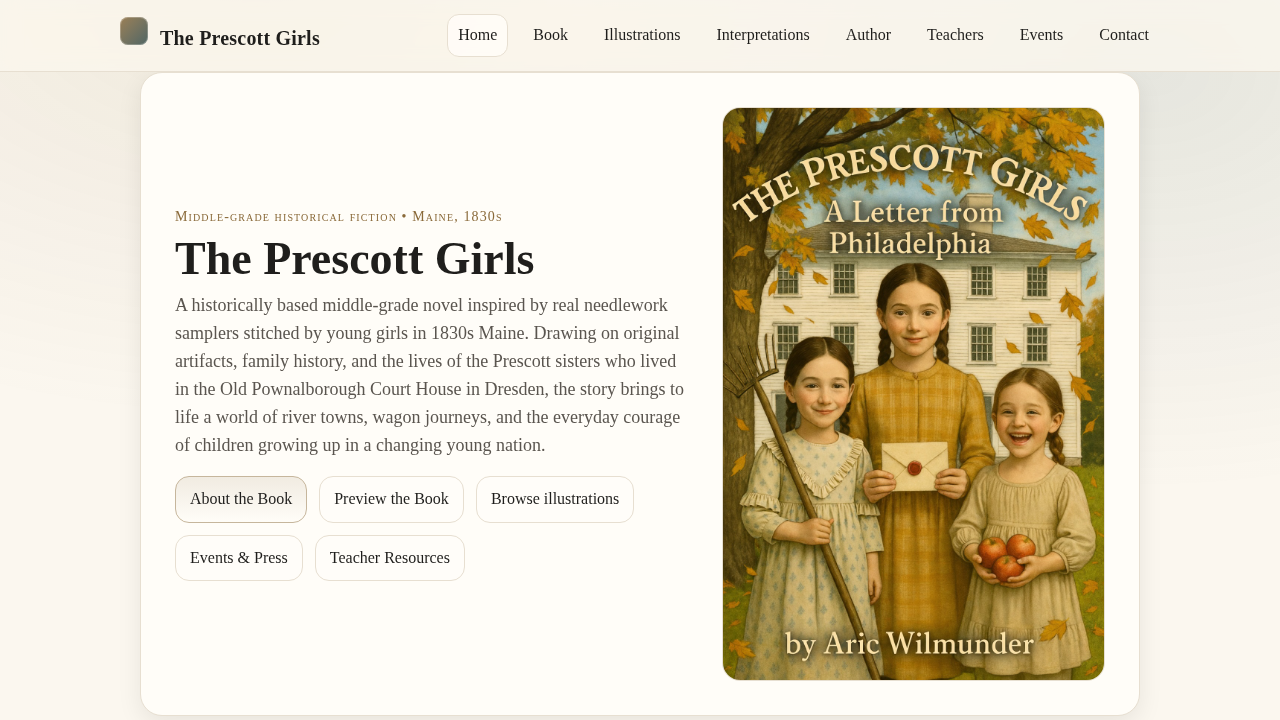
Executive summary
Score Breakdown (High Level)
- Discoverability: 100% - The site has a solid technical foundation for discovery with proper sitemaps and metadata, though it's currently missing a dedicated image sitemap.
- Structured Data: 58% - The homepage uses well-structured schema for the book and publisher, though we weren't able to confirm author-specific markup or blog data.
- AI Readiness: 50% - The site is accessible to AI bots and provides clear brand context through internal links, though it's missing sitemap timestamps and a Wikidata entry.
- Performance: 67% - Mobile performance for the homepage is solid, with all core metrics landing in the "not poor" range despite a slightly slower load time for the main content.
- Reputation: 38% - The site has a clean reputation with no negative signals and some AI recognition, but it lacks the external reviews, social links, and third-party press needed to establish strong authority.
- LLM-Ready Content: 32% - The page features clear authorship and high readability, but the lack of H2 subheadings and explicit dates limits how effectively generative engines can parse and categorize the content.

Where things stand overall
The big picture is that your site is generally understandable, but a few core signals that help AI systems confirm identity and confidently reuse content aren’t coming through clearly. Most of the gaps read less like “something is wrong” and more like missing clarity around freshness, structure, and third-party validation. The breakdown below walks through the specific areas where the evaluation couldn’t find what it needed, section by section. Once these pieces are clearer, it’s typically much easier for AI-driven discovery to reflect the brand accurately.
Detailed Report
Discoverability
❌ Image or video sitemap not found
What we saw
We weren’t able to find a dedicated image or video sitemap. That means media assets may not be as clearly surfaced for discovery as the rest of the site.
Why this matters for AI SEO
AI systems often rely on clear discovery pathways to find and interpret rich media, especially when visuals are an important part of the brand. When those signals aren’t present, media content can be easier to miss or harder to connect to the right context.
Next step
Create and publish an image and/or video sitemap (as applicable) and ensure it’s accessible alongside the primary sitemap.
Structured Data
❌ Resource/blog page structured data couldn’t be verified
What we saw
We weren’t able to review structured data on a resource or blog page because the referenced resource page was missing or empty. As a result, we couldn’t confirm how that content is being described for machines.
Why this matters for AI SEO
When content pages don’t provide consistent machine-readable context, AI systems have a harder time understanding what the page is, who it’s for, and how it relates to the broader brand. That can reduce how confidently the content is reused or cited.
Next step
Make sure a live, accessible resource/blog page exists and includes clear structured data that describes the page and its content.
❌ Resource/blog author couldn’t be confirmed
What we saw
Because the resource/blog page was missing or empty, we couldn’t verify whether posts show a clear, non-generic author. That leaves authorship on content pages unconfirmed in this review.
Why this matters for AI SEO
AI engines tend to trust content more when it’s clearly tied to a real person (or a clearly identified editorial entity). If authorship isn’t consistently visible and machine-readable, it can weaken credibility signals around the content.
Next step
Ensure resource/blog content includes a clearly identified author that can be consistently understood across pages.
❌ Author profile links (sameAs) weren’t found
What we saw
We couldn’t confirm any author “sameAs” profile links because the resource/blog page used for this check was missing or empty. That means the author’s broader identity footprint wasn’t verifiable here.
Why this matters for AI SEO
When author identities are easier to corroborate across the web, AI systems can be more confident they’re associating the right person with the right work. Missing cross-profile identity signals can make that connection weaker.
Next step
Add consistent author identity references so an author can be matched to credible profiles elsewhere online.
AI Readiness
❌ Sitemap update information wasn’t present
What we saw
The XML sitemap was missing last update timestamps. That makes it harder to tell when pages were last changed.
Why this matters for AI SEO
AI-driven discovery benefits from clear freshness signals, especially when content changes over time. Without update cues, systems may be slower to recognize what’s new versus what’s unchanged.
Next step
Include last update timestamps in the XML sitemap so content changes are easier to interpret.
❌ No Wikidata entity found for the brand
What we saw
We didn’t find a Wikidata entity connected to the brand. That leaves a common “official identity” reference point missing.
Why this matters for AI SEO
Wikidata is often used as a cross-check for names, entities, and official facts. When it’s missing, AI systems may have fewer reliable anchors to confirm brand identity.
Next step
Create or claim an accurate Wikidata entry for the brand and connect it to the official website.
Reputation
❌ Brand identity details weren’t fully consistent
What we saw
A confirmed physical address wasn’t present in the identity data available for this review. That makes the brand’s real-world footprint harder to validate.
Why this matters for AI SEO
When key identity details aren’t consistently confirmed, AI systems can be less confident they’re referencing the right entity. That can limit trust, especially when multiple similarly named entities exist.
Next step
Publish and standardize a confirmed physical address anywhere it’s appropriate for your brand presence online.
❌ No Wikidata entity found
What we saw
No matching Wikidata entity was identified for the brand. This overlaps with the AI readiness gap and reinforces that the brand lacks a common external identity anchor.
Why this matters for AI SEO
AI models often use shared entity databases to reconcile identity, attributes, and official references. Without that anchor, it’s easier for brand details to be incomplete or inconsistent across AI answers.
Next step
Establish a Wikidata entry that accurately represents the brand and points to official references.
❌ Wikidata anchors weren’t available
What we saw
Because no Wikidata entry was found, there were no associated anchors like an official website reference or external identifiers. That leaves fewer corroboration points for the brand.
Why this matters for AI SEO
Anchors and identifiers help AI systems connect the dots between a brand and trusted references across the web. When those connections don’t exist, trust and clarity can suffer.
Next step
Link the brand’s Wikidata entity to the official website and relevant external identifiers where applicable.
❌ No third-party reviews were found
What we saw
We didn’t find external customer reviews tied to the brand in the available data. There also weren’t any concrete review sources identified.
Why this matters for AI SEO
Third-party feedback helps AI systems gauge real-world credibility beyond what a site says about itself. Without it, brand trust signals can look thinner, especially for evaluative queries.
Next step
Build a consistent presence on reputable third-party review platforms that make reviews easy to verify.
❌ Social profiles weren’t confirmed
What we saw
Social profile information wasn’t confirmed in the consensus data, and the homepage didn’t include links to major social platforms. That makes it harder to validate official channels.
Why this matters for AI SEO
Official social profiles often act as supporting identity signals that help AI engines confirm the brand is real and actively maintained. When those references aren’t clear, identity confidence can drop.
Next step
Ensure official social profiles exist and are consistently referenced from the site so they’re easy to verify.
❌ No independent press coverage was found
What we saw
We didn’t find independent, third-party press mentions associated with the brand in the available data. This creates a noticeable gap in external validation.
Why this matters for AI SEO
Independent coverage helps AI systems treat a brand as notable and well-corroborated, especially for factual summaries and “is this legit?” type questions. Without it, the brand may appear less established.
Next step
Strengthen the brand’s footprint with verifiable third-party mentions that clearly reference the brand name and website.
LLM-Ready Content (Blog Analysis)
Heads up: this section looks at one article as a snapshot, so it’s a little more interpretive than the rest of the report and may shift slightly from run to run. Have questions? Just shoot us an email at hello@v9digital.com
❌ No clear publish or update date
What we saw
We didn’t see a visible publication date or update date on the page, and we also didn’t detect one in page-level signals. That makes the content’s timeline unclear.
Why this matters for AI SEO
AI systems are more comfortable reusing and citing content when they can quickly understand how current it is. Missing dates can reduce confidence, especially for queries where freshness matters.
Next step
Add a clear publish date (and update date when applicable) so the page’s timing is easy to interpret.
❌ Freshness couldn’t be verified
What we saw
Because no explicit update/modified date was available, we couldn’t confirm whether the page has been refreshed recently. The result is that “recency” is basically unknown from the page itself.
Why this matters for AI SEO
When freshness is unclear, AI engines may hesitate to treat the content as up-to-date, even if it’s high quality. That can limit how often it’s surfaced for time-sensitive questions.
Next step
Make sure the page clearly communicates when it was last reviewed or updated.
❌ Content isn’t broken into clear sections
What we saw
The page didn’t include any H2 section headings, so the content isn’t clearly chunked into scannable sections. That makes it harder to quickly understand the structure at a glance.
Why this matters for AI SEO
Generative systems often pull and summarize information in chunks, and strong sectioning helps them grab the right part without losing context. Without clear sections, content can be harder to parse and reuse.
Next step
Restructure the content into multiple clear sections with descriptive headings.
❌ No table-based summary found
What we saw
We didn’t find an HTML table on the page. That means there isn’t an obvious structured summary element for quick scanning.
Why this matters for AI SEO
Tables can make key facts easier for AI systems to extract accurately, especially for comparisons, lists, or quick reference info. Without one, important details may be more buried in paragraphs.
Next step
Add a simple table when it naturally fits the content (for example, key facts, timelines, or quick-reference takeaways).
❌ Subheadings weren’t descriptive (couldn’t be evaluated)
What we saw
Because there were fewer than two H2 headings, we couldn’t evaluate whether subheadings were descriptive. In practice, this ties back to the page not using subheadings to guide readers.
Why this matters for AI SEO
Descriptive subheadings act like signposts for both people and AI, clarifying what each section covers. Without them, summarization and excerpting can become less precise.
Next step
Use specific, descriptive subheadings that clearly reflect what the next section will answer.
❌ Key answers didn’t show up early (couldn’t be evaluated)
What we saw
Because the page didn’t have enough H2-based sections, we couldn’t evaluate whether key answers appear early within the content structure. This typically means important takeaways may not be clearly surfaced near the top.
Why this matters for AI SEO
AI systems often look for the quickest, clearest answer blocks to reuse in summaries and responses. If the core takeaways aren’t easy to locate early, the content can be less likely to be selected.
Next step
Make sure the main takeaways are surfaced near the beginning and reinforced under clear section headings.
Does Anything Seem Off?
Thanks for taking our free GEO Grader for a spin. When we started this journey, the tool had a fairly long processing time to check everything we wanted both onsite and offsite, so we made a few adjustments on the backend to speed things up. As a result, there are times when the grader may not get everything 100% right. If something feels off, we recommend running the tool a second time to confirm the results. From there, you’re always welcome to reach out to us to schedule a GEO consultation, or to have your SEO provider validate the findings with a more detailed crawl and manual review.
