
Overview:
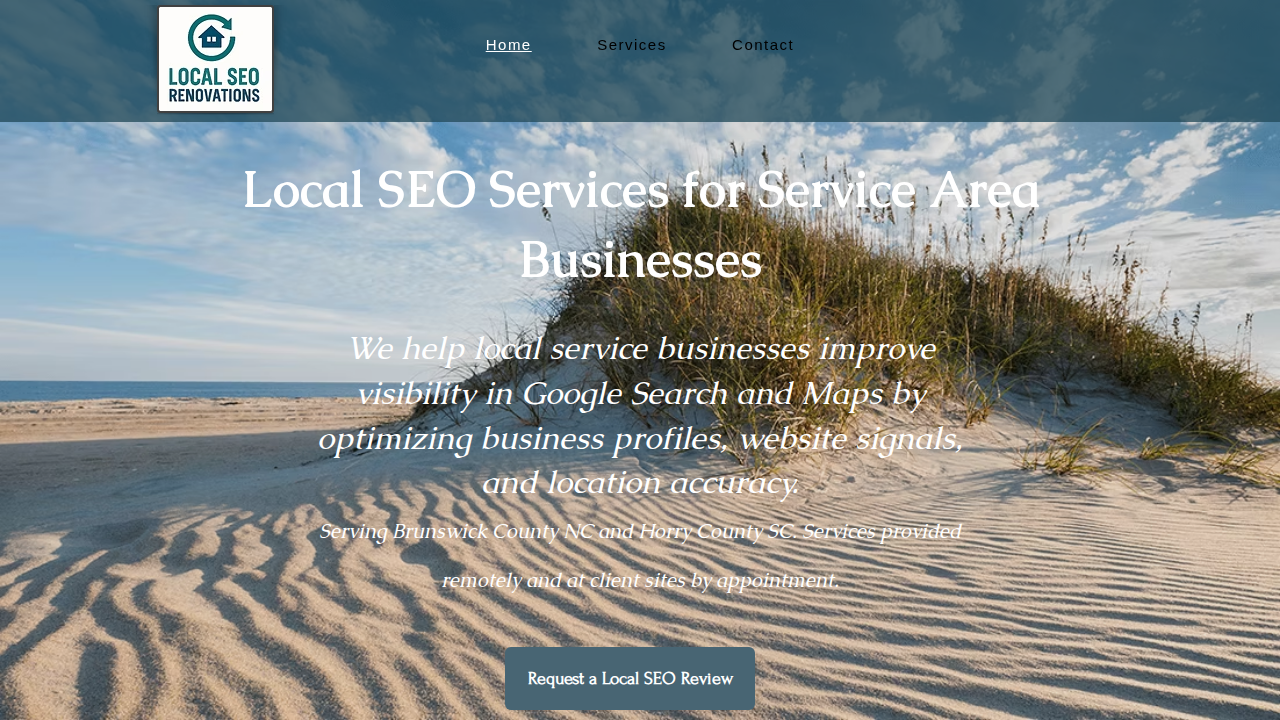
On 06/13/26 localseorenovations.com scored 45% — **Below Average** – Overall, the site is findable, but it’s not giving AI platforms enough clear context to confidently understand and reference it.
Executive summary
Score Breakdown (High Level)
- Discoverability: 100% - The site has a healthy technical foundation for discovery, though missing meta descriptions and media-specific sitemaps are clear gaps that should be addressed.
- Structured Data: 33% - The site has a basic, valid schema foundation, but it's missing the critical Organization and author-level details that help search engines build trust and context.
- AI Readiness: 50% - The technical foundation is solid with a healthy sitemap and open crawler access, but the site is missing key brand identity markers like an About page or a Wikidata entity.
- Performance: 50% - Mobile performance looks mostly solid with great stability and low interaction delays, though the main content takes a bit too long to load.
- Reputation: 58% - The brand is well-recognized by AI models and maintains a clean reputation, but it lacks critical offsite anchors like Wikidata and social media links on the homepage.
- LLM-Ready Content: 4% - No author, dates, or outbound links were identified on the homepage, making the content feel less authoritative to AI systems.

The big picture on AI visibility
What stands out most is that the site is accessible, but it isn’t consistently spelling out the “who,” “why trust us,” and “what this page is saying” signals that AI platforms tend to lean on. A lot of the gaps read less like errors and more like missing clarity, especially around brand identity and content context. The sections below walk through the specific areas where those signals didn’t show up, so you can see exactly what’s getting in the way. None of this is unusual—it’s the kind of cleanup that often makes a noticeable difference in how consistently a brand gets understood.
Detailed Report
Discoverability
❌ Missing page description
What we saw
We didn’t find a page description on the homepage. That leaves the page without a quick, plain-language summary that many platforms look for.
Why this matters for AI SEO
AI systems often rely on short, explicit summaries to quickly understand what a page is about. When that context isn’t clearly stated, the page can come across as less specific or harder to classify.
Next step
Add a clear, human-readable description that summarizes what the homepage is for and who it serves.
❌ Visual content discovery signals not found
What we saw
We didn’t see any dedicated discovery support for images or videos. As a result, visual content is less likely to be consistently surfaced and understood.
Why this matters for AI SEO
AI discovery doesn’t just happen through text—visual content can be a meaningful part of how a brand is represented and referenced. When that content is harder to pick up, it’s a missed opportunity for broader visibility.
Next step
Create a clearer way for platforms to find and interpret the site’s key image and video assets.
Structured Data
❌ Business entity context not defined
What we saw
We didn’t detect an organization-type business entity on the homepage. The structured context that was present was limited and didn’t clearly define who the business is.
Why this matters for AI SEO
Generative engines tend to trust and reuse information more when the business entity is explicitly defined. Without that, it’s harder for AI to confidently connect the site to a real-world brand.
Next step
Add structured business identity details so the brand is clearly defined as an entity.
❌ Blog/resource structured context couldn’t be evaluated
What we saw
We weren’t able to review a blog or resource page for structured context. Because that page data wasn’t available, we couldn’t confirm how articles are being described.
Why this matters for AI SEO
Content pages are often what AI pulls from when summarizing and citing a brand. If those pages aren’t clearly described in a consistent way, AI systems have less to anchor to.
Next step
Make sure a representative blog or resource page is available for evaluation and includes clear structured context.
❌ Author identity couldn’t be verified
What we saw
We couldn’t confirm whether posts have a clear, non-generic author or whether author identity connects to external profiles. This wasn’t verifiable because the resource page data wasn’t available.
Why this matters for AI SEO
When author identity is clear, AI systems have an easier time assessing trust and attributing expertise. When it’s missing or unverified, content can feel less authoritative.
Next step
Ensure blog posts clearly identify the author and connect that author to consistent external identity profiles.
AI Readiness
❌ Brand “who we are” context wasn’t found
What we saw
We didn’t find a clearly linked page from the homepage that explains who’s behind the brand (like an About/Company/Team-style page). That makes the brand feel less defined at a glance.
Why this matters for AI SEO
AI systems look for straightforward identity context to confirm legitimacy and reduce ambiguity. When that context is hard to find, the brand is harder to verify.
Next step
Add a clearly labeled brand context page and make it easy to find from the homepage.
❌ No Wikidata entity found for the brand
What we saw
We didn’t find a Wikidata entity associated with the brand in the provided data. That means there’s no widely recognized entity reference point showing up here.
Why this matters for AI SEO
Entity references help AI connect a brand’s name to consistent identity details across the web. Without that anchor, AI can be more cautious or inconsistent when describing the brand.
Next step
Establish an entity presence that AI systems can use as a stable identity reference.
Performance
❌ Main page content loads slowly
What we saw
The homepage’s main content was flagged as taking longer than expected to appear. This points to a slower first impression for visitors on mobile.
Why this matters for AI SEO
When key content loads slowly, it can limit how quickly users and systems can access the core message of the page. Over time, that can reduce the page’s ability to consistently perform as a reliable entry point.
Next step
Prioritize improving how quickly the homepage’s primary content becomes visible.
Reputation
❌ Brand identity details weren’t consistent
What we saw
A consistent physical address wasn’t identified across the research consensus. That creates uncertainty around a basic brand identifier.
Why this matters for AI SEO
AI systems lean on consistent identity details to confirm they’re talking about one specific real-world entity. When core details vary, AI confidence and clarity can drop.
Next step
Standardize brand identity details across the web so key references align.
❌ No Wikidata presence to anchor identity
What we saw
No matching Wikidata entity was found, and there were no official identity anchors available through that channel. This leaves one major third-party reference point missing.
Why this matters for AI SEO
When an external entity anchor exists, AI systems have an easier time verifying and reconciling brand details. Without it, the brand can be harder to confidently “pin down” in generative results.
Next step
Create a consistent entity footprint that can serve as an external identity anchor.
❌ Homepage doesn’t link to social profiles
What we saw
We didn’t find links from the homepage to major social platforms. Even if profiles exist elsewhere, they aren’t being directly connected on-site.
Why this matters for AI SEO
Direct connections to official profiles help AI verify that the website and social identities belong to the same brand. Without those links, verification is weaker.
Next step
Add clear homepage links to the brand’s official social profiles.
❌ No clear third-party coverage showing up
What we saw
We didn’t see consensus around independent press mentions, and we also didn’t see consensus around owned press mentions. That leaves a gap in easily verifiable public references.
Why this matters for AI SEO
Third-party coverage can act as an external trust signal that helps AI feel more confident summarizing and recommending a brand. When it’s absent or unclear, the brand may appear less established.
Next step
Build a clearer public footprint so credible coverage and brand mentions are easier to confirm.
LLM-Ready Content (Blog Analysis)
Heads up: this section looks at one article as a snapshot, so it’s a little more interpretive than the rest of the report and may shift slightly from run to run. Have questions? Just shoot us an email at hello@v9digital.com
❌ No named author shown
What we saw
We didn’t see a clear, non-generic author attached to the content. There wasn’t enough author information for a reader (or AI) to understand who wrote it.
Why this matters for AI SEO
AI systems are more likely to trust and reuse content when authorship is clear. When author identity is missing, the content can feel less attributable and less authoritative.
Next step
Add a clear author name and supporting author context to the article.
❌ No publish or update date shown
What we saw
We didn’t find a publication date or last-updated date on the page. Without a timestamp, freshness is unclear.
Why this matters for AI SEO
AI systems often prefer content that’s clearly current for time-sensitive topics. When dates aren’t visible, the content may be treated as less reliable or less up-to-date.
Next step
Display a publication date and, when relevant, a “last updated” date on the article.
❌ Freshness couldn’t be confirmed
What we saw
Because there wasn’t a visible timestamp, we couldn’t verify whether the article has been updated recently. That makes recency a question mark.
Why this matters for AI SEO
When recency can’t be verified, AI summaries may be more cautious about presenting the content as a current recommendation. This can reduce how often the page gets pulled into generative answers.
Next step
Add a visible update signal so the content’s recency is easy to confirm.
❌ No external supporting links
What we saw
We didn’t find outbound links to external educational or authoritative sources. The content reads more like a standalone opinion than a supported resource.
Why this matters for AI SEO
Citations help AI systems and readers understand what information is grounded in broadly trusted sources. Without them, the content can be harder to validate.
Next step
Include a small number of relevant external references that back up key points.
❌ Sections are too thin for reuse
What we saw
The content was broken into sections, but most sections were very short and light on explanation. That makes each part feel like a teaser rather than a complete answer.
Why this matters for AI SEO
AI systems tend to extract and reuse content more effectively when each section contains enough standalone context. Thin sections can limit what an AI can confidently pull and summarize.
Next step
Expand key sections so each one provides a complete, self-contained explanation.
❌ No table-style structure for quick scanning
What we saw
We didn’t see a table that organizes key comparisons, steps, or definitions. The content is mostly paragraph-based.
Why this matters for AI SEO
Structured formatting can make it easier for AI to lift clean, accurate summaries. When everything is narrative, it can be harder to extract crisp “at-a-glance” takeaways.
Next step
Add a simple table where it naturally helps summarize key information.
❌ Too many generic subheadings
What we saw
Several headings were broad labels (for example, “What We Do” / “How It Works”) rather than specific, descriptive topics. That makes it harder to tell what each section actually answers.
Why this matters for AI SEO
AI relies heavily on headings to understand and segment meaning. Generic headings reduce the clarity of what the content covers, which can weaken extraction and summarization.
Next step
Rewrite headings so they clearly describe the question or topic each section addresses.
❌ Key answers don’t show up early
What we saw
The opening lines of sections didn’t provide enough immediate substance. The content tends to ramp up slowly rather than leading with the main point.
Why this matters for AI SEO
AI systems often prioritize content that delivers clear answers quickly, especially when generating direct responses. If the “point” is buried, it’s harder for AI to confidently summarize.
Next step
Make the first paragraph of each section deliver the main takeaway in plain language.
❌ Acronyms aren’t defined clearly
What we saw
The article uses multiple acronyms (like SEO, NC, SC, AI, LLC) without nearby explanations. That can create friction for readers outside the niche.
Why this matters for AI SEO
When terms aren’t defined, AI can misinterpret meaning or skip nuance when summarizing. Clear definitions make the content easier to reuse accurately.
Next step
Add quick, plain-English definitions the first time each acronym appears.
Does Anything Seem Off?
Thanks for taking our free GEO Grader for a spin. When we started this journey, the tool had a fairly long processing time to check everything we wanted both onsite and offsite, so we made a few adjustments on the backend to speed things up. As a result, there are times when the grader may not get everything 100% right. If something feels off, we recommend running the tool a second time to confirm the results. From there, you’re always welcome to reach out to us to schedule a GEO consultation, or to have your SEO provider validate the findings with a more detailed crawl and manual review.
