
Overview:
On 05/06/26 peakstatecoffee.com/ scored 51% — **Fair** – Overall, the site has a solid base, but a few visibility and credibility gaps are holding it back in AI-driven results.
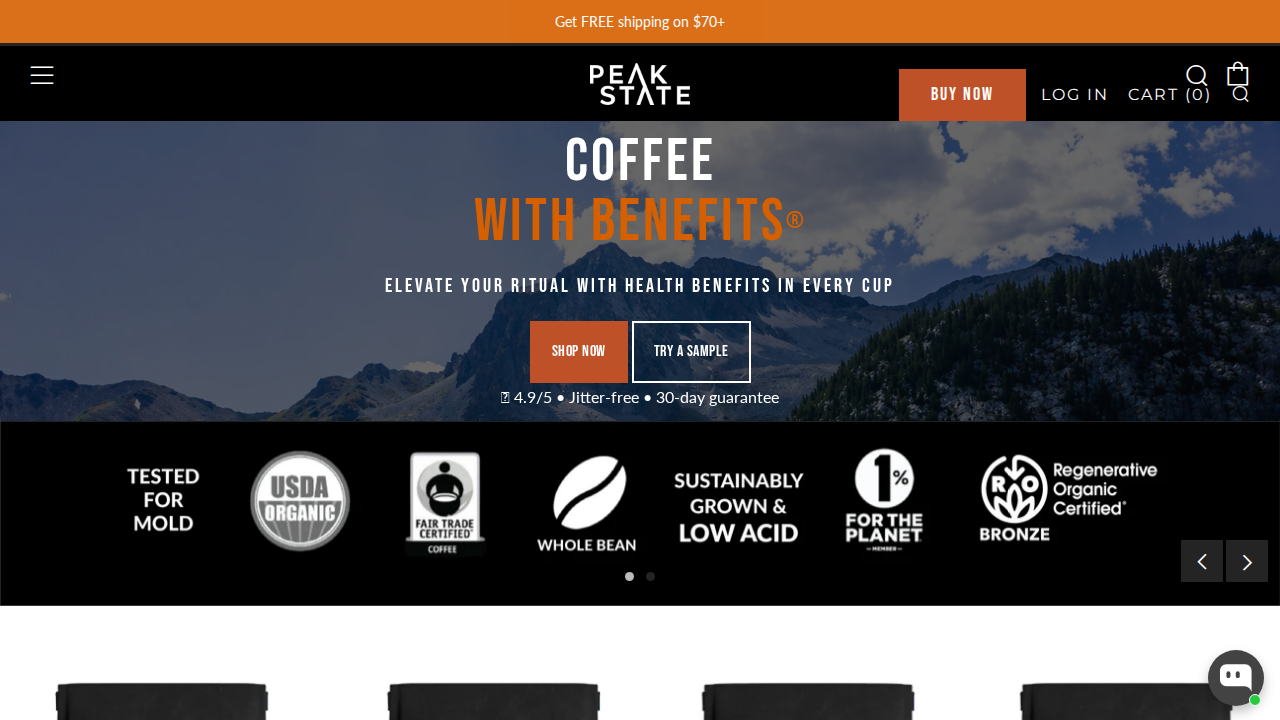
Executive summary
Score Breakdown (High Level)
- Discoverability: 92% - Overall, this section looks to be in good shape, though we didn't see a specialized sitemap for images or video content.
- Structured Data: 92% - This looks mostly solid, but we weren't able to find sameAs links for the author on the blog post.
- AI Readiness: 50% - This section looks mostly solid because you're open to AI crawlers and have a clear About page, but the sitemap is missing update timestamps and we couldn't find a Wikidata entity for the brand.
- Performance: 22% - Mobile performance is facing some serious hurdles with slow load times and responsiveness, even though the site stays visually stable while it loads.
- Reputation: 12% - The site has active social media links, but lacks a Wikidata presence and consistent brand identity markers needed for strong offsite trust.
- LLM-Ready Content: 76% - The resource shows strong authority and recent updates but could improve its structure by leading sections with more informative, answer-dense paragraphs.

The big picture before the details
What stands out most is that the onsite foundation is generally in place, but a few key signals are either missing or hard to verify in ways AI systems tend to rely on. The gaps read less like “something is wrong” and more like clarity and confidence issues—especially around performance and offsite reputation. Below, we’ll walk through the specific areas where the evaluation flagged missing or unconfirmed signals, section by section. None of this is unusual, and it’s all the kind of stuff that becomes very manageable once it’s clearly mapped.
Detailed Report
Discoverability
❌ Image or video sitemap not found
What we saw
We didn’t find a dedicated way for the site to list image or video assets for discovery. As a result, visual content may be less clearly surfaced for indexing.
Why this matters for AI SEO
Generative engines and crawlers do better when your visual assets are clearly organized and easy to find. When those assets aren’t explicitly surfaced, they can be underrepresented in AI-driven discovery and summaries.
Next step
Add a clear, dedicated way for crawlers to discover your key image and/or video assets.
Structured Data
❌ Author profile missing reference links
What we saw
The author information on the blog post is present, but it doesn’t include reference links that connect the author to other known profiles. That makes the author identity harder to verify beyond the page itself.
Why this matters for AI SEO
AI systems tend to trust content more when people and brands can be confidently tied to consistent, external identities. Missing reference links can weaken that confidence, especially for medical-, wellness-, or safety-adjacent topics.
Next step
Connect the author identity to a small set of consistent, official profile URLs.
AI Readiness
❌ Sitemap doesn’t show update dates
What we saw
We found the sitemap, but it doesn’t show when pages were last updated. That removes an easy signal that helps systems interpret how current your content is.
Why this matters for AI SEO
When freshness signals aren’t clear, AI and search systems have a harder time prioritizing the most up-to-date pages. That can reduce the odds of newer or recently refreshed content being pulled into answers.
Next step
Include page-level update dates in the sitemap so content freshness is clear.
❌ No Wikidata entity found for the brand
What we saw
We weren’t able to find a Wikidata entry that clearly represents the brand. That leaves a gap in how the brand is represented in common public knowledge sources.
Why this matters for AI SEO
Generative systems often lean on widely recognized entity databases to disambiguate brands and confirm “who is who.” Without that entity backbone, it can be harder for models to consistently represent your brand in answers.
Next step
Create and/or validate a Wikidata entity for the brand so it has a stable public identity record.
Performance
❌ Homepage is slow to respond to user input
What we saw
On the homepage, the page took a while to feel responsive after it started loading. This can make the experience feel laggy, especially on mobile.
Why this matters for AI SEO
If pages are slow or frustrating to use, users bounce sooner and engage less, which can indirectly reduce visibility over time. Slower pages can also make it harder for automated systems to efficiently process and evaluate your content.
Next step
Reduce the amount of work the homepage needs to do up front so it becomes responsive sooner.
❌ Homepage main content appears late
What we saw
The primary content on the homepage took a long time to show up. This creates a delayed “time to value” for both users and automated systems.
Why this matters for AI SEO
AI and search systems benefit when the key content is accessible quickly and consistently. When main content is delayed, it can reduce how effectively the page is interpreted and ranked as a reliable source.
Next step
Prioritize faster delivery of the homepage’s main content so it renders earlier.
❌ Homepage overall performance is trailing
What we saw
The homepage’s overall performance came back in a poor range. This aligns with the slow and unresponsive feel observed during loading.
Why this matters for AI SEO
When performance is consistently weak, it can limit both user engagement and how efficiently systems can crawl and understand the site. That combination can become a visibility bottleneck.
Next step
Do a focused performance pass on the homepage to remove the biggest sources of delay.
❌ Resource page is slow to respond to user input
What we saw
The resource/blog page also showed slow responsiveness during load. Even if the content is strong, the experience can feel heavy.
Why this matters for AI SEO
Resource pages are often the ones AI systems pull from when generating answers. If those pages load poorly, it can reduce how reliably they’re surfaced and used.
Next step
Improve the resource page’s responsiveness so it becomes usable faster after load begins.
❌ Resource page main content appears late
What we saw
The main content on the resource/blog page took a long time to appear. This creates friction for readers and delays content access.
Why this matters for AI SEO
If content appears late, it can reduce the chance that systems reliably extract and trust the key information on the page. It also raises the odds that users abandon before engaging.
Next step
Make sure the resource page’s primary content renders earlier in the load sequence.
❌ Resource page overall performance is trailing
What we saw
The resource/blog page’s overall performance also landed in a poor range. It’s consistent with the delays seen in content display and responsiveness.
Why this matters for AI SEO
When your most “answerable” pages are slow, it can limit how often they’re referenced and reused by AI systems. It also makes it harder to turn AI-driven visits into real engagement.
Next step
Run a focused performance cleanup on key content pages so they’re easier to load and parse.
Reputation
❌ Negative client feedback couldn’t be confirmed
What we saw
We weren’t able to confirm whether there are credible negative client assertions associated with the brand. In practice, this means there isn’t a clear, validated signal either way in the available results.
Why this matters for AI SEO
AI systems tend to be cautious when reputation signals are unclear or hard to validate. When sentiment can’t be confidently reconciled, it may reduce how strongly the brand is recommended or cited.
Next step
Compile verifiable customer feedback sources that clearly tie to the brand and can be consistently referenced.
❌ Negative employee feedback couldn’t be confirmed
What we saw
We weren’t able to confirm whether there are credible negative employee assertions associated with the brand. The available results didn’t provide a clear, reconciled view.
Why this matters for AI SEO
For brand trust, AI systems often weigh consistent signals about how a company operates. When that picture is murky, models can be less confident in describing the brand authoritatively.
Next step
Make sure any official employer and company profiles are consistent and easy to validate across the web.
❌ Limited recognition across AI answers
What we saw
We didn’t see a confirmed, consistent signal that the brand is broadly recognized across AI-generated results. That suggests the brand may not be well established in the sources models commonly rely on.
Why this matters for AI SEO
When recognition is limited, AI systems are less likely to bring the brand into answers by default. It can also lead to thinner or less confident brand descriptions.
Next step
Strengthen the brand’s presence in widely referenced third-party sources that clearly identify the business.
❌ Brand identity details aren’t consistently confirmed
What we saw
We weren’t able to confirm a consistent, reconciled consensus for the brand’s core identity details (like official name and location). This indicates the brand’s “facts” may not be consistently represented offsite.
Why this matters for AI SEO
AI systems work best when identity details are stable and consistent, since that helps them avoid confusion with similar names or entities. Inconsistency can reduce trust and lead to weaker brand attribution.
Next step
Audit your offsite brand listings to ensure the official name and business details match everywhere they appear.
❌ Wikidata match for the brand not found
What we saw
We didn’t find a Wikidata record that clearly matches the brand. This leaves a gap in one of the most common public entity reference layers.
Why this matters for AI SEO
Wikidata can act like an identity “hub” that helps models connect your brand name to the right thing. Without a match, AI systems may have less confidence when referencing or summarizing the brand.
Next step
Establish (or confirm) a Wikidata entry that clearly represents the brand and matches its official identity.
❌ Wikidata identity anchors not confirmed
What we saw
We weren’t able to confirm common identity anchors within Wikidata that tie back to the brand (like official identifiers). That makes the entity (if created later) less useful as a trust reference.
Why this matters for AI SEO
Entity records are most helpful when they include concrete, verifiable anchors. Without those, AI systems may still hesitate to treat the brand as a clearly defined entity.
Next step
Ensure the brand’s entity record includes official identity anchors that clearly connect it to the real-world business.
❌ Third-party reviews weren’t found
What we saw
We didn’t see confirmed evidence of third-party reviews or customer feedback sources tied to the brand in the available results. That leaves the brand without much independently verifiable social proof.
Why this matters for AI SEO
Generative engines often look for external validation when deciding what to recommend or cite. Without reviews or feedback signals, it can be harder to establish trust at a glance.
Next step
Build a consistent set of third-party review sources that are clearly attributable to the brand.
❌ Review sources aren’t clearly attributable
What we saw
We weren’t able to confirm concrete review sources tied to the brand. In other words, there wasn’t a clear trail to specific, named platforms that models can reliably reference.
Why this matters for AI SEO
Even when sentiment exists, AI systems trust it more when it’s attached to identifiable sources. Vague or unconfirmed sources reduce how usable that reputation signal is.
Next step
Make sure review signals are tied to specific, well-known platforms and consistently referenced across the web.
❌ Official social profiles aren’t consistently confirmed
What we saw
We didn’t see a confirmed consensus on the brand’s major social profiles from the available results. That can create ambiguity about which accounts are official.
Why this matters for AI SEO
When official profiles are unclear, AI systems may avoid referencing them or may mix signals from the wrong sources. Clear, consistent “official account” signals help with trust and attribution.
Next step
Standardize the brand’s official social profile references so they’re consistent and easy to validate.
❌ Independent press coverage wasn’t found
What we saw
We didn’t find confirmed evidence of independent, offsite press or coverage tied to the brand in the available results. That suggests the brand may have limited third-party visibility.
Why this matters for AI SEO
Independent coverage is one of the strongest credibility signals AI systems can pick up. Without it, models may have less external context to confidently describe the brand’s legitimacy and relevance.
Next step
Develop a small set of independently published references that clearly mention and describe the brand.
❌ Onsite press or press releases weren’t found
What we saw
We didn’t see clear onsite press content (like a press page or press releases) in the available results. That limits how easily people (and systems) can find a curated record of announcements.
Why this matters for AI SEO
A centralized place for official announcements can help AI systems understand what’s new, notable, or verified about a brand. Without it, that context can be harder to assemble consistently.
Next step
Create a simple, clearly labeled place on the site where official announcements and press mentions can live.
LLM-Ready Content (Blog Analysis)
Heads up: this section looks at one article as a snapshot, so it’s a little more interpretive than the rest of the report and may shift slightly from run to run. Have questions? Just shoot us an email at hello@v9digital.com
❌ Key answers don’t appear early in sections
What we saw
Across the article, most sections start with short, hook-style opening lines rather than more descriptive lead paragraphs. That means readers (and AI systems) have to work a bit harder to quickly extract the “so what” of each section.
Why this matters for AI SEO
Generative engines prefer content where the main takeaway is easy to identify quickly, since that improves reuse in summaries and direct answers. When sections lead with lighter intros, the most useful details can get buried.
Next step
Rewrite section openers so each one starts with a clear, information-rich lead that surfaces the key takeaway early.
Does Anything Seem Off?
Thanks for taking our free GEO Grader for a spin. When we started this journey, the tool had a fairly long processing time to check everything we wanted both onsite and offsite, so we made a few adjustments on the backend to speed things up. As a result, there are times when the grader may not get everything 100% right. If something feels off, we recommend running the tool a second time to confirm the results. From there, you’re always welcome to reach out to us to schedule a GEO consultation, or to have your SEO provider validate the findings with a more detailed crawl and manual review.
