
Overview:
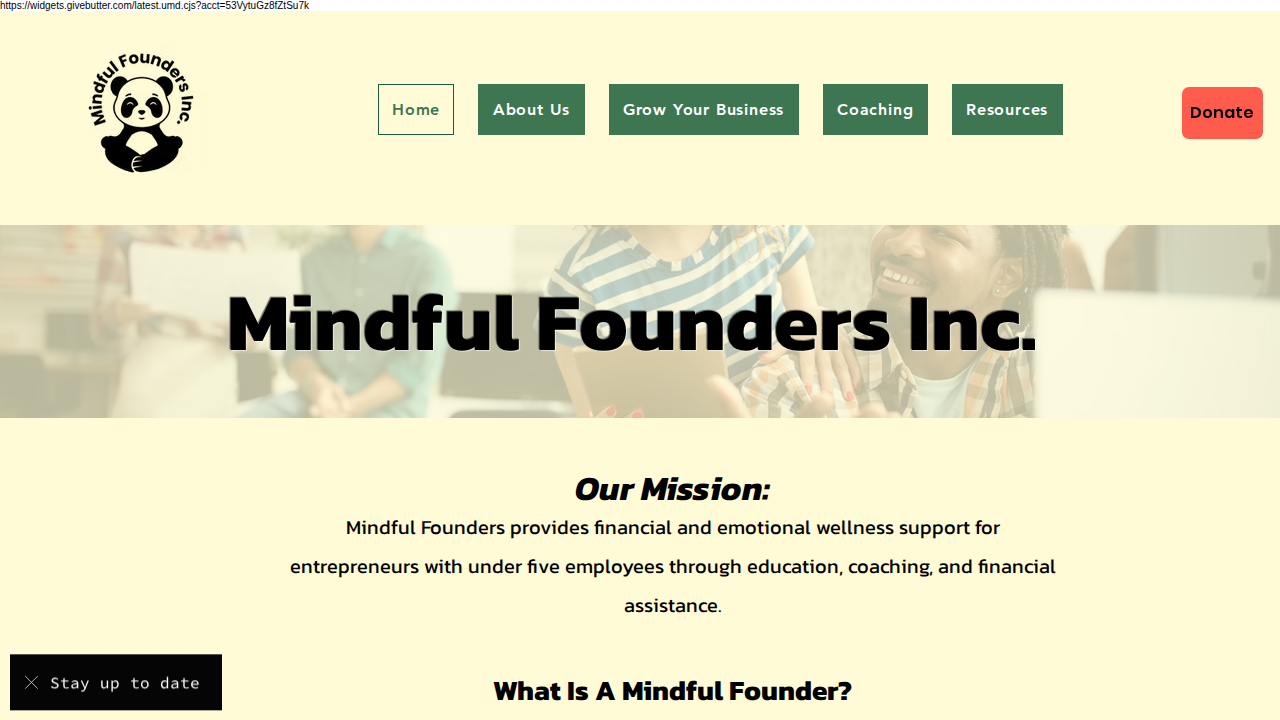
On 06/04/26 mindfulfounders.org/ scored 66% — **Decent** – Overall, the site is on solid footing for AI visibility, with a few clear gaps around trust, content clarity, and experience that make it harder to show up as consistently as it could.
Executive summary
Score Breakdown (High Level)
- Discoverability: 100% - The site is wide open for discovery with a valid XML sitemap and strong metadata, though it lacks a dedicated sitemap for images or video.
- Structured Data: 92% - The structured data is in excellent shape across the site, though adding some external social links to the author's schema would help round things out.
- AI Readiness: 67% - The site is technically well-prepared for AI crawlers with clean sitemaps and open access, though it currently lacks a formal Wikidata presence to anchor its brand identity.
- Performance: 50% - Mobile performance generally landed outside the ‘poor’ range for layout stability, but loading speeds on both the homepage and blog are currently lagging behind.
- Reputation: 65% - The site has a strong social presence and is widely recognized by AI models, but it's currently missing critical off-site trust signals like third-party reviews and a Wikidata entry.
- LLM-Ready Content: 48% - The post establishes strong trust through clear authorship and recent updates, but it lacks the H2 subheadings and section-based chunking required for optimal AI readability.

The main gaps we’re seeing
The big picture is that the site has a strong base, but it’s missing a few signals that help AI systems trust, verify, and cleanly summarize what’s here. None of these read like “something is wrong”—they’re more about clarity and confirmation than outright problems. The next sections break down the specific areas where the report flagged gaps across performance, reputation signals, and how the blog content is organized for reuse. Overall, this is a manageable set of issues, and the details below should make it clear what’s getting in the way.
Detailed Report
Discoverability
❌ Image or video sitemap not found
What we saw
An image or video sitemap wasn’t detected. That means media content has less explicit support for being discovered and understood at scale.
Why this matters for AI SEO
Generative engines lean on clear discovery signals to find and interpret content reliably. When media isn’t as discoverable, it can reduce how often those assets are surfaced or referenced.
Next step
Add an image sitemap and/or video sitemap so media content is easier to discover and interpret.
Structured Data
❌ Author schema missing sameAs links
What we saw
On the resource/blog page, the author is clearly named, but the author’s profile markup doesn’t include sameAs links to external profiles. That makes it harder to connect the author to a broader, verifiable presence.
Why this matters for AI SEO
AI systems often look for consistent identity signals across the web when deciding what to trust and attribute. Missing profile connections can weaken author credibility and reduce confidence in attribution.
Next step
Add sameAs links for the author that point to relevant, official professional profiles.
AI Readiness
❌ No Wikidata entity found for the brand
What we saw
We didn’t find a Wikidata item ID associated with the brand. As a result, there isn’t a single, consistent reference point that clearly defines the organization.
Why this matters for AI SEO
Generative engines often use trusted entity references to reduce ambiguity about who a brand is. Without that entity-level anchor, it’s easier for details to be missing or inconsistent.
Next step
Create and/or connect a Wikidata entity for the brand so AI systems have a clearer source of truth.
Performance
❌ Homepage responsiveness issues
What we saw
The homepage showed signs of being slow to respond during loading. This can make the experience feel heavy, especially on slower devices or connections.
Why this matters for AI SEO
When pages feel sluggish, users are less likely to engage deeply, and systems that evaluate quality signals can be less confident about the overall experience. That can indirectly limit how consistently content gets surfaced.
Next step
Reduce the main sources of blocking on the homepage so it becomes more responsive during load.
❌ Homepage main content loads slowly
What we saw
The homepage’s primary content took longer than expected to fully appear. This usually shows up as a noticeable delay before the page feels “ready.”
Why this matters for AI SEO
Slow-loading primary content can reduce perceived quality and engagement, which can weaken downstream signals that support discoverability and trust. It also makes it harder for AI-driven experiences to confidently reference the page.
Next step
Improve how quickly the homepage’s main content becomes visible for users.
❌ Resource page main content loads slowly
What we saw
The resource/blog page also showed a delayed load for its main content. That means readers may have to wait before they can comfortably start consuming the article.
Why this matters for AI SEO
If resource content is slow to appear, it can dampen engagement and reduce how often that page is treated as a strong reference. For AI visibility, that can make the content less competitive as a cited source.
Next step
Speed up the resource page so the main article content appears faster.
Reputation
❌ Brand identity details aren’t consistent across sources
What we saw
There wasn’t a clear consensus on the brand’s physical address across the available sources. In multiple places, the address information appeared to be missing.
Why this matters for AI SEO
When key identity details aren’t consistently confirmed, AI systems have a harder time confidently matching the brand to a single entity. That uncertainty can reduce trust and make it harder to surface the brand in high-confidence contexts.
Next step
Make sure the brand’s core identity details (including address, where applicable) are consistently represented across trusted sources.
❌ No matching Wikidata entity for the brand
What we saw
A Wikidata entry matching the brand wasn’t found. That leaves a gap in widely used third-party entity references.
Why this matters for AI SEO
Wikidata is commonly used as a verification layer to resolve “who is this organization?” questions. Without it, AI models may be less certain about brand facts and relationships.
Next step
Establish a Wikidata entity for the brand that matches the official identity.
❌ No official identity anchors tied to Wikidata
What we saw
Because a Wikidata entity wasn’t present, there were no official identity anchors available there (like confirmed identifiers). This removes a common reference point that helps verify legitimacy.
Why this matters for AI SEO
Generative engines tend to trust brands more when they can tie them to consistent, well-anchored identity sources. Missing anchors increases ambiguity, which can limit visibility in AI-driven answers.
Next step
Add official identity anchors through a valid Wikidata entity so the brand can be verified more easily.
❌ No third-party reviews or customer feedback found
What we saw
We didn’t see evidence of third-party reviews or customer feedback from the sources evaluated. That means there’s limited outside validation of the brand experience.
Why this matters for AI SEO
Third-party feedback helps AI systems gauge real-world trust and credibility. Without it, the brand can look less “confirmed” compared to peers with more visible customer validation.
Next step
Build a visible footprint of third-party customer feedback on well-known review platforms relevant to your category.
❌ Review sources weren’t clearly identifiable
What we saw
No specific review platforms or sources were identified. Even if feedback exists in pockets, it isn’t showing up in a way that’s easy to confirm.
Why this matters for AI SEO
AI systems rely on concrete, attributable sources when forming a trust picture. If review sources aren’t clearly tied to recognizable platforms, those trust signals are less likely to be counted.
Next step
Ensure reviews are hosted or referenced on specific, recognizable third-party platforms so sources are concrete.
LLM-Ready Content (Blog Analysis)
Heads up: this section looks at one article as a snapshot, so it’s a little more interpretive than the rest of the report and may shift slightly from run to run. Have questions? Just shoot us an email at hello@v9digital.com
❌ Content isn’t chunked into clear sections
What we saw
The article didn’t include enough section breaks using clear subheadings, which makes it read more like one continuous block. That limits how easily the content can be broken into skimmable, reusable pieces.
Why this matters for AI SEO
AI models tend to extract and summarize content more reliably when it’s organized into distinct sections. When content isn’t clearly chunked, key ideas can be harder to pull out cleanly.
Next step
Restructure the article into multiple clear sections so each core idea has its own labeled block.
❌ No table included (bonus)
What we saw
A simple table wasn’t found on the page. That means there isn’t an easy “at-a-glance” element summarizing key points or comparisons.
Why this matters for AI SEO
Structured, scannable elements can make it easier for AI systems to extract specific facts and present them accurately. Without them, the model has to infer structure from paragraphs alone.
Next step
Add a small, relevant table that summarizes key takeaways from the article.
❌ Subheadings aren’t descriptive
What we saw
There weren’t enough meaningful subheadings in the article body to evaluate for clarity and descriptiveness. As a result, the page doesn’t clearly “label” what each part of the article is about.
Why this matters for AI SEO
Descriptive subheadings help AI understand topic shifts and identify the best snippet to answer a question. Without them, the content can be harder to map to specific prompts.
Next step
Use descriptive subheadings throughout the article so each section signals its topic clearly.
❌ Key answers don’t appear early (couldn’t be confirmed)
What we saw
Because the article isn’t divided into clear sections, it wasn’t possible to confirm that key answers appear early in each part of the content. That makes the page feel less immediately “answer-forward.”
Why this matters for AI SEO
Generative engines often prefer content that surfaces the main point quickly, then supports it with detail. When key answers aren’t clearly positioned, it can reduce how confidently the content is summarized.
Next step
Make sure each major section opens with a clear, direct takeaway before expanding into supporting detail.
Does Anything Seem Off?
Thanks for taking our free GEO Grader for a spin. When we started this journey, the tool had a fairly long processing time to check everything we wanted both onsite and offsite, so we made a few adjustments on the backend to speed things up. As a result, there are times when the grader may not get everything 100% right. If something feels off, we recommend running the tool a second time to confirm the results. From there, you’re always welcome to reach out to us to schedule a GEO consultation, or to have your SEO provider validate the findings with a more detailed crawl and manual review.
