
Detailed Report:
GEO Assessment — support.runature.net/hair-care/how-often-to-wash-human-hair-extensions/
(Score: 72%) — 03/18/26
Overview:
On 03/18/26 support.runature.net/hair-care/how-often-to-wash-human-hair-extensions/ scored 72% — **Good** – Overall, the site looks pretty solid for AI visibility, with most gaps showing up around brand context and a few consistency signals rather than the core setup.
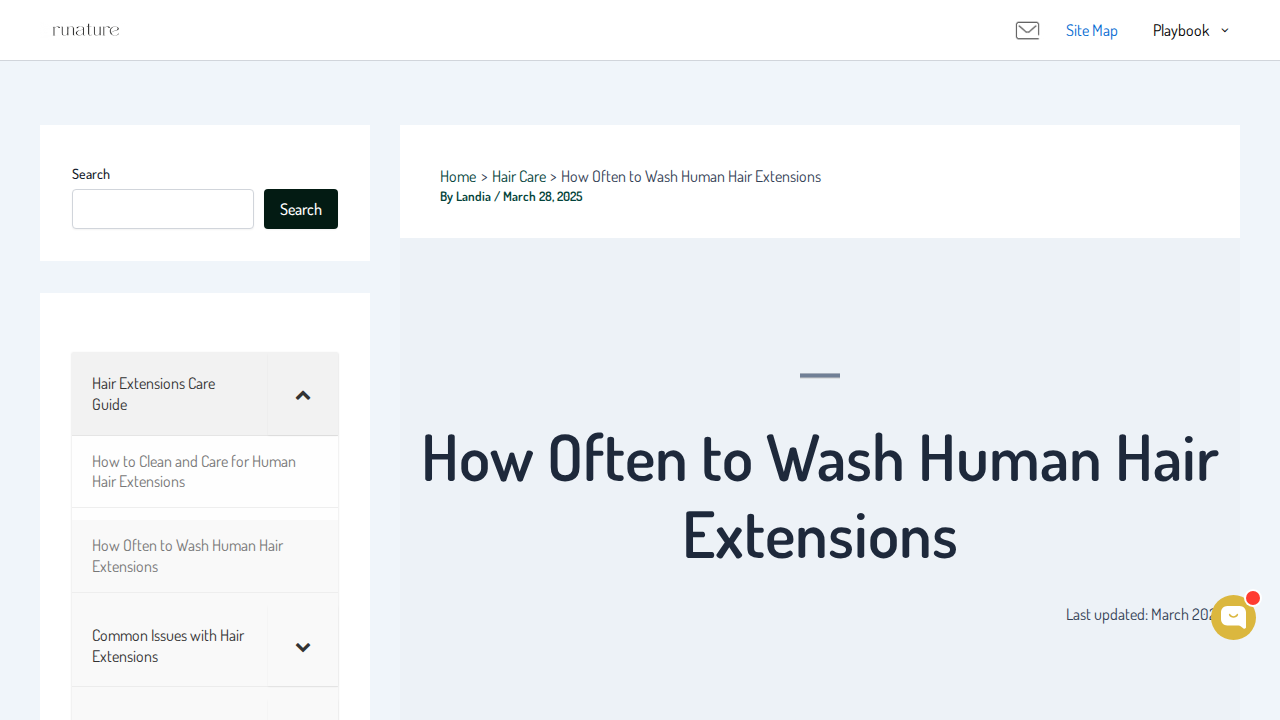
Executive summary
Score Breakdown (High Level)
- Discoverability: 100% - The site has a strong technical foundation with healthy status codes and proper sitemaps, though it's currently missing dedicated sitemaps for images and video.
- Structured Data: 92% - The site's structured data is generally in great shape with clear organization and author details, although it lacks external social links in the author schema to fully verify their professional footprint.
- AI Readiness: 33% - The site is technically accessible to AI crawlers, but it's missing critical brand context and sitemap timestamps that help engines verify authority and freshness.
- Performance: 83% - Mobile performance is generally solid with healthy load times, though the homepage is currently seeing some layout instability that needs attention.
- Reputation: 69% - The brand shows a strong off-site presence with active social profiles and press coverage, though inconsistent identity details and some negative client feedback currently impact the total reputation score.
- LLM-Ready Content: 72% - The resource is well-attributed and includes helpful data tables, though some content sections are slightly too long for optimal AI processing.

What stands out most overall
The big picture is that a lot of the core signals are in place, but a few key pieces of brand context and identity clarity aren’t coming through consistently. The gaps here are less about “something being wrong” and more about AI systems having an incomplete or uneven view of who you are and what should be trusted most. Next up, we’ll walk through the specific areas that didn’t hold up in the evaluation, grouped by section so it’s easy to digest. None of this is unusual—these are common, addressable visibility wrinkles as sites mature.
Detailed Report
Discoverability
❌ Image/Video sitemap missing
What we saw
We didn’t detect an image sitemap or a video sitemap in the site data. That means media content may not be getting the same level of structured discovery support as the rest of the site.
Why this matters for AI SEO
Generative engines and search systems rely on clear discovery paths to find and understand media assets at scale. When those signals are missing, helpful visuals can be harder to surface or connect to the right topics.
Next step
Add dedicated image and/or video sitemap coverage so your media content is easier to consistently discover and associate with the right pages.
Structured Data
❌ Author profile missing external identity links
What we saw
The author (“Landia”) is identified, but the author’s profile data doesn’t include any external profile links that confirm the same person elsewhere. So the author exists on-page, but isn’t strongly connected to other known profiles.
Why this matters for AI SEO
When AI systems can’t confidently connect an author to consistent third-party identifiers, it can reduce how strongly they trust or reuse author-attributed information. Clear identity connections help engines treat the author as a verifiable source.
Next step
Link the author to a few official, public profiles so it’s easier for systems to confirm it’s the same person across the web.
AI Readiness
❌ Content update timestamps not provided in the sitemap
What we saw
The site’s sitemap was found, but it doesn’t include update timestamps that show when pages were last modified. That makes it harder to tell what’s new or recently refreshed.
Why this matters for AI SEO
AI-driven discovery benefits from clear freshness signals so it can prioritize recrawling and reuse of the most current information. Without that context, updated pages may not stand out as clearly.
Next step
Include last-updated timestamps for key URLs so content recency is easier to understand at a glance.
❌ Brand context page not clearly discoverable from the homepage
What we saw
We didn’t find links from the homepage to an About/Company/Team-style page that explains who you are. As a result, brand background isn’t as easy to pick up during a crawl.
Why this matters for AI SEO
Generative engines tend to perform better when they can quickly ground a brand in clear, first-party context. When that context isn’t easy to find, the brand can come across as less defined.
Next step
Make sure the homepage clearly points to a page that explains the brand, ownership, and credibility in plain language.
❌ No verified knowledge base entity found for the brand
What we saw
No public entity record was found that cleanly represents the brand in a widely used knowledge database. This leaves the brand without a strong external anchor that systems can reference.
Why this matters for AI SEO
When a brand lacks an established external entity, AI systems have fewer reliable ways to disambiguate and verify identity. That can limit how confidently they connect the brand to consistent facts.
Next step
Establish an official entity presence that clearly ties the brand name to its real-world identity and primary web presence.
Performance
❌ Homepage layout shifts more than expected during load
What we saw
The homepage showed noticeable layout movement as it loads, creating a “jumpy” experience. This was flagged as exceeding the standard threshold for visual stability.
Why this matters for AI SEO
While performance isn’t the only driver of AI visibility, unstable page experiences can indirectly reduce trust and engagement signals that often correlate with stronger overall discoverability. It also increases the chance that important content is harder to consume cleanly on first load.
Next step
Reduce unexpected layout movement on the homepage so the main content stays visually stable as it appears.
Reputation
❌ Negative client feedback is present in review data
What we saw
We saw affirmed negative client assertions in third-party feedback, including concerns around product quality and customer service responsiveness. This indicates there’s at least some visible dissatisfaction in the public review footprint.
Why this matters for AI SEO
Generative engines often summarize sentiment when describing brands, especially for product and service queries. Visible negative themes can show up in AI answers and soften trust.
Next step
Review the recurring complaint themes showing up publicly and make sure your brand’s public narrative reflects how those concerns are handled.
❌ Brand identity details aren’t consistent across sources
What we saw
A consistent physical address could not be verified across the majority of sources reviewed, including what was available in website metadata. That creates an identity mismatch depending on where a system looks.
Why this matters for AI SEO
When key business identity details vary across sources, AI systems have a harder time confidently validating the brand as a stable real-world entity. That can reduce how strongly the brand is grounded in answers.
Next step
Align core business identity details so they appear consistently wherever the brand is referenced.
❌ No verified knowledge base entity found for the brand
What we saw
No Wikidata entry was found for the brand. This limits the brand’s ability to be referenced through a centralized, structured identity record.
Why this matters for AI SEO
When a recognized entity record isn’t present, generative engines have fewer high-confidence anchors to pull consistent brand facts from. That can lead to weaker brand grounding or more variability in how the brand is described.
Next step
Create and validate an official entity record that clearly represents the brand.
❌ Missing verified identity anchors in the knowledge base
What we saw
Because there isn’t an entity record present, the brand also lacks verified anchors (like an official website reference and related identifiers) within that database. So even if the brand is mentioned elsewhere, it’s not tied back to a single confirmed identity node there.
Why this matters for AI SEO
Identity anchors help AI systems connect mentions, profiles, and facts to the same real brand without ambiguity. Without those anchors, it’s easier for brand references to stay fragmented.
Next step
Ensure the brand’s official site and key identifiers are connected as anchors within an established entity record.
LLM-Ready Content (Blog Analysis)
Heads up: this section looks at one article as a snapshot, so it’s a little more interpretive than the rest of the report and may shift slightly from run to run. Have questions? Just shoot us an email at hello@v9digital.com
❌ One section is too long to scan cleanly
What we saw
One content block (“How Often to Wash Human Hair Extensions in Different Climates”) runs longer than the recommended length for an easily skimmable section. That can make it harder to quickly isolate the exact answer a reader (or AI system) is looking for.
Why this matters for AI SEO
AI systems tend to extract and reuse information more reliably when answers are broken into smaller, clearly scoped chunks. Longer sections can bury key details and reduce the clarity of what should be cited.
Next step
Break that long section into smaller, clearly labeled subsections so each part answers one specific sub-question.
Does Anything Seem Off?
Thanks for taking our free GEO Grader for a spin. When we started this journey, the tool had a fairly long processing time to check everything we wanted both onsite and offsite, so we made a few adjustments on the backend to speed things up. As a result, there are times when the grader may not get everything 100% right. If something feels off, we recommend running the tool a second time to confirm the results. From there, you’re always welcome to reach out to us to schedule a GEO consultation, or to have your SEO provider validate the findings with a more detailed crawl and manual review.
