
Overview:
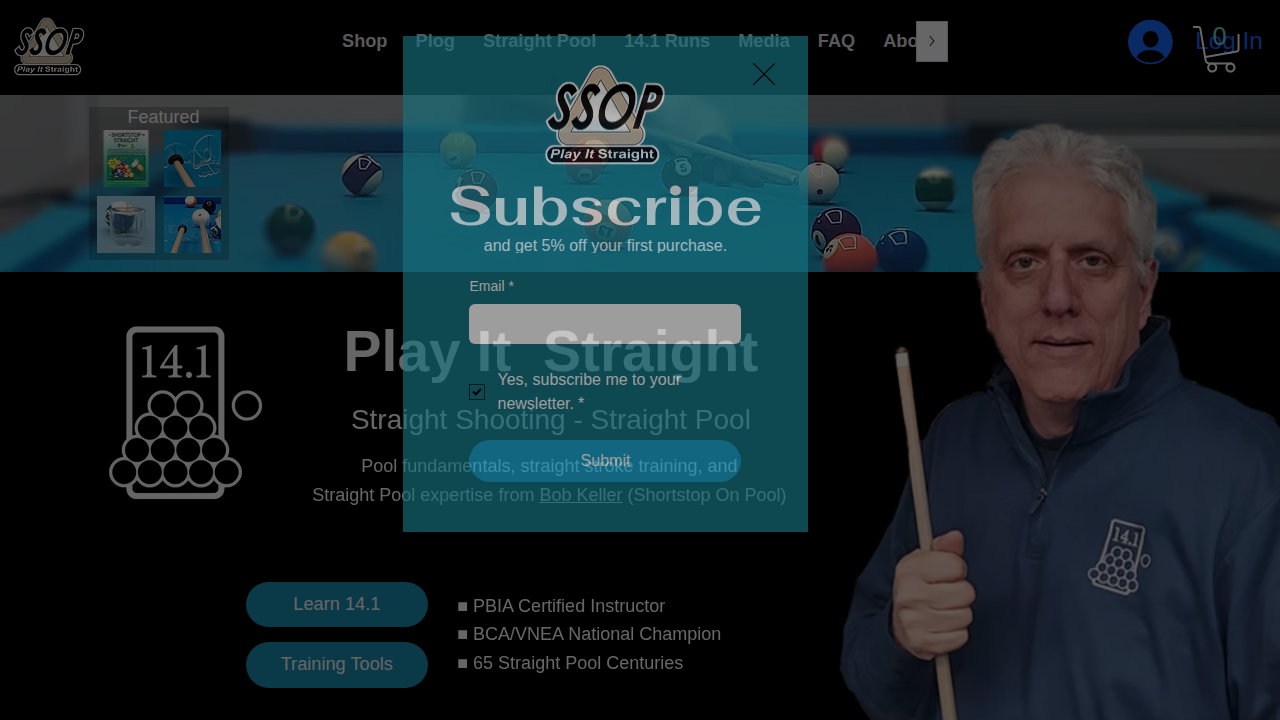
On 07/10/26 shortstoponpool.com scored 61% — **Decent** – Overall, most of the core AI visibility signals look steady, but a few content and identity gaps are holding the site back from showing up as clearly as it could.
Executive summary
Score Breakdown (High Level)
- Discoverability: 100% - The site is generally in good shape for discovery with accessible pages and clear metadata, though it’s currently missing specialized sitemaps for its image and video content.
- Structured Data: 58% - The site has a strong technical foundation on the homepage with valid organization schema, but we couldn't verify authorship or article-level markup due to missing resource data.
- AI Readiness: 67% - The site is technically well-prepared for AI crawlers with a clear sitemap and brand context, though it lacks a Wikidata entry to anchor its identity.
- Performance: 50% - The site's responsiveness and visual stability look great, but the initial load time for the main page content is dragging the performance down.
- Reputation: 81% - The brand has a solid offsite presence with active social profiles and recognized reviews, though identity confusion with similarly named businesses and a lack of Wikidata structure are the main bottlenecks.
- LLM-Ready Content: 28% - The page clearly establishes Bob Keller's expertise but falls short on structural requirements like outbound linking and detailed section chunking that help AI systems process and trust content.

The big picture at a glance
What stands out most is that the site has a solid baseline for being found and understood, but a few key signals aren’t coming through cleanly for AI systems. Most of the misses are less about “something being wrong” and more about clarity—both in how the brand is verified offsite and how the main resource content reads when it’s extracted and summarized. The next section breaks down the specific areas where the evaluation couldn’t confirm important details or found signals that were weaker than expected. Overall, this is a manageable set of gaps, and the report below shows exactly where they showed up.
Detailed Report
Discoverability
❌ Image or video sitemap not found
What we saw
We didn’t detect an image sitemap or a video sitemap in the provided data. This stood out because the site appears to feature a lot of visual training content.
Why this matters for AI SEO
When visuals aren’t clearly surfaced, AI systems may miss useful supporting context that helps them understand what the site offers. That can reduce the chances of your imagery or video being discovered and referenced when people ask visual or instructional questions.
Next step
Add a dedicated image and/or video sitemap so your visual content is easier to discover and interpret.
Structured Data
❌ Resource/blog page structured data couldn’t be verified
What we saw
We didn’t see any HTML for a resource or blog page in the dataset, so we couldn’t confirm whether that page includes the structured details AI/search systems look for.
Why this matters for AI SEO
When article-level information can’t be confirmed, it’s harder for AI engines to confidently understand what the content is, who it’s for, and how to classify it. That can limit how often the content gets pulled into AI answers.
Next step
Make sure your resource/blog pages are available for evaluation and include clear, article-level structured information.
❌ Author details on the resource/blog post weren’t available
What we saw
Because the resource/blog HTML was missing or empty, we couldn’t verify that the post has a clear, non-generic author.
Why this matters for AI SEO
AI systems lean on author information as a credibility cue, especially for instructional content. If author signals aren’t clear or can’t be confirmed, the content may be treated as less trustworthy or less citable.
Next step
Ensure each article has an explicit author displayed and consistently attached to the post.
❌ Author profile connections weren’t present
What we saw
We couldn’t verify that the author information includes profile connections (like sameAs links) because the resource/blog HTML was missing or empty.
Why this matters for AI SEO
When an author’s identity isn’t connected across the web, AI systems have a harder time confirming it’s a real person with consistent expertise. That weakens confidence in the content when it’s considered for AI-generated answers.
Next step
Add clear author profile connections that point to the author’s established profiles where appropriate.
AI Readiness
❌ No Wikidata entity found for the brand
What we saw
We didn’t find a Wikidata item ID for the brand in the provided data.
Why this matters for AI SEO
Without a strong, widely recognized identity reference point, AI engines can struggle to verify the brand’s official details. That can lead to weaker confidence when the brand is mentioned, summarized, or compared in AI responses.
Next step
Establish a clear Wikidata entity for the brand so AI systems have a consistent identity anchor.
Performance
❌ Main content loads slowly on the homepage
What we saw
The Largest Contentful Paint on the homepage came in at 10.25 seconds, which is slower than the expected target for a good experience.
Why this matters for AI SEO
If the primary content takes too long to show up, both users and automated systems may engage less or capture less of what makes the page valuable. Over time, that can make the page less likely to be surfaced as a strong result.
Next step
Reduce the time it takes for the homepage’s main content to appear so the page is easier to consume quickly.
Reputation
❌ Brand identity appears inconsistent offsite
What we saw
We found an identity conflict where offsite sources appear to confuse the brand with physical restaurants in different locations. Supporting data showed one model returning New Braunfels, TX and another returning Biddeford, ME.
Why this matters for AI SEO
When identity signals conflict, AI systems may hesitate to confidently describe the business or may attach the wrong details in generated answers. That can dilute trust and reduce the odds of accurate brand mentions.
Next step
Unify the brand’s offsite identity signals so location and business details resolve consistently.
❌ No Wikidata entity found
What we saw
No matching Wikidata entity was found for the brand in this evaluation.
Why this matters for AI SEO
Wikidata often functions as a shared reference layer for entity understanding across AI systems. Without it, it’s easier for confusion to persist when the brand name overlaps with other entities.
Next step
Create and confirm an official Wikidata entity for the brand.
❌ Identity anchors were missing in Wikidata
What we saw
Because a Wikidata entity wasn’t found, required identity anchors (like an official website reference or identifiers) also weren’t present.
Why this matters for AI SEO
When AI systems can’t tie a brand to consistent, verifiable reference points, they’re more likely to blend details from lookalike entities. That makes accurate brand attribution harder in AI-generated summaries.
Next step
Ensure the brand’s Wikidata presence includes clear official identity anchors that connect back to the real business.
LLM-Ready Content (Blog Analysis)
Heads up: this section looks at one article as a snapshot, so it’s a little more interpretive than the rest of the report and may shift slightly from run to run. Have questions? Just shoot us an email at hello@v9digital.com
❌ Content doesn’t appear recently updated
What we saw
The latest explicit date we saw on the page was December 2024, which falls outside the last 12 months relative to today’s date (07/10/26).
Why this matters for AI SEO
AI systems often favor content that appears current when they’re selecting sources for time-sensitive or “best available” guidance. Older timestamps can reduce confidence that the information reflects the latest context.
Next step
Update the page so it clearly reflects a recent publish or update date tied to meaningful content changes.
❌ No non-social external references found
What we saw
Outbound links on the page were limited to social media profiles or internal store pages, and we didn’t find any links to third-party, non-social external resources.
Why this matters for AI SEO
External references help AI systems understand how your content connects to the broader topic landscape and can strengthen perceived credibility. Without them, the page can read more like a standalone pitch than a supported resource.
Next step
Add a small set of relevant, non-social external references that support or contextualize the main claims.
❌ Sections are too short for strong AI “chunking”
What we saw
The page is broken into many sections, but the average section length was about 23 words, which is far shorter than the typical range that works well for deeper extraction.
Why this matters for AI SEO
When sections are extremely brief, AI systems have less context to pull from, which makes it harder to reuse the content as a reliable, self-contained answer. That can lower the odds of being cited or summarized accurately.
Next step
Rewrite key sections into fuller, self-contained blocks that give enough context to stand on their own.
❌ No table found to summarize information
What we saw
No HTML table element was detected on the page.
Why this matters for AI SEO
Tables can make structured takeaways easier for AI systems to interpret and reuse, especially for comparisons, steps, or training frameworks. Without any structured summary, key details can be harder to extract cleanly.
Next step
Add at least one simple table that summarizes the most important takeaways or comparisons on the page.
❌ Subheadings are mostly generic
What we saw
Most subheadings were generic navigation-style labels (like “LEARN” or “WATCH”) rather than descriptive summaries of what the section contains.
Why this matters for AI SEO
Descriptive subheadings help AI systems quickly map what’s on the page and where specific answers live. Generic labels make it harder to route questions to the right section and reduce clarity.
Next step
Rename key subheadings so they describe the actual topic and promise of the section beneath them.
❌ Key answers don’t show up early in sections
What we saw
A smaller share of sections started with a substantive opening paragraph, and many began with very short intro lines that didn’t deliver the core answer early.
Why this matters for AI SEO
AI systems often rely on early-in-section clarity to decide whether a block contains a reusable answer. If the “point” comes late (or never fully arrives), the section is easier to skip or misinterpret.
Next step
Adjust sections so the main takeaway or direct answer appears right at the beginning of the block.
❌ Acronyms aren’t clearly defined near where they appear
What we saw
The page included acronyms like PBIA, BCA, and VNEA without nearby definitions.
Why this matters for AI SEO
Undefined acronyms can make content harder for AI systems (and readers) to interpret consistently, especially outside niche contexts. That increases the risk of weaker summaries or less confident reuse.
Next step
Add short, plain-language definitions the first time each acronym appears.
Does Anything Seem Off?
Thanks for taking our free GEO Grader for a spin. When we started this journey, the tool had a fairly long processing time to check everything we wanted both onsite and offsite, so we made a few adjustments on the backend to speed things up. As a result, there are times when the grader may not get everything 100% right. If something feels off, we recommend running the tool a second time to confirm the results. From there, you’re always welcome to reach out to us to schedule a GEO consultation, or to have your SEO provider validate the findings with a more detailed crawl and manual review.
