
Overview:
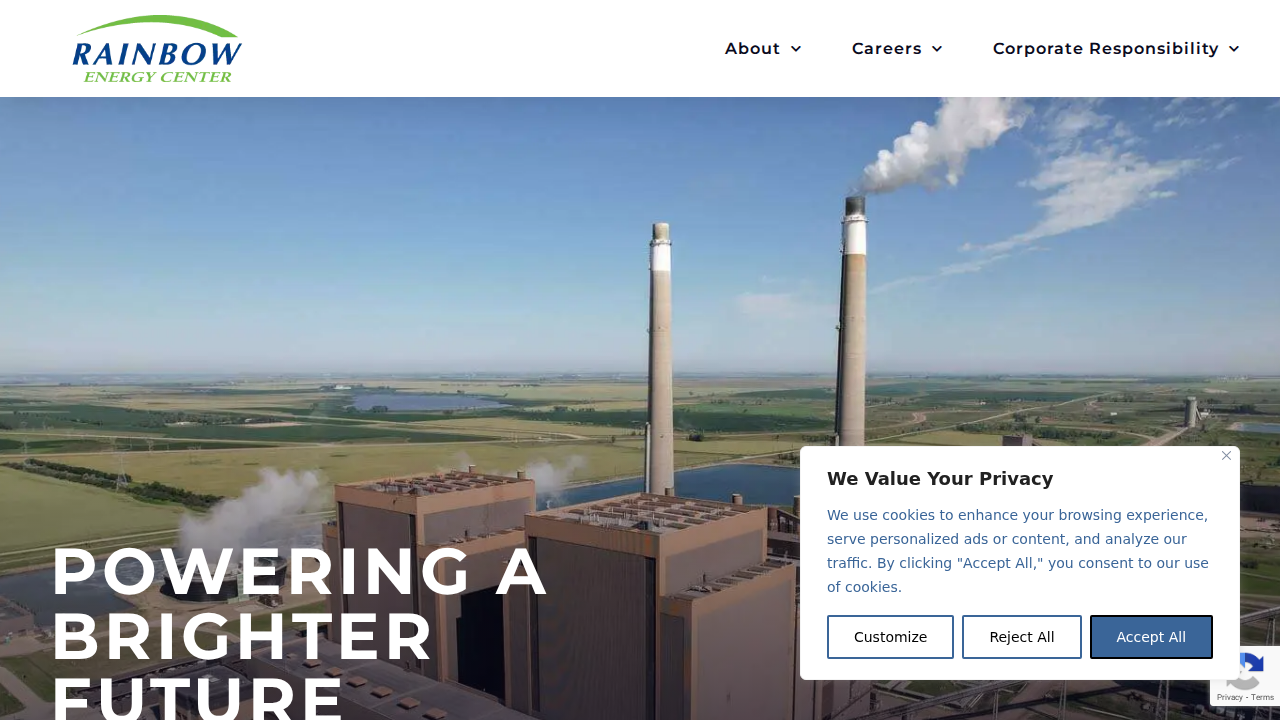
On 01/15/26 rainbowenergycenter.com/ scored 42% — **Below Average** – The fundamentals look decent, but there are some clear gaps that make it harder for AI systems to fully understand and confidently reference the site.
Executive summary
Score Breakdown (High Level)
- Discoverability: 92% - This section is in great shape overall, with only an image or video sitemap missing from an otherwise complete technical setup.
- Structured Data: 58% - The homepage has solid Organization schema, but we didn’t find any schema or author info on the resource page.
- AI Readiness: 67% - Most of the technical essentials are covered, but there’s no Wikidata entity for the brand.
- Performance: 11% - The homepage’s largest contentful paint was well above Google’s threshold, but the rest of the mobile performance metrics landed in the acceptable range.
- Reputation: 58% - Most reputation and offsite signals are missing or unconfirmed, with no reviews, concrete social links, or Wikidata entity found.
- LLM-Ready Content: 0% - We didn’t see any of the key content or structure signals—like schema, author, dates, headings, or outbound links—on the resource page.

The main gaps holding things back
The big picture is that the homepage is generally understandable, but the supporting content and offsite signals aren’t coming through clearly in the areas we checked. These aren’t “gotchas” so much as missing context that makes it harder for AI systems to confidently connect the dots around your content, authorship, and brand identity. The detailed breakdown below walks through each missing signal that showed up in the evaluation, one by one, with a plain-English explanation of why it matters. None of this is unusual—once you can see what’s missing, it’s much easier to align the site’s story across the places AI tends to look.
Detailed Report
❌ No image or video sitemap was found
What we saw
We weren’t able to find an image sitemap or a video sitemap associated with the site. This suggests media content may not be as clearly surfaced as the rest of the site’s pages.
Why this matters for AI SEO
Generative engines benefit from clear, consistent signals about what content exists and how it’s organized, including media. When those signals are missing, images and videos are more likely to be overlooked or misunderstood.
Next step
Add a dedicated sitemap that lists the site’s image and/or video content.
❌ No schema was detected on the resource/blog page
What we saw
We didn’t detect structured details on the resource/blog page in the data provided, or that page wasn’t available to confirm. As a result, that content appears to be missing some of the same “who/what this is” context that the homepage includes.
Why this matters for AI SEO
When AI-driven systems summarize or cite content, they rely on clear page-level context to reduce ambiguity. Missing structure on supporting content can make it harder for the page to be interpreted consistently.
Next step
Ensure the resource/blog page includes clear structured context about the page and its content.
❌ Resource/blog content doesn’t show a clear author
What we saw
We couldn’t confirm an author on the resource/blog page from the data we checked. That leaves the content without clear attribution.
Why this matters for AI SEO
Attribution helps generative engines understand who is behind a piece of content, which supports trust and accurate referencing. Without a clear author, the content can read as less grounded.
Next step
Add a clear, non-generic author name to the resource/blog content.
❌ Author details aren’t connected to recognized profiles
What we saw
We didn’t find author-related structured details on the resource/blog page, including any connected profile links. In practice, this means the author’s identity isn’t well “anchored” to the wider web.
Why this matters for AI SEO
Generative engines are more confident when people and brands can be tied to consistent, recognizable references. Without those connections, it’s easier for attribution to be vague or inconsistent.
Next step
Connect the author to consistent, public profile references that clearly represent the same person.
❌ No Wikidata entity was found for the brand
What we saw
We didn’t see a Wikidata entity ID associated with the brand. That leaves a gap in widely recognized, third-party brand context.
Why this matters for AI SEO
A recognized entity helps AI systems disambiguate brands and keep identity details consistent across answers. When it’s missing, the brand can be harder to “pin down” reliably.
Next step
Create or claim a Wikidata entity for the brand so there’s an official reference point.
❌ The homepage’s main content appears slow to load
What we saw
The homepage showed a slow time to fully display its main content. This can make the site feel sluggish for visitors, especially on mobile.
Why this matters for AI SEO
When pages feel slow or heavy, they can be less accessible and less consistently processed, which can limit how reliably they’re used in AI-generated experiences. It also affects how users engage with the site once they arrive.
Next step
Improve how quickly the homepage displays its primary content for visitors.
❌ No matching Wikidata entity was found to confirm brand identity
What we saw
We couldn’t find a Wikidata entity that matched and confirmed the brand. That means there isn’t a clear, shared reference point for identity details.
Why this matters for AI SEO
Generative engines lean on consistent identity anchors to avoid mixing up brands or presenting inconsistent facts. Without a matchable entity, confidence and consistency can drop.
Next step
Establish a Wikidata entry that clearly maps to the brand’s name and website.
❌ No official identity anchors were confirmed via Wikidata
What we saw
Because no matching Wikidata entity was found, we couldn’t confirm official anchors like an authoritative website reference or related identifiers through that source. This leaves the brand with fewer “official” signals in common knowledge systems.
Why this matters for AI SEO
Official anchors help AI systems tie brand mentions back to the right entity with higher confidence. When they’re missing, it’s easier for identity details to be incomplete or inconsistent.
Next step
Add official identity anchors to the brand’s recognized entity so it’s clearly tied back to the right source.
❌ No third-party reviews or customer feedback were confirmed
What we saw
We couldn’t find confirmed evidence of third-party reviews or customer feedback for the brand. This limits the amount of independent validation showing up around the business.
Why this matters for AI SEO
Independent sentiment and feedback help generative engines build confidence that a brand is real, active, and trusted by others. When that evidence isn’t clear, offsite trust can look thin.
Next step
Build a clearer footprint of third-party customer feedback that AI systems can recognize and reference.
❌ Review sources weren’t concrete or identifiable
What we saw
We didn’t see any specific, concrete sources tied to reviews in the results we checked. In other words, even if feedback exists elsewhere, it didn’t show up as clearly attributable to known sources.
Why this matters for AI SEO
Generative engines tend to trust information more when it can be traced back to recognizable sources. Vague or unlinked review references are less likely to be used.
Next step
Make sure review sources are clearly named and easy to confirm across the web.
❌ Major social profiles weren’t consistently recognized
What we saw
We didn’t see clear agreement on the brand’s major social profiles in the information we checked. That makes it harder to confidently associate the brand with official social presences.
Why this matters for AI SEO
Consistent social identity signals help AI systems verify legitimacy and connect mentions back to the same organization. When that consensus isn’t there, confidence can weaken.
Next step
Strengthen and standardize the brand’s major social profile references so they’re consistently recognized.
❌ The homepage doesn’t link out to major social profiles
What we saw
We didn’t find links from the homepage to major social profile platforms. That removes a simple, user-visible path to confirm which profiles are official.
Why this matters for AI SEO
Direct, consistent references help generative engines connect the dots between a website and its official profiles. When those references aren’t present, identity confirmation becomes harder.
Next step
Add clear homepage links to the brand’s official major social profiles.
❌ Resource page structured details weren’t present
What we saw
We weren’t able to find structured details on the resource page in the data we checked. This made it difficult to confirm basic content context for that page.
Why this matters for AI SEO
Generative engines work better when content is clearly labeled and consistently described. Without that context, the page can be harder to interpret and reuse accurately.
Next step
Add clear structured details to the resource page so its purpose and content are unambiguous.
❌ Resource content doesn’t identify a non-generic author
What we saw
No author was identified on the resource content from the data provided. That means there’s no clear “who wrote this” signal.
Why this matters for AI SEO
Attribution supports trust and helps AI systems cite or summarize content with clearer sourcing. Without it, the content can appear less grounded.
Next step
Add a specific author name to the resource content.
❌ Resource content doesn’t show a publish or update date
What we saw
We didn’t find a publish date or an update date on the resource content in the data we checked. This makes the content’s freshness and timing unclear.
Why this matters for AI SEO
Dates help generative engines judge recency and decide what to trust for time-sensitive topics. When dates are missing, content can be treated as less reliable or harder to place.
Next step
Display a clear publish date and/or last updated date on the resource content.
❌ Resource content freshness couldn’t be confirmed
What we saw
Because there was no update/modified date present, we couldn’t confirm that the resource content has been updated recently. This leaves the content’s maintenance status unclear.
Why this matters for AI SEO
When AI systems can’t tell whether content is current, they may be less likely to feature it for queries where recency matters. Clear freshness signals support confidence.
Next step
Add a clear “last updated” signal to the resource content so freshness is easy to confirm.
❌ No outbound (external) link was found on the resource content
What we saw
We didn’t find any qualifying external link in the resource content. That means the content isn’t clearly pointing to outside references in the version we reviewed.
Why this matters for AI SEO
External references can help establish context and credibility, especially when making factual claims. Without them, content can feel more isolated.
Next step
Include at least one relevant outbound link from the resource content to a credible external source.
❌ Resource content is missing clear subheadings
What we saw
No section headings or subheadings were found on the resource content in the data we checked. As a result, the content doesn’t show clear signposts that break it into skimmable parts.
Why this matters for AI SEO
Generative engines understand and reuse content more reliably when it’s clearly segmented into labeled sections. Without that structure, it’s harder to extract direct, accurate answers.
Next step
Add clear subheadings that break the resource content into meaningful sections.
❌ Resource content doesn’t include question-style headings
What we saw
We didn’t see any question-based subheadings on the resource content in the data provided. The page doesn’t appear to frame sections around the questions people might ask.
Why this matters for AI SEO
Question-style headings can make it easier for AI systems to map sections to specific queries and extract concise answers. When they’re missing, the content can be less directly reusable.
Next step
Add a few question-style headings where it fits the topic and intent of the resource.
❌ Resource sections couldn’t be evaluated for size and consistency
What we saw
Because no headings were present, we couldn’t identify sections to evaluate whether they’re consistently organized or reasonably sized. The content reads as one unbroken block in the version we reviewed.
Why this matters for AI SEO
Clear and consistent sectioning helps AI systems locate key details quickly and reduce misinterpretation. When sections aren’t obvious, important context can get lost.
Next step
Restructure the resource content into multiple consistent sections with clear headings.
❌ Key answers don’t appear early in sections
What we saw
Since there were no headings, we couldn’t confirm that each section starts with a clear takeaway or direct answer. In the data we checked, the content doesn’t provide obvious “front-loaded” answers.
Why this matters for AI SEO
Generative engines often pull short, direct passages when forming answers. When the main point isn’t easy to find early, the content is harder to quote and summarize accurately.
Next step
Make sure each major section opens with a clear, direct takeaway before expanding into details.
❌ No clear target audience/intent signal was found
What we saw
We didn’t find an explicit phrase that clarifies who the resource is for or what it’s meant to help with. That leaves the page’s intent less obvious at a glance.
Why this matters for AI SEO
When audience and purpose are clear, AI systems are better at matching the content to the right queries and using it in the right context. Without that clarity, relevance can be harder to establish.
Next step
Add a clear line near the top that states who the resource is for and what it covers.
❌ No table-based summary content was found
What we saw
We didn’t find a table element in the resource content. That means there wasn’t a structured, scan-friendly summary format present in the version we reviewed.
Why this matters for AI SEO
Structured summaries can make it easier for AI systems to extract comparisons, definitions, and key facts cleanly. Without them, information may be harder to reuse precisely.
Next step
Where appropriate, include a simple table that summarizes key points or comparisons from the resource.
Does Anything Seem Off?
Thanks for taking our free GEO Grader for a spin. When we started this journey, the tool had a fairly long processing time to check everything we wanted both onsite and offsite, so we made a few adjustments on the backend to speed things up. As a result, there are times when the grader may not get everything 100% right. If something feels off, we recommend running the tool a second time to confirm the results. From there, you’re always welcome to reach out to us to schedule a GEO consultation, or to have your SEO provider validate the findings with a more detailed crawl and manual review.
