
Overview:
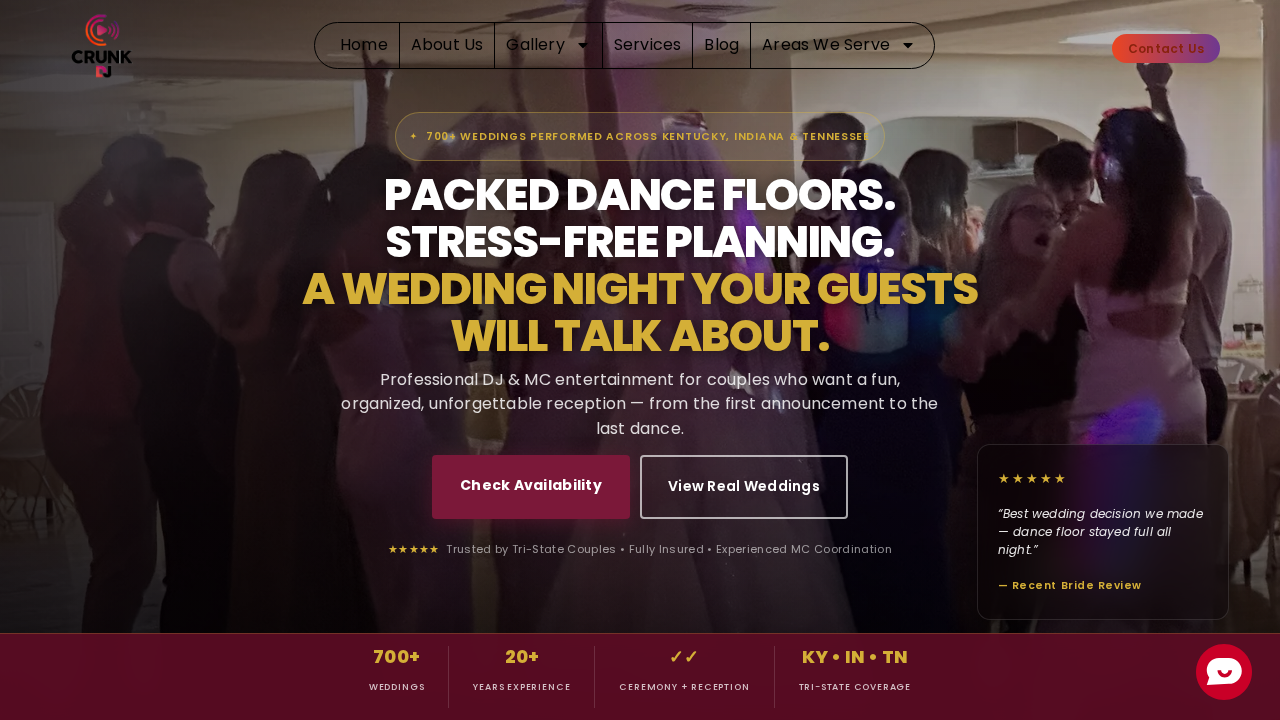
On 06/02/26 crunkdj.com scored 59% — **Fair** – Overall, the site has a solid base for AI visibility, but a few missing identity and content clarity signals are holding it back.
Executive summary
Score Breakdown (High Level)
- Discoverability: 100% - This section looks to be in good shape overall, though we weren't able to find a dedicated sitemap for your images or videos.
- Structured Data: 58% - Overall, the homepage schema is in great shape with clear organization details, but we weren't able to confirm author-level schema since a resource page wasn't provided.
- AI Readiness: 67% - The site is technically ready for AI crawling and provides good brand context, though it lacks a Wikidata entity to fully solidify its identity in the knowledge graph.
- Performance: 33% - The site is snappy once it responds to touch, but the actual visual loading process and page stability are currently landing in the poor range.
- Reputation: 69% - The brand maintains a clean reputation with strong third-party reviews and social signals, though it currently lacks formal identity anchors like a physical address and Wikidata presence.
- LLM-Ready Content: 40% - The site offers clear ownership and up-to-date content signals, but it lacks external links and the structural depth needed for optimal AI information extraction.

What stands out most overall
The big picture is that your site comes through as established and legitimate, but a few important signals are either missing or hard to confirm for AI systems. Most of what’s showing up here is about clarity and verification rather than anything being “wrong.” The breakdown below walks through the specific areas where the evaluation couldn’t find what it needed, plus the content patterns that make your pages harder to summarize cleanly. Nothing here is unusual for a growing brand—once you know where the gaps are, they’re straightforward to address.
Detailed Report
Discoverability
❌ Image or video discovery support not found
What we saw
We didn’t see any dedicated support in place for helping images or videos get discovered as reliably as your main pages.
Why this matters for AI SEO
When media assets are easier to discover and interpret, it increases the odds they’ll show up in AI-driven results and summaries tied to visual examples of your work.
Next step
Add a clear, indexable way for search engines to consistently find and understand your key image/video assets.
Structured Data
❌ Resource/blog page markup couldn’t be verified
What we saw
A resource or blog page wasn’t available in the materials provided, so we couldn’t confirm how that type of page is described for search and AI systems.
Why this matters for AI SEO
If AI engines can’t reliably interpret your article pages, they’re more likely to miss context about what the content is and when it should be referenced.
Next step
Make sure a representative resource/blog page is available to evaluate and clearly described for AI and search engines.
❌ Article author identity couldn’t be confirmed
What we saw
Because a resource/blog post wasn’t provided, we couldn’t identify or verify whether the author is clearly named in a non-generic way.
Why this matters for AI SEO
Clear authorship helps AI systems assess credibility and attribute expertise, especially when pulling answers or summaries from informational content.
Next step
Ensure your resource/blog posts consistently show a specific, non-generic author name.
❌ Author identity links weren’t detected
What we saw
We didn’t detect author identity links that connect the author to trusted external profiles, largely because no author details were available to review.
Why this matters for AI SEO
When an author can be matched to consistent profiles across the web, AI engines have an easier time trusting and correctly attributing content.
Next step
Include consistent external identity links for authors where appropriate so their identity can be validated across sources.
AI Readiness
❌ No Wikidata entity found for the brand
What we saw
We weren’t able to find a Wikidata item that clearly maps to this brand.
Why this matters for AI SEO
When a brand has a consistent public identity anchor, AI systems are more likely to connect mentions, profiles, and reviews to the right entity.
Next step
Establish a verifiable brand entity reference that AI systems can consistently match to your business.
Performance
❌ Main content is slow to fully appear
What we saw
The primary page content took longer than expected to load in a way that feels complete, which can make the experience feel sluggish upfront.
Why this matters for AI SEO
Slower load experiences can reduce engagement and make it harder for visitors (and systems evaluating the site) to view the page as a strong, reliable result.
Next step
Improve how quickly the main above-the-fold content becomes fully visible to users.
❌ Page elements shift around while loading
What we saw
We saw noticeable layout movement during load, where content appears to jump or shift as the page finishes rendering.
Why this matters for AI SEO
A visually unstable page can hurt perceived quality and trust, which can indirectly affect how confidently the site is referenced and recommended.
Next step
Reduce layout shifting so the page remains visually stable as it loads.
Reputation
❌ Verified physical address wasn’t found
What we saw
We didn’t see a clearly verified physical address associated with the brand in the signals reviewed.
Why this matters for AI SEO
A consistent location signal helps AI systems disambiguate your business from similar names and strengthens basic identity confidence.
Next step
Make your brand’s real-world location easy to verify across your primary brand properties.
❌ No Wikidata profile or equivalent identity anchor detected
What we saw
We didn’t find a matching Wikidata entity or other definitive identity anchor that consistently ties the brand together across the web.
Why this matters for AI SEO
Without a strong identity anchor, AI engines can struggle to confidently connect your site, reviews, awards, and profiles into one clear entity.
Next step
Create a consistent, verifiable identity footprint that AI systems can reliably associate with your brand.
❌ Social profile identity isn’t fully confirmed
What we saw
Social links are present, but the identity connection to those profiles wasn’t fully established in a way that removes ambiguity.
Why this matters for AI SEO
When AI can confidently verify which social profiles are official, it strengthens trust and reduces the chance of mix-ups in brand summaries.
Next step
Tighten the consistency of how official social profiles are referenced so they’re easier to confirm.
LLM-Ready Content (Blog Analysis)
Heads up: this section looks at one article as a snapshot, so it’s a little more interpretive than the rest of the report and may shift slightly from run to run. Have questions? Just shoot us an email at hello@v9digital.com
❌ No non-social outbound links
What we saw
We didn’t detect any outbound links to external, non-social sites in the visible content.
Why this matters for AI SEO
External references can help AI systems understand what you’re grounding your claims in and how the topic connects to the broader ecosystem.
Next step
Add a relevant, non-social external reference where it naturally supports the content.
❌ Sections aren’t developed enough for easy extraction
What we saw
The page is broken up into sections, but the sections are short enough that they don’t provide much self-contained detail.
Why this matters for AI SEO
AI systems tend to reuse content more confidently when each section includes enough context to stand on its own.
Next step
Expand key sections so each one contains enough complete detail to be understood independently.
❌ No table for quick scanning
What we saw
We didn’t find any table-based formatting that summarizes or compares key points.
Why this matters for AI SEO
Quick-scan summaries can make it easier for AI systems (and readers) to capture the main takeaways accurately.
Next step
Add a simple summary table where it genuinely helps readers compare options or recap key points.
❌ Subheadings don’t clearly match their sections
What we saw
Several subheadings didn’t strongly overlap with the wording and themes used in the section text that followed.
Why this matters for AI SEO
When headings and section text align closely, AI systems can more reliably label, summarize, and quote the right part of the page.
Next step
Make subheadings more descriptive so they clearly reflect what the section actually covers.
❌ Key answers don’t show up early in sections
What we saw
The first paragraphs under sections were too thin to surface a clear answer or takeaway early.
Why this matters for AI SEO
AI engines often prioritize early, self-contained answers when extracting content for summaries and direct responses.
Next step
Lead each section with a clear, complete opening paragraph that states the main point upfront.
Does Anything Seem Off?
Thanks for taking our free GEO Grader for a spin. When we started this journey, the tool had a fairly long processing time to check everything we wanted both onsite and offsite, so we made a few adjustments on the backend to speed things up. As a result, there are times when the grader may not get everything 100% right. If something feels off, we recommend running the tool a second time to confirm the results. From there, you’re always welcome to reach out to us to schedule a GEO consultation, or to have your SEO provider validate the findings with a more detailed crawl and manual review.
