
Overview:
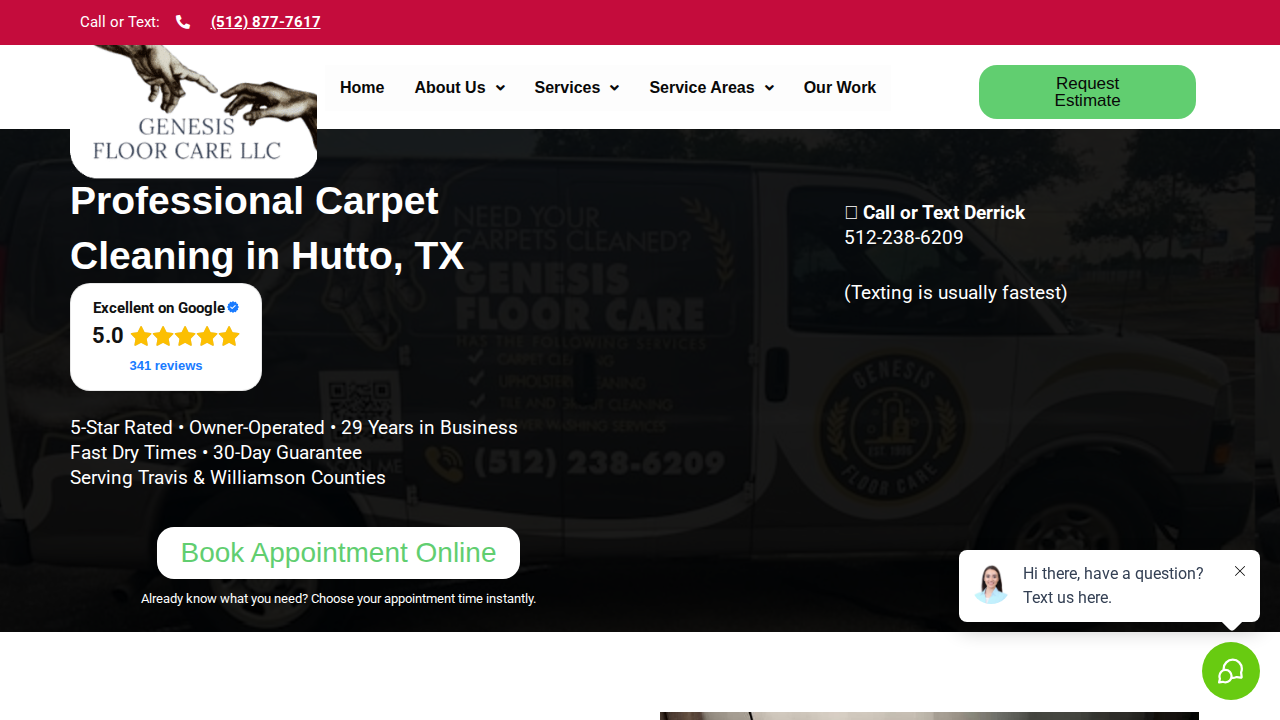
On 06/25/26 Genesisfloorcare.com scored 63% — **Decent** – Overall, the site feels solid and credible, but a few consistency and clarity gaps are likely holding back stronger AI visibility.
Executive summary
Score Breakdown (High Level)
- Discoverability: 100% - Overall, the site is in great shape for discovery, with the only real missing piece being dedicated sitemaps for images and video.
- Structured Data: 58% - The homepage features solid organization-level structured data, but the absence of a resource page prevented us from verifying any author-specific markup or blog schema.
- AI Readiness: 67% - The site has a solid technical foundation for AI discovery, though it lacks a formal Wikidata presence to anchor its brand identity.
- Performance: 39% - The site's responsiveness and visual stability are in good shape, but the initial load speed is a major bottleneck that currently flags as poor performance.
- Reputation: 58% - The brand has a solid baseline of trust and recognition, though conflicting location data and a lack of direct social links on the homepage are the main gaps.
- LLM-Ready Content: 68% - The content is clearly authored and recently updated with descriptive headings, though the brevity of its sections and lack of structured data tables limit its overall GEO potential.

The main takeaway at a glance
The big picture is that the site has a solid base for being found and understood, but a few credibility and clarity signals aren’t as consistent as they could be. Most of what’s missing isn’t “wrong,” it’s just the kind of detail that helps AI systems feel confident about identity and pull the right takeaways quickly. The breakdown below walks through the specific areas where the evaluation came up short, section by section. Once you see them laid out, it should feel pretty straightforward to prioritize what matters most.
Detailed Report
Discoverability
❌ Missing image/video sitemap support
What we saw
We didn’t find a dedicated image sitemap or video sitemap in the site’s configuration data. That means rich media content isn’t being explicitly surfaced in the same structured way as standard pages.
Why this matters for AI SEO
AI-driven search experiences often rely on clean, complete discovery signals to understand what content exists across a site. When media isn’t as clearly discoverable, it can be harder for engines to confidently pull it into results.
Next step
Add and publish a dedicated image and/or video sitemap (as applicable) so media content is easier to discover.
Structured Data
❌ Resource/blog structured data couldn’t be evaluated
What we saw
A resource or blog page wasn’t provided (the file referenced was missing or empty), so we couldn’t confirm whether that content includes structured information. As a result, this part of the site couldn’t be assessed the same way as the homepage.
Why this matters for AI SEO
When AI systems read educational or editorial content, they look for clear, consistent cues about what the page is and how it should be trusted. If those cues aren’t present—or can’t be verified—it’s harder for AI to confidently reuse or cite that content.
Next step
Provide a live resource/blog URL for evaluation and ensure it includes structured information that describes the page and its author.
❌ Author attribution on resource/blog content wasn’t verifiable
What we saw
Because the resource/blog page wasn’t available, no author could be identified for that content. That leaves author attribution unclear for any content meant to inform or guide users.
Why this matters for AI SEO
Author clarity helps AI systems understand who is speaking and whether the content is coming from a real, accountable source. Without that, trust signals around expertise and credibility are weaker.
Next step
Make sure resource/blog content includes a clearly named author that can be consistently identified.
❌ Author “sameAs” identity links couldn’t be confirmed
What we saw
We couldn’t verify any author identity links (like consistent profile references) because the resource/blog page wasn’t provided. That means we can’t confirm whether author identity is anchored across the web.
Why this matters for AI SEO
AI engines tend to trust creators more when they can connect the author to consistent external identities. When those connections aren’t available, it’s harder to build strong confidence in the source.
Next step
Ensure the author information on resource/blog content includes consistent identity references that point to the same person.
AI Readiness
❌ No Wikidata entity detected for the brand
What we saw
No Wikidata item ID was detected for the brand in the data provided. That makes it harder to tie the business to a single, recognized entity.
Why this matters for AI SEO
AI systems often use known entity references to reduce ambiguity and confirm they’re talking about the right organization. Without a clear entity match, brand-level understanding can be less certain.
Next step
Create and/or claim a Wikidata entry for the brand so AI systems have a consistent entity reference.
Performance
❌ Slow primary load experience on the homepage
What we saw
The homepage’s main content took a long time to fully load based on the evaluation. This creates a noticeable delay before the page feels usable.
Why this matters for AI SEO
When pages are slow to load, both users and crawlers can have a harder time accessing content quickly and reliably. That can reduce how effectively the page is processed and surfaced.
Next step
Improve the homepage load experience so core content becomes available much sooner.
❌ Overall performance quality didn’t meet baseline expectations
What we saw
The site’s overall performance result for the homepage fell below the expected baseline in this run. In plain terms, the page is carrying enough load friction that it drags down the experience.
Why this matters for AI SEO
AI-driven discovery still depends on content being accessible and easy to retrieve. When performance is shaky, it can limit consistent crawling, summarization, and reuse.
Next step
Raise overall homepage performance so the page is easier to access and process consistently.
Reputation
❌ Conflicting business identity details across sources
What we saw
Different sources reported conflicting physical addresses (Ohio vs. Florida). This creates a mixed signal around the business’s real-world footprint.
Why this matters for AI SEO
AI systems lean heavily on consistency when confirming a brand’s identity. Conflicting details introduce doubt and can make it harder for engines to confidently validate and describe the business.
Next step
Align the business’s address information across key third-party sources so it’s consistent everywhere.
❌ No Wikidata entity found (offsite confirmation)
What we saw
No Wikidata entry was identified for the brand. That leaves a gap in widely recognized third-party entity confirmation.
Why this matters for AI SEO
Offsite entity references help AI systems cross-check who a brand is and reduce confusion with similarly named businesses. Without that, authority signals can be less definitive.
Next step
Establish a Wikidata entry for the brand so offsite identity confirmation is stronger.
❌ Missing Wikidata identity anchors
What we saw
Because no Wikidata entity was found, there were no associated identity anchors available to confirm the brand from that source. This removes one of the cleaner “single-source-of-truth” references AI systems often use.
Why this matters for AI SEO
Identity anchors help AI systems connect mentions and profiles back to one organization. When those anchors are missing, brand understanding can be more fragmented.
Next step
Once a Wikidata entity exists, make sure it includes clear identity anchors that match the brand.
❌ No direct social profile links found on the homepage
What we saw
We didn’t find direct links from the homepage to major social platforms in the HTML. That makes it harder to confirm official social profiles directly from the site.
Why this matters for AI SEO
Official social profiles act like supporting identity proof points. When they’re not clearly connected, AI systems have fewer reliable ways to verify “these accounts belong to this brand.”
Next step
Add clear, direct homepage links to the brand’s official social profiles.
❌ No independent press coverage identified
What we saw
We didn’t see any independent press mentions associated with the brand in the provided results. That leaves a gap in third-party validation beyond reviews.
Why this matters for AI SEO
Independent coverage can help AI systems understand that a brand is recognized outside its own properties. Without it, authority signals may rely more heavily on a smaller set of sources.
Next step
Build a trackable footprint of independent mentions so third-party validation is easier to confirm.
❌ No owned press mentions or press releases identified
What we saw
We didn’t find any owned press content (like press releases or a press page) tied to the brand. That reduces the amount of “official narrative” content available off the main service pages.
Why this matters for AI SEO
Owned press content can give AI systems clearer context about milestones, credibility, and brand story in a format that’s easy to reference. Without it, that context can be thinner.
Next step
Create a consistent place for owned press updates so brand context is easier to find and reuse.
LLM-Ready Content (Blog Analysis)
Heads up: this section looks at one article as a snapshot, so it’s a little more interpretive than the rest of the report and may shift slightly from run to run. Have questions? Just shoot us an email at hello@v9digital.com
❌ Content sections were too brief for clean reuse
What we saw
The content was broken into sections, but the sections themselves were quite short on average. That makes each chunk feel a bit thin when read on its own.
Why this matters for AI SEO
AI systems tend to work better when each section stands alone with enough context to be summarized or quoted accurately. When sections are too short, the meaning can be harder to carry forward.
Next step
Expand individual sections so each one can stand on its own with clearer, fuller context.
❌ Key answers didn’t show up early in most sections
What we saw
Most sections didn’t lead with a substantial opening paragraph that quickly explains the main point. The result is that readers (and AI) have to work a bit to find the “so what” in each section.
Why this matters for AI SEO
AI summarization works best when the core answer is stated near the top of a section. If the main takeaway comes later, the model may miss or underweight it.
Next step
Front-load each section with a clear opening that states the key takeaway immediately.
❌ No table detected for quick scanning
What we saw
No HTML table was detected in the visible content. That removes a simple way to present structured, easy-to-scan information.
Why this matters for AI SEO
Tables make it easier for AI systems to extract specific details (like comparisons or grouped info) without guessing. Without that structure, important specifics can be less machine-friendly.
Next step
Add a simple table where it naturally fits to make key information easier to scan and extract.
Does Anything Seem Off?
Thanks for taking our free GEO Grader for a spin. When we started this journey, the tool had a fairly long processing time to check everything we wanted both onsite and offsite, so we made a few adjustments on the backend to speed things up. As a result, there are times when the grader may not get everything 100% right. If something feels off, we recommend running the tool a second time to confirm the results. From there, you’re always welcome to reach out to us to schedule a GEO consultation, or to have your SEO provider validate the findings with a more detailed crawl and manual review.
