
Overview:
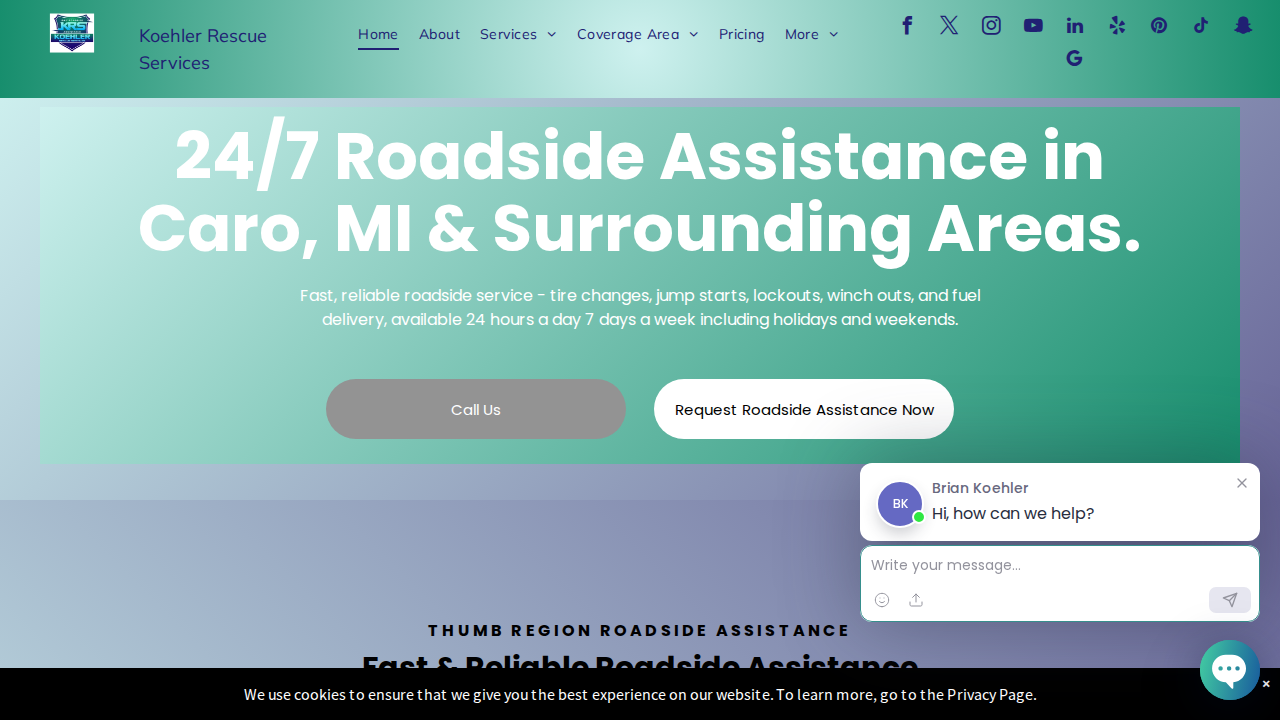
On 04/10/26 koehlerrescue.com scored 71% — **Good** – Overall, the site shows a strong baseline for AI visibility, with a few clear gaps around brand clarity and content structure holding things back.
Executive summary
Score Breakdown (High Level)
- Discoverability: 100% - Everything looks great for search engine discovery, though adding an image or video sitemap would be a smart next step to help your visual content show up in search results.
- Structured Data: 92% - The structured data implementation is very strong across the site, with the only missing piece being external profile links within the author-specific markup.
- AI Readiness: 50% - The site has a solid foundation with clear brand links and open crawler access, though the sitemap lacks freshness data and there is no linked Wikidata entity.
- Performance: 89% - The homepage shows solid performance across all core metrics, but the blog section is currently held back by a very slow loading time for its main content.
- Reputation: 81% - The brand has a solid offsite footprint through social media and reviews, but some major inconsistencies in business name and location data across different sources are keeping this section from its full potential.
- LLM-Ready Content: 40% - The blog feed provides good authorship and date signals, but the lack of <h2> subheadings and outbound citations makes the content difficult for AI to parse and validate.

Where things stand overall
The big picture is that your core presence is already pretty solid, but a few missing trust and clarity signals are making it harder for AI systems to confidently connect the dots. Most of what’s coming up isn’t “wrong,” it’s just information that isn’t as easy to verify or reuse as it could be. In the next section, we’ll walk through the specific areas where those gaps showed up across identity signals, content structure, and a couple of technical readiness checks. The good news is these are all understandable issues to see at this stage, and they’re the kind of items that tend to respond well once they’re made clearer.
Detailed Report
Discoverability
❌ Image or video sitemap not found
What we saw
We didn’t see a dedicated sitemap that calls out image or video content. That means your media assets may not be getting the same level of visibility as your standard pages.
Why this matters for AI SEO
Generative engines often rely on strong discovery signals to find and interpret all the content types a brand publishes. When media is harder to discover, it’s less likely to be understood and referenced accurately.
Next step
Create and publish a dedicated sitemap for your key media assets so they’re easier to discover and attribute.
Structured Data
❌ Author profiles not connected to external identities
What we saw
The blog post shows a real author, but we didn’t find author-specific structured data that links that person to external social or professional profiles.
Why this matters for AI SEO
AI systems look for consistent, verifiable identity signals when deciding how much to trust content and who to attribute it to. Without clear external identity connections, that “who wrote this” signal can land softer than it should.
Next step
Add author-level structured data that links the author to their relevant external profiles.
AI Readiness
❌ Content freshness signals missing from the sitemap
What we saw
The sitemap is present, but it doesn’t include timestamps indicating when each page was last updated.
Why this matters for AI SEO
When AI crawlers can’t easily tell what’s been updated recently, they have a harder time prioritizing the most current information. That can affect how confidently your pages get pulled into answers.
Next step
Update the sitemap output to include last-updated timestamps for listed URLs.
❌ No Wikidata entity found for the brand
What we saw
We didn’t find a Wikidata entity connected to the brand.
Why this matters for AI SEO
Wikidata often functions as a trusted reference point that helps AI systems confirm “who this is” across the broader web. Without it, brand identity can be harder to lock in consistently.
Next step
Establish a Wikidata entity for the brand and ensure it reflects the official business details.
Performance
❌ Blog/resource page loads too slowly for the main content
What we saw
On the resource/blog page, the main content took a long time to fully appear (over 11 seconds for the largest on-page element). This is notably slower than what most users (and crawlers) expect.
Why this matters for AI SEO
When key content takes too long to render, it can reduce how reliably that page is processed and understood. It also increases the chance that the page is treated as a weaker source compared to faster alternatives.
Next step
Reduce the time it takes for the resource page’s main content to fully load so the primary information is available sooner.
Reputation
❌ Conflicting brand name and address information offsite
What we saw
Different third-party sources show conflicting versions of the business name and physical address, including references to different states.
Why this matters for AI SEO
Generative engines lean heavily on consistent third-party identity signals to verify a business. When the basic details don’t line up, it can reduce trust and make it harder for AI to present accurate information.
Next step
Standardize the brand’s official name and address across major third-party sources so the web tells a single consistent story.
❌ No matching Wikidata entry for the brand
What we saw
We didn’t find a Wikidata entry that matches the brand.
Why this matters for AI SEO
Without a recognized knowledge-base entity, AI systems have fewer high-confidence references to confirm business details. That tends to make identity and attribution less stable.
Next step
Create or claim a Wikidata entry that matches the brand and reflects the correct business information.
❌ Missing verified “identity anchors” tied to a knowledge base
What we saw
Because there’s no Wikidata entity in place, we couldn’t confirm any official identifiers that consistently anchor the brand back to a single source of truth.
Why this matters for AI SEO
Identity anchors help generative engines reconcile conflicting data and present consistent business facts. Without them, even strong reviews and social proof can be undermined by basic ambiguity.
Next step
Establish a single authoritative identity reference for the brand and connect it clearly to the official website.
LLM-Ready Content (Blog Analysis)
Heads up: this section looks at one article as a snapshot, so it’s a little more interpretive than the rest of the report and may shift slightly from run to run. Have questions? Just shoot us an email at hello@v9digital.com
❌ No third-party references or citations in the content
What we saw
We didn’t find any outbound links to non-social third-party sources within the article content. External links appear limited to social profiles or local map destinations.
Why this matters for AI SEO
When content includes credible references, it’s easier for AI systems to verify claims and connect the topic to the broader web. Without that support, the page can read as more isolated and harder to validate.
Next step
Add a small number of relevant third-party references that back up key points in the article.
❌ Content isn’t broken into enough clear sections
What we saw
The article only includes one main section heading, which makes the page feel “flat” from a structure standpoint. That makes it harder to quickly scan or understand the topic flow.
Why this matters for AI SEO
LLMs tend to perform best when content is organized into clean, topic-based chunks they can interpret and reuse. If the structure is too minimal, key information can be harder to extract accurately.
Next step
Restructure the article into multiple clearly labeled sections so each subtopic is easy to identify.
❌ No table-based formatting to summarize key info
What we saw
We didn’t see any table included on the page.
Why this matters for AI SEO
Tables can make key details easier for AI systems to parse, compare, and cite—especially for lists, steps, pricing ranges, or quick reference info. Without them, important facts may be more buried in paragraphs.
Next step
Add a simple table where it naturally helps summarize or compare key takeaways.
❌ Subheadings aren’t descriptive enough to guide the reader
What we saw
Because the article doesn’t have multiple section headings, there isn’t enough subheading coverage to clearly signal what each part of the content is about.
Why this matters for AI SEO
Descriptive subheadings help AI quickly identify which section answers which question. When those labels aren’t there, the page is harder to interpret and quote accurately.
Next step
Introduce descriptive subheadings that make each section’s purpose obvious at a glance.
❌ Key answers don’t surface early in a scannable way
What we saw
We couldn’t confirm that key answers appear early in the article because the page doesn’t have enough section structure to evaluate where the main takeaways show up.
Why this matters for AI SEO
Generative engines often prioritize pages that make primary answers easy to find and extract quickly. If the “main point” is harder to locate, the content is less likely to be used for direct answers.
Next step
Make sure the primary takeaways are clearly stated near the top in a way that’s easy to scan.
Does Anything Seem Off?
Thanks for taking our free GEO Grader for a spin. When we started this journey, the tool had a fairly long processing time to check everything we wanted both onsite and offsite, so we made a few adjustments on the backend to speed things up. As a result, there are times when the grader may not get everything 100% right. If something feels off, we recommend running the tool a second time to confirm the results. From there, you’re always welcome to reach out to us to schedule a GEO consultation, or to have your SEO provider validate the findings with a more detailed crawl and manual review.
