
Overview:
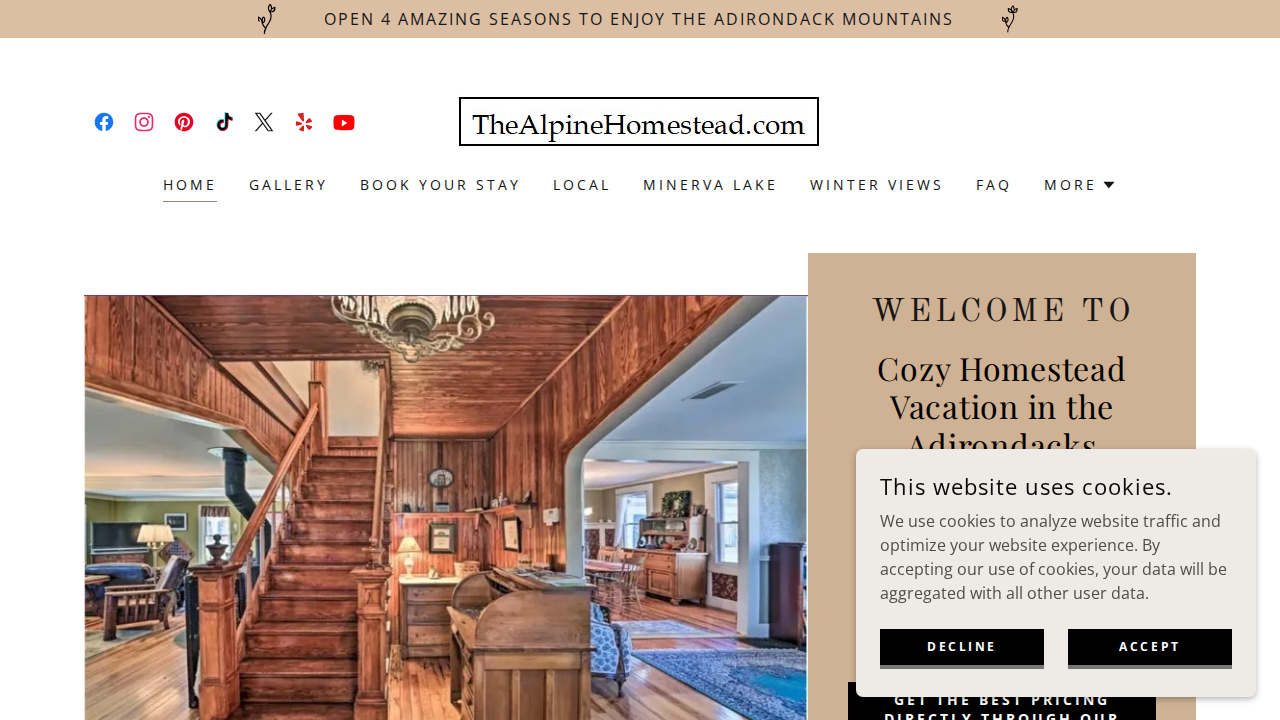
On 04/24/26 thealpinehomestead.com/ scored 44% — **Below Average** – Overall, the site is easy to find, but a few gaps around clarity and trust are holding back stronger AI visibility.
Executive summary
Score Breakdown (High Level)
- Discoverability: 100% - The site is technically accessible and well-indexed, though it lacks specialized sitemaps for its image and video content.
- Structured Data: 58% - The homepage has a solid foundation with LocalBusiness and FAQ schema, but the lack of a resource page means the site is missing out on important authorship and article-level markup.
- AI Readiness: 50% - Overall, this section looks mostly solid with open access for AI crawlers and clear brand context links, though we saw some gaps in sitemap metadata and knowledge graph connections.
- Performance: 17% - Mobile performance is currently a major bottleneck due to slow loading speeds and responsiveness issues, though the page layout itself is perfectly stable.
- Reputation: 42% - The site has a solid social presence and is well-recognized by AI, but it’s missing critical identity anchors like a confirmed address and has a lingering credibility flag that needs attention.
- LLM-Ready Content: 28% - The page provides good external context through outbound links but lacks critical trust signals like specific authorship and explicit content update dates.

The big picture on visibility
What stands out most is that the site is fundamentally findable, but it’s not consistently sending the strongest signals around trust, clarity, and overall page experience. None of these read like “something is wrong,” but they do make it harder for AI systems to confidently understand the brand and reuse its content in answers. The next section breaks down the specific areas where the evaluation couldn’t find the signals it was looking for, grouped by category. Once you see the pattern, the path to a cleaner, more consistent presence in generative results tends to feel pretty manageable.
Detailed Report
Discoverability
❌ No image or video sitemap found
What we saw
We didn’t see any dedicated image or video discovery files referenced in the site data. For a brand that likely relies on visuals, that’s a meaningful visibility gap.
Why this matters for AI SEO
Generative engines learn faster when they can reliably find and understand key media assets tied to your pages. Missing this can reduce how often your visuals show up as supporting evidence in AI answers.
Next step
Add a dedicated media discovery file for your key visual assets and make sure it’s referenced alongside your standard site discovery file.
Structured Data
❌ Blog/resource structured data wasn’t found
What we saw
We didn’t receive (or couldn’t detect) a usable blog/resource page in the provided data, so we couldn’t find structured data on that type of page.
Why this matters for AI SEO
When AI systems summarize or cite your informational content, they rely on clear page-level context to understand what the page is and how it should be interpreted. If that context isn’t present, your content can be harder to classify and reuse.
Next step
Make sure your blog/resource templates include clear structured data that matches the page type.
❌ No clear individual author detected on the blog/resource content
What we saw
Because the blog/resource page content wasn’t available in the data packet, we couldn’t confirm a specific, non-generic author for that content.
Why this matters for AI SEO
AI engines tend to trust content more when it’s clearly tied to a real person with accountable expertise. If authorship is unclear, it can dampen confidence in the content.
Next step
Ensure each resource post clearly names an individual author in a consistent, visible way.
❌ Author profile wasn’t connected to external identity links
What we saw
We couldn’t confirm that the author information for resource content included external identity references (like public profile links), because the resource page wasn’t present in the data.
Why this matters for AI SEO
External identity references help models disambiguate who the author is and reduce the chances of misattribution. Without them, your expertise signals are harder to validate.
Next step
Add consistent, verifiable identity links to author profiles wherever author information is shown.
AI Readiness
❌ Page update timestamps weren’t present in the sitemap
What we saw
The site’s main discovery file was present, but it didn’t include page-level “last updated” information.
Why this matters for AI SEO
Generative engines are increasingly freshness-aware, especially for travel and local info. If they can’t easily tell what’s current, they may lean toward other sources that look more clearly maintained.
Next step
Include reliable page update timestamps so crawlers can recognize what has changed and when.
❌ No Wikidata entity was identified for the brand
What we saw
We didn’t find a linked Wikidata entity that clearly represents the brand.
Why this matters for AI SEO
Wikidata acts like a shared reference point for identity across many AI systems. When it’s missing, it can be harder for models to confirm facts and keep brand details consistent.
Next step
Establish a clear, consistent brand entity reference that AI systems can use to confirm identity.
Performance
❌ Homepage responsiveness lagged
What we saw
The homepage showed signs of delayed responsiveness, where interactions can feel sluggish while the page is still getting itself ready.
Why this matters for AI SEO
When pages feel slow to use, fewer users stick around, and engines are less likely to view the experience as a strong result to recommend. That can indirectly reduce how often the brand gets pulled into AI-driven answers.
Next step
Reduce the sources of interaction delay on the homepage so it becomes responsive sooner.
❌ Main homepage content took too long to appear
What we saw
The primary “above the fold” content on the homepage was slow to fully show up during loading.
Why this matters for AI SEO
Slow-loading primary content can weaken overall visibility because engines prefer pages that deliver key information quickly and reliably. It also raises the odds that both users and crawlers get an incomplete first impression.
Next step
Improve how quickly the main homepage content renders so the core message appears earlier.
❌ Overall homepage performance was flagged as poor
What we saw
The homepage’s overall performance result came back as notably weak, even though layout stability looked fine.
Why this matters for AI SEO
When a page’s overall experience is consistently rough, it becomes a less dependable “source page” for engines to surface and reuse. That can limit how often your pages are selected for summaries or recommendations.
Next step
Bring the homepage’s overall performance experience into a healthier range so it’s more competitive as a reference page.
Reputation
❌ A negative client credibility flag was surfaced
What we saw
We saw a negative credibility flag referenced in the data reviewed (including a mention tied to ScamAdviser complaints).
Why this matters for AI SEO
Generative engines are cautious about recommending brands when negative trust cues appear in prominent third-party sources. Even one strong negative signal can create hesitation in summaries and recommendations.
Next step
Audit the specific third-party source(s) surfacing the credibility concern and confirm what’s being said about the brand.
❌ Brand identity wasn’t fully confirmed (missing physical address)
What we saw
The brand name and domain appeared consistent, but a confirmed physical address wasn’t identified in the consensus.
Why this matters for AI SEO
Identity confirmation is a big part of how models decide what to trust. When key identity details are unclear or missing, engines have less confidence that they’re describing the right entity.
Next step
Make sure the brand’s identity details are consistently discoverable and align across the places models commonly reference.
❌ No matching Wikidata entity was found
What we saw
We didn’t see a confirmed Wikidata entity that matches the brand.
Why this matters for AI SEO
Wikidata can function as a neutral “source of truth” for entity identity. Without it, it’s harder for AI systems to confidently connect brand mentions, attributes, and references across the web.
Next step
Create and/or confirm a single, consistent entity reference for the brand that can be recognized across major knowledge sources.
❌ No official identity anchors were found in Wikidata
What we saw
Even where Wikidata was evaluated, we didn’t see official identity anchors (like an official website reference or other identifiers) connected to the brand.
Why this matters for AI SEO
Identity anchors help models verify that a brand entity is legitimate and correctly linked to its real-world presence. Missing anchors can lead to weaker confidence or confusion with similarly named entities.
Next step
Ensure the brand’s core identity references exist in the primary public knowledge sources engines use for verification.
❌ Third-party reviews weren’t confirmed
What we saw
The majority consensus did not confirm the presence of third-party customer reviews offsite.
Why this matters for AI SEO
Reviews are one of the most common trust shortcuts AI systems lean on when making recommendations. If that evidence isn’t clearly present, engines have less support for suggesting the brand.
Next step
Build a clearer footprint of real customer feedback on recognizable third-party platforms.
❌ Review sources weren’t concrete
What we saw
No specific, concrete review sources were identified in the consensus.
Why this matters for AI SEO
Even if customers are happy, AI systems still need recognizable sources to cite or lean on. Without clear sources, trust signals don’t travel as well into AI summaries.
Next step
Make sure review signals are tied to specific, well-known sources that models can recognize.
❌ Independent offsite press or coverage wasn’t found
What we saw
The majority of models didn’t identify independent coverage or press mentions.
Why this matters for AI SEO
Independent references help confirm legitimacy and give models external evidence to support brand claims. Without them, AI answers can be more cautious or generic.
Next step
Strengthen the brand’s footprint in places where independent publications or partners mention and describe the business.
❌ Owned press or media presence wasn’t identified
What we saw
The majority consensus did not identify an onsite press or media area.
Why this matters for AI SEO
Owned media helps models quickly understand the brand story, notable updates, and credibility cues in one place. If it’s missing, there’s less structured narrative for AI systems to pull from.
Next step
Create a clear owned media footprint that communicates brand credibility and key updates in a consistent way.
LLM-Ready Content
❌ Author was generic instead of a specific person
What we saw
The content identified the author as the domain name ("TheAlpineHomestead.com") rather than a specific individual.
Why this matters for AI SEO
When authorship is tied to a real person, AI systems have an easier time evaluating credibility and expertise. Generic authorship makes the content feel less attributable.
Next step
Update the resource content to clearly attribute it to a specific individual.
❌ No clear “last updated” signal on the content
What we saw
We didn’t find an explicit update or modification date on the content itself, beyond a general site copyright year.
Why this matters for AI SEO
For travel planning topics, recency matters, and engines look for cues that content is being maintained. Without a clear update signal, the information can be treated as less reliable or current.
Next step
Add a clear update timestamp on the article/page where users and crawlers can easily see it.
❌ Sections were too short to be clearly self-contained
What we saw
The content was broken into many sections, but the sections were generally brief, making them less useful as standalone chunks.
Why this matters for AI SEO
AI systems reuse content more effectively when each section can “stand on its own” with enough context. Overly short sections can reduce how much a model can confidently quote or summarize.
Next step
Reshape the content so each section carries enough context to be useful on its own.
❌ No table was present for quick scanning
What we saw
We didn’t find an HTML table on the evaluated content.
Why this matters for AI SEO
Tables can make key details easier for machines (and humans) to extract and compare. Without them, important specifics may be harder to capture cleanly.
Next step
Where it makes sense, include at least one table that summarizes key details in a structured way.
❌ Subheadings weren’t consistently descriptive
What we saw
A meaningful share of the subheadings didn’t clearly reflect the content beneath them, so the structure reads as a bit vague.
Why this matters for AI SEO
Clear subheadings help models map topics and find the best section to pull into an answer. When headings are generic, the content becomes harder to index and reuse accurately.
Next step
Rewrite subheadings so they plainly describe the key point of each section.
❌ Key answers didn’t appear early in most sections
What we saw
Most sections didn’t start by directly stating the main takeaway, which makes the content slower to interpret.
Why this matters for AI SEO
Generative engines tend to favor content that gets to the point quickly, especially when assembling direct answers. If the key point is buried, the content is less likely to be chosen.
Next step
Adjust section openings so the main answer or takeaway appears right away.
❌ Multiple acronyms were used without explanation
What we saw
The content included several acronyms without clear definitions (NYC, NYRA, MASS MoCA, TJC).
Why this matters for AI SEO
Unexplained acronyms can create ambiguity for both readers and models, especially if the acronyms have multiple meanings. That ambiguity can reduce confidence in summaries.
Next step
Spell out acronyms the first time they appear and keep usage consistent throughout the page.
Does Anything Seem Off?
Thanks for taking our free GEO Grader for a spin. When we started this journey, the tool had a fairly long processing time to check everything we wanted both onsite and offsite, so we made a few adjustments on the backend to speed things up. As a result, there are times when the grader may not get everything 100% right. If something feels off, we recommend running the tool a second time to confirm the results. From there, you’re always welcome to reach out to us to schedule a GEO consultation, or to have your SEO provider validate the findings with a more detailed crawl and manual review.
