
Overview:
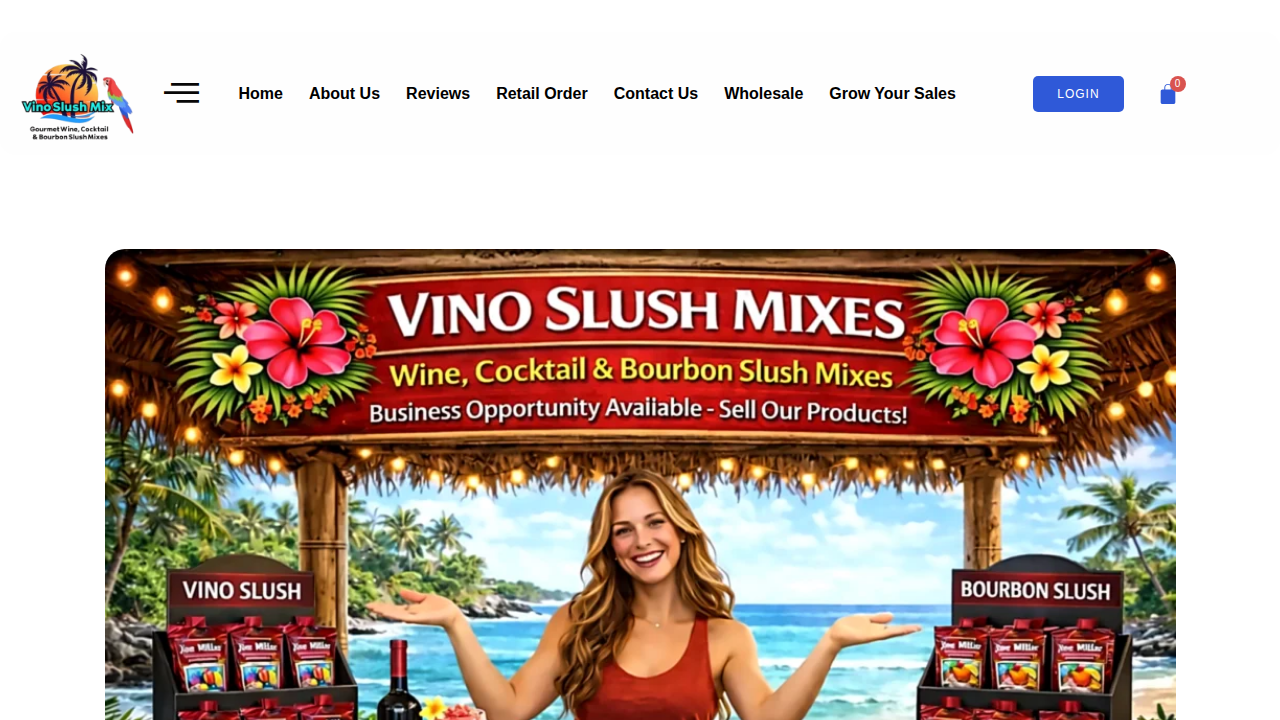
On 06/03/26 vinoslushmix.com scored 50% — **Below Average** – Overall, the site shows some solid fundamentals, but a few key visibility and credibility signals are still coming through as thin or inconsistent.
Executive summary
Score Breakdown (High Level)
- Discoverability: 100% - The site is wide open for search engines to crawl and has great metadata, but the lack of an XML sitemap is a missed opportunity for better indexing.
- Structured Data: 58% - The homepage schema is technically sound and covers the organization basics well, but we couldn't confirm author or article details because the resource page data was missing.
- AI Readiness: 33% - The site is open to AI crawlers and provides good brand context through its About page, but we couldn't find a functioning XML sitemap to help engines map out the content.
- Performance: 50% - Mobile performance shows great stability and responsiveness once loaded, but the initial page load speed is a significant bottleneck.
- Reputation: 35% - Overall, this section is struggling because the brand lacks the offsite signals—like press coverage and Wikidata presence—that help generative engines verify authority and trust.
- LLM-Ready Content: 48% - The site features strong authorship and recent updates, but it would benefit from more descriptive subheadings and structured data like tables to help AI better interpret the content.

Where things stand overall
The big picture is that a few core signals that help AI systems confidently understand, verify, and cite the site are either missing or coming through inconsistently. That shows up most in brand reputation/validation, brand identity clarity, and how well a resource page is structured for quick reuse, with some additional friction around discovery support and the homepage’s initial load experience. Below, we’ll walk through the specific areas that didn’t show up as expected, grouped by section, so it’s easy to see what’s holding visibility back. None of this is unusual for a growing brand—it’s simply a set of gaps that make the overall story harder for AI to confirm.
Detailed Report
Discoverability
❌ XML sitemap not found
What we saw
A sitemap wasn’t found at the expected location, so there isn’t a clear “master list” of site URLs available for discovery.
Why this matters for AI SEO
When AI-driven systems can’t easily pull a complete, organized map of your content, it’s harder for them to build a reliable understanding of what exists on the site.
Next step
Publish a valid sitemap at a standard URL and ensure it’s accessible.
❌ No image or video sitemap detected
What we saw
We didn’t detect a dedicated sitemap for media content.
Why this matters for AI SEO
Media can be a big part of how AI systems interpret products and brands, and missing media discovery signals can reduce how consistently those assets get understood and surfaced.
Next step
Add a media-focused sitemap if images or videos are important parts of how people understand your offering.
Structured Data
❌ Resource/blog page structured data couldn’t be verified
What we saw
We weren’t able to evaluate structured data on the resource/blog page because the resource page file provided was missing or empty.
Why this matters for AI SEO
If AI systems can’t confirm the structured details of an article/resource, they have less to anchor on when interpreting what the content is and how it should be attributed.
Next step
Confirm the resource/blog page includes structured data that clearly describes the content.
❌ Author clarity on the resource/blog post couldn’t be verified
What we saw
Because the resource page content wasn’t available in the dataset, we couldn’t confirm whether the post has a clear, non-generic author.
Why this matters for AI SEO
Clear authorship helps AI systems assess credibility and properly attribute expertise, especially when content is reused or summarized.
Next step
Ensure each resource/blog post clearly identifies a specific author.
❌ Author “sameAs” references couldn’t be verified
What we saw
We couldn’t verify whether author profiles include external identity references because the resource page content was missing or empty.
Why this matters for AI SEO
When an author’s identity isn’t easy to corroborate, AI systems have less confidence connecting that person to a consistent, trusted profile.
Next step
Make sure author information includes consistent external identity references where appropriate.
AI Readiness
❌ Sitemap link resolves to a missing page
What we saw
A sitemap URL is referenced, but that link returned a missing page response.
Why this matters for AI SEO
If AI engines follow a sitemap reference and hit a dead end, it slows down their ability to confidently map and prioritize your content.
Next step
Update the sitemap reference so it points to a working sitemap URL.
❌ Sitemap freshness signals couldn’t be confirmed
What we saw
Because the sitemap couldn’t be accessed, we weren’t able to verify whether it includes update/freshness details.
Why this matters for AI SEO
Freshness cues help AI systems understand which pages are current and which ones may be outdated, especially for content that changes over time.
Next step
Ensure your sitemap includes update information that reflects when pages change.
❌ No Wikidata entity found for the brand
What we saw
We didn’t find a Wikidata item ID associated with the brand.
Why this matters for AI SEO
Without a clear entity anchor, AI systems have a harder time confirming brand identity and connecting the brand to consistent facts across the web.
Next step
Create and/or claim a Wikidata entity for the brand so it can serve as a stable identity reference.
Performance
❌ Slow initial content render on the homepage
What we saw
The main piece of content on the homepage took a long time to appear (Largest Contentful Paint was measured at 20.68 seconds).
Why this matters for AI SEO
If the page takes a long time to become usable, it can limit real-world engagement signals and reduce how reliably systems can access the core content experience.
Next step
Reduce time-to-visible content on the homepage so the primary page content appears much sooner.
Reputation
❌ Brand recognition is inconsistent across major AI models
What we saw
The brand wasn’t consistently recognized across multiple models, with only one model identifying it reliably.
Why this matters for AI SEO
If AI systems don’t reliably recognize the brand, it’s harder to earn visibility for brand-led queries and to be treated as a known entity.
Next step
Strengthen the brand’s offsite footprint so the name and site are more consistently recognized.
❌ No consistent consensus on official brand identity details
What we saw
Models didn’t agree on the official business name and physical address.
Why this matters for AI SEO
When identity details are inconsistent, AI systems struggle to verify they’re referencing the right entity, which can reduce trust and suppress confident mentions.
Next step
Align your public-facing identity details so the same core facts show up consistently across the web.
❌ No matching Wikidata entry for the brand
What we saw
We didn’t find a Wikidata entity that matches the brand.
Why this matters for AI SEO
Wikidata often acts like a reference point for entity validation, and missing it makes it harder for AI systems to anchor and confirm identity.
Next step
Establish a Wikidata entry that clearly matches the brand and its key identifiers.
❌ No official identity anchors available via Wikidata
What we saw
Because no Wikidata record exists, there aren’t official identity anchors available there.
Why this matters for AI SEO
Without a central, corroborated reference, AI systems have fewer reliable signals to connect your brand mentions back to one consistent identity.
Next step
Add an official Wikidata record and include the key identity references that confirm the entity.
❌ Offsite reviews couldn’t be confirmed
What we saw
Most models couldn’t confirm the existence of third-party customer reviews for the brand.
Why this matters for AI SEO
Independent customer feedback is a common trust signal, and when it’s missing or hard to verify, it limits credibility in AI summaries.
Next step
Build up a clearer, verifiable footprint of third-party customer feedback on well-known platforms.
❌ Review sources aren’t clearly identifiable
What we saw
No concrete, consistently identified review sources came through across model responses.
Why this matters for AI SEO
If the sources behind “reviews exist” aren’t clear, AI systems are less likely to treat that feedback as a dependable, citable signal.
Next step
Make sure the brand is represented on review sources that can be consistently referenced and verified.
❌ No clear consensus on major social profiles
What we saw
Models didn’t agree on which social profiles are the brand’s primary accounts.
Why this matters for AI SEO
When profile ownership isn’t clear, AI systems have a harder time connecting brand mentions to the right “official” channels.
Next step
Standardize and reinforce which social profiles are official so they’re consistently recognized.
❌ No independent third-party press coverage detected
What we saw
We didn’t see evidence of independent offsite coverage being consistently detected.
Why this matters for AI SEO
Third-party coverage helps establish legitimacy beyond your own site, and its absence can make the brand feel less validated externally.
Next step
Increase the amount of credible, independent coverage that mentions the brand.
❌ Owned press content wasn’t consistently identifiable
What we saw
Models didn’t reach a consensus that owned press or press-release content exists.
Why this matters for AI SEO
When owned announcements aren’t clearly discoverable as such, AI systems have less structured context about milestones, claims, and brand narrative.
Next step
Publish and clearly present owned press/announcement content in a way that’s easy to identify and reference.
LLM-Ready Content (Blog Analysis)
Heads up: this section looks at one article as a snapshot, so it’s a little more interpretive than the rest of the report and may shift slightly from run to run. Have questions? Just shoot us an email at hello@v9digital.com
❌ No non-social outbound sources referenced
What we saw
We didn’t find outbound links to external, non-social sources in the article content.
Why this matters for AI SEO
When content doesn’t cite or connect to outside sources, AI systems have fewer ways to cross-reference claims and context, which can reduce how confidently it’s reused.
Next step
Add relevant external references that support or contextualize key points in the article.
❌ Sections are a bit too short to carry full context
What we saw
The content is divided into sections, but the average section length is on the lean side (around 104 words), which can make each block feel under-explained.
Why this matters for AI SEO
AI systems tend to work better when each section fully explains a subtopic in a self-contained way, so the meaning can be extracted without guessing what’s implied.
Next step
Expand key sections so each one stands on its own with enough explanation to be clearly understood in isolation.
❌ No table-based structure detected
What we saw
No HTML table was detected on the page.
Why this matters for AI SEO
Tables can provide clear, structured comparisons and summaries that AI systems can extract cleanly, especially for specs, options, pricing, or step-by-step breakdowns.
Next step
Add a simple table where a comparison or structured summary would help readers and make key details easier to reuse.
❌ Subheadings are often generic or too short
What we saw
A number of subheadings were either very short (like a product/flavor name) or generic labels (like “Reviews” or “Frequently Asked Questions”), instead of clearly describing what the section answers.
Why this matters for AI SEO
Descriptive subheadings act like signposts for AI systems, helping them quickly identify which section contains which answers and how to frame them.
Next step
Rewrite subheadings so they describe the specific takeaway or question each section covers.
Does Anything Seem Off?
Thanks for taking our free GEO Grader for a spin. When we started this journey, the tool had a fairly long processing time to check everything we wanted both onsite and offsite, so we made a few adjustments on the backend to speed things up. As a result, there are times when the grader may not get everything 100% right. If something feels off, we recommend running the tool a second time to confirm the results. From there, you’re always welcome to reach out to us to schedule a GEO consultation, or to have your SEO provider validate the findings with a more detailed crawl and manual review.
