
Overview:
On 04/25/26 AcornQuotes.com scored 52% — **Fair** – Overall, the site looks solid on the basics, but a few credibility and content clarity gaps are limiting stronger AI visibility.
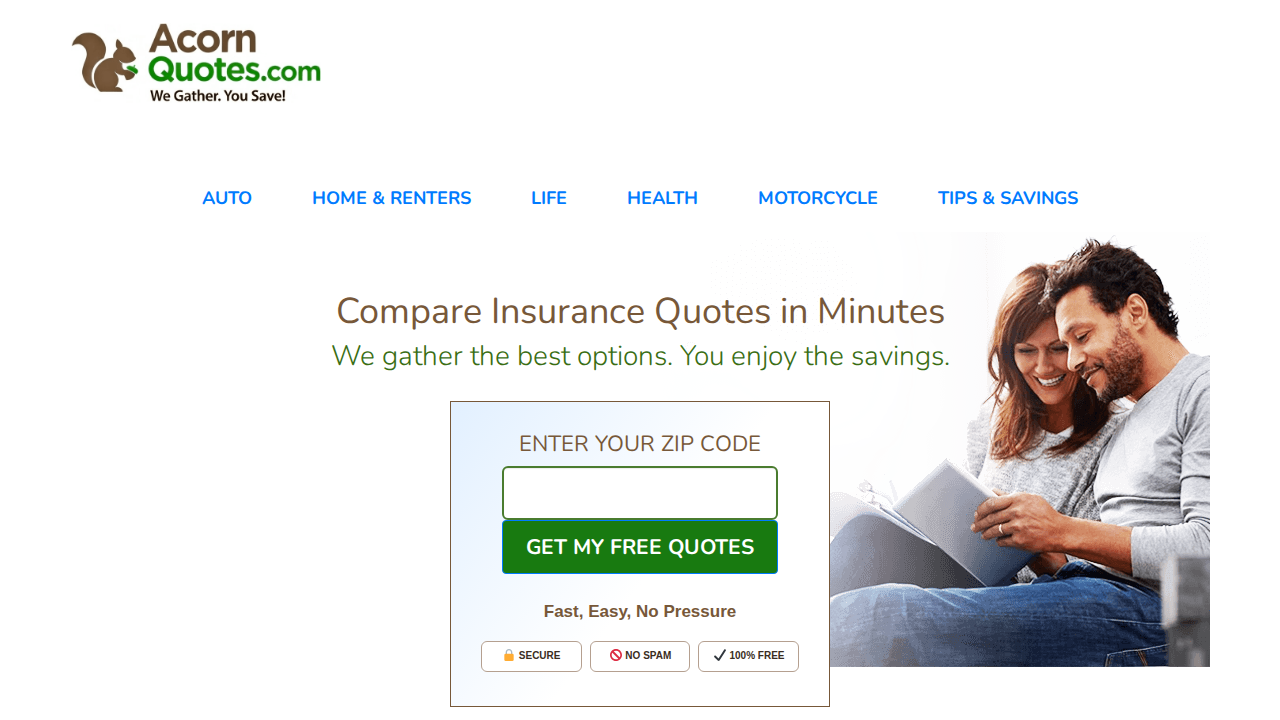
Executive summary
Score Breakdown (High Level)
- Discoverability: 100% - The site is technically very accessible for search engines, though adding an image or video sitemap would help round out its discoverability.
- Structured Data: 58% - The homepage has excellent schema coverage for the organization and its services, but the lack of a resource page prevented us from verifying author credentials or content-specific markup.
- AI Readiness: 67% - The site’s technical foundations like sitemaps and crawler access are solid, though we couldn't find a Wikidata entity to tie the brand identity together for AI engines.
- Performance: 50% - Mobile performance is mostly in good shape, though the main page content takes just a bit too long to fully render.
- Reputation: 12% - Overall, this section is a bit of a bottleneck because we weren't able to confirm many of the standard off-site trust signals like Wikidata entries or consistent brand identity markers.
- LLM-Ready Content: 60% - The content is well-organized with descriptive subheadings and early answers, but it lacks specific author attribution and external links to build higher trust with AI engines.

Where things stand at a glance
The big picture is that your site reads clearly in a lot of the on-site areas, but it’s missing (or we couldn’t confirm) several signals that help AI systems feel confident about the brand and the content behind it. A lot of what’s coming up here isn’t “wrong,” it’s more that key details aren’t consistently present or verifiable in the places AI tends to look. The sections below walk through the specific areas that didn’t come through cleanly—mainly around reputation, identity confirmation, and a handful of content support cues. None of this is unusual, and it’s the kind of gap that’s very common for otherwise well-built sites.
Detailed Report
Discoverability
❌ No image or video sitemap found
What we saw
We didn’t see any dedicated sitemap support for images or videos in the information reviewed. Everything else in this area looked present, but this specific piece wasn’t found.
Why this matters for AI SEO
When generative engines and search systems try to understand a brand, media assets can be a helpful supporting signal. Without clear discovery paths for those assets, they’re less likely to be consistently understood and reused.
Next step
Confirm whether the site has an image and/or video sitemap available and properly referenced where crawlers would expect to find it.
Structured Data
❌ Resource/blog page structured data couldn’t be evaluated
What we saw
The resource/blog page content needed for evaluation wasn’t available (it came through missing or empty). Because of that, we couldn’t confirm whether content pages have the same level of structured detail as the homepage.
Why this matters for AI SEO
AI systems rely on consistent, repeatable patterns across key page types to understand what a site publishes and how to cite it. If content pages aren’t consistently described, they’re easier to misinterpret or skip.
Next step
Re-run or re-check using a valid resource/blog page URL and page content so the content-level structured signals can be verified.
❌ Blog post author wasn’t confirmed as a clear, non-generic person
What we saw
Because the resource/blog page content wasn’t available, we couldn’t verify whether posts show a specific, non-generic author. As a result, author attribution remained unconfirmed in the evaluation.
Why this matters for AI SEO
Clear authorship helps AI engines judge who is speaking and whether the content should be trusted or cited. When authorship is unclear, content can read as less attributable.
Next step
Verify that a real, specific author is clearly associated with blog posts and can be detected consistently.
❌ Author profile links couldn’t be confirmed
What we saw
The evaluation couldn’t confirm whether author profiles include supporting identity links (because the resource/blog page content wasn’t available). This left author identity signals unverified.
Why this matters for AI SEO
When AI systems can connect an author to the broader web, it strengthens confidence in who created the content. Missing or unconfirmed identity connections can make attribution weaker.
Next step
Confirm whether author profiles include clear identity references that can be consistently detected on content pages.
AI Readiness
❌ No Wikidata entity found for the brand
What we saw
We didn’t find a Wikidata item associated with the brand in the data provided. The evaluation flagged the brand entity reference as missing.
Why this matters for AI SEO
Generative engines often use established entity references to disambiguate a brand and connect it to consistent facts. Without that anchor, it can be harder for them to confidently “know” who the brand is.
Next step
Check whether the brand has (or should have) a Wikidata entity and ensure it’s clearly connected to the official brand identity.
Performance
❌ Main homepage content took too long to load
What we saw
The primary content on the homepage took a little over five seconds to fully load in the test results. This was the main performance area that didn’t meet the expected bar.
Why this matters for AI SEO
If key content takes longer to appear, it can reduce how reliably systems and users can access and interpret the page experience. Over time, that can limit consistent discovery and reuse.
Next step
Review what’s delaying the homepage’s main content from appearing promptly and prioritize improvements that reduce that wait.
Reputation
❌ Couldn’t confirm absence of negative client assertions
What we saw
The report data didn’t include the information needed to confirm whether negative client assertions were present or absent. This wasn’t a confirmed issue on the web—just an unverified area based on the packet.
Why this matters for AI SEO
Reputation signals influence how confidently AI systems describe and recommend a brand. When this can’t be confirmed, the trust picture is less complete.
Next step
Validate what prominent client sentiment signals exist for the brand and document them in a way that can be consistently verified.
❌ Couldn’t confirm absence of negative employee assertions
What we saw
We didn’t have the necessary information in the reviewed data to confirm whether negative employee assertions were present or absent. This is an unverified area rather than a confirmed negative.
Why this matters for AI SEO
Employee reputation can affect overall brand trust signals that AI systems pick up when summarizing a company. Unclear signals can make brand descriptions less confident.
Next step
Confirm what employee sentiment signals are publicly associated with the brand and ensure they can be consistently assessed.
❌ Brand recognition across models wasn’t confirmed
What we saw
The data needed to confirm whether the brand is recognized consistently across multiple AI systems wasn’t provided. As a result, recognition couldn’t be verified here.
Why this matters for AI SEO
If recognition is inconsistent, AI answers can vary more from run to run. Confirmed recognition tends to support more stable brand mentions and summaries.
Next step
Collect and validate evidence of how consistently the brand is recognized across common AI experiences.
❌ Consistent brand identity wasn’t confirmed
What we saw
We couldn’t verify consistency for core identity details (like official name and related brand identifiers) because the needed consensus/conflict information wasn’t available in the packet.
Why this matters for AI SEO
When identity details aren’t consistent, AI systems can mix up brands or describe them inconsistently. A consistent identity footprint helps keep brand summaries accurate.
Next step
Verify that core brand identity details are consistent across the key sources AI systems typically reference.
❌ Wikidata match status wasn’t confirmed
What we saw
We didn’t receive the data needed to confirm whether a Wikidata entity exists and matches the brand. This left entity matching unverified in the reputation review.
Why this matters for AI SEO
Entity matching helps AI systems connect a site to a known, stable reference. If the match can’t be confirmed, it’s harder to lock in brand identity.
Next step
Confirm whether a Wikidata entity exists for the brand and whether it correctly maps to the official site.
❌ Official identity anchors weren’t confirmed in Wikidata
What we saw
The packet didn’t include the details needed to confirm whether Wikidata contains official identity anchors (like an official website reference and supporting identifiers). This area couldn’t be validated.
Why this matters for AI SEO
Official anchors help AI engines treat a brand entity as legitimate and unambiguous. Without confirmed anchors, brand identity can be harder to verify.
Next step
Verify whether the brand’s entity references include clear official anchors that tie back to the real-world organization.
❌ Third-party reviews or feedback weren’t confirmed
What we saw
We couldn’t confirm the presence of third-party reviews or customer feedback from the information included in the report packet. This doesn’t mean reviews don’t exist—just that they weren’t verified here.
Why this matters for AI SEO
Independent feedback is a major trust input when AI systems summarize a brand’s credibility. If it can’t be found or confirmed, trust signals can look thinner.
Next step
Confirm what reputable third-party review sources exist for the brand and ensure they’re consistently discoverable.
❌ Concrete review sources weren’t confirmed
What we saw
The data required to confirm specific review sources (and whether they’re clearly attributable) wasn’t available. Review sourcing remained unverified.
Why this matters for AI SEO
AI engines are more likely to trust and reuse reputation claims when they’re tied to concrete sources. Vague or unconfirmed sources reduce confidence.
Next step
Validate which review sources are most relevant and ensure they can be referenced clearly and consistently.
❌ Social profile consensus wasn’t confirmed
What we saw
Even though the homepage links out to major social profiles, we didn’t have the necessary data to confirm whether AI systems consistently agree on the brand’s primary profiles. This consensus signal wasn’t verified.
Why this matters for AI SEO
When the “official” profiles are consistently recognized, it strengthens identity and trust signals around the brand. Unconfirmed consensus can make identity feel less anchored.
Next step
Confirm which social profiles are treated as the primary official accounts and ensure they’re consistently recognized.
❌ Independent press or coverage wasn’t confirmed
What we saw
The packet didn’t include verification of independent, offsite press mentions or coverage for the brand. This signal was not confirmed in the reviewed data.
Why this matters for AI SEO
Independent coverage helps establish legitimacy and notability, which can influence how confidently AI systems talk about a brand. Without it, summaries can be more cautious or sparse.
Next step
Confirm whether credible independent coverage exists and make sure it can be consistently discovered and attributed.
❌ Owned press or press releases weren’t confirmed
What we saw
We couldn’t confirm the presence of owned, onsite press content (like a press page or press releases) from the data reviewed. This area came through as missing/unverified.
Why this matters for AI SEO
Owned press content gives AI systems a reliable “official story” to reference for milestones and announcements. When it’s absent or unclear, brand context can be thinner.
Next step
Confirm whether the site has a clear place for brand announcements and press context that can be referenced consistently.
LLM-Ready Content (Blog Analysis)
Heads up: this section looks at one article as a snapshot, so it’s a little more interpretive than the rest of the report and may shift slightly from run to run. Have questions? Just shoot us an email at hello@v9digital.com
❌ No specific named author found
What we saw
We didn’t find a clear individual author tied to the article; the only attribution present was the organization name. There wasn’t an obvious on-page or structured attribution to a specific person.
Why this matters for AI SEO
AI systems tend to trust and reuse content more confidently when it’s clearly attributable. Without a named author, the content can read as less accountable and less cite-friendly.
Next step
Add clear, consistent author attribution for blog posts so it’s obvious who wrote (or reviewed) the content.
❌ No non-social external outbound links detected
What we saw
The article didn’t include outbound links to external, non-social websites within the body content. Links were limited to internal destinations or social platforms.
Why this matters for AI SEO
External references can help AI systems understand where key claims come from and whether the content is grounded in verifiable sources. Without them, trust can rely more on the site’s own authority signals.
Next step
Include at least one relevant, credible external reference link where it naturally supports the content.
❌ Sections were shorter than the preferred range
What we saw
While the post was split into sections, the average section length came in below the preferred range for easy reuse and extraction. This can make sections feel a bit thin when read out of context.
Why this matters for AI SEO
Generative systems often pull answers section-by-section, not just page-by-page. When sections are too brief, they can lack enough context to stand on their own.
Next step
Rework section structure so key sections carry enough self-contained context to be reusable on their own.
❌ No table-based comparison found
What we saw
We didn’t find any table element used to present comparisons or structured summaries. The information was presented in standard text blocks.
Why this matters for AI SEO
Tables make it easier for AI systems to extract clean comparisons and attribute specific values or differences. Without a structured comparison format, summaries can become more generalized.
Next step
Where comparisons are central to the topic, include a simple table to present the key differences clearly.
Does Anything Seem Off?
Thanks for taking our free GEO Grader for a spin. When we started this journey, the tool had a fairly long processing time to check everything we wanted both onsite and offsite, so we made a few adjustments on the backend to speed things up. As a result, there are times when the grader may not get everything 100% right. If something feels off, we recommend running the tool a second time to confirm the results. From there, you’re always welcome to reach out to us to schedule a GEO consultation, or to have your SEO provider validate the findings with a more detailed crawl and manual review.
