
Overview:
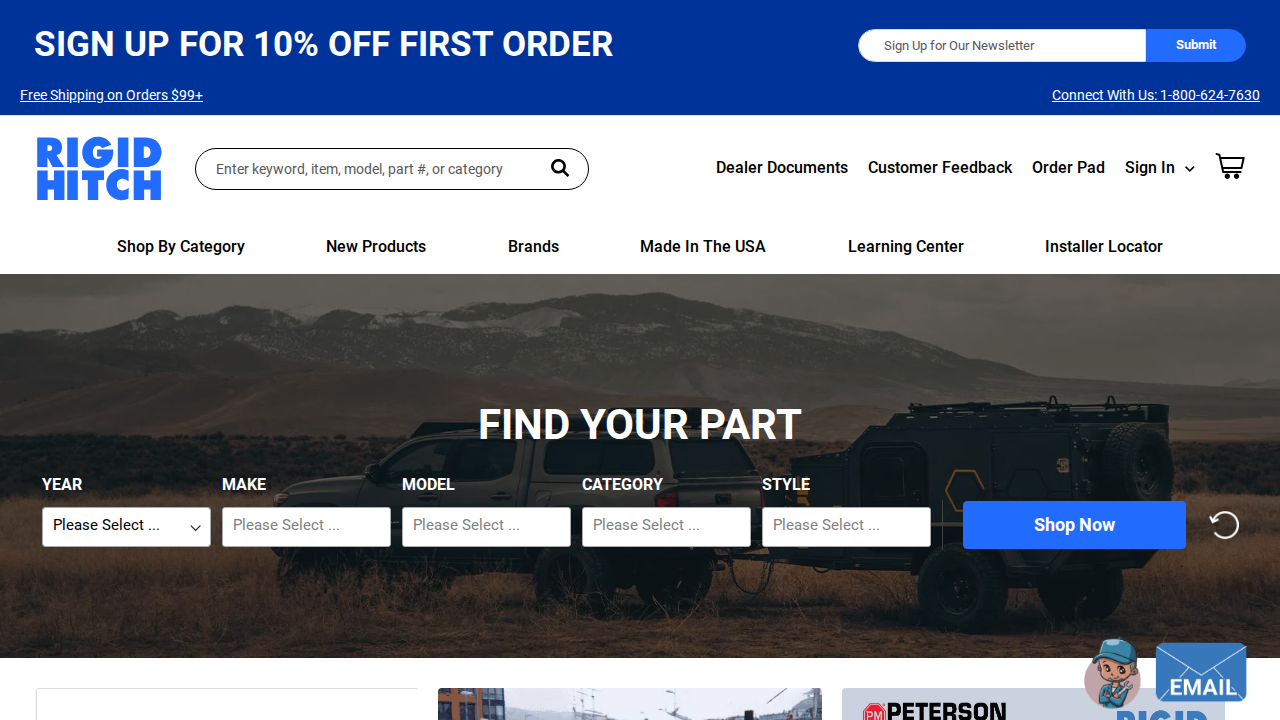
On 01/24/26 rigidhitch.com/ scored 39% — **Weak** – Overall, the basics are there, but a few visibility and trust signals (plus some heavy pages) are keeping the site from showing up as confidently as it could in AI-driven results.
Executive summary
Score Breakdown (High Level)
- Discoverability: 92% - Everything essential for homepage discoverability is in place except for an image or video sitemap, which we couldn’t find in the data.
- Structured Data: 58% - The structured data is generally in good shape, but the blog page has no author information or author schema, which is a notable gap.
- AI Readiness: 67% - We didn’t see any About or company page link on the homepage, and there’s no Wikidata entity for the brand, but the technical foundations like robots.txt and XML sitemap look solid.
- Performance: 11% - Mobile performance on both the homepage and blog landed in the poor range for responsiveness, LCP, and overall Lighthouse score, with slow loading and blocking times standing out as bottlenecks.
- Reputation: 42% - This section ran into a few gaps—there's no Wikidata match, no homepage social links, and consensus on social profiles is missing, but no negative signals were flagged and some customer review signals are present.
- LLM-Ready Content: 0% - We couldn’t confirm basic article trust and structure signals here (no author, no publish/update date, not enough <h2>-based sections, and no outbound references) from the provided HTML.

Where things stand overall
The big picture is that the site is generally discoverable and has some solid baseline signals, but it’s missing a few trust and clarity cues that help AI systems confidently attribute and reuse content. A lot of the gaps are about making brand identity and content ownership easier to verify, rather than anything being “wrong.” Below, we’ll walk through the specific areas where key signals didn’t show up so you can see exactly what’s holding things back. None of this is unusual, and it’s all the kind of stuff that can be addressed once it’s clearly on your radar.
Detailed Report
Discoverability
❌ Rich media discovery support is missing
What we saw
We didn’t spot a dedicated way for search engines to easily find and understand the site’s image or video content at scale. This can make rich media harder to surface consistently.
Why this matters for AI SEO
AI systems often rely on strong discovery signals to find and reuse supporting visuals or video context. When rich media is harder to discover, it’s less likely to be included alongside your brand in AI-generated answers.
Next step
Add a dedicated image or video discovery feed so rich media can be found more reliably.
Structured Data
❌ Blog/resource content has no clear author
What we saw
On the resource/blog page, we didn’t see a clear, non-generic author identified in the visible content or in the supporting page signals. As a result, it’s not obvious who is responsible for the article.
Why this matters for AI SEO
Authorship is a major trust cue for AI systems when deciding what to cite or summarize. When the author isn’t clear, content can feel less attributable and less quote-worthy.
Next step
Make sure each resource/blog post clearly names a real author in a consistent, easy-to-find way.
❌ Author profile signals aren’t connected to external identity sources
What we saw
We didn’t find author-specific identity connections that tie the author to recognized third-party profiles. This appears to be missing because an author profile signal wasn’t detected on the page.
Why this matters for AI SEO
When AI systems can connect an author to consistent, external identity references, it reduces ambiguity and increases confidence in attribution. Without that, it’s harder for systems to understand “who said this” beyond your own site.
Next step
Add author identity connections that point to the author’s official profiles where appropriate.
AI Readiness
❌ Brand background isn’t easy to confirm from the homepage
What we saw
We didn’t see a clear path from the homepage to a page that explains who the company is (for example, a dedicated brand or company context page). That makes it harder for visitors (and systems) to quickly verify the organization behind the site.
Why this matters for AI SEO
AI systems look for clear, consistent brand context to reduce uncertainty and improve how confidently they describe a business. When that context isn’t easy to find, it can weaken overall understanding and trust.
Next step
Add a clear, easy-to-spot homepage path to a page that explains the company and its background.
❌ No Wikidata identity found for the brand
What we saw
We didn’t see a Wikidata entity associated with the brand in the available signals. That leaves a gap in standardized, third-party identity references.
Why this matters for AI SEO
Wikidata can act like a consistent “identity connector” that helps AI systems reconcile brand mentions across the web. Without it, brand understanding can be more fragmented.
Next step
Establish a Wikidata entity for the brand so AI systems have a consistent identity reference.
Performance
❌ Homepage feels slow and blocked on mobile
What we saw
The homepage experience on mobile showed signs of slow responsiveness and delayed loading of the main content. This indicates users may wait longer than expected before the page feels usable.
Why this matters for AI SEO
When pages are slow to become usable, systems that evaluate quality signals can treat the experience as less reliable for users. That can reduce how confidently your pages are selected or referenced.
Next step
Reduce the work happening before the page becomes interactive and prioritize getting the main content visible sooner.
❌ Resource/blog page feels slow and blocked on mobile
What we saw
The resource/blog page also showed slow responsiveness and delayed loading of key content on mobile. In practice, that can make reading and scanning the page feel sluggish.
Why this matters for AI SEO
If informational pages are slow to load and use, it can weaken how dependable they appear as citation sources. AI systems tend to favor content that’s easy to access and process.
Next step
Improve mobile responsiveness so the resource/blog page becomes usable quickly and consistently.
Reputation
❌ No confirmed Wikidata match for the brand
What we saw
We didn’t find a verified Wikidata entry that clearly matches the brand. That leaves an important third-party identity reference unconfirmed.
Why this matters for AI SEO
Without a strong external identity reference, it’s harder for AI systems to confidently connect your site with consistent brand facts across sources. This can limit certainty in brand-related answers.
Next step
Create and/or validate a Wikidata entity that clearly matches the brand’s official identity.
❌ Wikidata doesn’t provide official identity anchors
What we saw
We didn’t see evidence of official identity anchors tied to Wikidata for the brand. That means fewer standardized references pointing back to the official entity.
Why this matters for AI SEO
Official identity anchors help AI systems confirm they’re talking about the right organization. When those anchors are missing, brand information can be easier to confuse or dilute.
Next step
Strengthen the brand’s identity anchors in Wikidata so official references are clear and consistent.
❌ Social profiles aren’t consistently confirmed across sources
What we saw
We couldn’t confirm a consistent set of major social profiles for the brand based on the available signals. That creates uncertainty around where the brand is officially represented.
Why this matters for AI SEO
AI systems often use consistent social identity as a trust and verification signal. When it’s unclear which profiles are official, it can reduce confidence in brand attribution.
Next step
Make sure the brand’s official social profiles are consistently identifiable across the web.
❌ Homepage doesn’t point to major social profiles
What we saw
We didn’t see clear homepage links to major social platforms in the provided homepage content. That makes it harder for people (and systems) to quickly confirm official channels.
Why this matters for AI SEO
Direct links to official profiles help AI systems validate brand identity and reduce ambiguity. Without them, the brand’s offsite footprint can look less connected.
Next step
Add clear homepage links to the brand’s official social profiles.
❌ No onsite press or press-release hub detected
What we saw
We didn’t see evidence of a dedicated onsite area for press mentions or press releases. As a result, it’s harder to find a single place that summarizes notable coverage or announcements.
Why this matters for AI SEO
A clear press presence can help AI systems understand credibility and real-world context beyond product pages. When it’s missing, some reputation signals become harder to surface.
Next step
Create a clear onsite location that consolidates press mentions and announcements.
LLM-Ready Content (Blog Analysis)
This section is based on a single piece of content and is meant to be a directional pulse check. Because content structure and clarity can vary widely from post to post, results here may feel more subjective than other sections.
❌ No clear, non-generic author on the post
What we saw
We didn’t see a named author on the page in the visible content or supporting page signals. The post reads more like it was published without a clear byline.
Why this matters for AI SEO
AI systems tend to trust and reuse content more when attribution is clear. Missing authorship can make the page harder to cite confidently.
Next step
Add a clear byline that identifies a real person (or a clearly defined editorial team) as the author.
❌ No publish or update date signals found
What we saw
We didn’t find a publish date or a “last updated” style date in the content signals available. That makes it unclear when the information was written or refreshed.
Why this matters for AI SEO
Dates help AI systems judge freshness and context, especially for informational content. When timing is unclear, the content can feel less dependable.
Next step
Include a clear publish date and, when applicable, an updated date on the post.
❌ Recency can’t be confirmed
What we saw
Because no update/modified date was detected, we can’t tell whether the content has been reviewed recently. The page doesn’t communicate its maintenance status.
Why this matters for AI SEO
AI systems often prefer content that signals it’s been kept current. When recency can’t be determined, it can reduce the chance of the page being treated as a reliable reference.
Next step
Add a visible “last updated” signal when the post is reviewed or refreshed.
❌ No outbound (non-social) reference links detected
What we saw
We didn’t see outbound links to external, non-social sources in the HTML reviewed. The links present appeared to be internal.
Why this matters for AI SEO
External references can help AI systems understand what a piece is grounded in and how it relates to broader, verifiable information. Without them, the content may feel more isolated.
Next step
Add relevant external reference links where they naturally support claims or definitions.
❌ Content isn’t clearly broken into reusable sections
What we saw
The page didn’t show enough clear section structure to confirm it’s chunked into scannable parts. That makes it harder to identify distinct “answer blocks” within the article.
Why this matters for AI SEO
AI systems tend to reuse content more effectively when it’s organized into clear, self-contained sections. Without that structure, extraction and summarization become less reliable.
Next step
Restructure the post so it’s divided into clear, labeled sections that map to reader questions.
❌ No HTML table found
What we saw
We didn’t see a table in the page content reviewed. That removes one common format AI systems can quickly interpret for comparisons or specs.
Why this matters for AI SEO
Tables can be easy for AI systems to summarize and cite when users ask for quick comparisons or structured details. When they’re missing, the content may be less reusable for those query types.
Next step
Where it fits the topic, add a simple table to summarize key information.
❌ Subheadings aren’t descriptive (not confirmable)
What we saw
Because the page didn’t meet the section-structure requirement in the HTML reviewed, we couldn’t confirm descriptive subheadings that clearly label what each section answers. This makes the page feel harder to scan.
Why this matters for AI SEO
Clear subheadings help AI systems identify which section matches a question and pull the right snippet. When subheadings aren’t present or descriptive, the page is tougher to map to intent.
Next step
Use specific, question- or benefit-led subheadings that make each section’s purpose obvious.
❌ Key answers don’t surface early (not confirmable)
What we saw
We couldn’t confirm that key answers appear early in the content, since the page structure in the HTML reviewed didn’t support reliable section parsing. The content signal we saw wasn’t strong enough to judge early-answer placement.
Why this matters for AI SEO
AI systems often look for quick, direct answers near the top of a page or section to support summarization. When that pattern isn’t clear, the page can be less useful for AI-driven responses.
Next step
Make sure the opening of the post (and each main section) gets to the point quickly before going deeper.
❌ Readability and cohesion couldn’t be confidently assessed
What we saw
The HTML content available looked fragmentary and navigation-heavy, so we couldn’t confidently evaluate whether the writing is cohesive and self-contained. In other words, the “article” signal wasn’t clear enough in what we reviewed.
Why this matters for AI SEO
AI systems do better when the main content reads as a complete, consistent resource with clear definitions and minimal ambiguity. If that’s hard to detect, the page is less likely to be reused.
Next step
Ensure the primary article content is clearly presented and self-contained in the main body of the page.
Does Anything Seem Off?
Thanks for taking our free GEO Grader for a spin. When we started this journey, the tool had a fairly long processing time to check everything we wanted both onsite and offsite, so we made a few adjustments on the backend to speed things up. As a result, there are times when the grader may not get everything 100% right. If something feels off, we recommend running the tool a second time to confirm the results. From there, you’re always welcome to reach out to us to schedule a GEO consultation, or to have your SEO provider validate the findings with a more detailed crawl and manual review.
