
Overview:
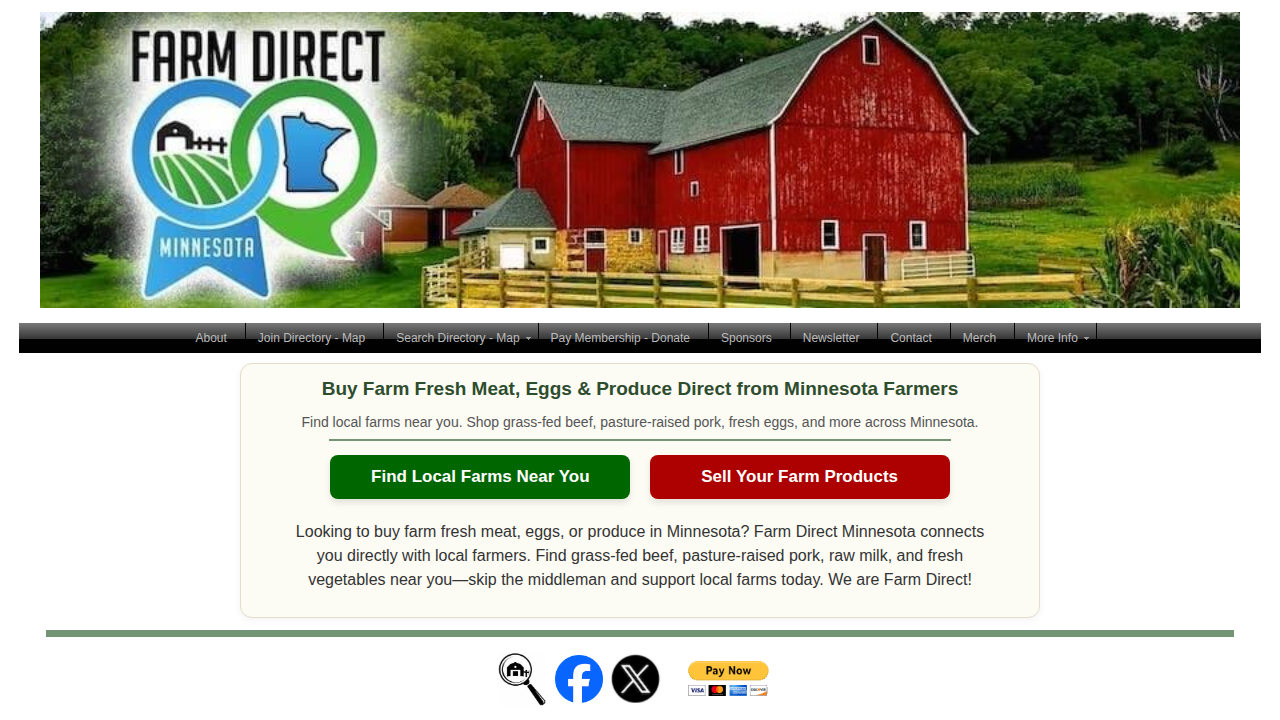
On 04/08/26 farmdirectminnesota.com scored 68% — **Decent** – Overall, the site has a strong foundation for AI visibility, but a few clarity and credibility gaps are keeping it from feeling fully “connected” across the wider web.
Executive summary
Score Breakdown (High Level)
- Discoverability: 100% - The site is in great shape for discovery with a healthy sitemap and clean metadata, though adding a media-specific sitemap would help round things out.
- Structured Data: 58% - The homepage is in good shape with a clean Organization schema, but we couldn't verify the blog section since that content wasn't available for review.
- AI Readiness: 67% - The site’s technical foundation is excellent with clear sitemaps and open crawler access, though we weren't able to find a Wikidata entry to help AI engines verify the brand.
- Performance: 67% - Mobile performance is exceptionally strong, with the homepage hitting a perfect Lighthouse score and showing no signs of layout or blocking issues.
- Reputation: 81% - The brand has a strong offsite presence with solid press and social signals, though we noticed some conflicting data regarding the official business address.
- LLM-Ready Content: 44% - The page establishes strong trust with clear authorship and recent updates, but the lack of subheadings and outbound links makes the content harder for AI to parse and contextualize effectively.

The main takeaway at a glance
The big picture is that your site is generally easy to find and perform well, but some of the signals that help AI connect “who you are” to the wider web are still a bit incomplete. A lot of what’s missing isn’t about quality—it’s about clarity, consistency, and making your resource content easier for AI to chunk and reuse. The breakdown below walks through the specific areas where the evaluation flagged gaps, organized by category. None of this is unusual, and it’s the kind of cleanup work that tends to pay off in both search and AI-driven surfaces.
Detailed Report
Discoverability
❌ Image or video sitemap missing
What we saw
We didn’t detect an image sitemap or a video sitemap in the site data. That means your photos and videos may have a harder time being consistently surfaced and understood as standalone assets.
Why this matters for AI SEO
Generative engines and modern search features often rely on clear media inventory signals to find and reference visual content. When those signals aren’t present, media can be easier to miss or harder to attribute.
Next step
Create and publish an image and/or video sitemap so your key media assets are easier to discover and associate with your site.
Structured Data
❌ Structured data not found on resource / blog page
What we saw
The resource/blog page content wasn’t available (it was missing or empty), so we couldn’t find any structured data there. As a result, that page isn’t providing clear, machine-readable context the way your homepage does.
Why this matters for AI SEO
When resource content lacks clear, structured context, AI systems have a harder time confidently categorizing the page and reusing it in answers. This can limit how often your educational content gets pulled into AI-driven results.
Next step
Make sure the resource/blog page loads reliably and includes structured data that describes the page and its content.
❌ Author not confirmed on resource / blog post
What we saw
Because the resource/blog page content was missing or empty, we couldn’t confirm a clear, non-generic author on that page. This leaves authorship signals unclear on the content that’s most likely to be cited.
Why this matters for AI SEO
AI systems tend to trust and reuse content more when they can clearly connect it to a real author or accountable source. Weak or missing authorship signals can make content feel less “grounded.”
Next step
Ensure each resource/blog post clearly displays a real author and that the author information is consistently available on-page.
❌ Author references (sameAs) not confirmed
What we saw
We couldn’t verify any author reference links (like profile or identity references) for the resource/blog content because the page content wasn’t available. That means the author’s identity isn’t being clearly connected to the broader web.
Why this matters for AI SEO
When author identity is connected to known profiles, it’s easier for AI systems to treat the author as a real, consistent entity. Without that connective tissue, attribution and trust can be weaker.
Next step
Add consistent author reference links where appropriate so AI systems can better connect the author to a real-world identity.
AI Readiness
❌ No Wikidata entity found for the brand
What we saw
We were unable to locate a Wikidata item ID associated with the brand. In other words, there wasn’t an authoritative Wikidata listing we could tie back to your organization.
Why this matters for AI SEO
Wikidata is one of the clearer “public anchors” AI systems can use to verify and reconcile brand identity details. When it’s missing, models may rely more heavily on scattered third-party references that aren’t always consistent.
Next step
Establish a Wikidata entity for the brand so AI systems have a strong, centralized identity reference.
Reputation
❌ Brand identity information appears inconsistent
What we saw
We found conflicting information about the business’s physical address across sources, including mentions of Rice, Minneapolis, and Bethel. That inconsistency makes the brand’s “official details” feel a bit blurry from an offsite perspective.
Why this matters for AI SEO
Generative engines try to reconcile identity details across the web before they confidently summarize or recommend a business. Conflicting address signals can reduce confidence and lead to mixed or incomplete brand descriptions.
Next step
Align your official business address information across the major places it appears online so the brand details match everywhere.
❌ Wikidata entity not found
What we saw
No matching Wikidata entity was found for the brand in this review. This lines up with the missing entity signal noted elsewhere.
Why this matters for AI SEO
Without a Wikidata entity, it’s harder for AI systems to lock onto a single, authoritative “source of truth” for who the brand is. That can make identity verification feel less certain.
Next step
Create and maintain a Wikidata entity that clearly represents the brand.
❌ Missing Wikidata identity anchors
What we saw
We did not find authoritative identity anchors in Wikidata for the brand. Practically speaking, there isn’t a strong Wikidata-based reference layer connecting the brand to verified details.
Why this matters for AI SEO
Identity anchors help generative systems disambiguate your brand from similarly named entities and reduce the odds of misinformation. When they’re missing, AI may lean on less-consistent sources.
Next step
Add the key identity anchors to a Wikidata entity so the brand’s details are easier to verify.
LLM-Ready Content (Blog Analysis)
Heads up: this section looks at one article as a snapshot, so it’s a little more interpretive than the rest of the report and may shift slightly from run to run. Have questions? Just shoot us an email at hello@v9digital.com
❌ No outbound links to non-social sources
What we saw
We didn’t find any outbound links to external, non-social domains on the page—only social media and internal links were present. That limits how clearly the content connects to broader informational sources.
Why this matters for AI SEO
AI systems tend to understand content better when it’s connected to the wider web in concrete, referenceable ways. When those connections aren’t present, the page can feel more isolated and harder to verify.
Next step
Add a small number of relevant, non-social external references that support or contextualize the key claims on the page.
❌ Content not chunked into readable sections
What we saw
The page lacked
elements, so the content wasn’t broken into clear sections. As a result, it’s harder to scan and harder for AI to cleanly segment.
Why this matters for AI SEO
Generative engines pull answers more reliably when content is organized into obvious topical blocks. Without clear sections, important information can be harder to extract and reuse.
Next step
Rework the article structure so it’s organized into clear, labeled sections.
❌ No descriptive subheadings
What we saw
No subheadings were present to evaluate. That means the page isn’t giving readers (or AI systems) quick, meaningful signposts for what each part of the content covers.
Why this matters for AI SEO
Descriptive subheadings help AI understand the page’s topical layout and map specific answers to specific questions. Without them, the content can be interpreted as one long block.
Next step
Add descriptive subheadings that clearly reflect the questions or topics each section addresses.
❌ Key answers don’t appear early
What we saw
We couldn’t evaluate whether key answers appear early in each section because there were no sections available to review. From a structure standpoint, that makes it less clear where the “direct answers” live.
Why this matters for AI SEO
Generative systems often look for concise, high-signal answers near the top of a section to quote or summarize. If the content isn’t structured that way, it can be harder for AI to pull clean, confident snippets.
Next step
Restructure the content so the most direct, reusable answers show up early within each section.
Does Anything Seem Off?
Thanks for taking our free GEO Grader for a spin. When we started this journey, the tool had a fairly long processing time to check everything we wanted both onsite and offsite, so we made a few adjustments on the backend to speed things up. As a result, there are times when the grader may not get everything 100% right. If something feels off, we recommend running the tool a second time to confirm the results. From there, you’re always welcome to reach out to us to schedule a GEO consultation, or to have your SEO provider validate the findings with a more detailed crawl and manual review.
