
Overview:
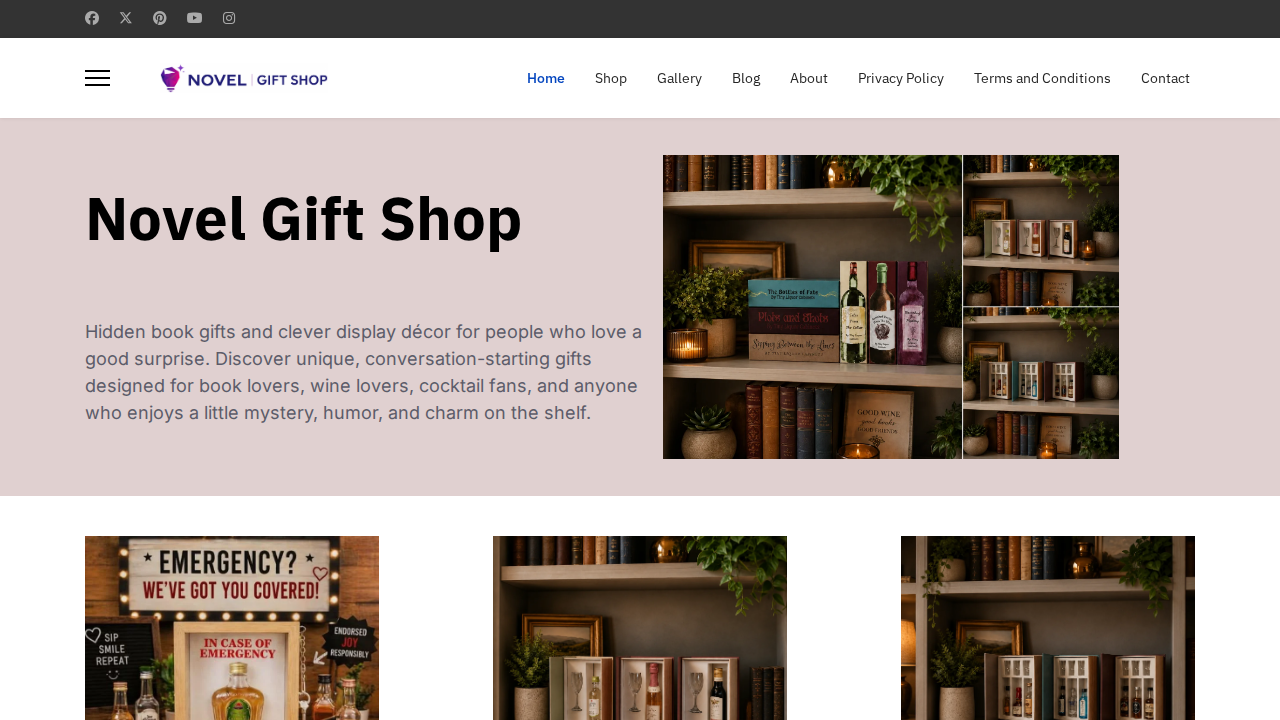
On 07/10/26 novelgiftshop.com scored 42% — **Below Average** – Overall, the site has a few solid foundations, but some key signals for AI understanding and trust are still coming through unevenly.
Executive summary
Score Breakdown (High Level)
- Discoverability: 100% - The technical basics like metadata and bot access are looking good, but the lack of XML sitemaps is a clear bottleneck for discovery.
- Structured Data: 0% - We weren't able to find any schema markup on the homepage, and the lack of a resource page meant we couldn't check for author details.
- AI Readiness: 33% - The site is accessible to AI crawlers and provides clear brand context, but it currently lacks a standard XML sitemap and a verified Wikidata presence.
- Performance: 28% - Mobile performance is a bit of a mixed bag, with solid visual stability but slow loading speeds and responsiveness that land in the poor category.
- Reputation: 62% - While the brand is recognized and maintains active social profiles, unresolved negative client assertions and a lack of verifiable physical identity anchors create a notable trust gap.
- LLM-Ready Content: 32% - The page is technically up-to-date and uses tables well, but it lacks the semantic headers and external citations needed for AI systems to easily digest and verify the content.

What stands out most overall
The big picture is that the site has some solid baseline signals, but several key pieces of context that help AI systems understand, trust, and surface a brand aren’t coming through clearly yet. A lot of what’s missing isn’t “wrong,” it’s just harder for machines to interpret confidently from what’s available today. The next section breaks down the specific areas where those signals were absent or unclear, organized by category. Once you see them laid out, the overall path to a clearer AI-facing footprint tends to feel much more manageable.
Detailed Report
Discoverability
❌ XML sitemap not found
What we saw
We weren’t able to find a standard XML sitemap at the typical locations, and it wasn’t detected in the site data.
Why this matters for AI SEO
When AI and search systems have a harder time discovering all your pages, it can limit how completely they understand what you offer. That can also reduce the chances of the right pages being surfaced in AI-generated answers.
Next step
Create and publish a standard XML sitemap and make sure it’s available where crawlers expect to find it.
❌ No image or video sitemap detected
What we saw
No dedicated image or video sitemaps were detected in the site data.
Why this matters for AI SEO
If your visuals aren’t as easy to discover and catalog, it can limit visibility in media-driven experiences and reduce the context AI systems can pick up from your imagery.
Next step
Add dedicated image and/or video sitemaps if visual content is important to how your products are found and understood.
Structured Data
❌ Schema markup missing on the homepage
What we saw
No valid schema blocks were detected on the homepage.
Why this matters for AI SEO
Without this structured context, AI systems may have a harder time confidently understanding key business details. That can weaken how reliably the brand is represented in AI-driven results.
Next step
Add schema markup to the homepage so your core business information is clearly defined.
❌ Organization-type schema not present
What we saw
No organization-related schema type was found on the homepage because no schema exists there.
Why this matters for AI SEO
When AI systems can’t easily tie the site to a clear organization entity, it can reduce trust and consistency in how your brand is interpreted.
Next step
Include an organization-type schema that identifies the business clearly.
❌ Resource/blog structured data couldn’t be evaluated
What we saw
A resource/blog page wasn’t provided for evaluation, so structured data on that page couldn’t be checked.
Why this matters for AI SEO
If AI systems can’t read clear publishing and ownership context on content pages, it can reduce how confidently that content gets referenced or summarized.
Next step
Provide (or identify) a representative resource/blog URL so content-level structured data can be assessed.
❌ No schema integrity check possible
What we saw
Because no schema was detected, there was nothing available to evaluate for structural integrity or errors.
Why this matters for AI SEO
AI systems benefit when structured signals are both present and consistent; when they’re missing entirely, you lose a clean, machine-readable layer of context.
Next step
Implement schema first, then validate that it’s well-formed and consistent.
❌ Clear, non-generic author not verifiable
What we saw
Because the resource/blog page wasn’t available, no author could be identified or verified there.
Why this matters for AI SEO
When authorship isn’t clear, AI systems have fewer trust cues about who created the content and whether it should be treated as reliable.
Next step
Ensure the resource/blog content includes a clear author identity that can be evaluated.
❌ Author “sameAs” identity links not verifiable
What we saw
No author schema could be verified since the resource/blog page wasn’t provided.
Why this matters for AI SEO
Without consistent identity signals for content creators, it’s harder for AI systems to connect authors to credible profiles or broader context.
Next step
Make author identity signals available on content pages so they can be confirmed.
AI Readiness
❌ XML sitemap missing
What we saw
A standard XML sitemap wasn’t detected at default locations.
Why this matters for AI SEO
If crawlers can’t efficiently discover your site’s full set of pages, AI systems may build an incomplete picture of your offerings.
Next step
Publish a standard XML sitemap that reliably lists key site URLs.
❌ Sitemap last-updated details not present
What we saw
Because a sitemap wasn’t found, last-updated information within it also wasn’t present.
Why this matters for AI SEO
AI systems do better when they can quickly tell what’s current versus outdated, especially as site content changes over time.
Next step
Include last-updated details in the sitemap so freshness is clearer.
❌ No Wikidata entity found for the brand
What we saw
No Wikidata entity was associated with the brand.
Why this matters for AI SEO
Without a recognized structured entity anchor, AI engines have fewer reliable ways to confirm brand identity and consistency across the web.
Next step
Establish a Wikidata entity that accurately represents the brand.
Performance
❌ Homepage responsiveness lagging
What we saw
The homepage showed high total blocking time, which indicates noticeable responsiveness lag.
Why this matters for AI SEO
When pages feel sluggish to load and interact with, it can reduce how effectively systems process the page and how users engage with it—both of which can affect visibility and trust.
Next step
Reduce main-thread blocking so the homepage responds more quickly.
❌ Homepage main content loads slowly
What we saw
The homepage’s largest contentful element took longer than expected to load.
Why this matters for AI SEO
Slow-loading primary content can delay what AI systems and users can actually see and interpret first, which can weaken clarity and engagement.
Next step
Improve how quickly the homepage’s primary content becomes visible.
Reputation
❌ Negative client assertions were found
What we saw
Negative client assertions were identified, including Reddit posts raising concerns about dropshipping and product authenticity.
Why this matters for AI SEO
Generative engines often reflect broader online sentiment; unresolved negative narratives can show up in summaries and reduce perceived trust.
Next step
Review and address the specific offsite concerns that are being cited.
❌ Brand identity signals weren’t consistent enough
What we saw
A verifiable physical address wasn’t found consistently, which prevented a complete identity consensus.
Why this matters for AI SEO
When core identity details aren’t easy to confirm, AI systems can be more cautious about how confidently they describe or recommend a brand.
Next step
Make sure your brand’s key identity details are consistently verifiable across the web.
❌ No matching Wikidata entity for the brand
What we saw
No Wikidata entity was found that matches the brand.
Why this matters for AI SEO
Without a known structured entity to point to, it’s harder for generative engines to anchor the brand to a stable, consistent identity.
Next step
Create and align a Wikidata entry so the brand has a stronger entity anchor.
❌ Official identity anchors couldn’t be verified via Wikidata
What we saw
Because no Wikidata entry exists, official identity anchors (like a confirmed website reference) couldn’t be verified through that source.
Why this matters for AI SEO
When identity anchors aren’t easy to corroborate, AI systems have fewer high-confidence references to rely on.
Next step
Ensure the brand has a Wikidata presence that includes official identity anchors.
❌ No independent press or third-party coverage found
What we saw
No independent press mentions or third-party coverage were identified in the reconciled research data.
Why this matters for AI SEO
Independent coverage can act like a credibility cross-check; without it, AI systems may have fewer outside references to confirm legitimacy and relevance.
Next step
Build a stronger footprint of independent, third-party mentions that reflect the brand accurately.
LLM-Ready Content (Blog Analysis)
Heads up: this section looks at one article as a snapshot, so it’s a little more interpretive than the rest of the report and may shift slightly from run to run. Have questions? Just shoot us an email at hello@v9digital.com
❌ No clear author on the article
What we saw
We didn’t see a visible author name, and the meta author tag was empty.
Why this matters for AI SEO
When authorship isn’t clear, AI systems have fewer trust signals about who created the content and whether it should be treated as credible.
Next step
Add a specific, non-generic author name to the article so ownership is clear.
❌ No outbound links beyond social platforms
What we saw
All external links we found were pointing to major social platforms, with no other third-party sources referenced.
Why this matters for AI SEO
Outbound references help AI systems understand context and corroborate claims; without them, the content can read as more isolated.
Next step
Include at least one relevant, non-social outbound reference where it naturally supports the content.
❌ Content isn’t chunked into clear sections
What we saw
No H2 sections were detected, so the page wasn’t broken into distinct, scannable segments.
Why this matters for AI SEO
AI systems tend to extract and summarize content more reliably when it’s organized into clear sections they can parse and reference.
Next step
Restructure the article with clear section headings so the main points are easier to interpret.
❌ Descriptive subheadings couldn’t be validated
What we saw
Because there were no H2 sections, subheadings couldn’t be evaluated for descriptiveness.
Why this matters for AI SEO
Descriptive headings help AI systems quickly understand what each section covers, which supports cleaner extraction and summaries.
Next step
Add descriptive section headings that clearly signal what each part of the article is about.
❌ Key answers didn’t surface early in a structured way
What we saw
With no H2 sections in place, the evaluation couldn’t confirm that key answers appear early within a clear section structure.
Why this matters for AI SEO
AI systems often pull the most direct answers first; when content isn’t structured to surface those quickly, it can reduce clarity in generated summaries.
Next step
Rework the opening structure so the main takeaways are easier to find early on.
Does Anything Seem Off?
Thanks for taking our free GEO Grader for a spin. When we started this journey, the tool had a fairly long processing time to check everything we wanted both onsite and offsite, so we made a few adjustments on the backend to speed things up. As a result, there are times when the grader may not get everything 100% right. If something feels off, we recommend running the tool a second time to confirm the results. From there, you’re always welcome to reach out to us to schedule a GEO consultation, or to have your SEO provider validate the findings with a more detailed crawl and manual review.
